BACKGROUND
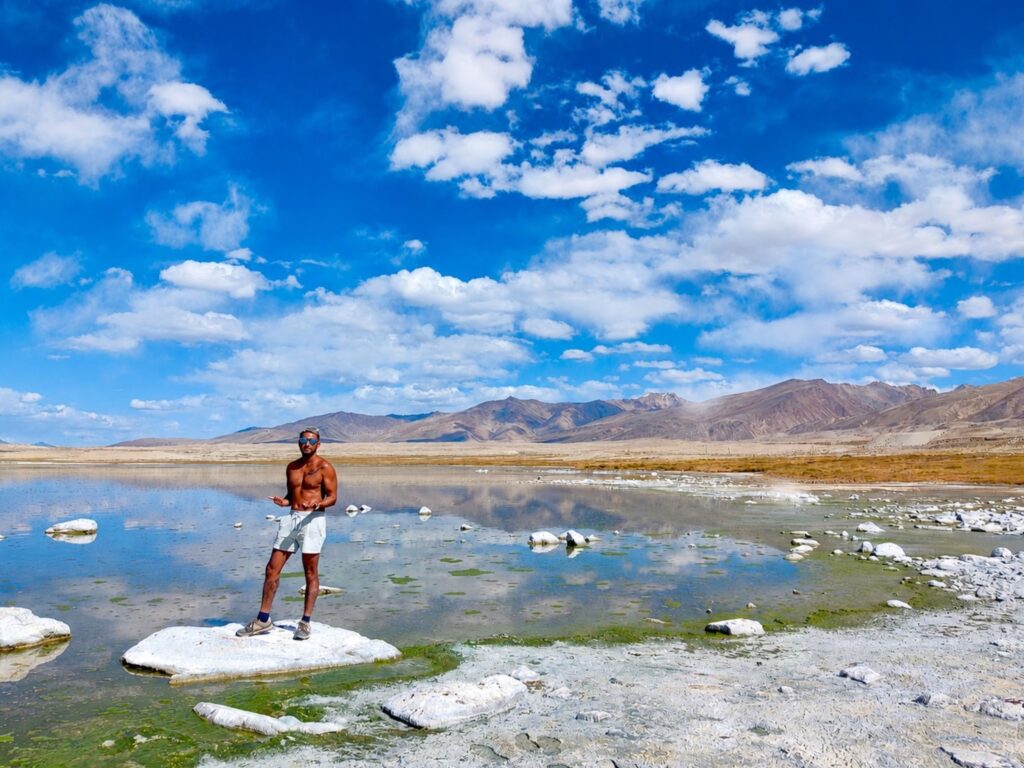
The Pamir Highway is one of the intrepid adventurer’s holy grails. A 1200km road trip through the Pamir Mountains – sometimes referred to as the ‘roof of the world’ thanks to their often exceeding 7000m in height – it takes in two countries (mostly Tajikistan, a little Kyrgyzstan), spends a significant chunk traversing the border of another (Afghanistan), and boasts some of the most stunning landscapes in Central Asia – alien, otherworldly, and ever-morphing. It also offers a sobering glimpse into the lives of Pamiris and other ethnic groups who toil and somehow persevere in such austere, inhospitable terrain.
I became fully aware of the Pamir Highway’s existence when I visited Uzbekistan in 2017 and met other travellers who’d done it/were planning to head that way. It first became a tantalisingly-plausible reality in 2019, when I rocked up in Kyrgyzstan sans a clear idea of what to do there. Time prevented me from realising the dream on that occasion, but I filed it on my ‘must-do’ list for 2020 (alongside Angola, Taiwan, and Central America). Covid subsequently laid waste to those plans as we well know, but I’ve slowly been working through that list in the aftermath, and have tried to make the Pamir Highway happen in each of 2023 (ended up in Taiwan), 2024 (went to the South Caucasus), and 2025 (visited Turkey) – failing every time due to dates not quite aligning the way I’d like. I even attempted to go there in July this year and was in serious talks with tour operators in Dushanbe about rushing through my visa, but social commitments compelled me to choose Mount Fuji instead. But now, as of Sep 2026 – and after seven years of waiting – I can finally say that I’ve made it over to the Pamirs. And in doing so, I’ve completed that 2020 bucket list at long last.
@reehan_miah The Pamir Highway. Dushanbe, 🇹🇯 --> Osh, 🇰🇬 in 7 days. #pamir #pamirhighway #tajikistan #leninpeak #wakhan ♬ Where Have You Been (Orchestra) - Lune & mikeeysmind & Unjaps
HOW
The Pamir Highway runs the length of what is the trans-national M41 with an off-piste stretch to take in the Wakhan Corridor. It’s amongst the world’s highest roads and can be cycled, hitchhiked, or driven (and, for some especially cray cray people, walked). I had ten days maximum to play with, so securing a spot in a car was the only viable option. A driver for this route costs a hefty $1800-$2000 meaning group tours are the best way to reduce the financial burden. A number of companies offer such services (Visit Alay, Pamir Experience, Discover the Pamirs, Pamir Highway Adventures), and the Caravanistan forums allow you to find other like-minded travellers to cobble such groups together independently. I spoke extensievly with Pamir Experience back in June, and was impressed enough with their communication and understanding of plant-based diets to throw my lot in with them come September. They had a 7-day tour starting on the 5th in Dushanbe, Tajikistan, and reaching Osh, Kyrgyzstan on the 11th – dates that lined up perfectly with what I could take off work! All seemed well. (Relevant sidenote: Brits need a visa to enter Tajikistan and the process can take 4-6 weeks so prepare accordingly (if in urgent need, you can pay a considerable fee to rush through the visa in a few days with Marco Polo Travel). Moreover, accessing the Pamirs requires a separate permit for the Gorno-Badakhshan Autonomous Oblast (GBAO) where they’re located, something that you need to request when applying for the e-visa.)
Unfortunately, communication with Pamir Experience became a lot more inconsistent closer to departure date. I panicked and correctly assumed that the tour might not go ahead, so desperately explored other possibilities with other tour operators – but there was nothing departing Dushanbe the weekend of my arrival. Thus, I rocked up to Tajikistan late on Friday 4 Sep with no idea about whether I’d actually be able to go on the Pamir Highway. (There was the possibility of hitchhiking the entire way – something that’s generally very safe, and which even solo female travellers do here without issue – but it was something I preferred to avoid given my lack of flexibility.) Eventually, I discovered that two people had cancelled for 5 Sep, so the group tour was being postponed to 6 Sep. But then a missed flight and visa refusal led to two people pulling out on 6 Sep as well! After mulling over every possible option, I changed the flight I’d booked from Osh to Bishkek on 12 Sep, pushing it a day later so that I’d be able to join a new tour starting on 7 Sep. This left me with zero recovery time (I would now have to catch three consecutive flights on 13 Sep to return to Shanghai as soon as the trip ended), but the alternative would have been no Pamir Highway at all which was much worse. Cancellations happen with surprising frequency and tours can be makeshift af, so I’d probably advise booking with companies that require a deposit (like Visit Alay) to offset the stress that I had to endure.
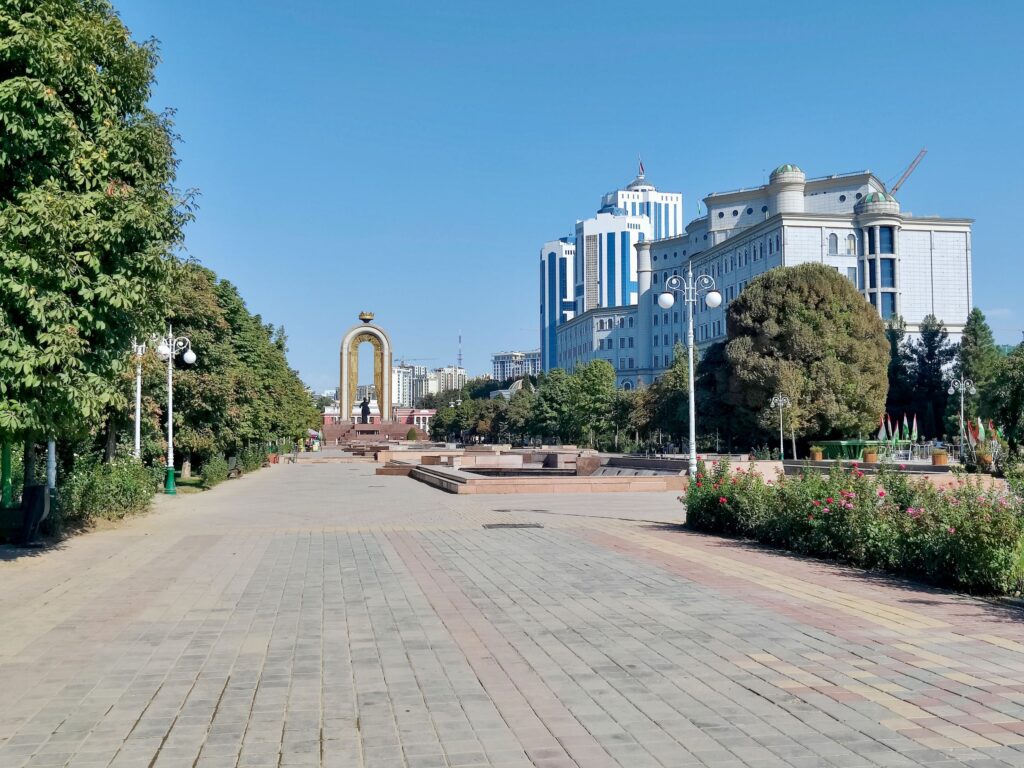
Dushanbe
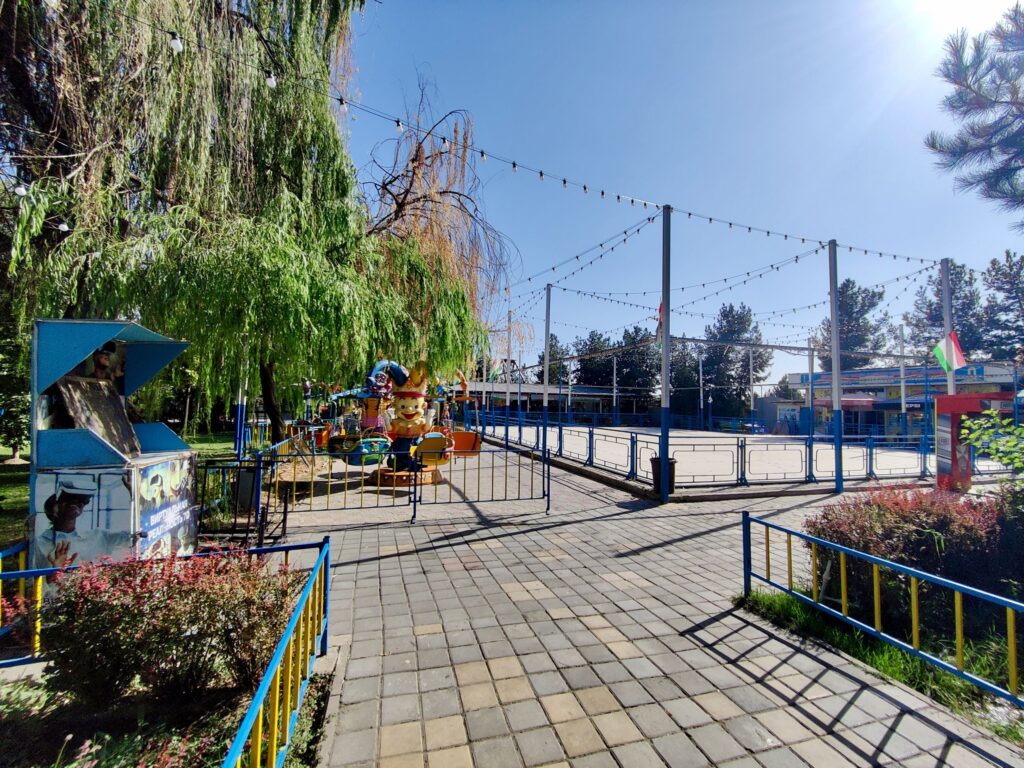
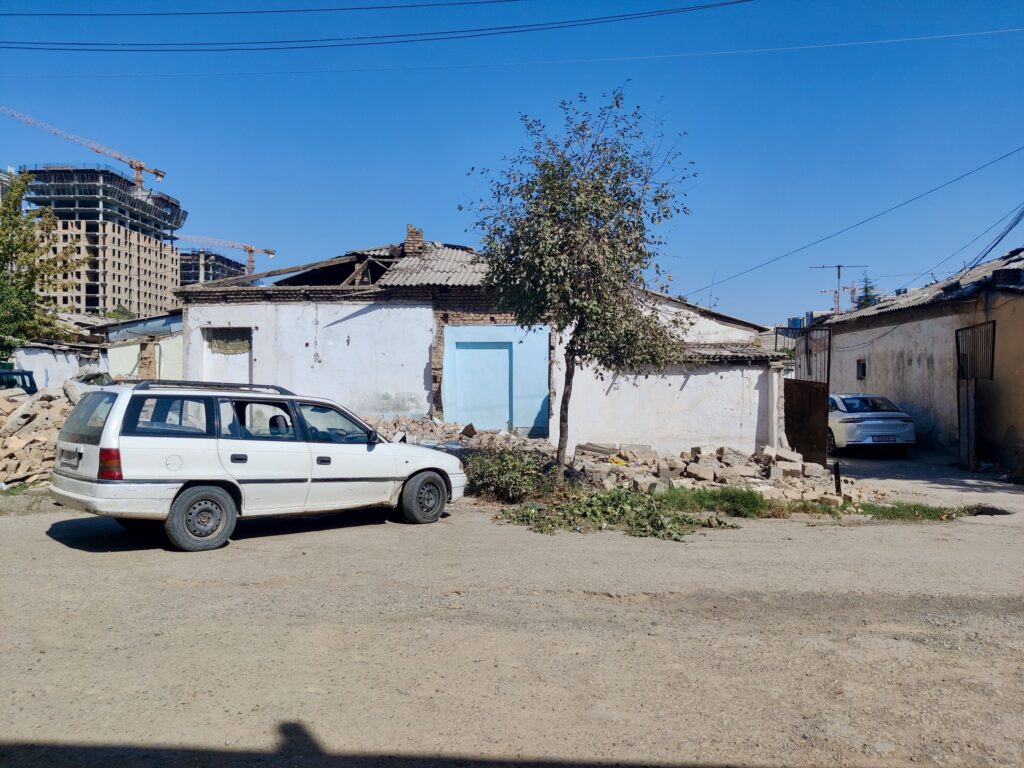
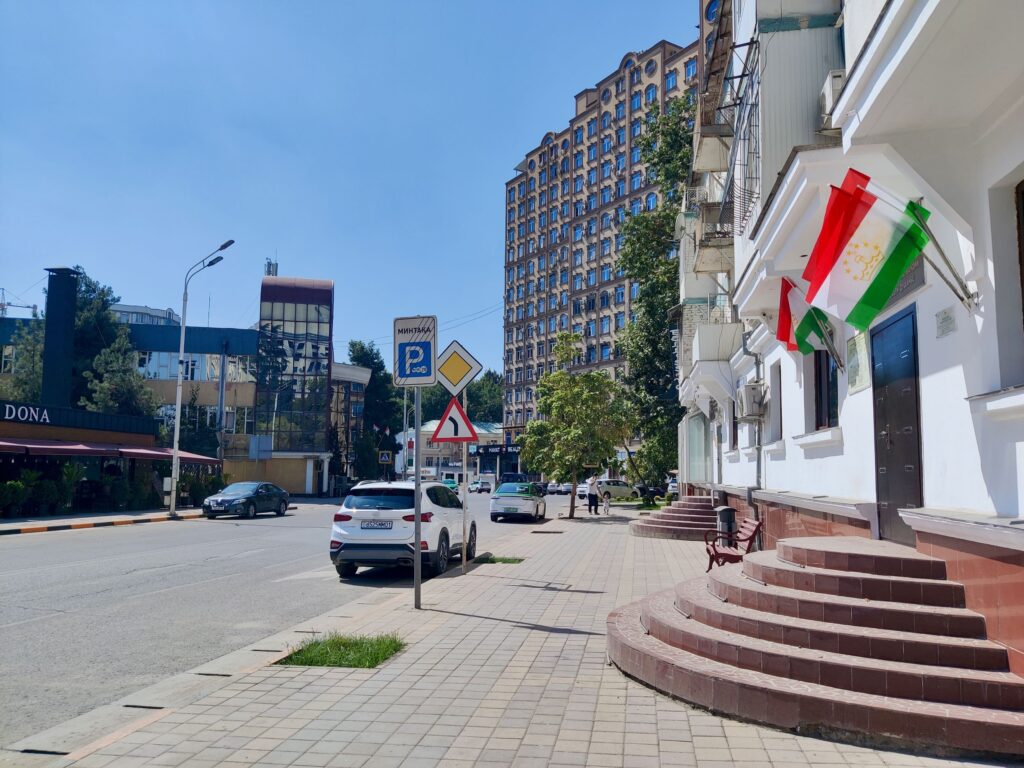
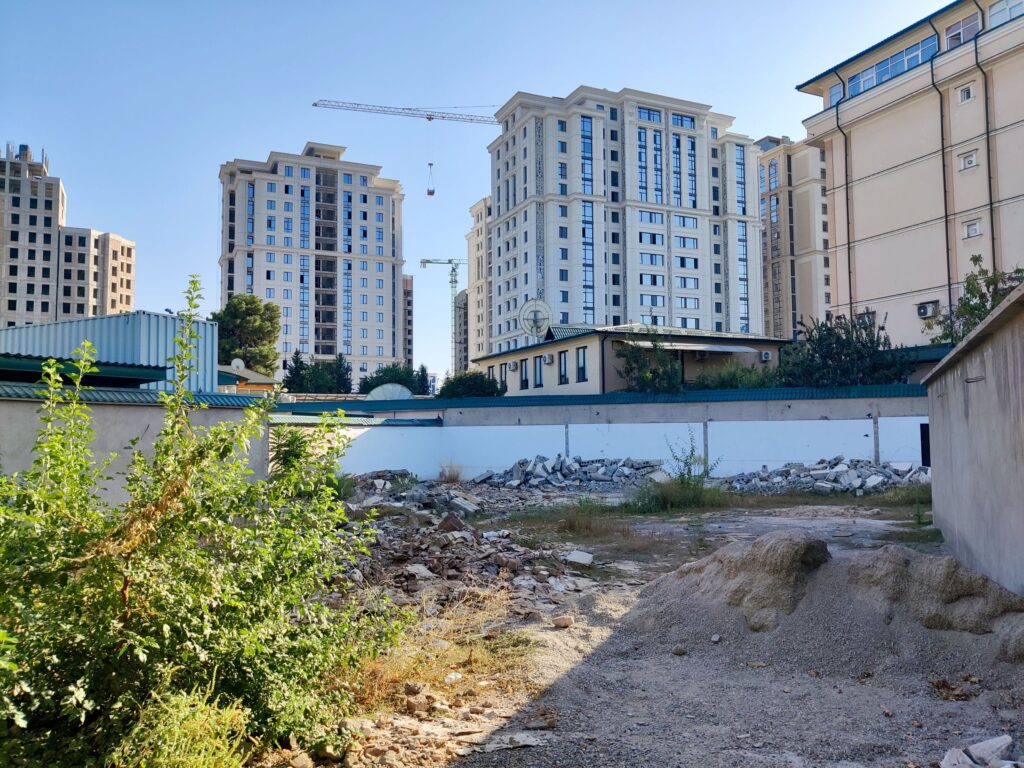
The upside of all that drama was that I got to spend a couple of full days in Dushanbe, which wasn’t in the initial plan (I was meant to be starting the original tour a mere eight hours after flying in). My arrival was a messy one: landed at around 11pm and was hoping to do my typical thing of withdrawing cash before beelining to accommodation. There were two ATMs in the airport, only one of which was ‘international’ – and neither of which were accepting my Mastercards. After begging the non-English-speaking ladies at the ‘info’ counter for assistance, they gave me money out of their own purses so that I could take a taxi into the city to withdraw from an ATM there. (I got their WhatsApps and offered to reimburse them the next day, but they very sweetly refused and wished me a pleasant stay in the country.) Finding a taxi driver that didn’t want to rip me off was another issue, and once I eventually found someone up to the task of not fleecing me, it took a further half hour of driving around before we landed on an ATM that would accept Mastercards (Tajikistan is NOT set up for international withdrawals!). The extremely hospitable owner of the guesthouse that I’d booked that night had to stay up until 1am for me while I endured all this, poor guy.
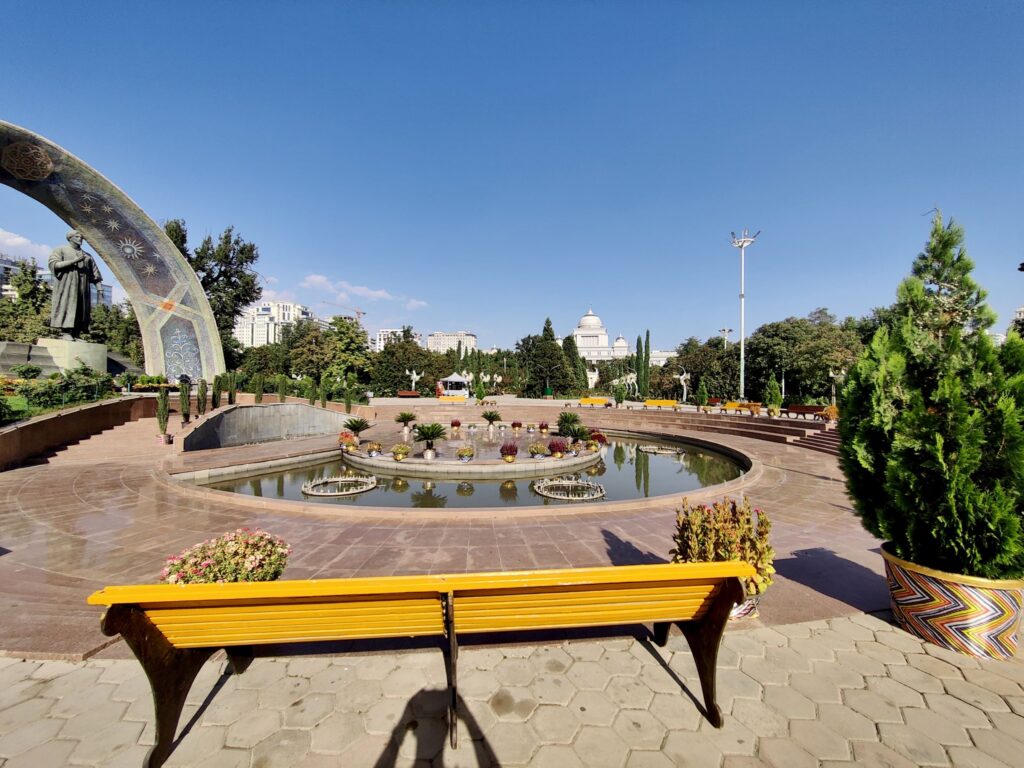
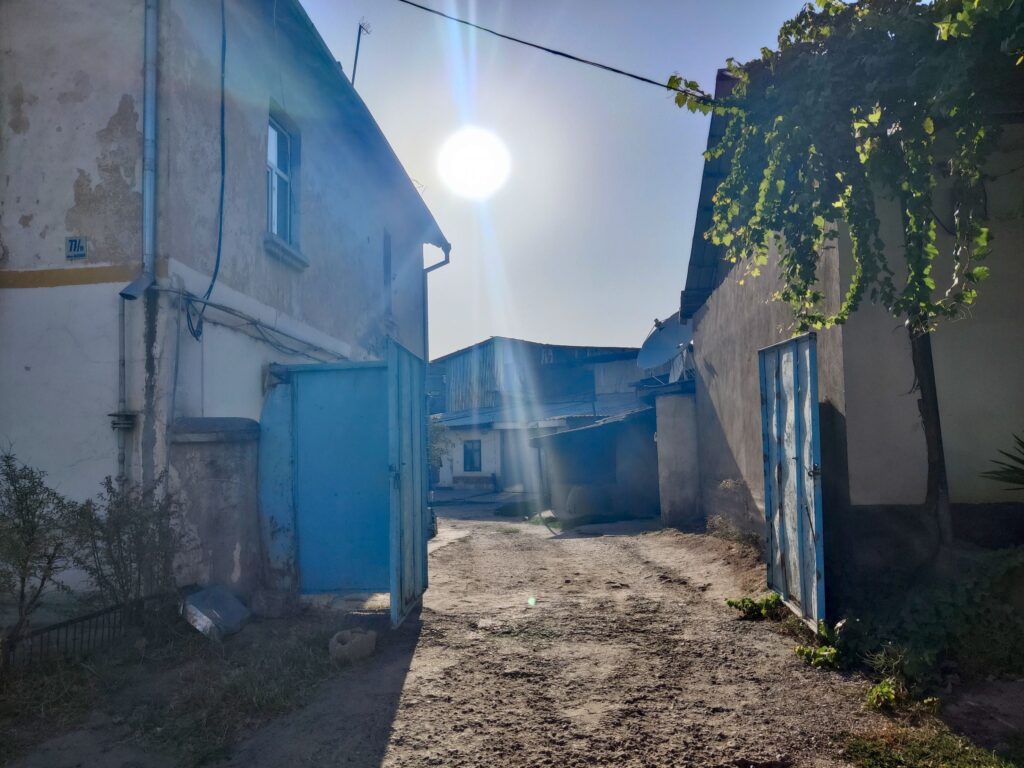
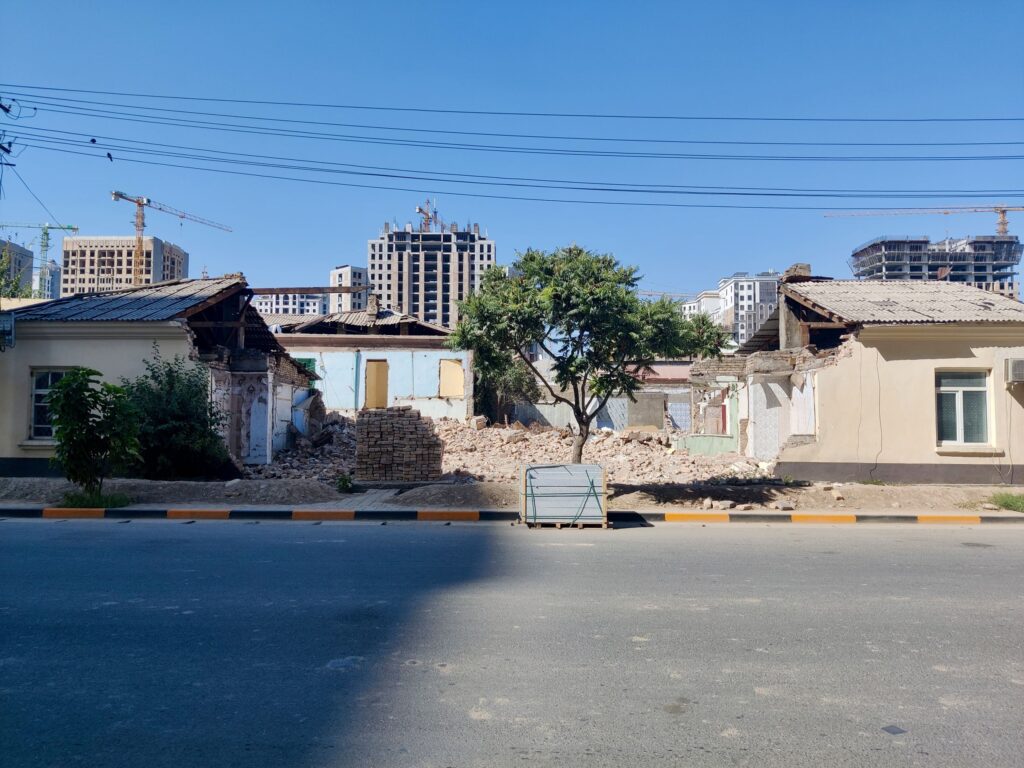
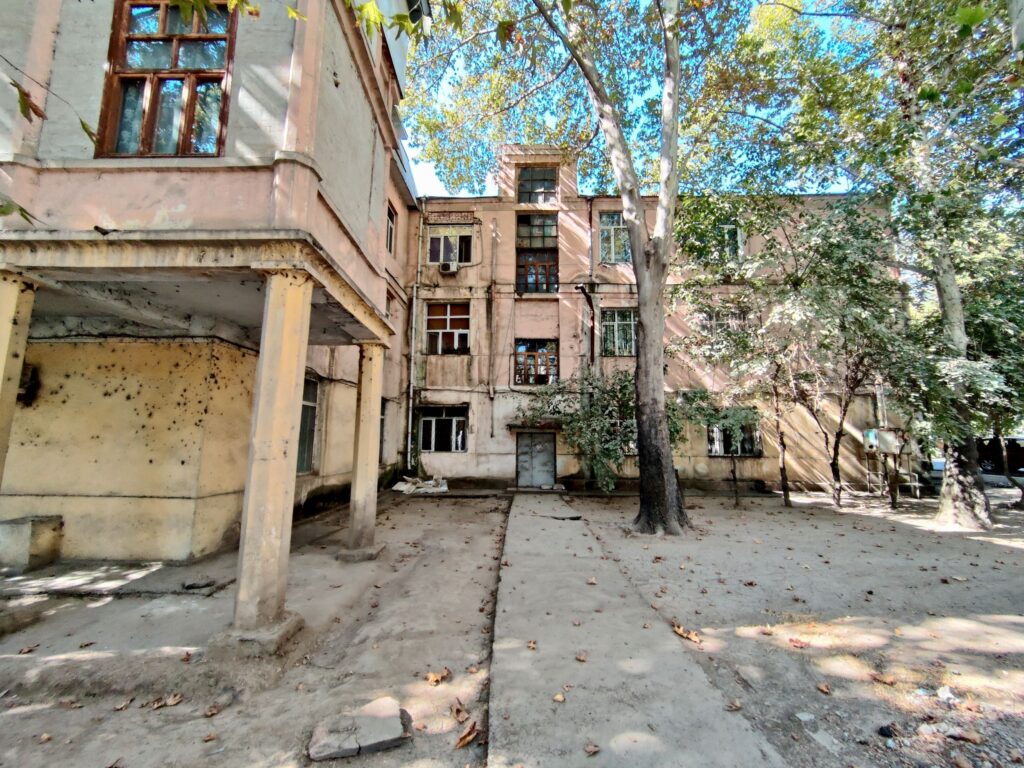
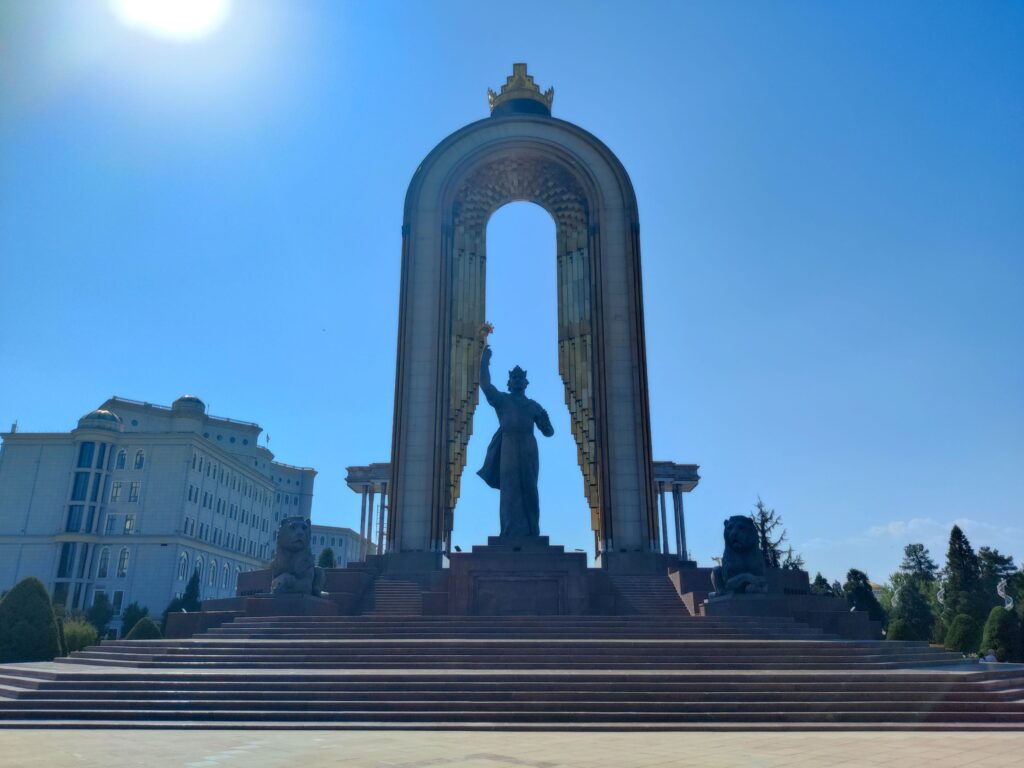
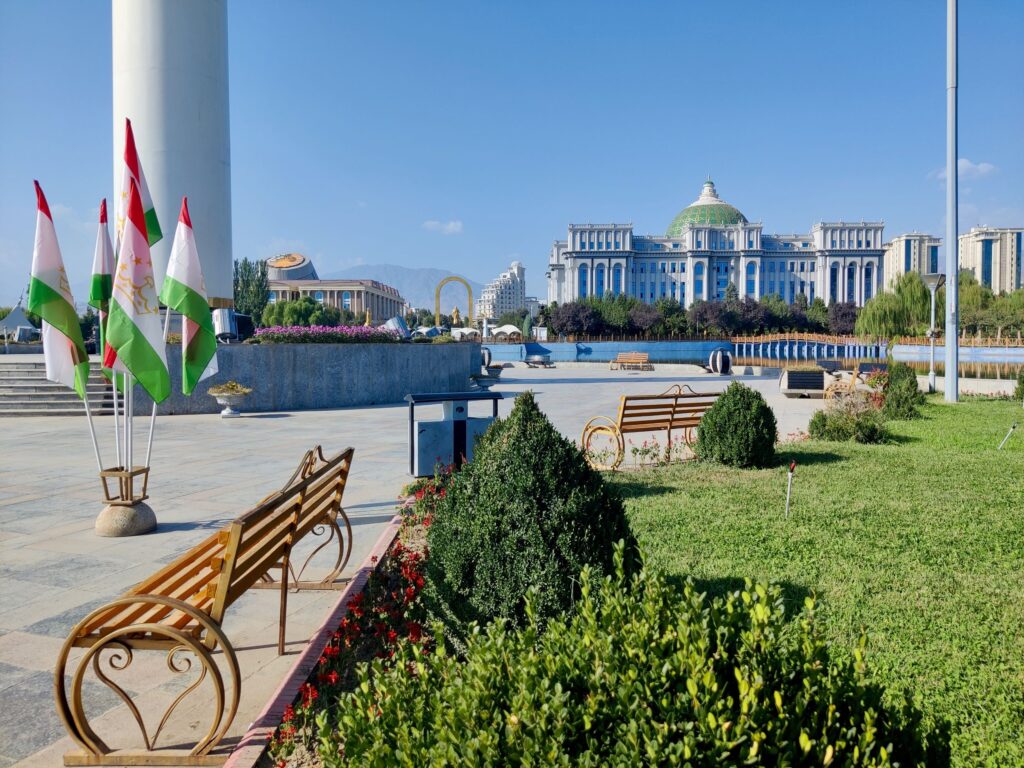
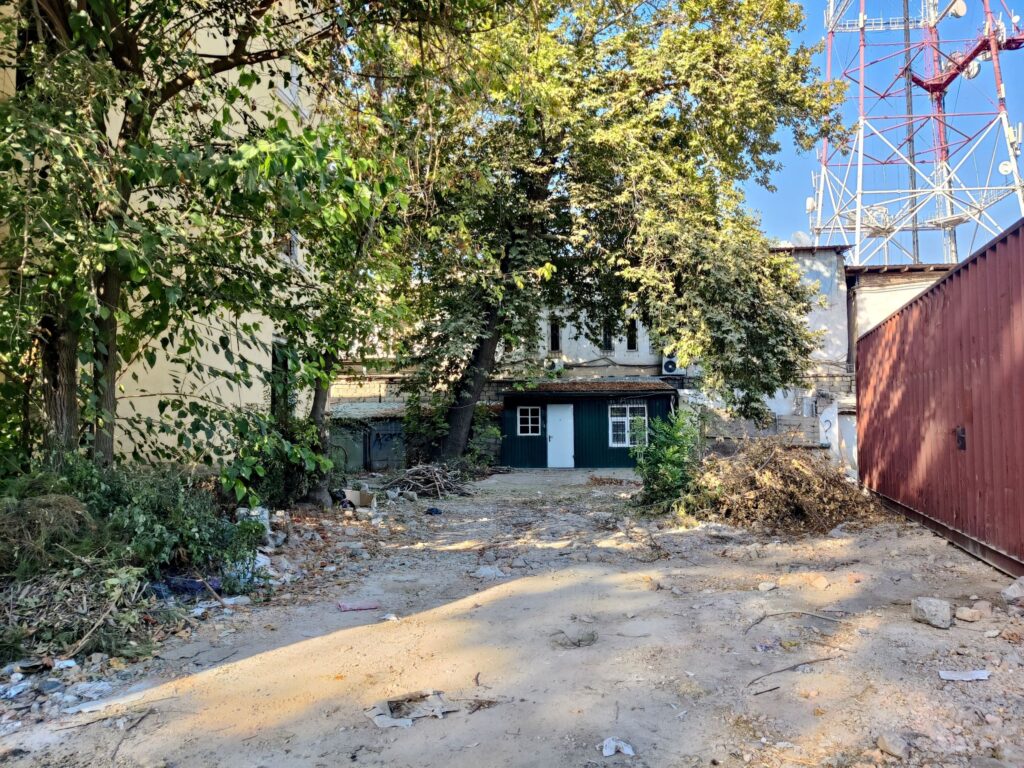
I had a long lie-in and was advised by aforementioned owner the next morning to consider dressing more conservatively (i.e. covering my shoulders and knees) or risk unwanted attention. I took that advice on board while I switched accommodation to Green House Hostel, the main backpacker hub in the city (original guesthouse was fully booked for the rest of the weekend). I spent the afternoon hitting up Dushanbe’s main tourist attractions before attaching myself onto an Aussie tour group’s drinkathon later that evening. Stayed out till 4am (the nightlife is… quirky! Lots of bizarre song choices. Fun to experience and perfectly safe.) and spent the next day recovering, prepping for the Pamirs, and chatting to other travellers. Dushanbe itself is an interesting place. A city struggling with its identity. Much of it feels either under construction or falling apart. The downtown features numerous gaudy, ostentatious structures and monuments to historical figures that function as a lavish exercise in nation-building (Tajikistan is 35 years young), but they’re contrasted by bucolic country roads and tumbledown abodes mere minutes away. Much of the city actually feels more rural than urban. I quickly noted how conservatively-attired people were, but later decided to disregard the guesthouse owner’s clothing advice due to the blazing heat. Though I received a few stares as a result, people generally seemed unfazed by my presence. One thing that irked me: locals don’t use earphones. At all. Still, I’m glad I had the chance to get a feel for the city, though I’m not sure it requires much more than a day tbh.
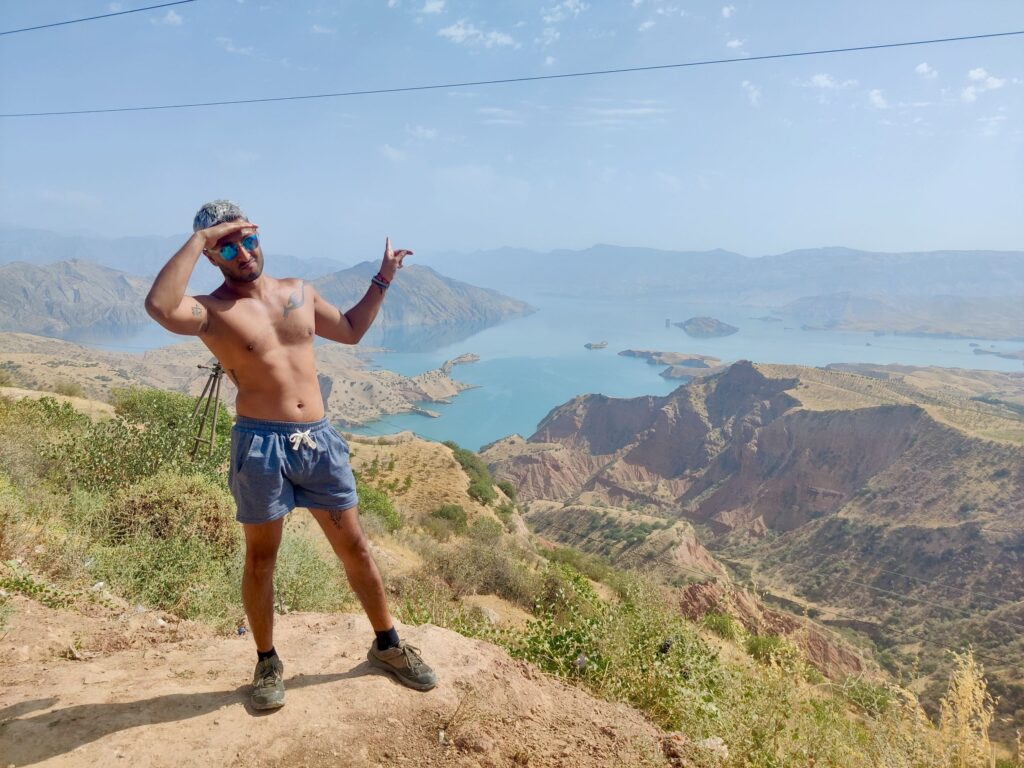
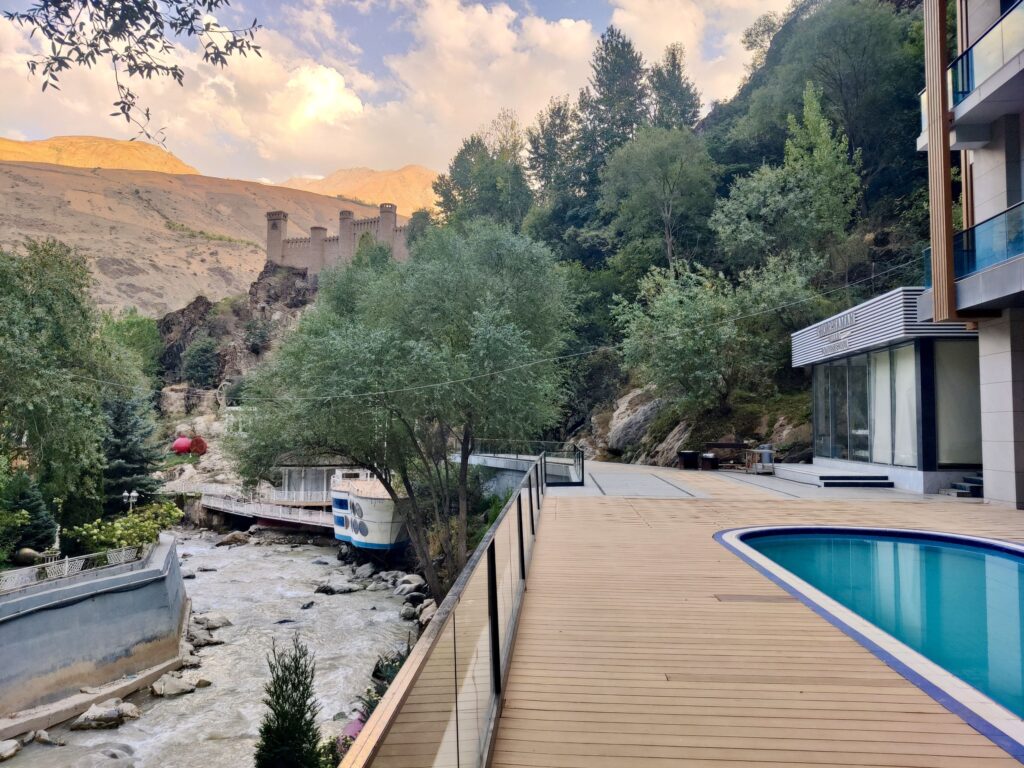
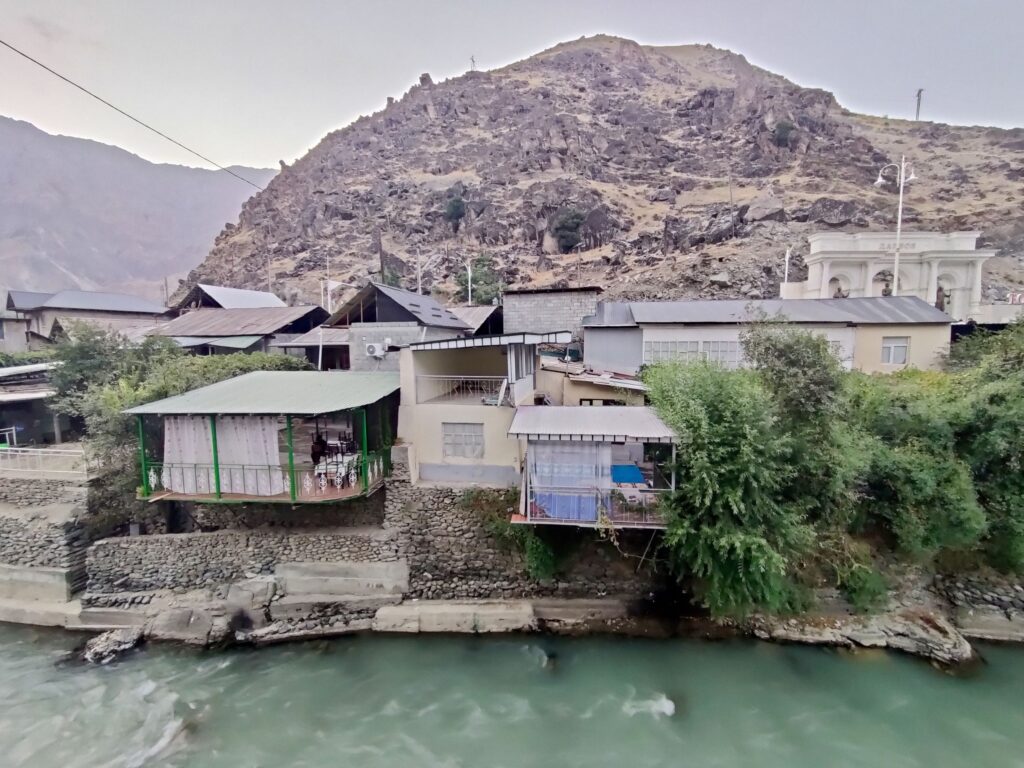
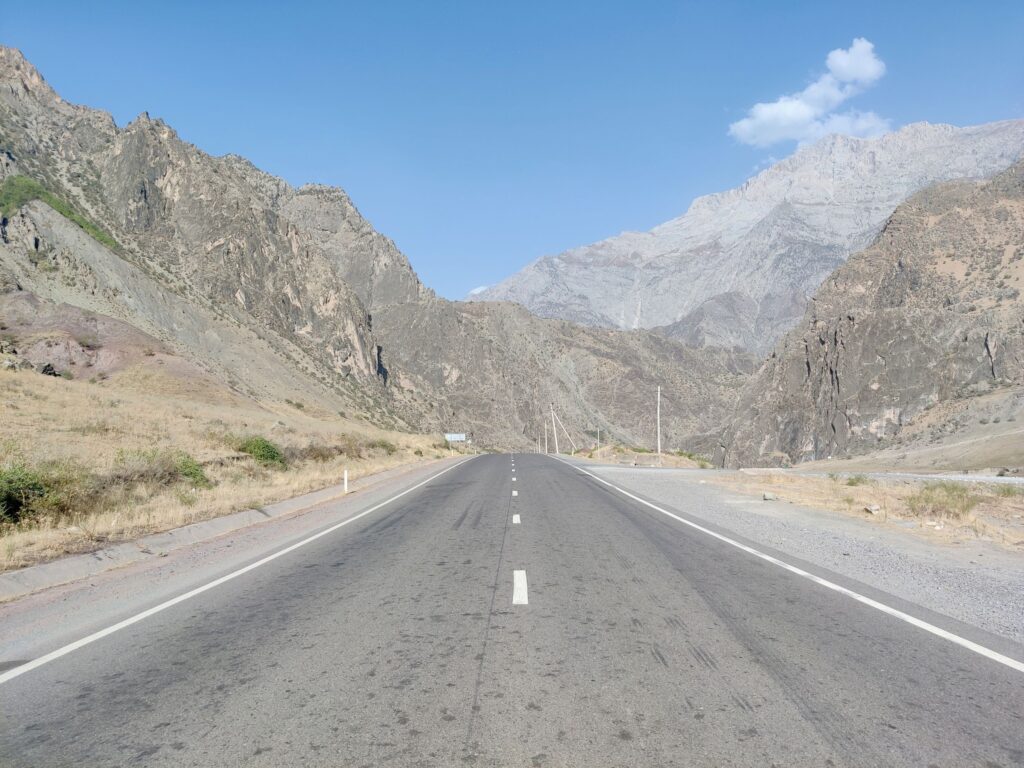
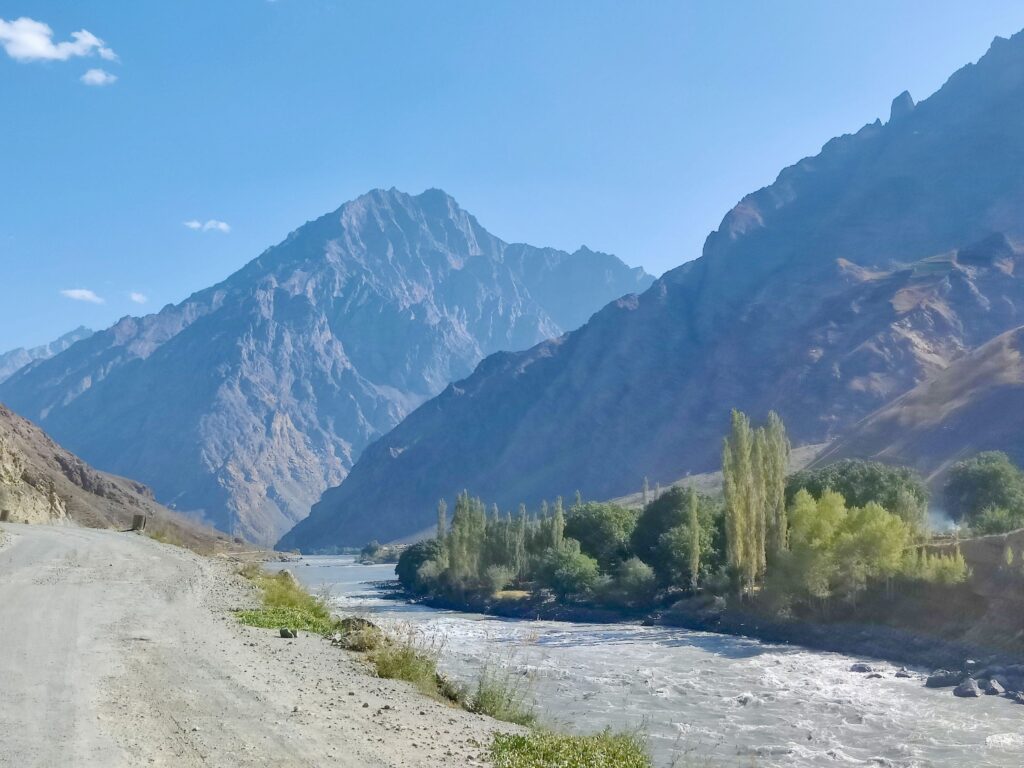
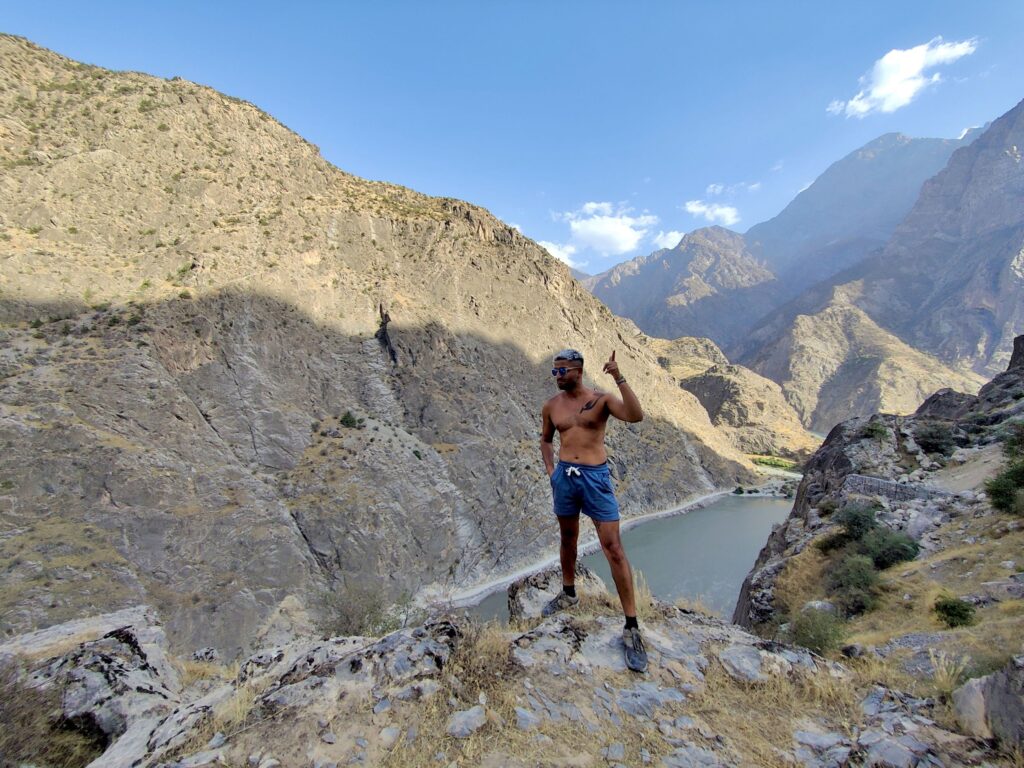
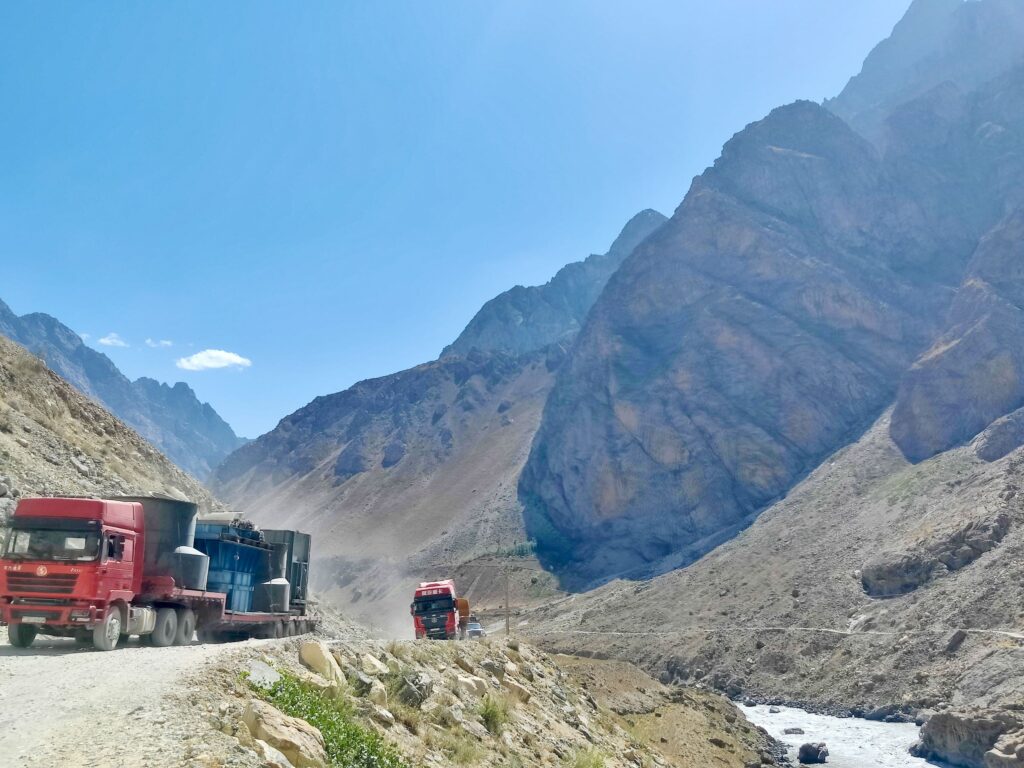
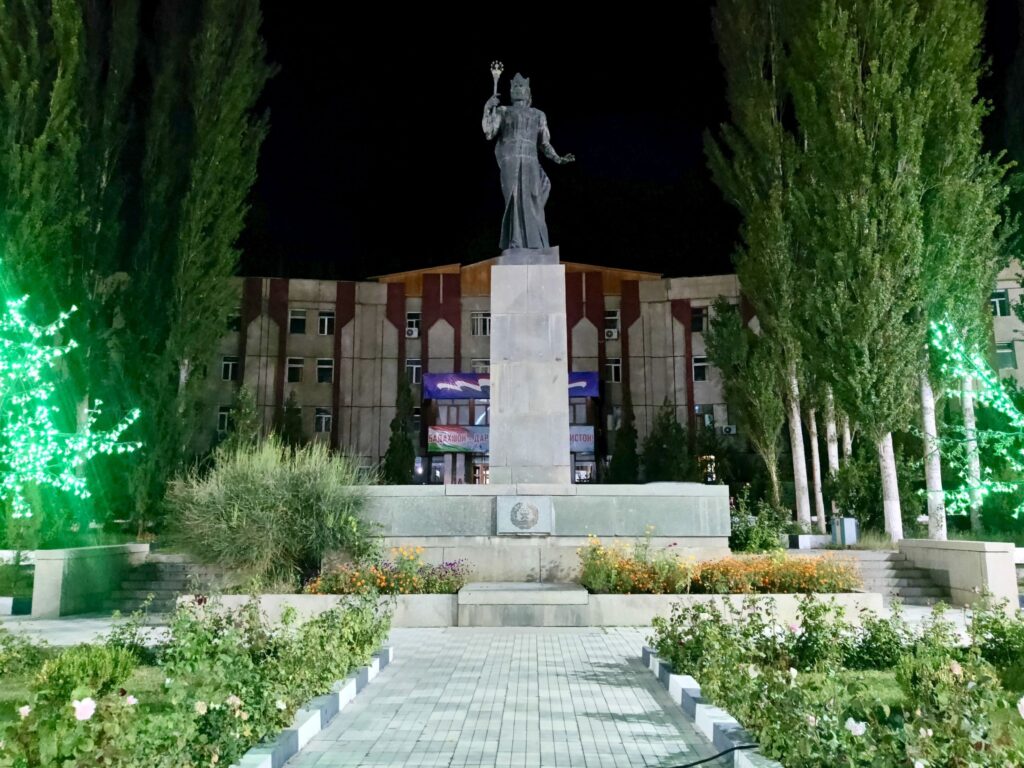
Pamir Highway: Days 1 & 2
ITINERARY
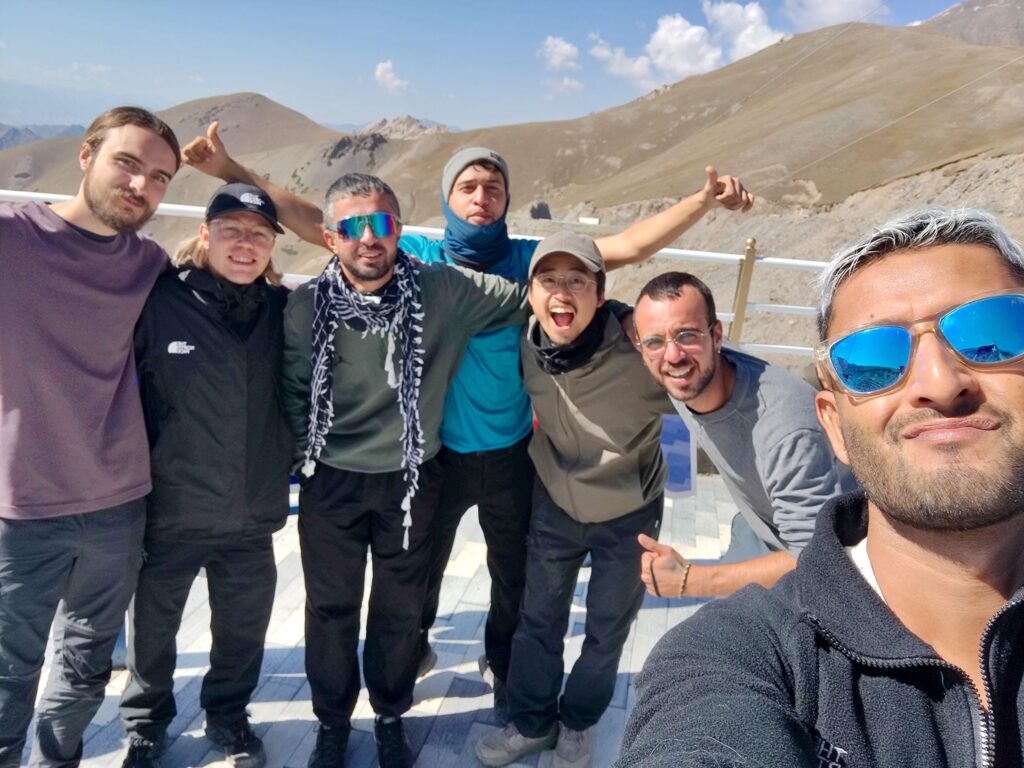
Turned out that every member of our six-strong tour group was staying at Green House, though we didn’t all know it at the time. We convened at Dushanbe Mall the next morning and spent the following, memorable week together:
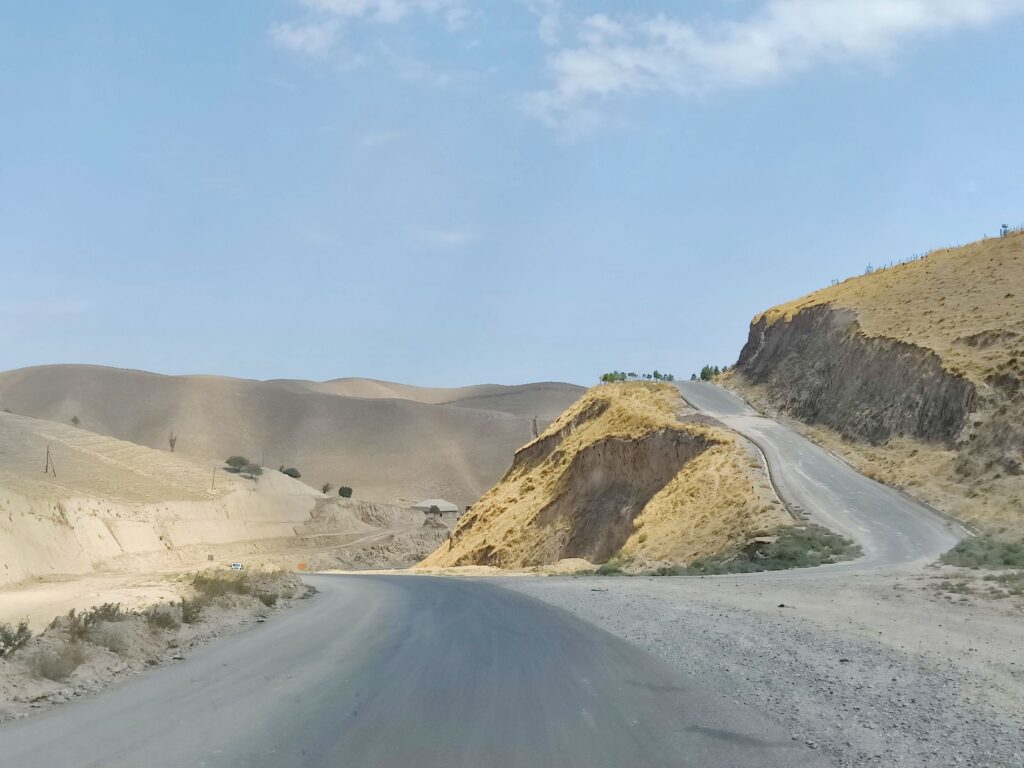
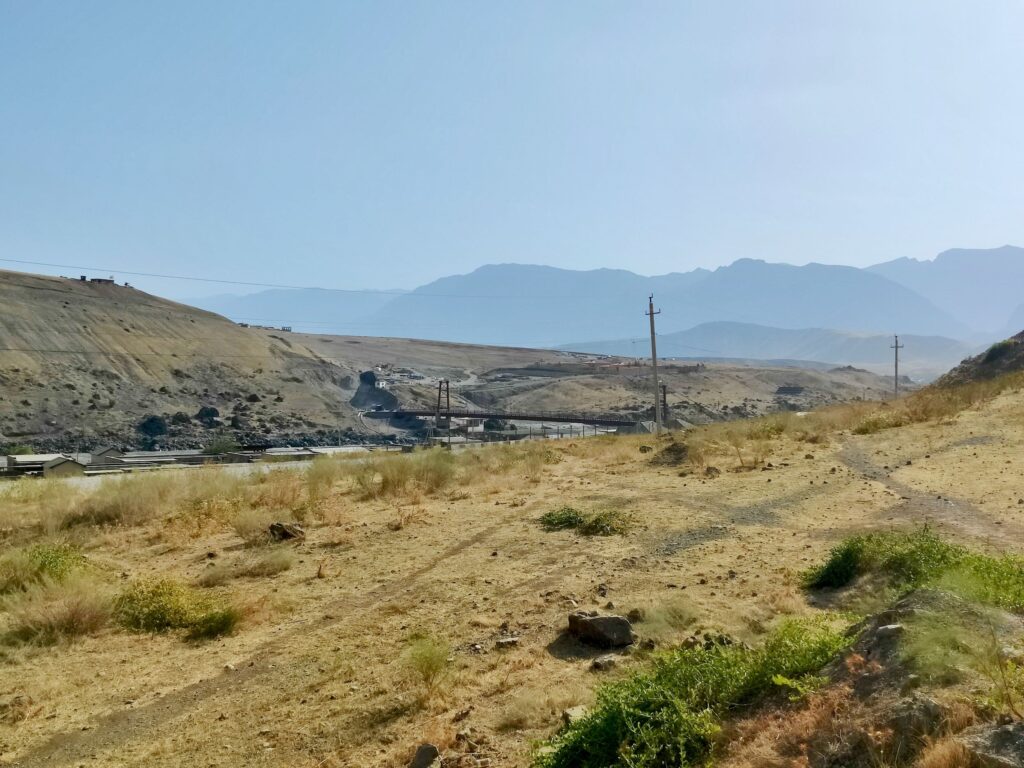
Day 1: Dushanbe to Kalai-Khumb. This was a drive into the GBAO which in hindsight was relatively unspectacular (a few nondescript towns, lots of dusty roads), but was enriched by the sheer novelty of being on the Pamir Highway after wanting it for so long. We stopped at the visually-arresting Nurek Resrvoir and were thrilled by our appraoch to Afghanistan – a land of trauma and injustice, but much speculation and curiosity too – which we drove alongside for a good chunk of the afternoon. There was a random visit to a ridiculously kitsch boutique hotel right on the border before we retired to the little village of Kalai-Khumb for the night.
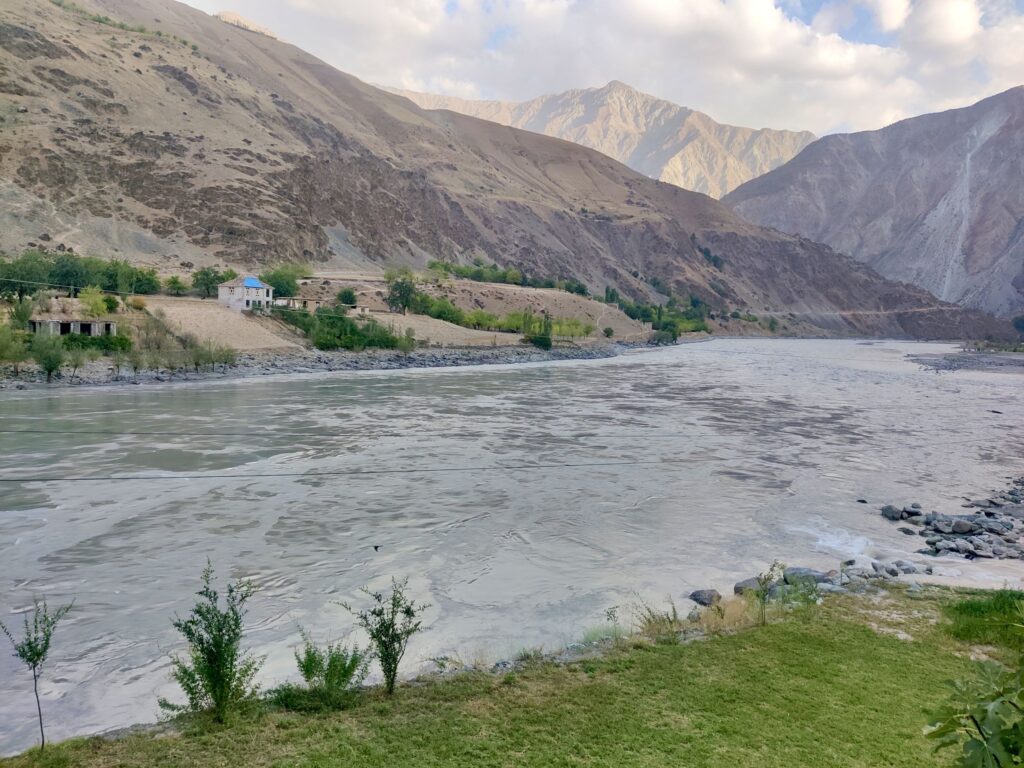
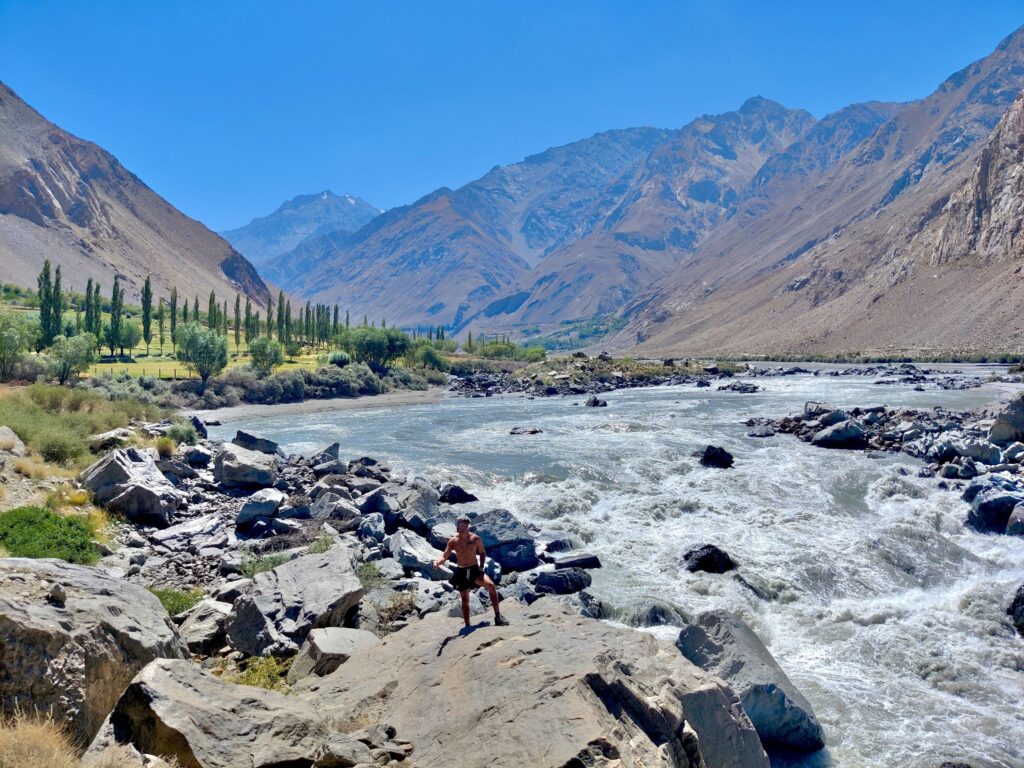
Day 2: Kalai-Khumb to Khorog. A shorter, straightforward drive. Still following the border (and therefore the tempestuous Panj River which often defines it). The Afghan side was notably more lush and green than the Tajik side, and there were points where the settlements across the river were so close we could see the villagers. We hauled an overturned car early in the morning – surprised we didn’t see more of these given the state of the roads tbh – but beyond that, there wasn’t much to remark upon for the day. Khorog is the capital of the GBAO and the only significant urban centre in the region so it offered the best accommodation and food options of the trip.
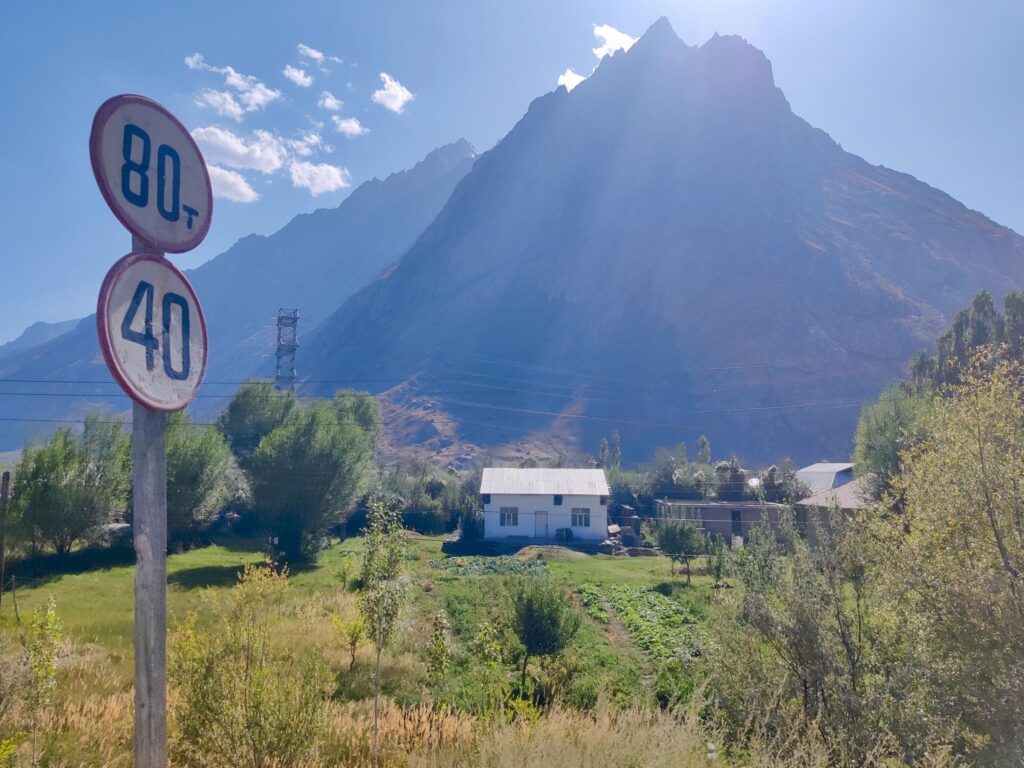
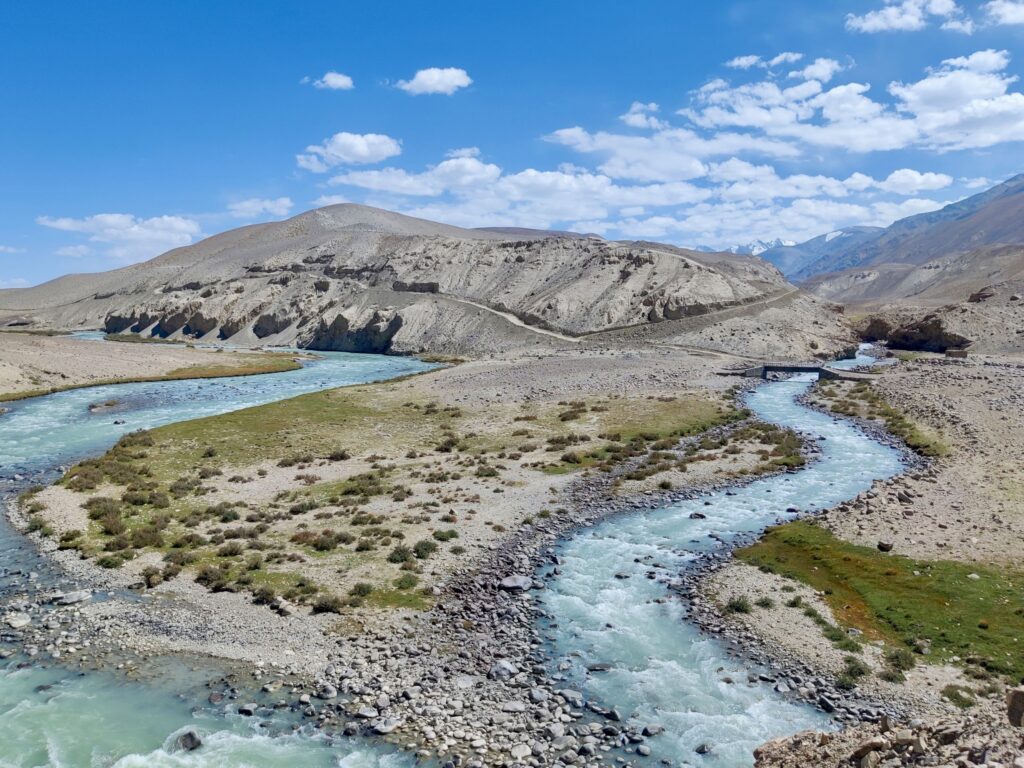
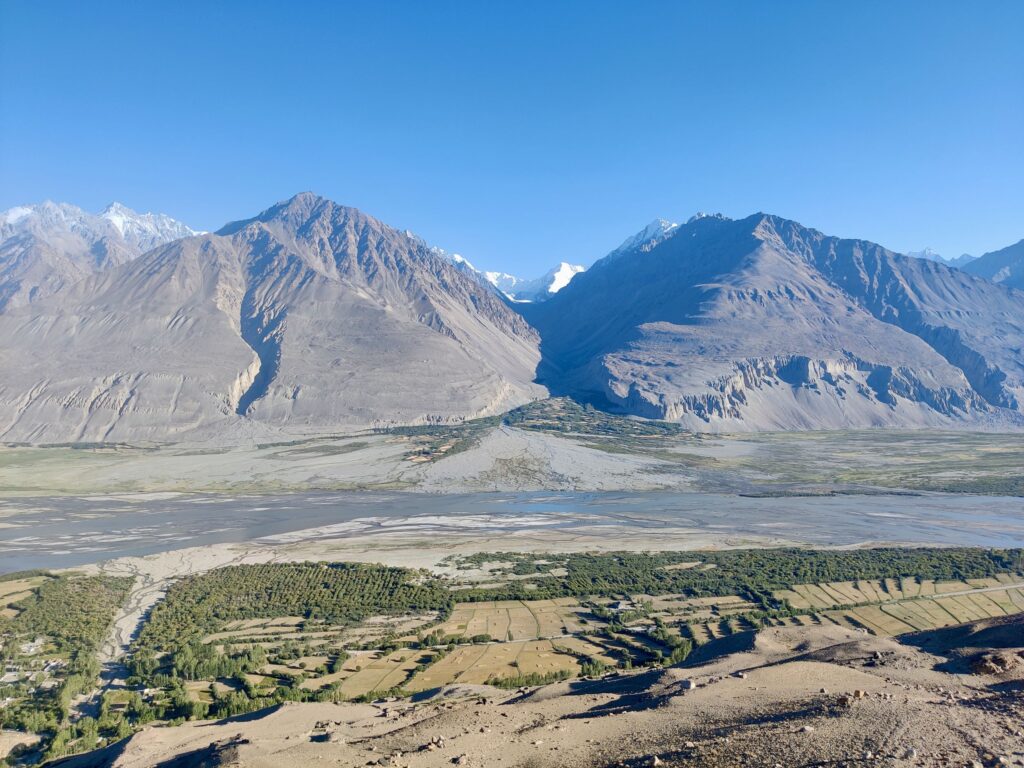
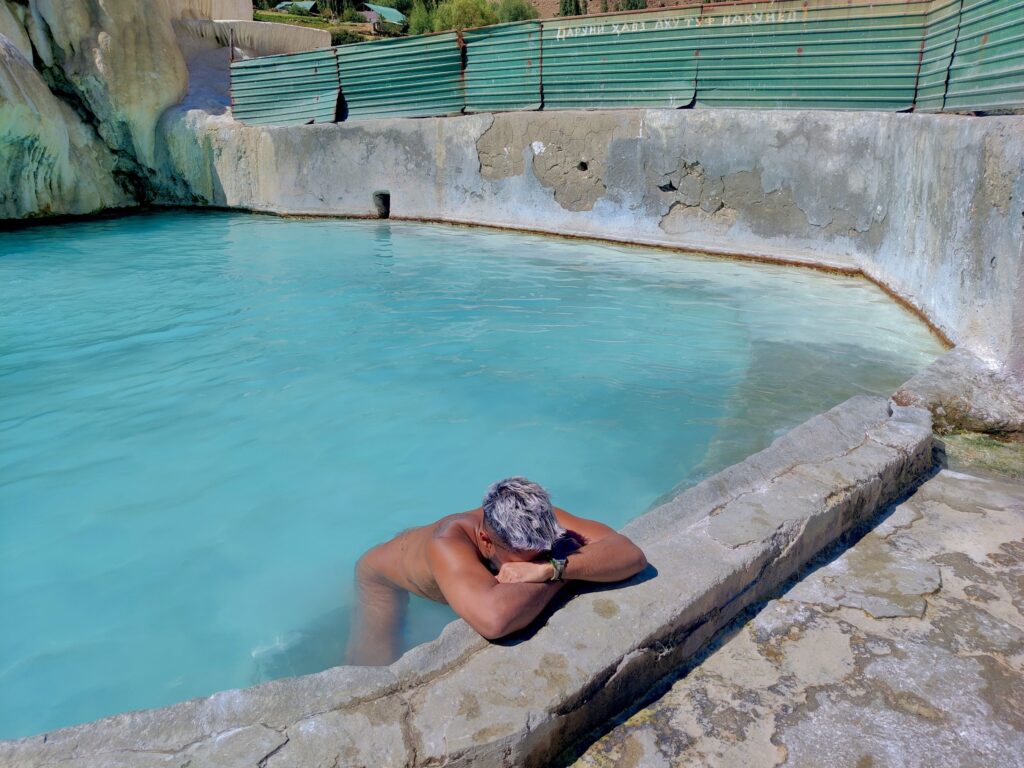
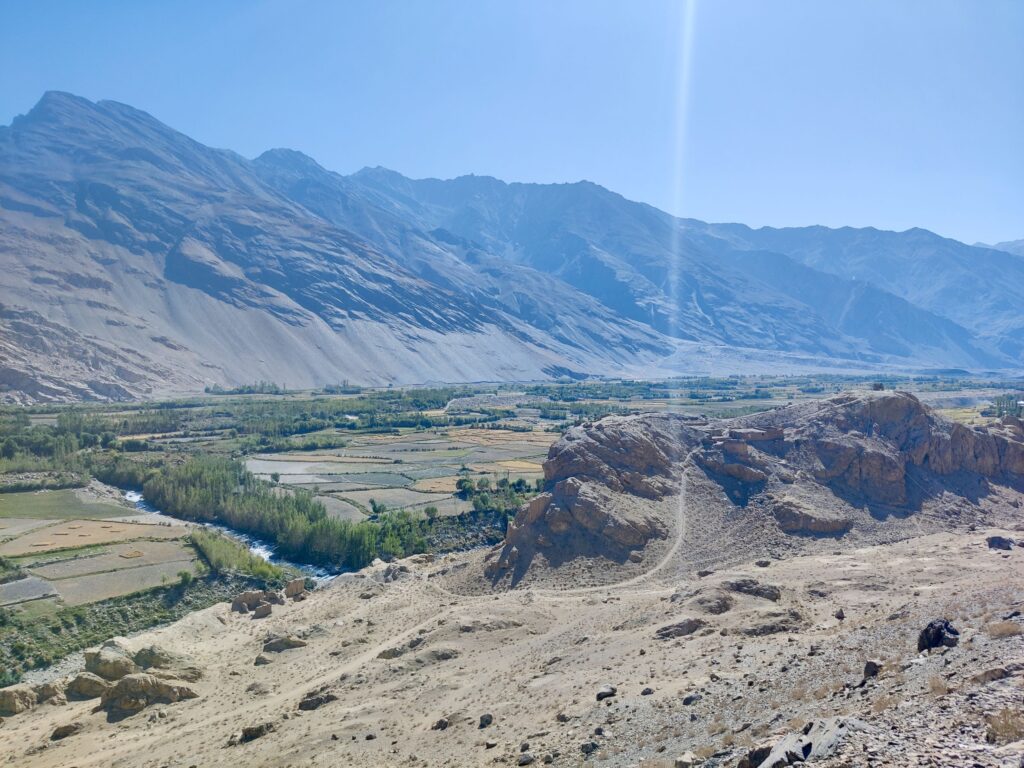
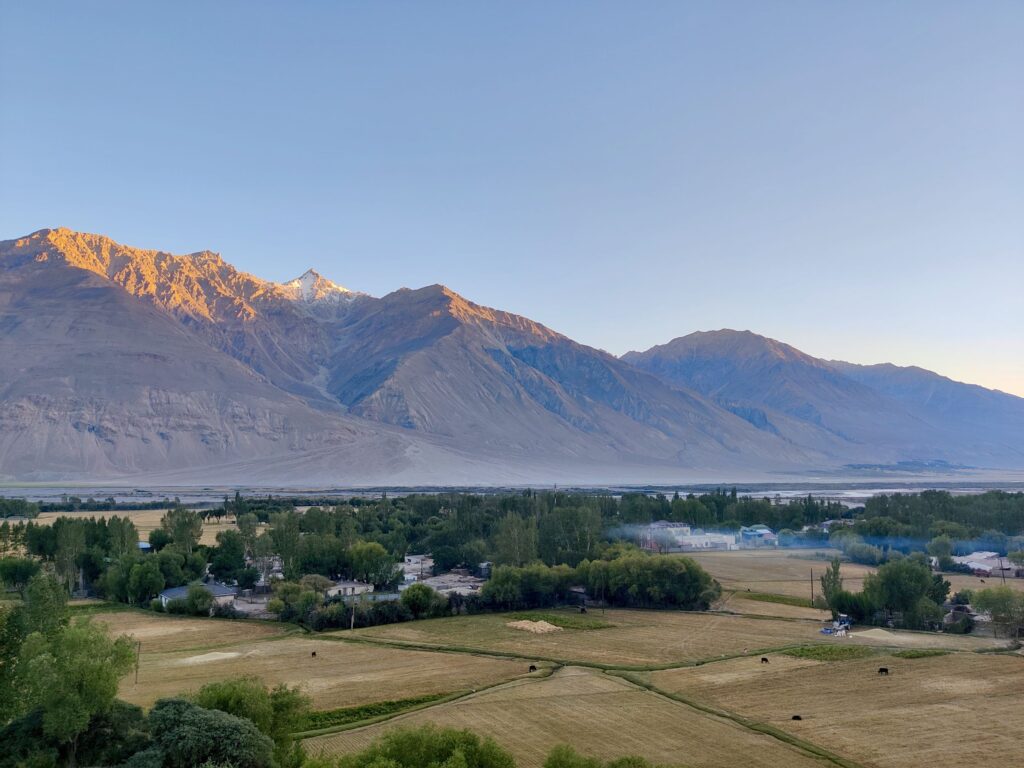
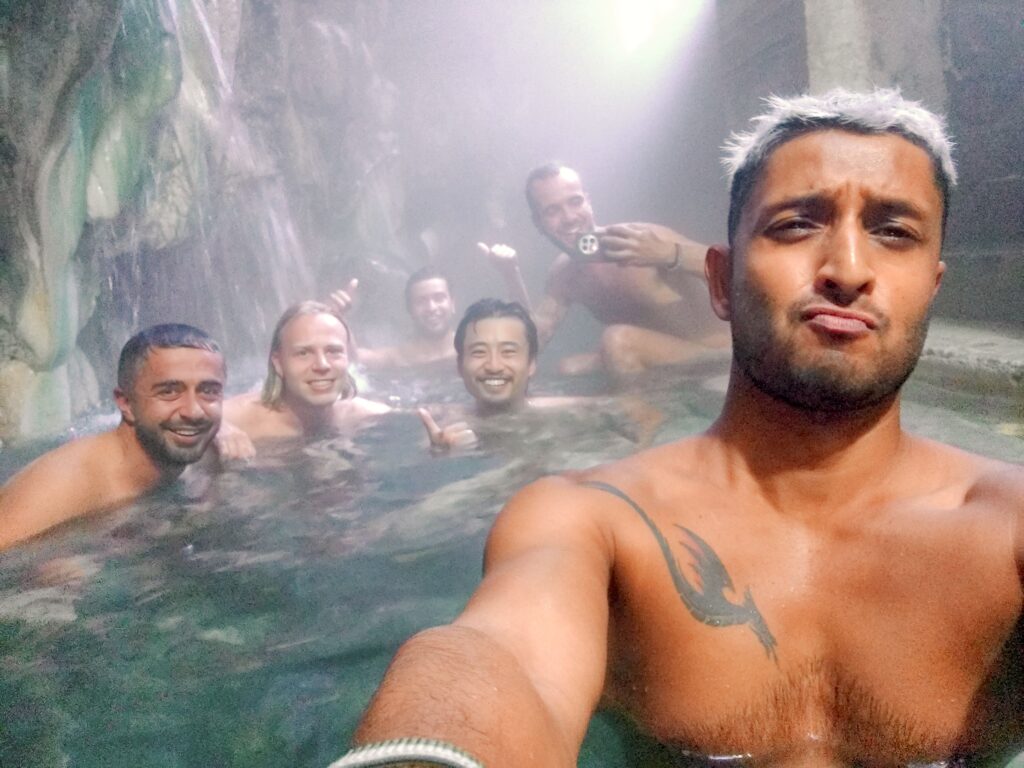
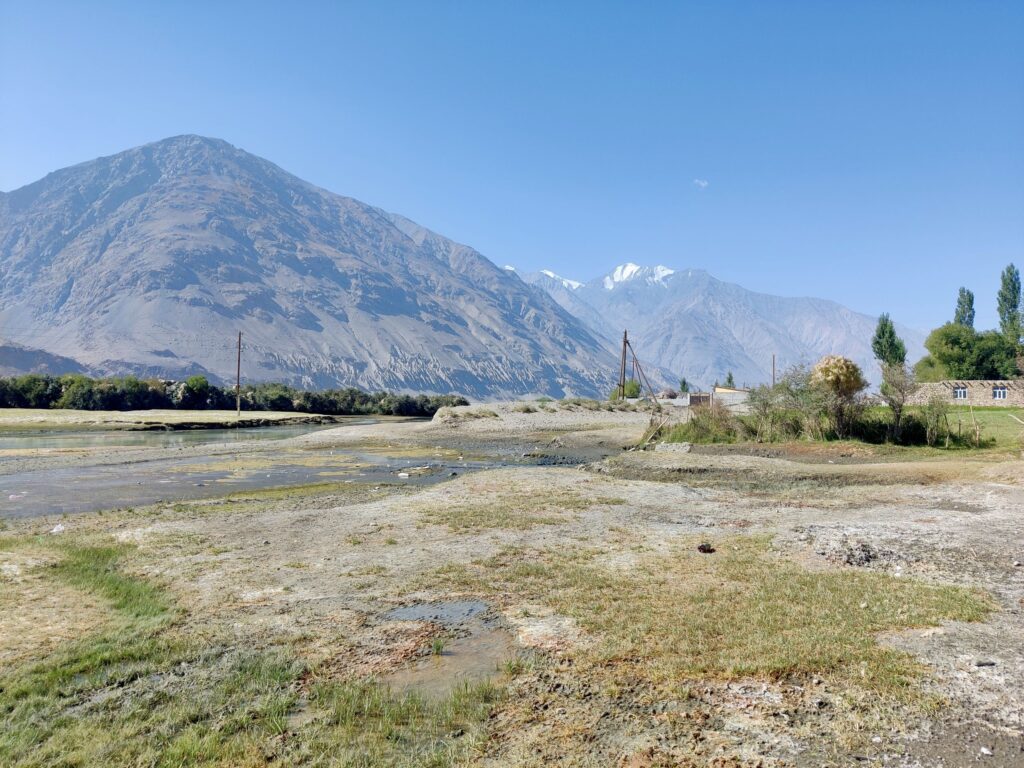
Day 3: Khorog to Zong. The most action-packed, fun-filled day! We hit up two hot springs (Garm Chashma and Bibi Fatima – both of which unexpectedly required us to be butt-naked which was quite the bonding experience), two ancient fortresses (Kah-Kakha and Yamchun, each offering spectacular views), hiked to a Buddhist stupa (slightly marred by a bunch of drunks that were clambering all over it), and soaked up the majestic scenery of the Wakhan Valley. The mountain ranges were getting more spectacular, with the Hindu Kush and taller peaks from nearby Pakistan visible in the distance. Had to stop at a guesthouse without WiFi before our intended destination in Langar due to darkness, but enjoyed some beers in the evening to make up for it.
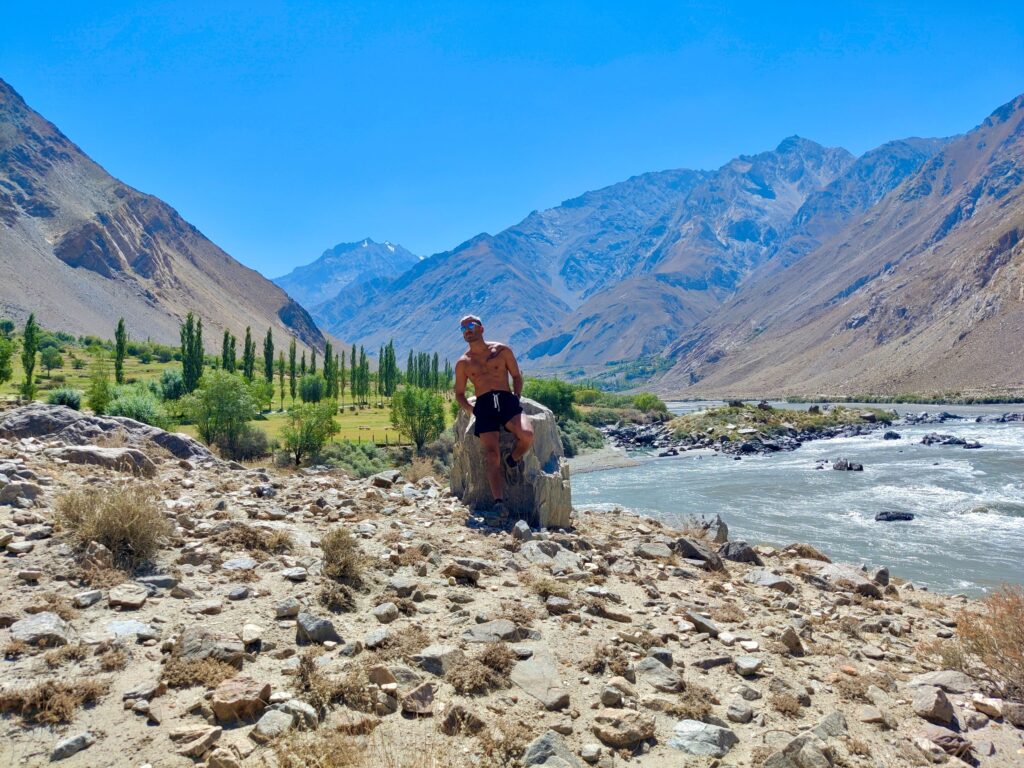
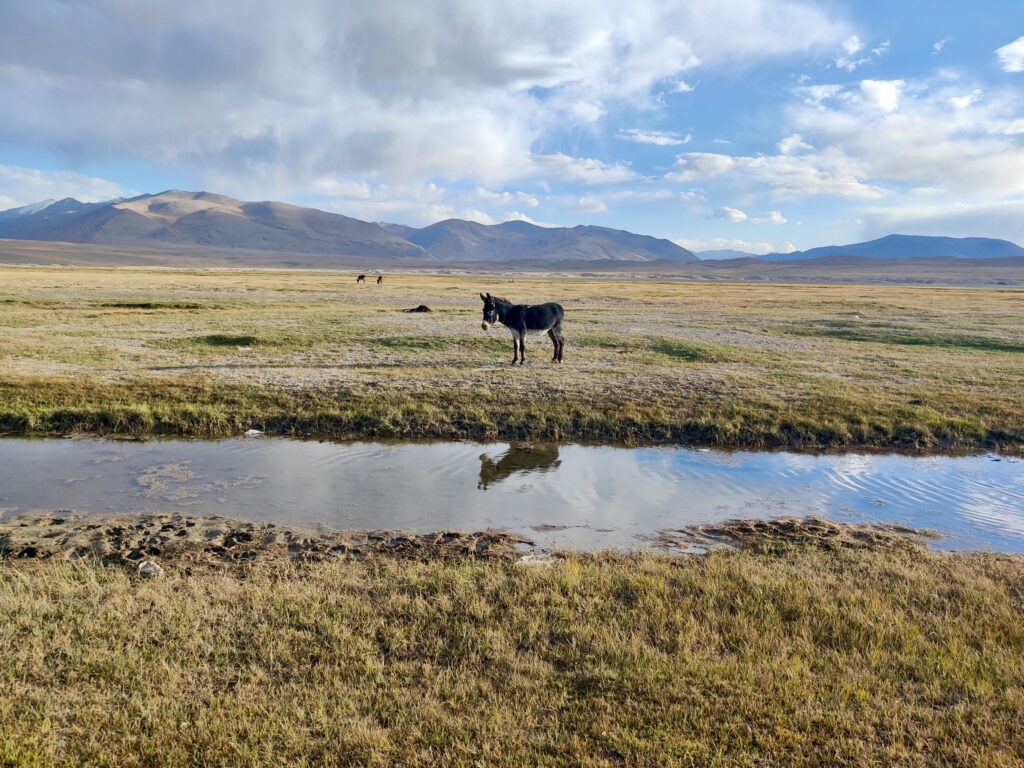
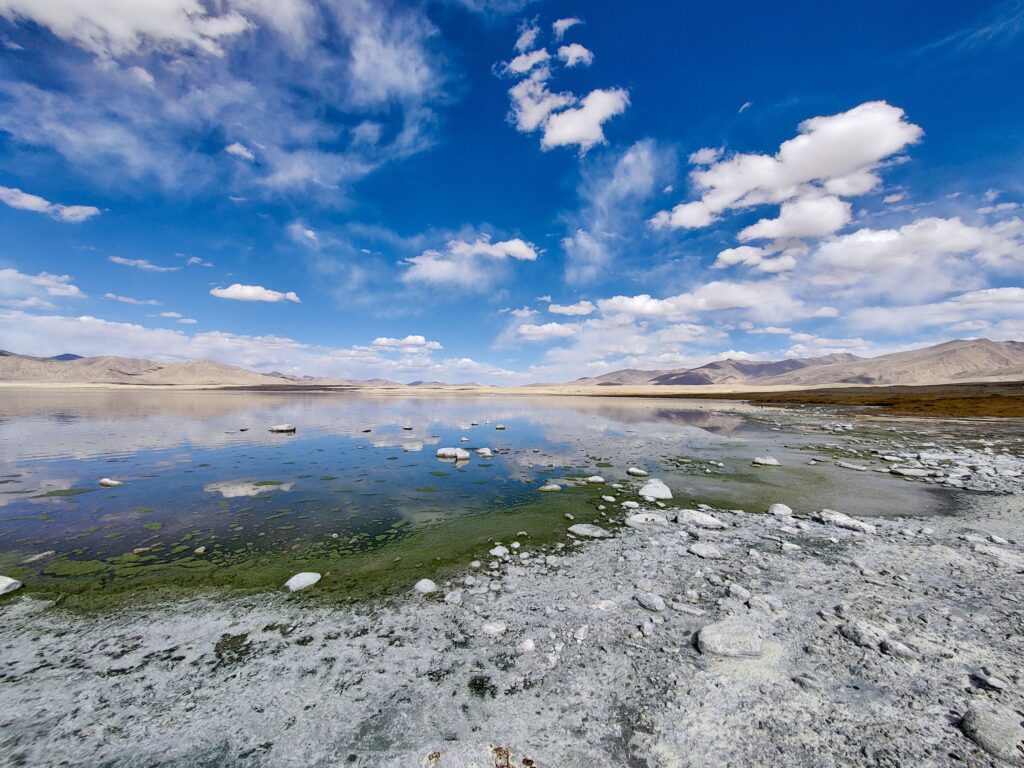
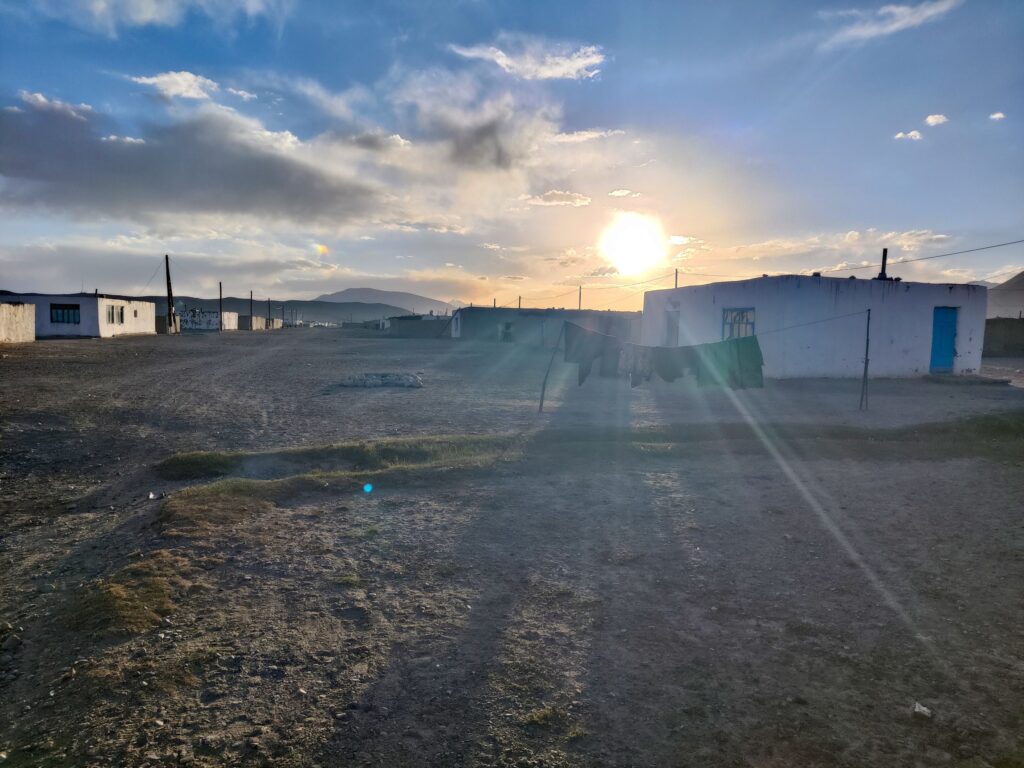
Pamir Highway: Days 3 & 4
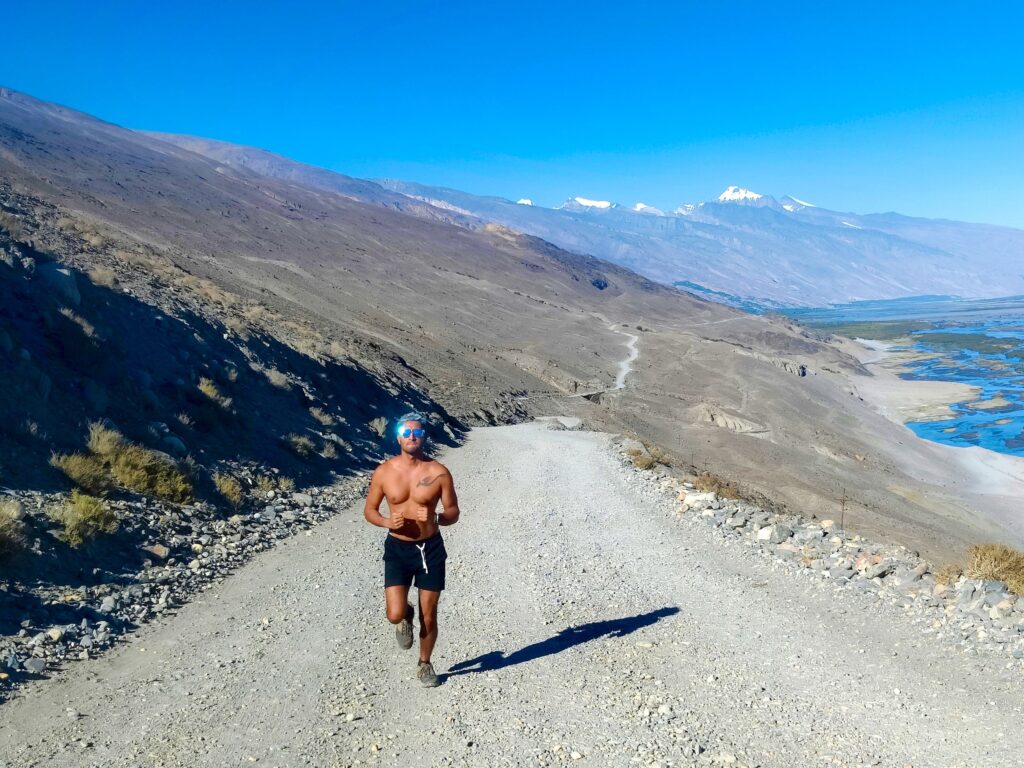
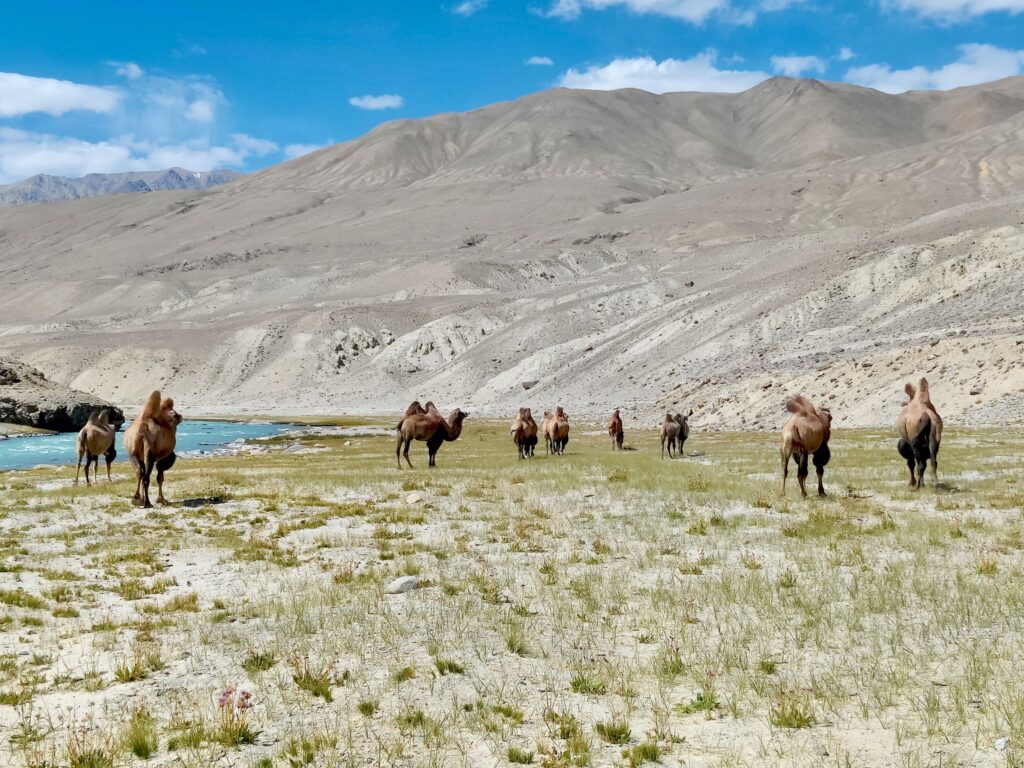
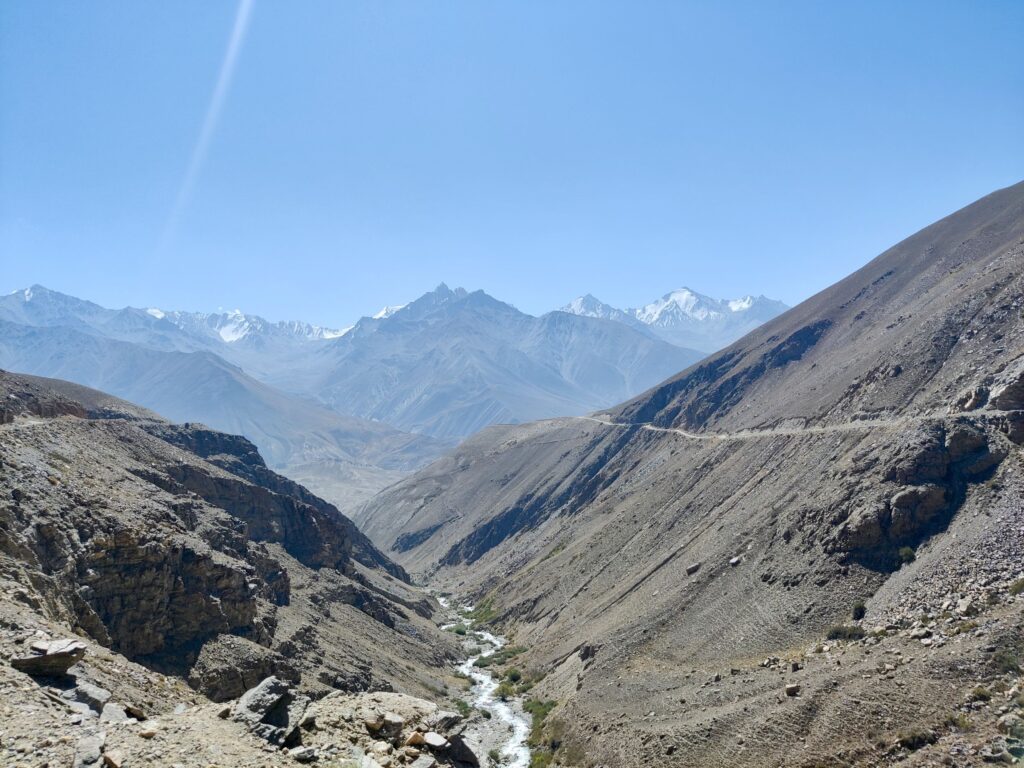
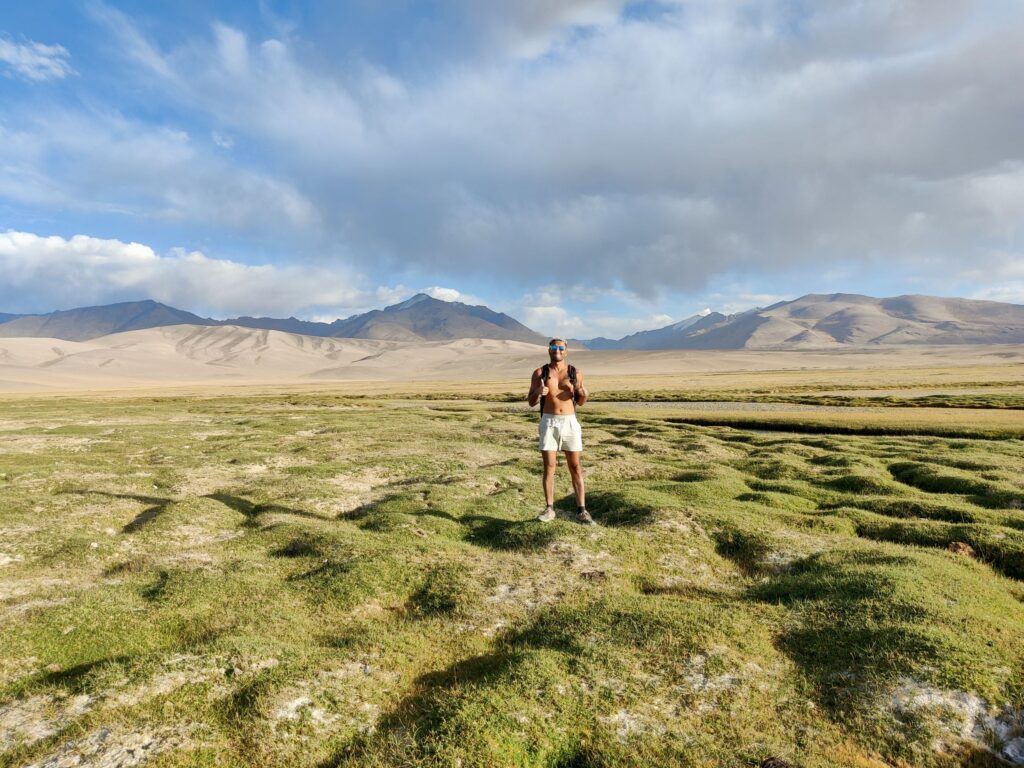
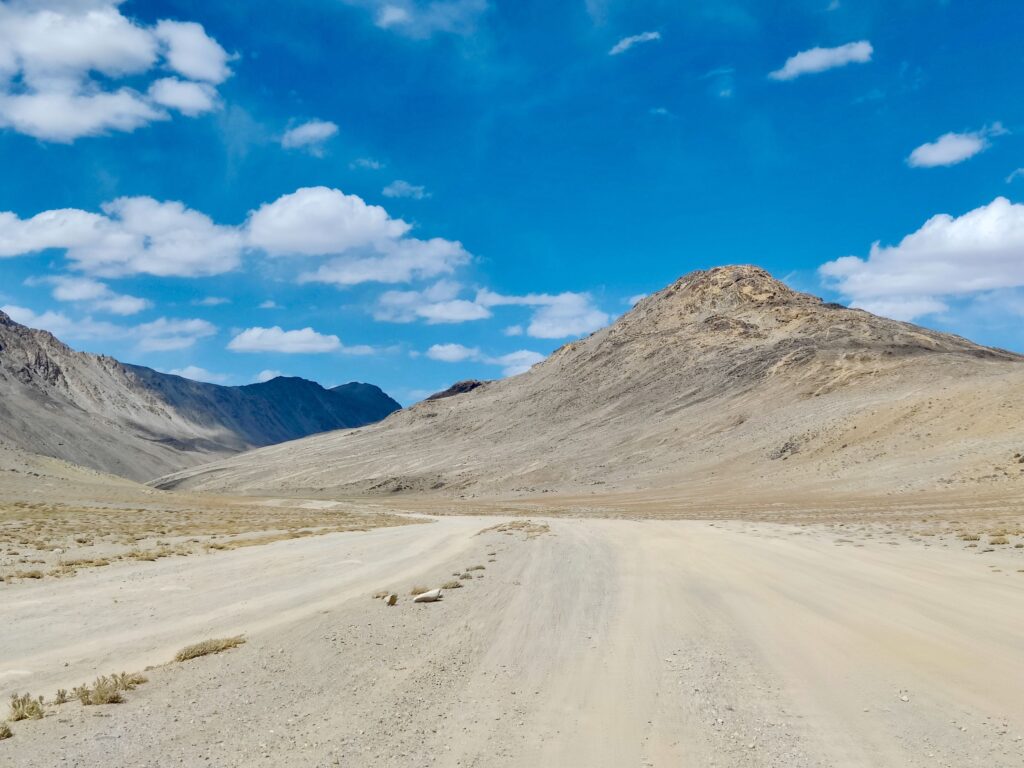
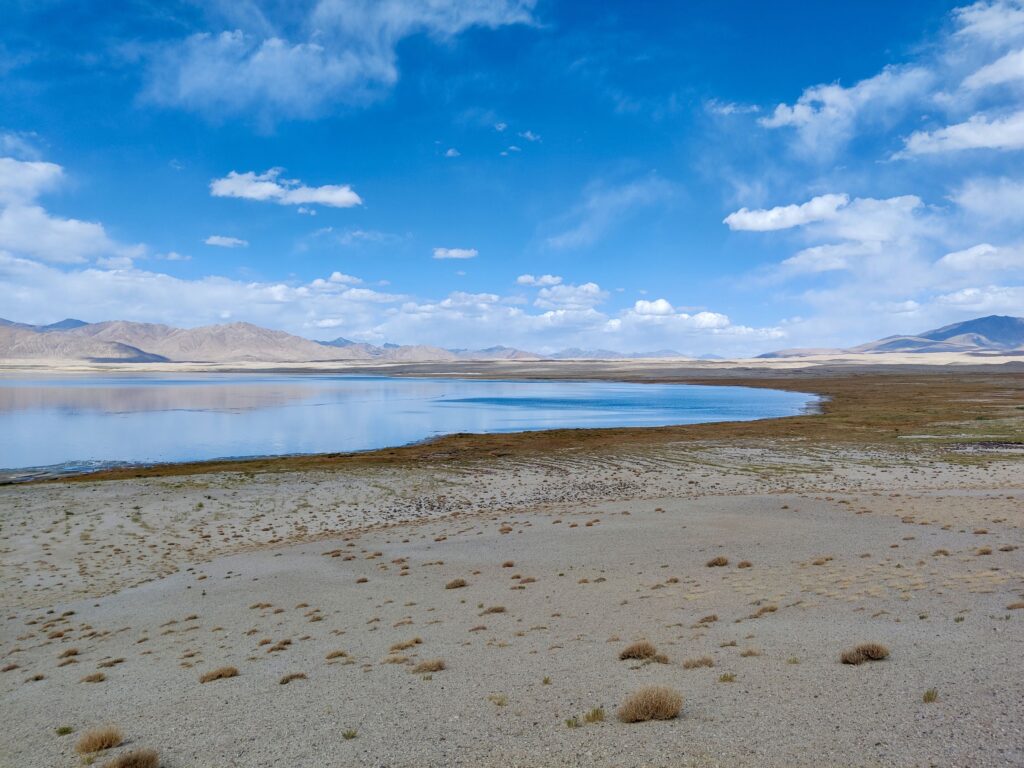
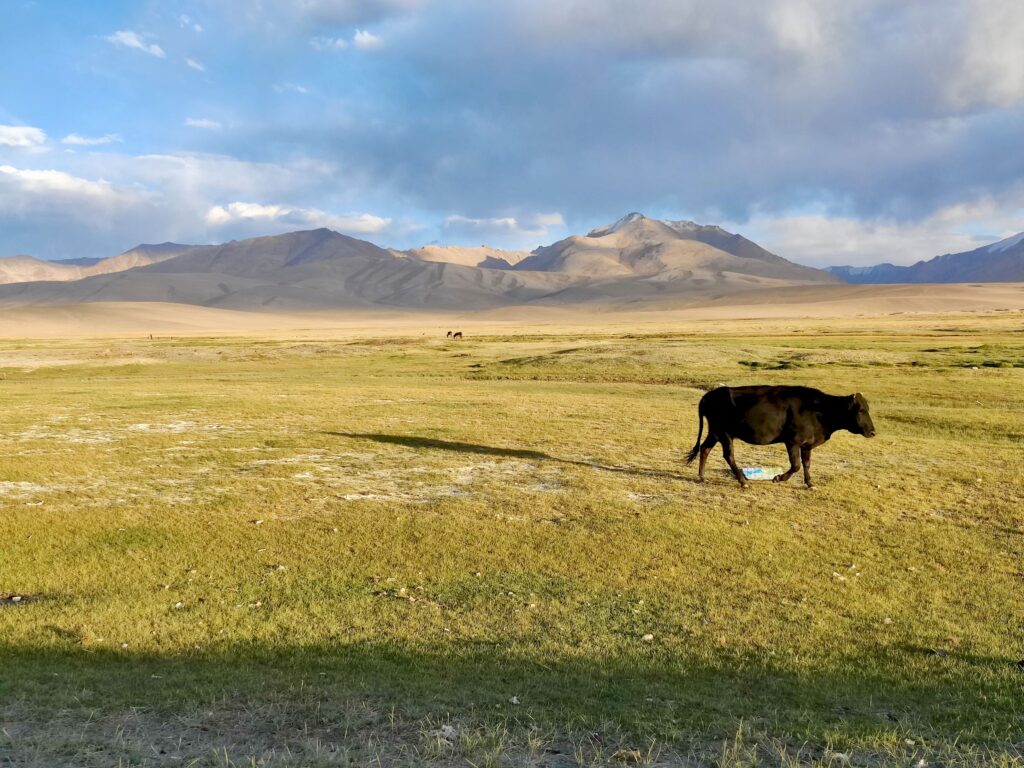
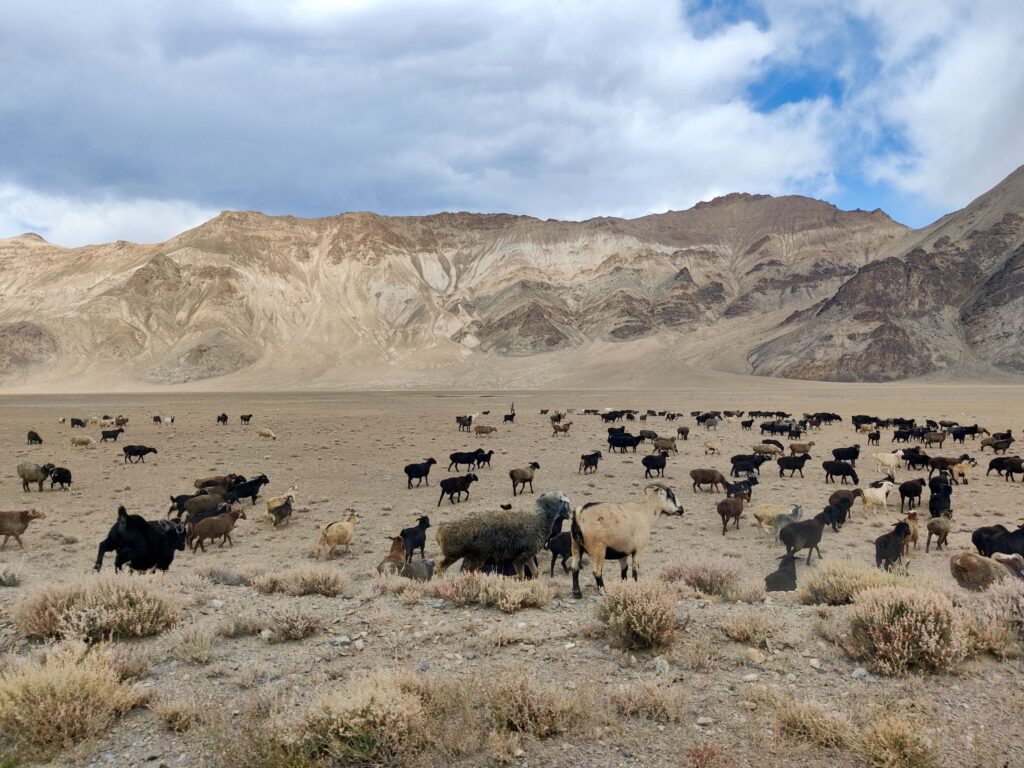
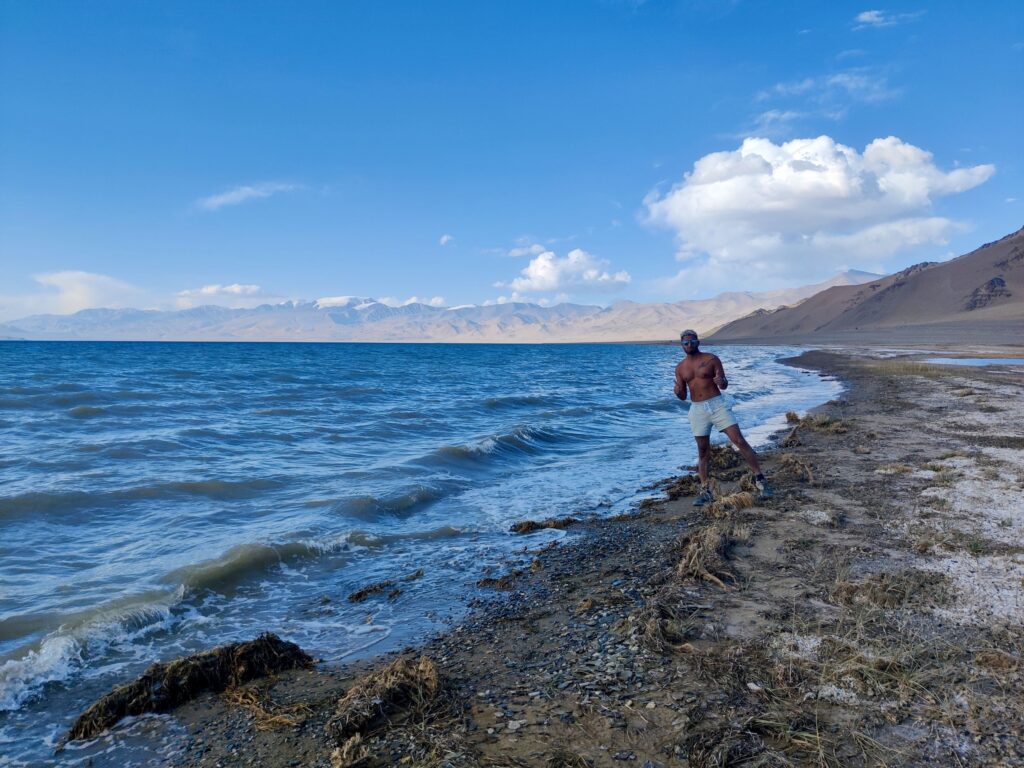
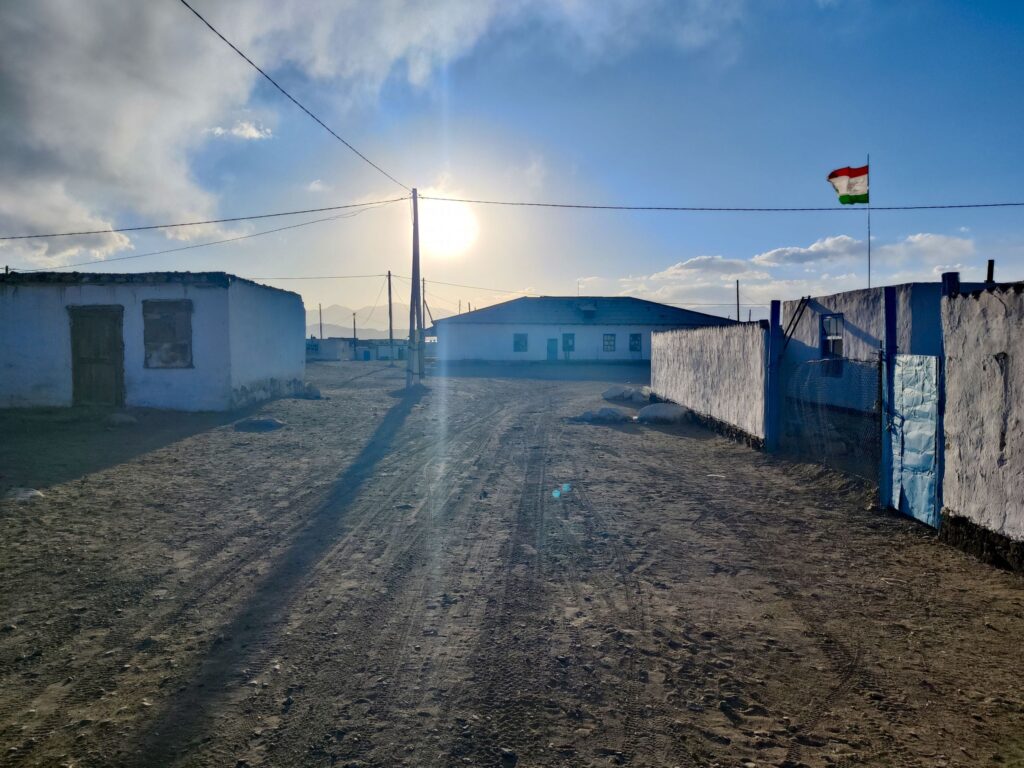
Day 4: Zong to Alichur. Spent the morning winding through some very precarious mountain paths, and reaching a stretch of the Wakhan Corridor so remote that the fencing and military patrols which defined the border earlier were now absent. Afghanistan was near enough that we could swim across the river to reach it if we’d wanted to (though the Panj’s unruly currents would say otherwise). We then left the Wakhan and started heading north. Highlights were chasing a random camel herd, the incredible vistas of sulfurous Lake Sasikul, and the lunar landscapes that defined our approach to Alichur – a settlement in incredibly harsh terrain almost 4000m high. No idea how plants and animals persevere here, let alone humans. We spent the night in a yurt, again without WiFi, though fortunately with plenty of village animals to provide distraction.
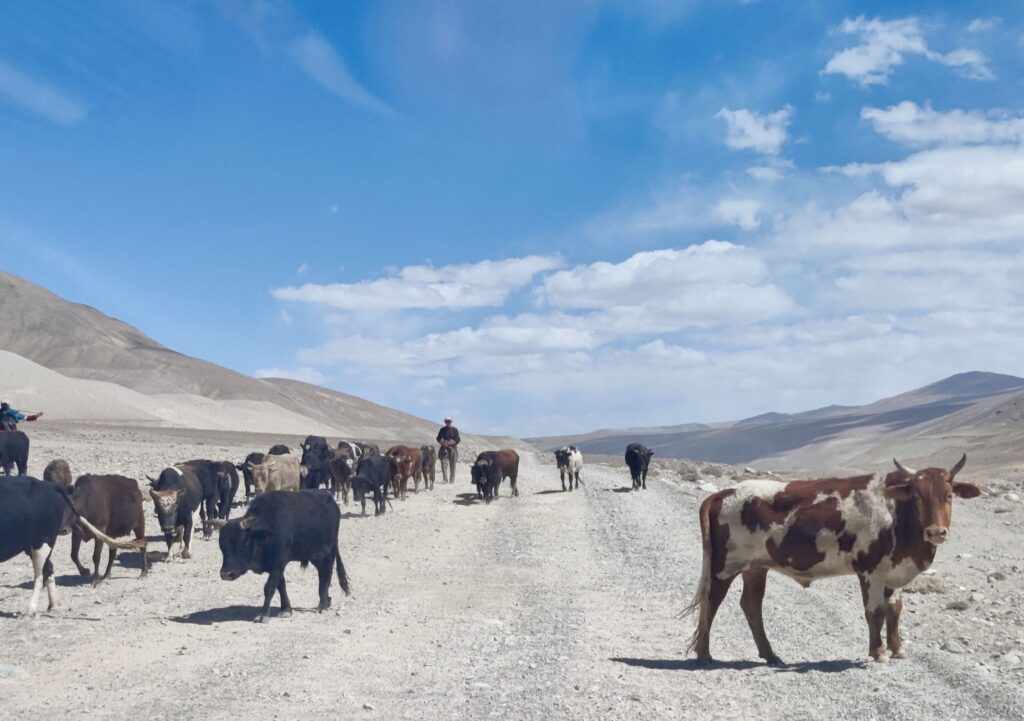
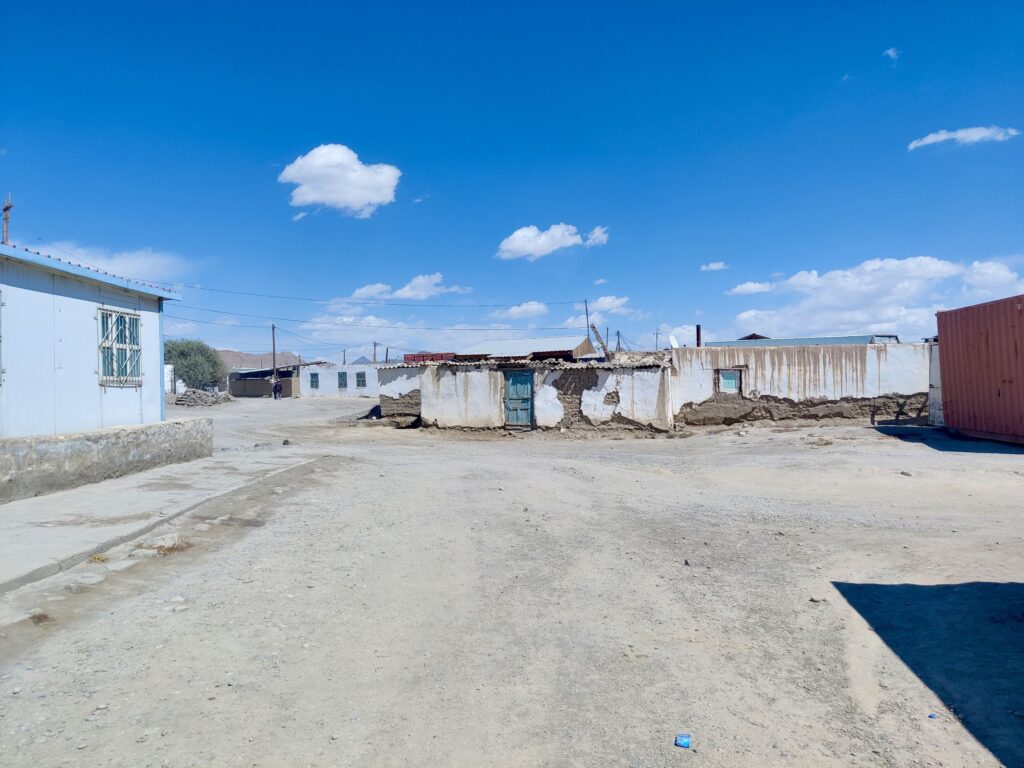
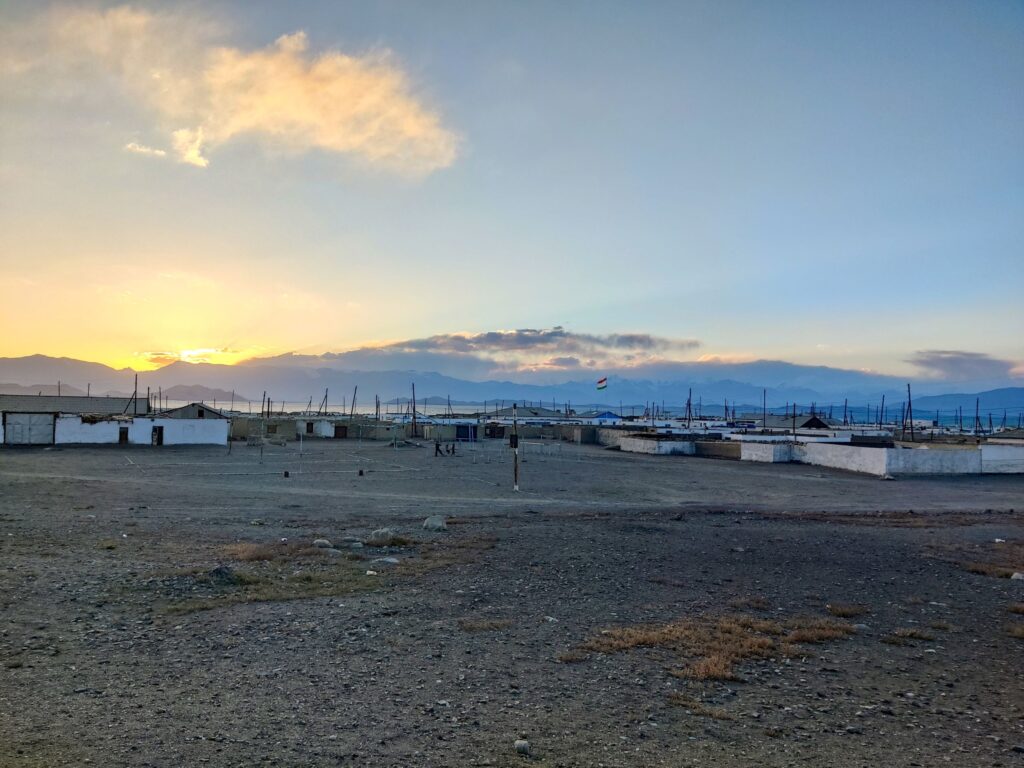
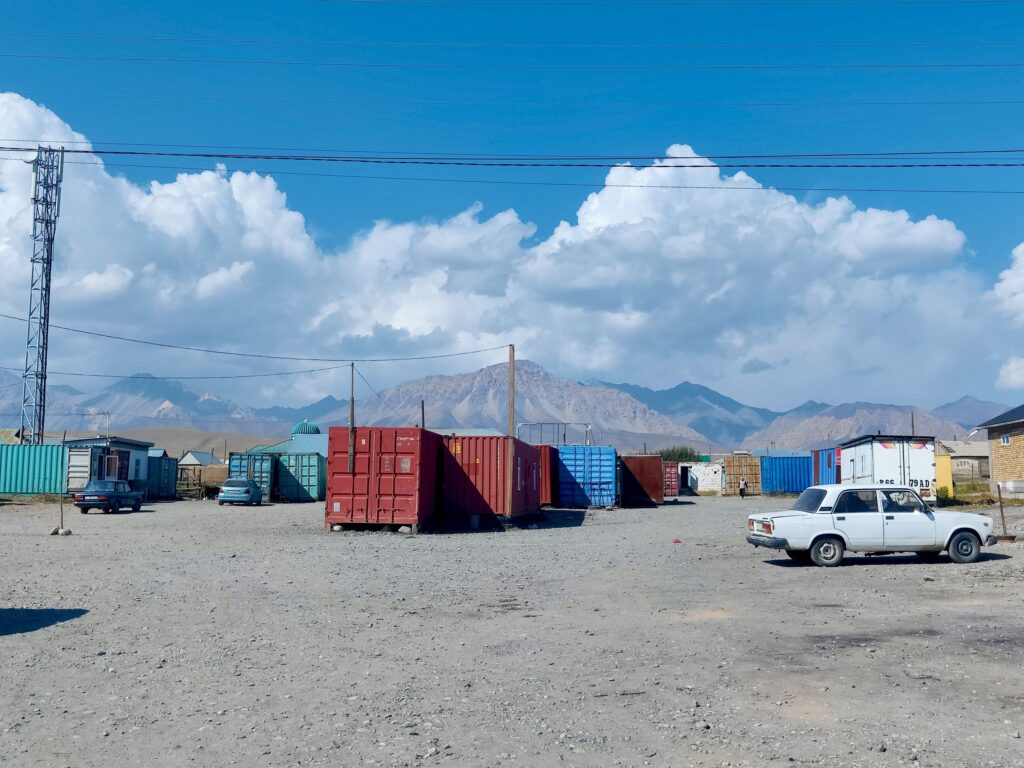
Day 5: Alichur to Karakul. Unexpected visit to a Snow Leopard ‘Sanctuary’ which was both beautiful (they’re gorgeous, gorgeous beings) and disheartening (I’m not convinced they’re treated well and I hate animals being in enclosures). Stopped for lunch in Murghab, the GBAO’s second largest ‘town’ – a fascinating curio, defined by its use of shipping containers as buildings, and in terrain just as brutal as Alichur earlier. Reached the highest point of the trip, Ak-Baital Pass at close to 4700m, before descending to the windy af Lake Karakul at a mere 4000m and sleeping in the village on its shores. Again: desolate, severe, and mind-boggling to think that humans survive here. WiFi, a fully-vegetarian dinner, and a sauna in the guesthouse were surprising bonuses.
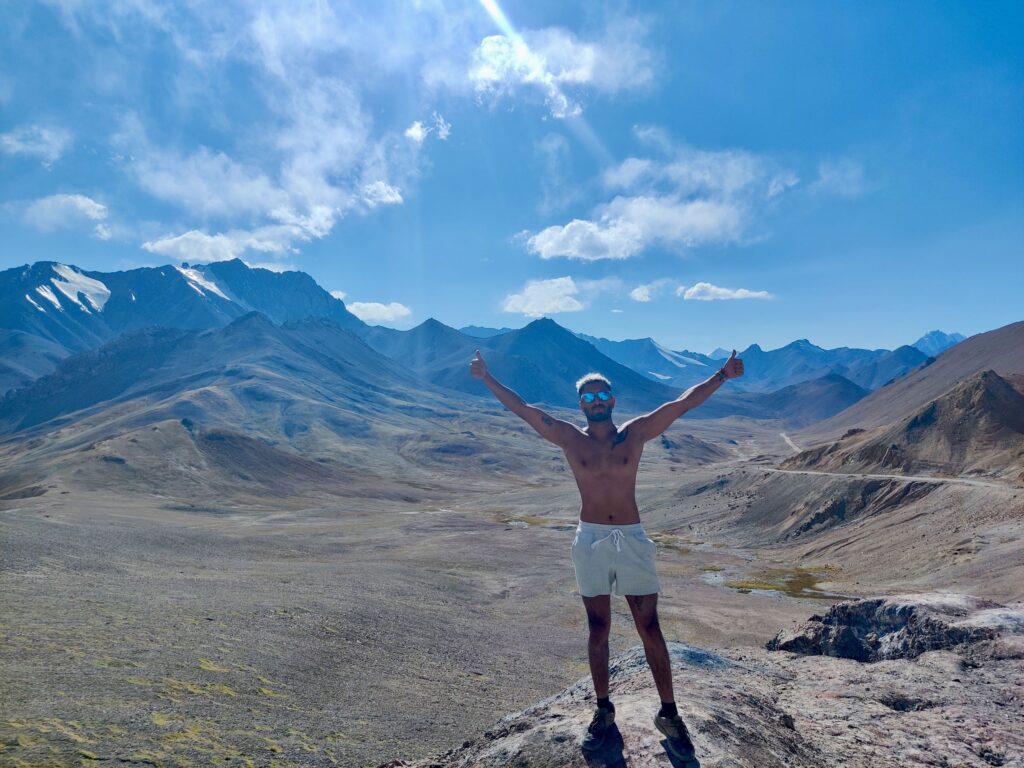
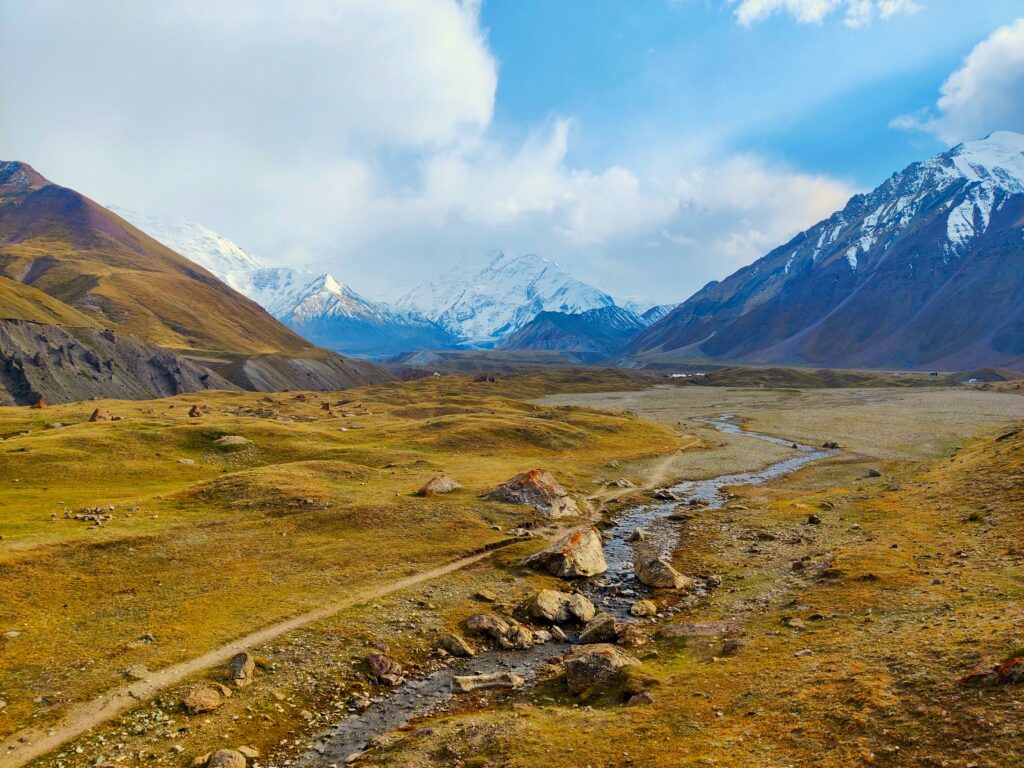
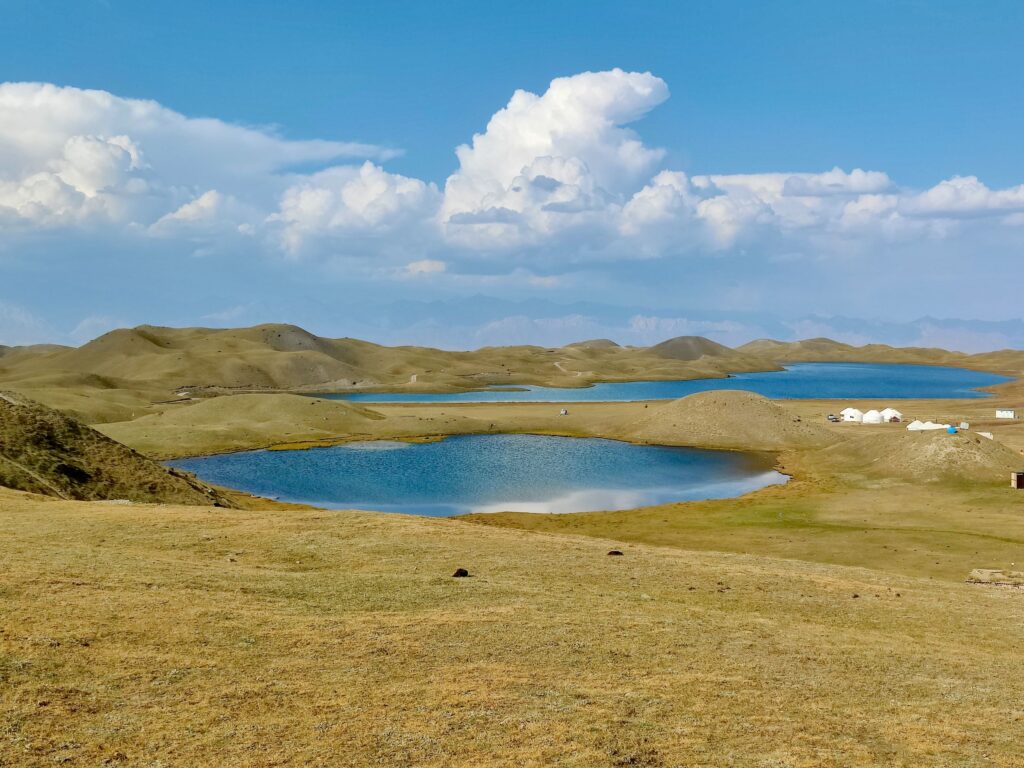
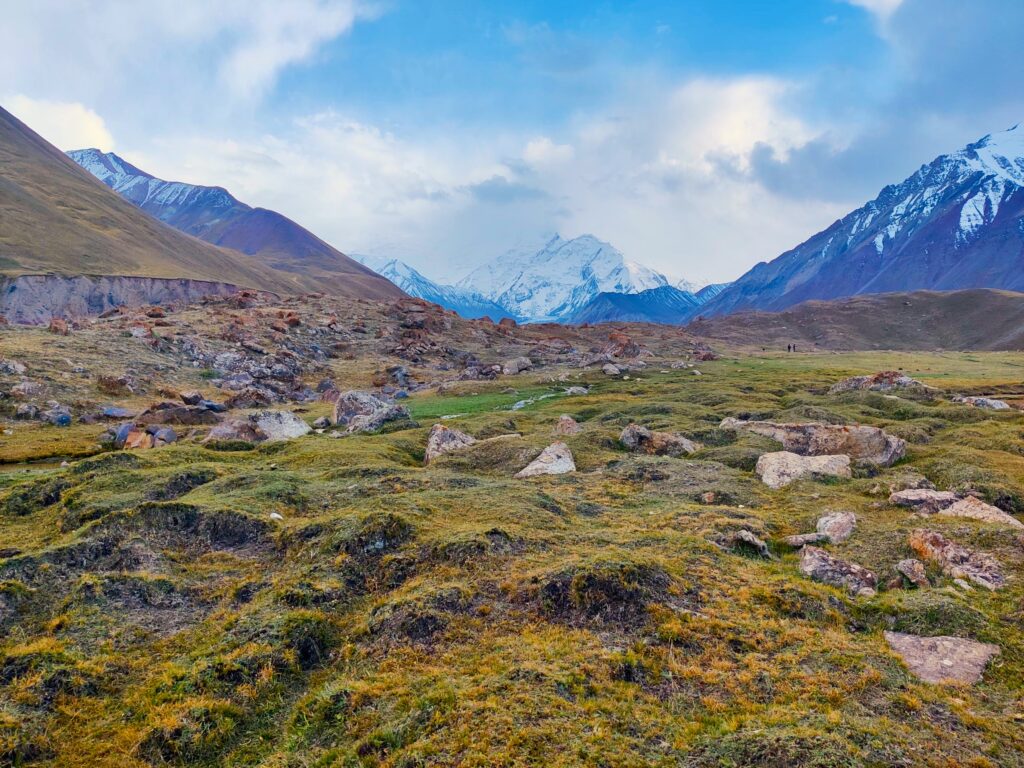
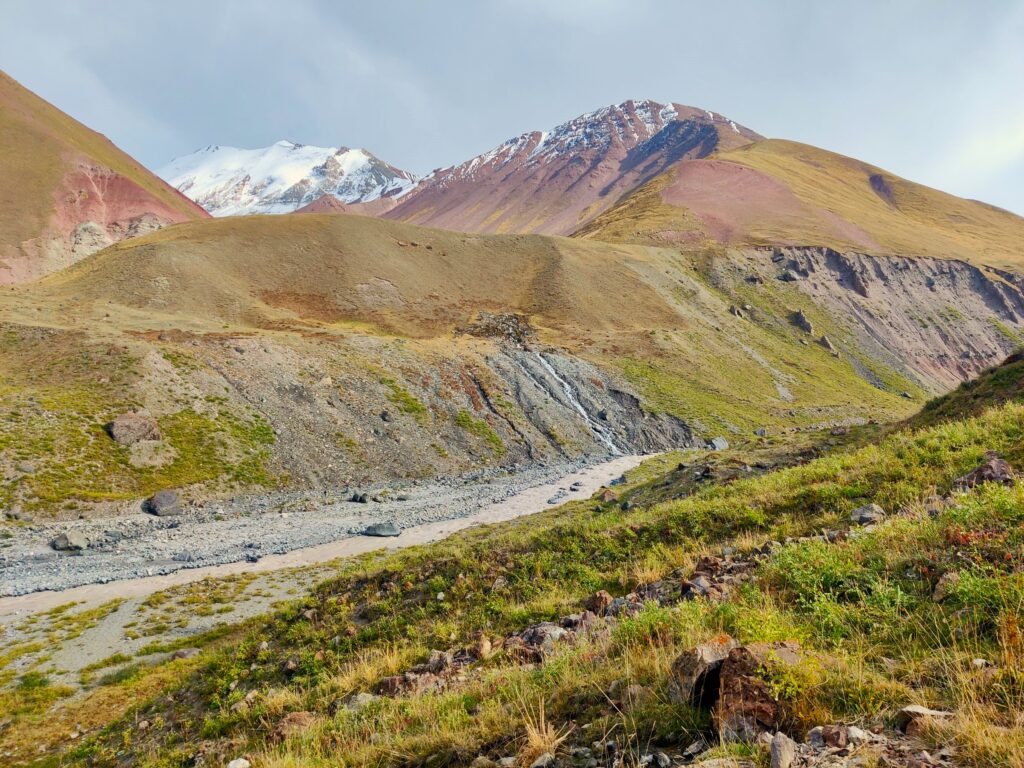
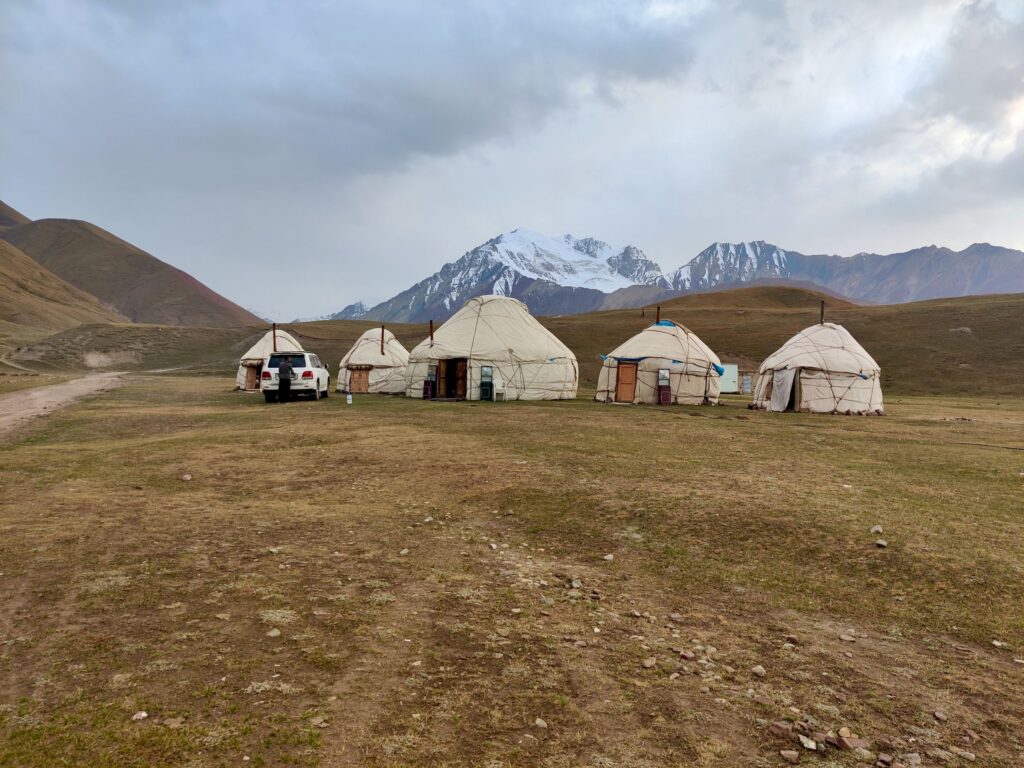
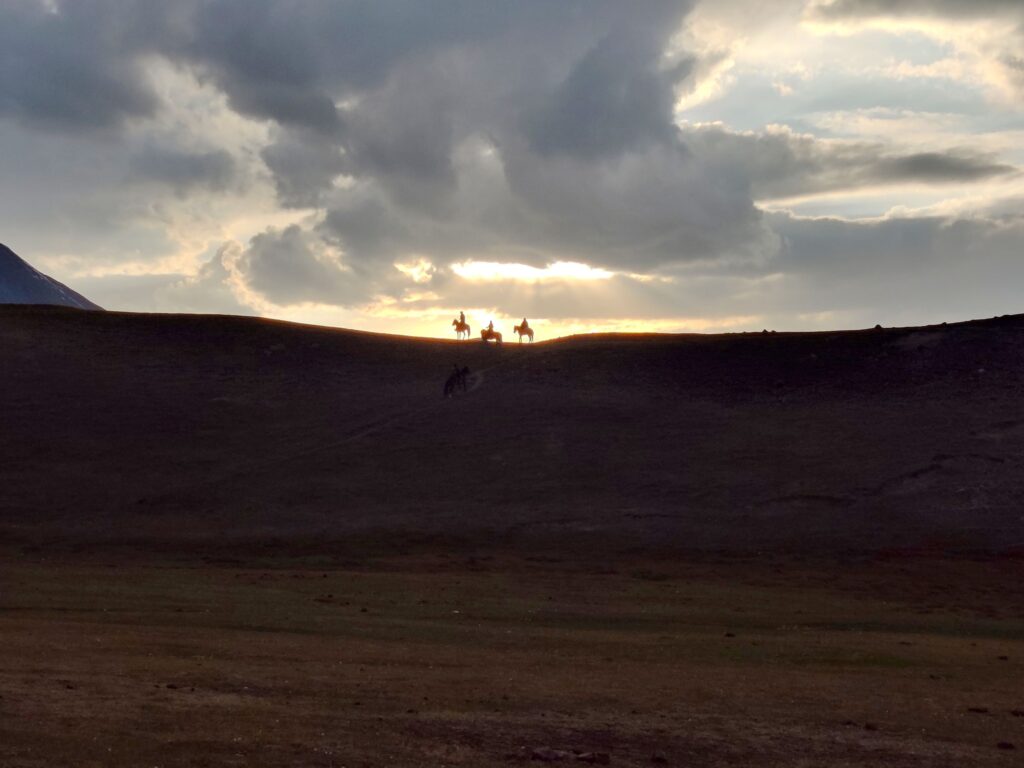
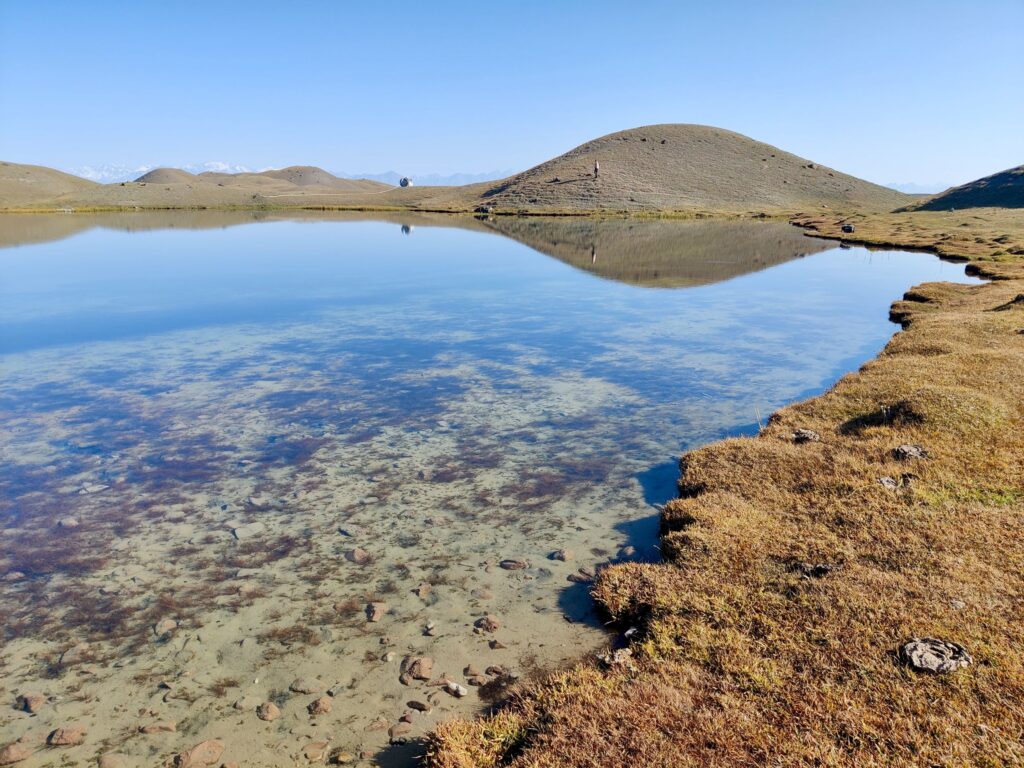
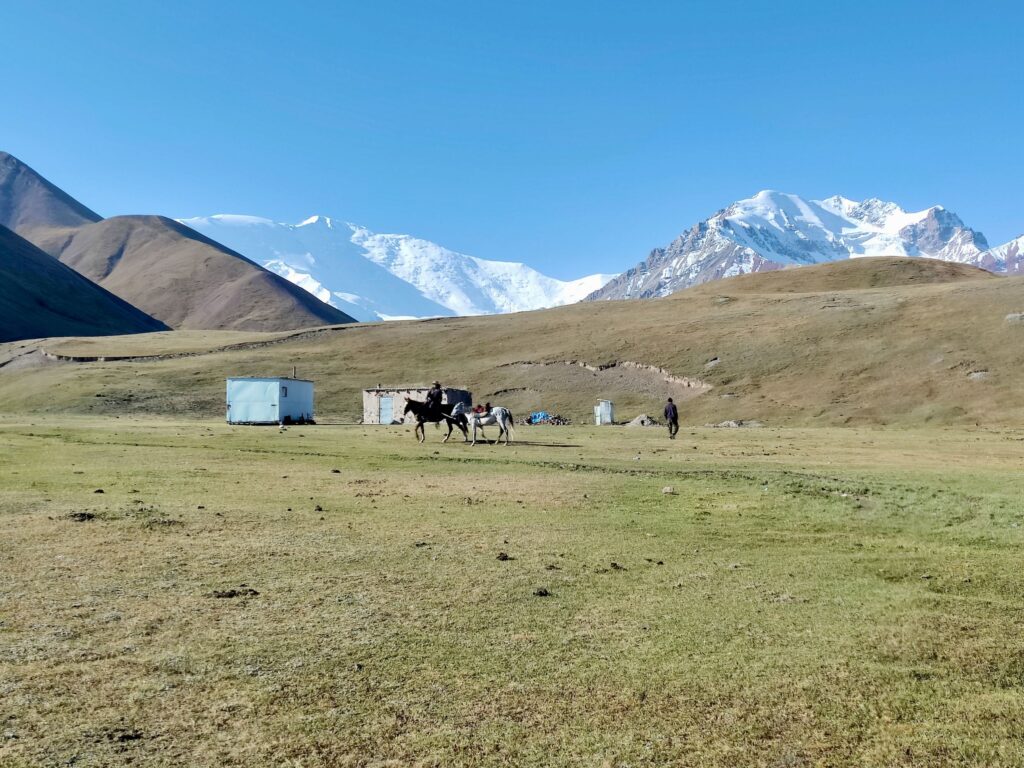
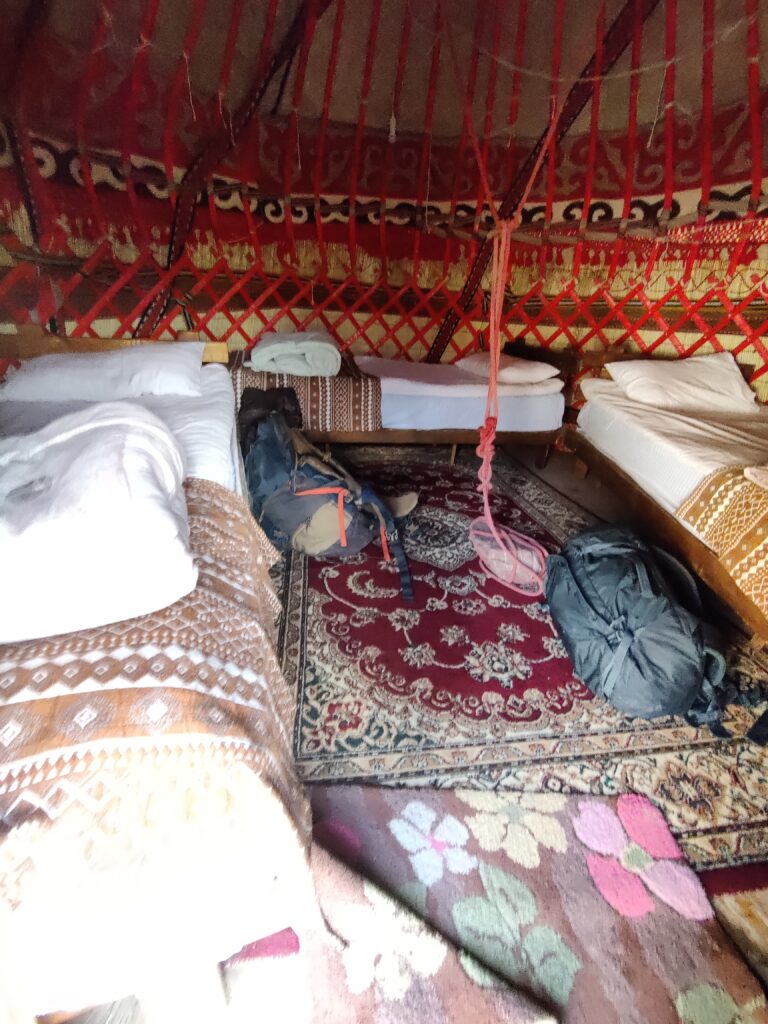
Day 6: Karakul to Tulpar-Kul. Driving through barren, otherworldly lands, crossing the border into Kyrgyzstan (a couple of hiccups, but friendly officials on both sides), and hitting up the Alay Valley where we stopped at a yurt camp by the Tulpar-Kul lakes. The yurt camp was horrendous (no shower, no power, no WiFi – not what was needed the night before I had three consecutive flights), but its location was stunning. Right beneath Lenin Peak, which I’d considered climbing all the way back in 2019. We did a short hike over to a viewpoint of this legendary mountain – a breathtaking way to round out the trip.
Day 7: Tulpar-Kul to Osh. Beelining to Kyrgyzstan’s second largest city. I paid for a shower at the hostel the other guys were staying in, and even managed to find a vegetarian burger in an excellent cafe with friendly English-speaking staff before catching my flight! Note that it’s super difficult to exchange Tajik somoni once you cross the border into Kyrgyzstan, something I had to learn the hard way, so would strongly recommend being very careful about how much money you withdraw when in Tajikistan.
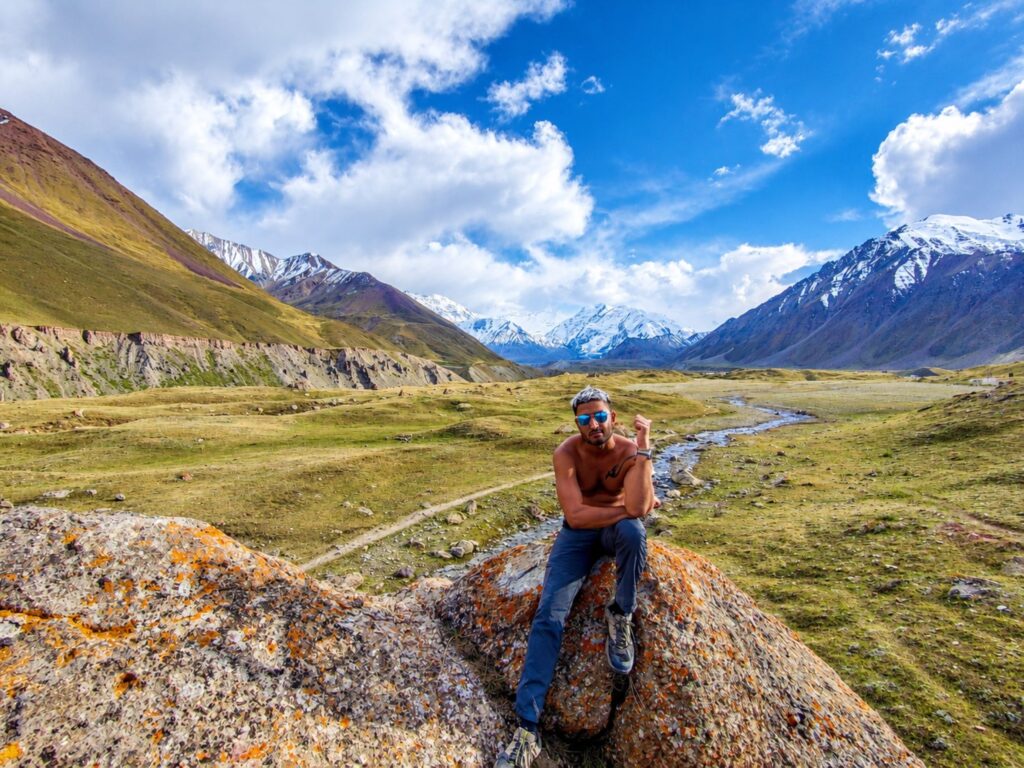
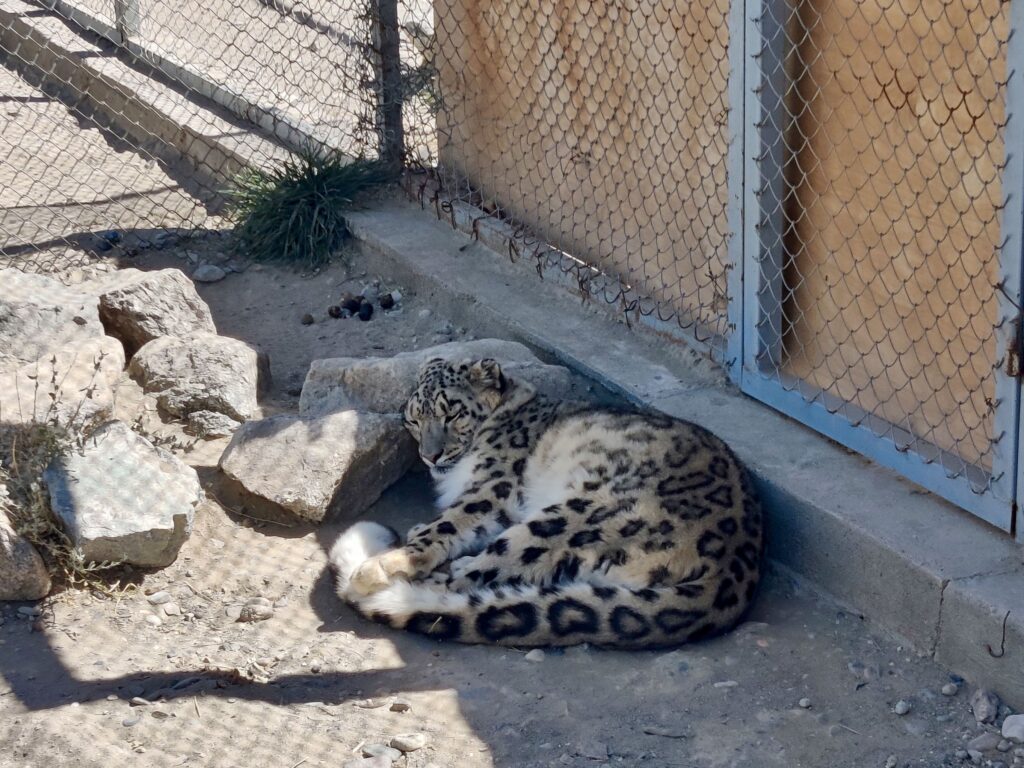
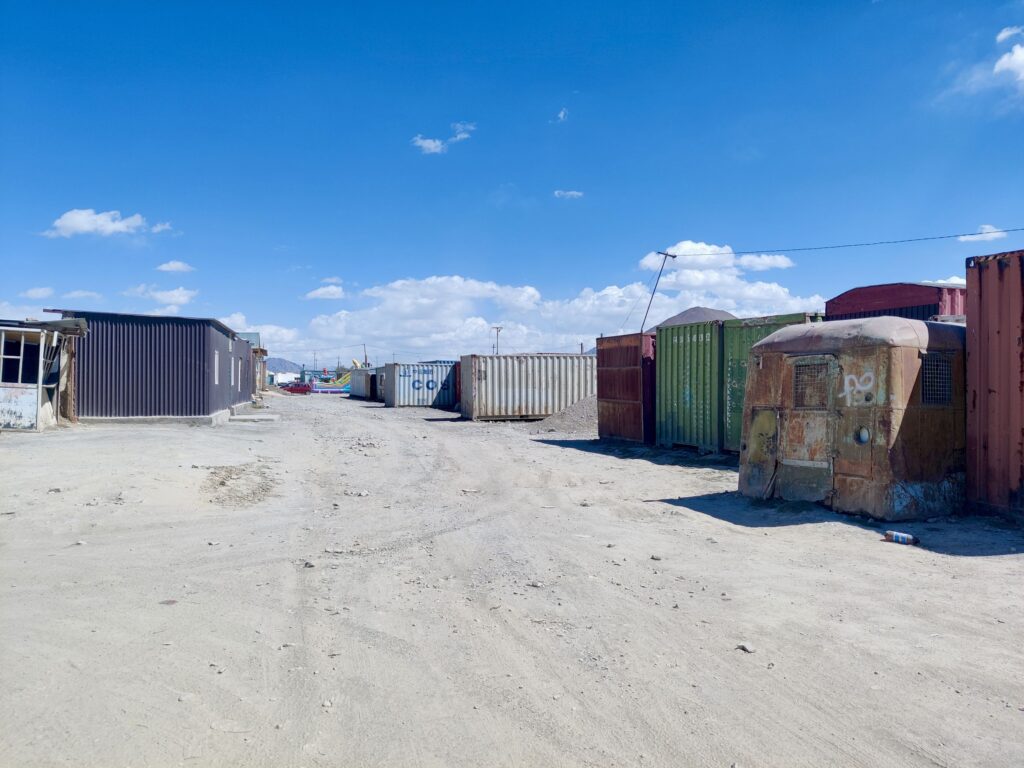
Pamir Highway: Days 5-7
SLEEPS 'N' EATS
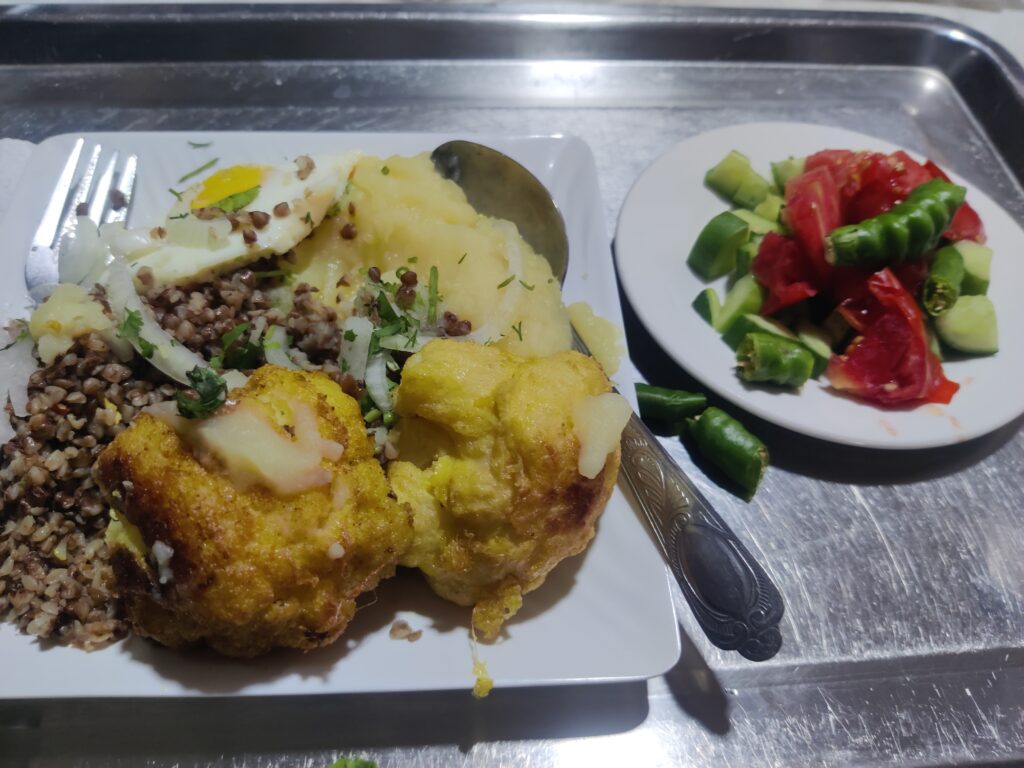
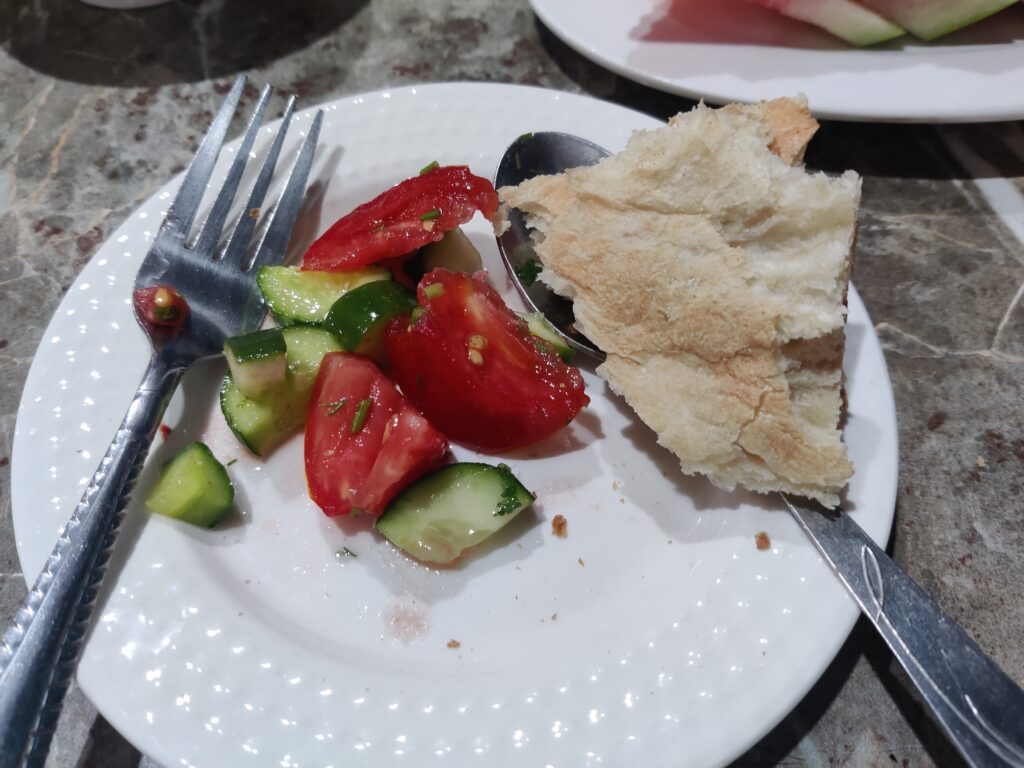
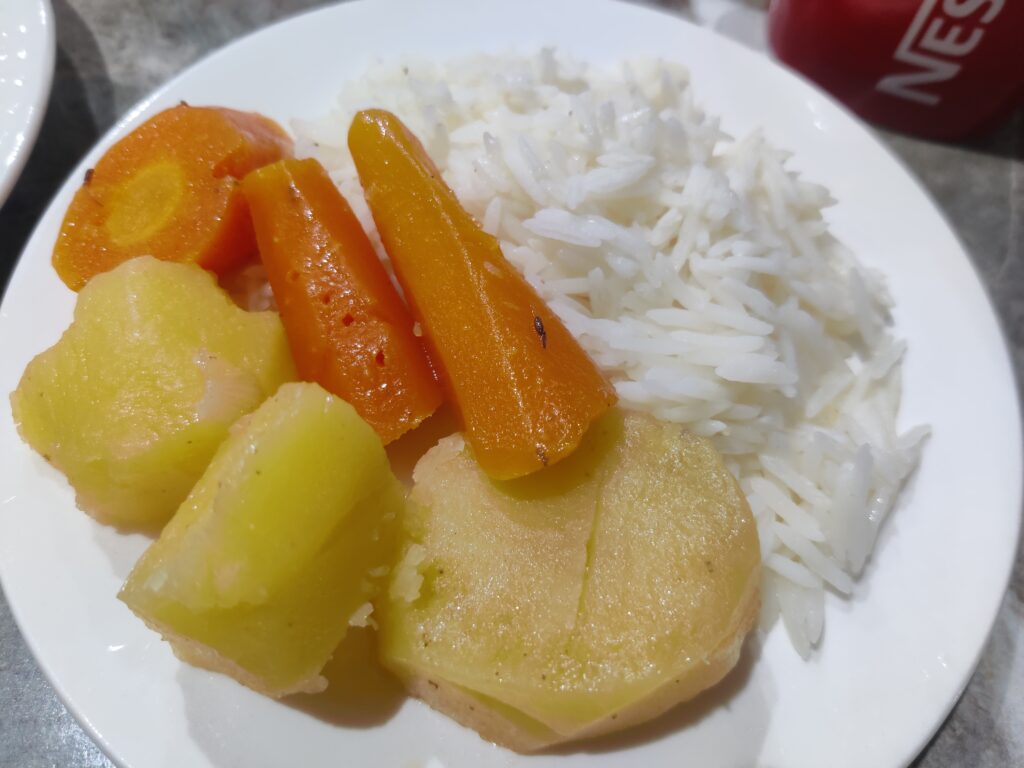
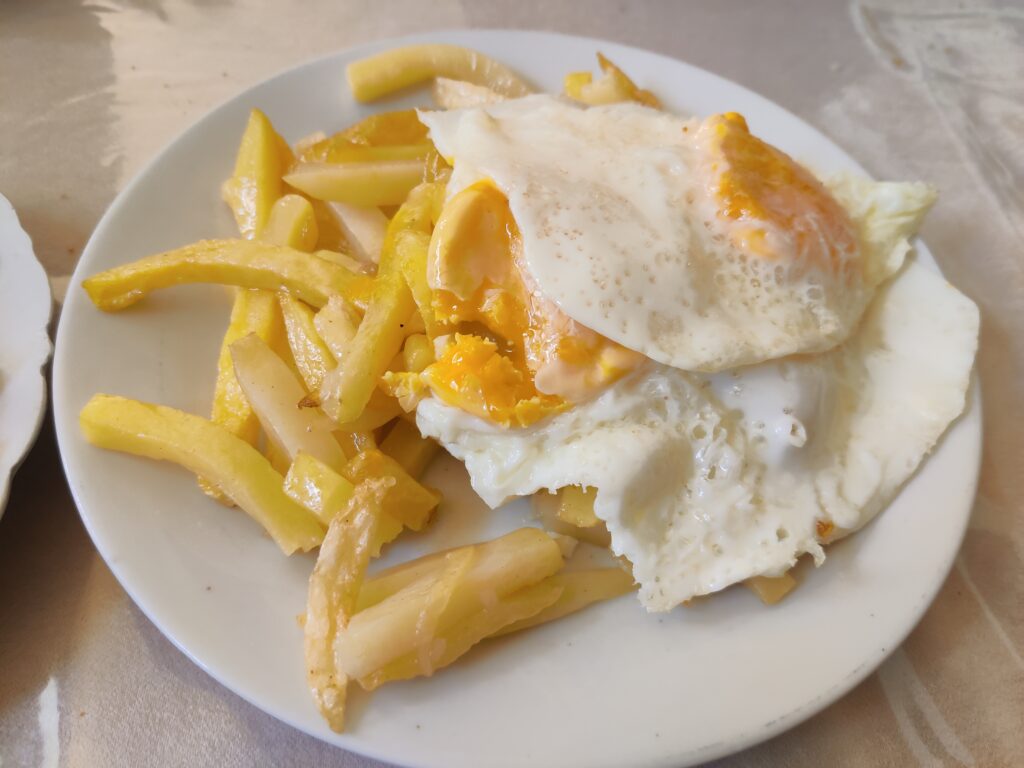
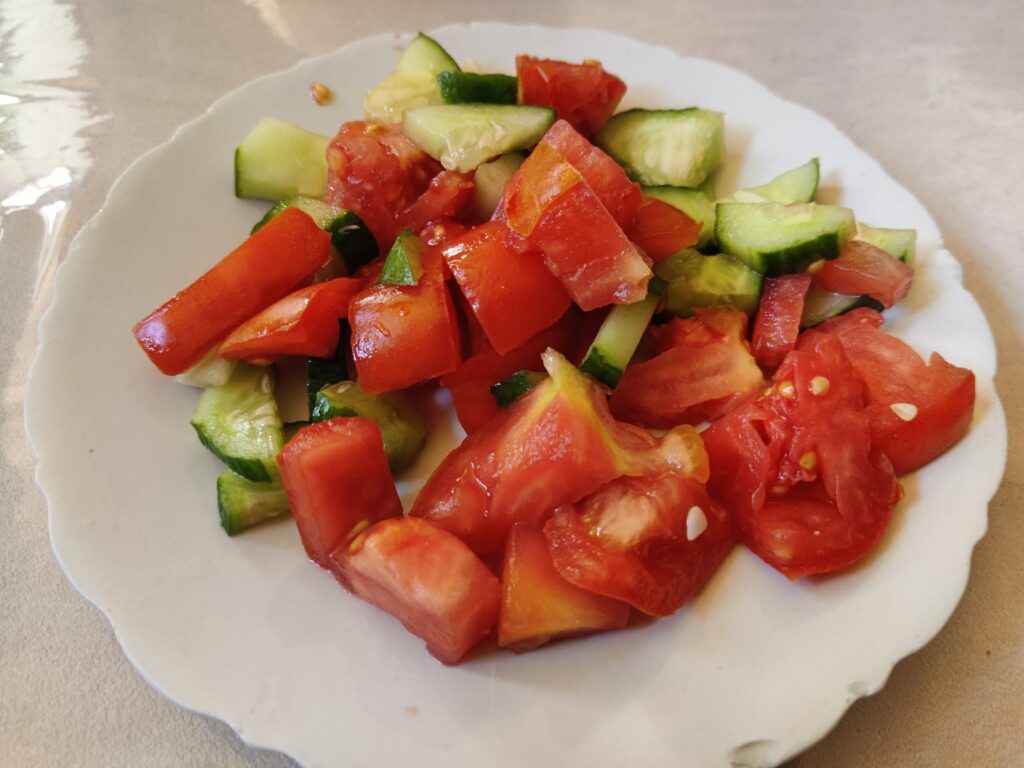
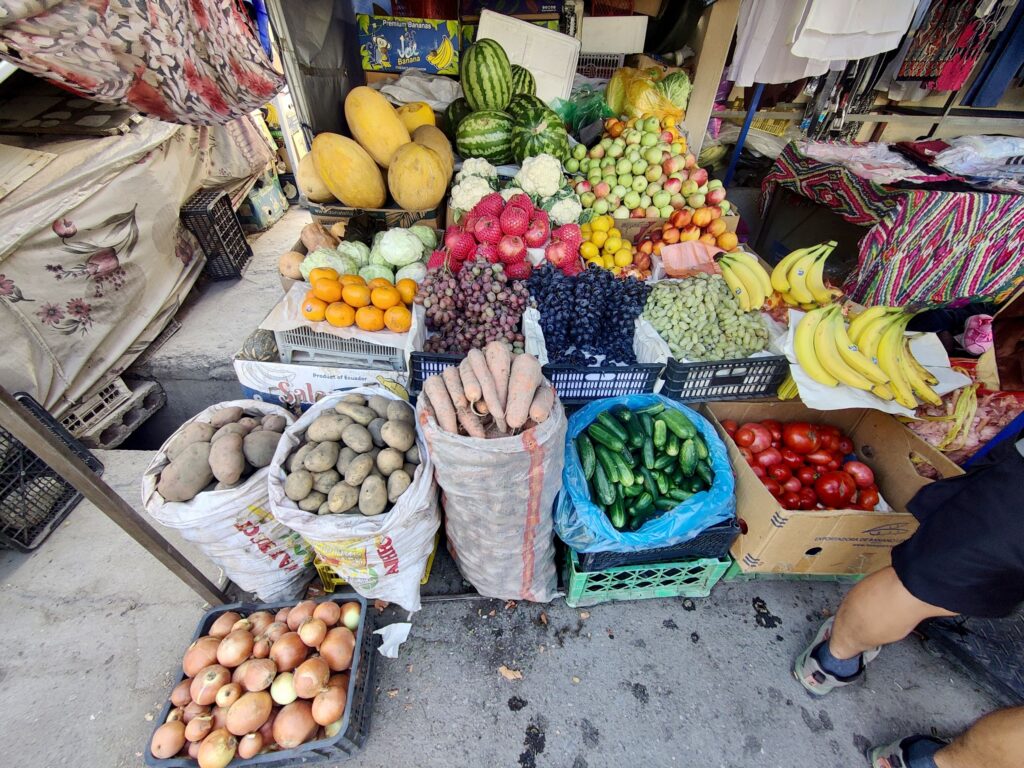
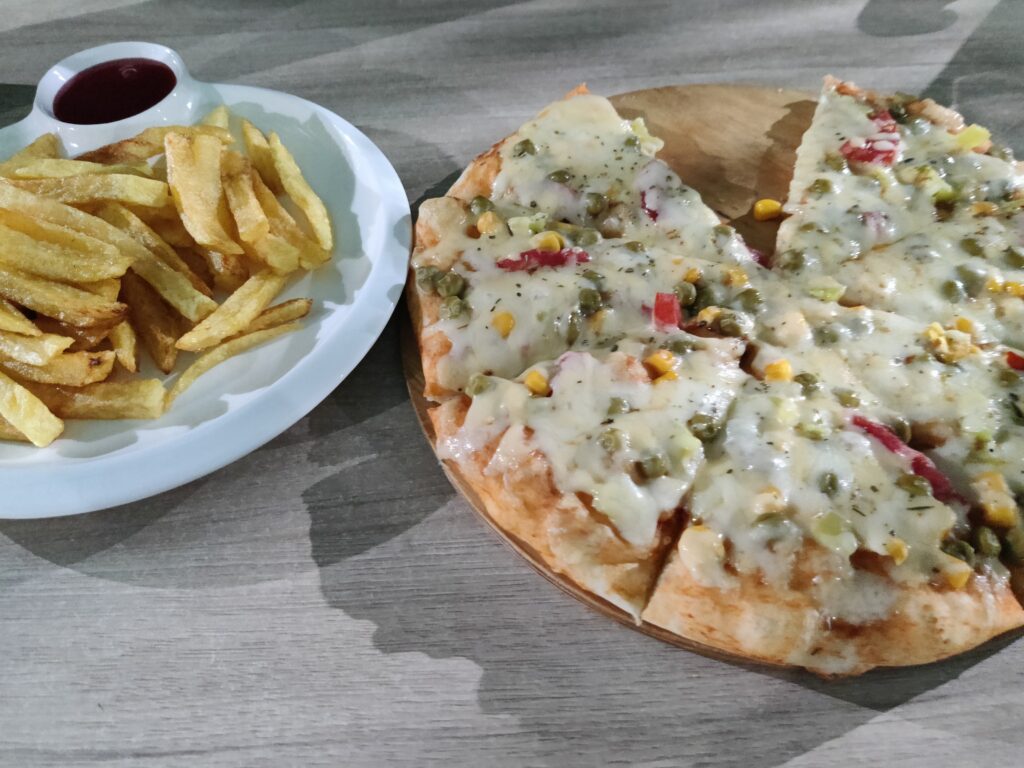
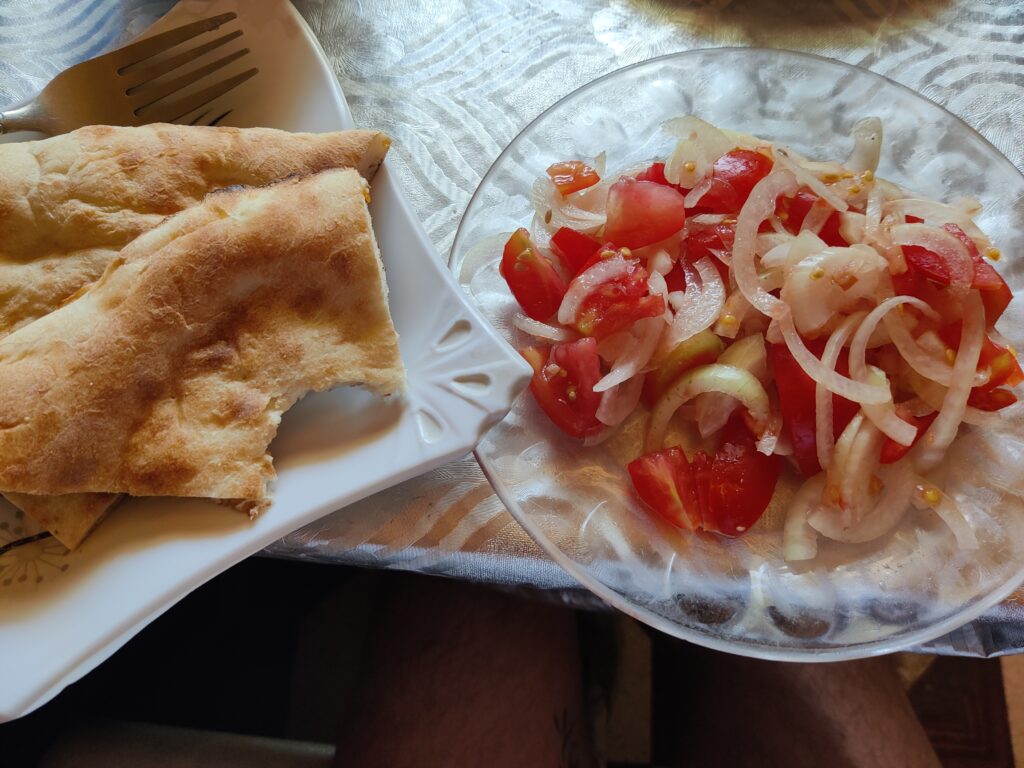
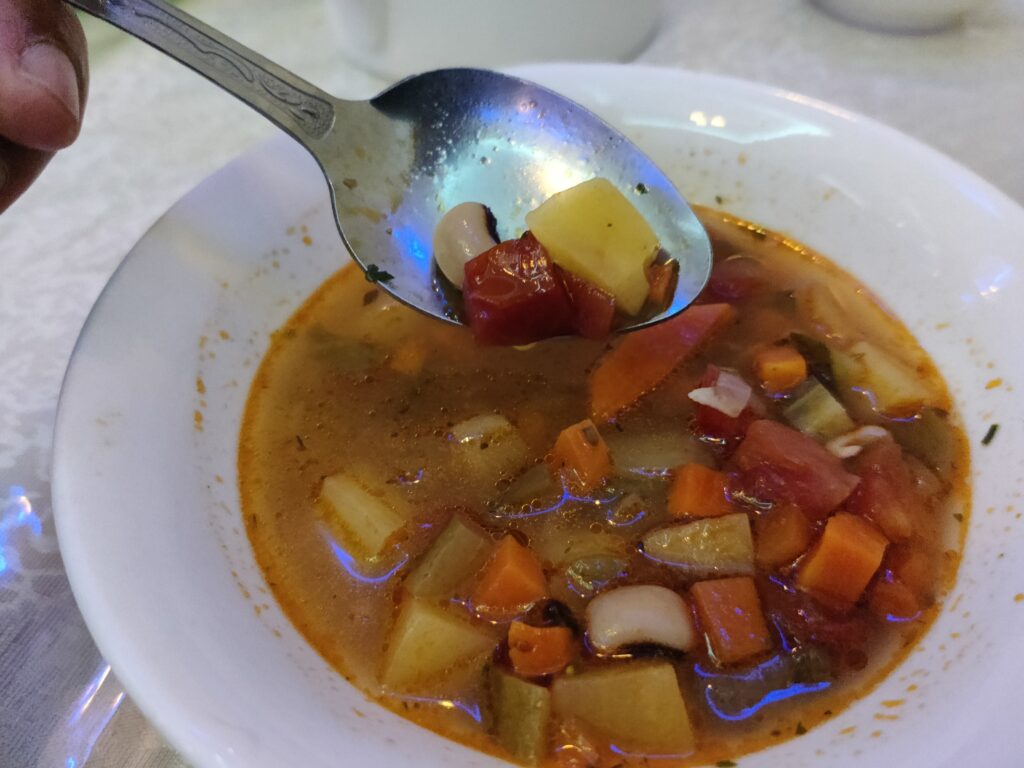
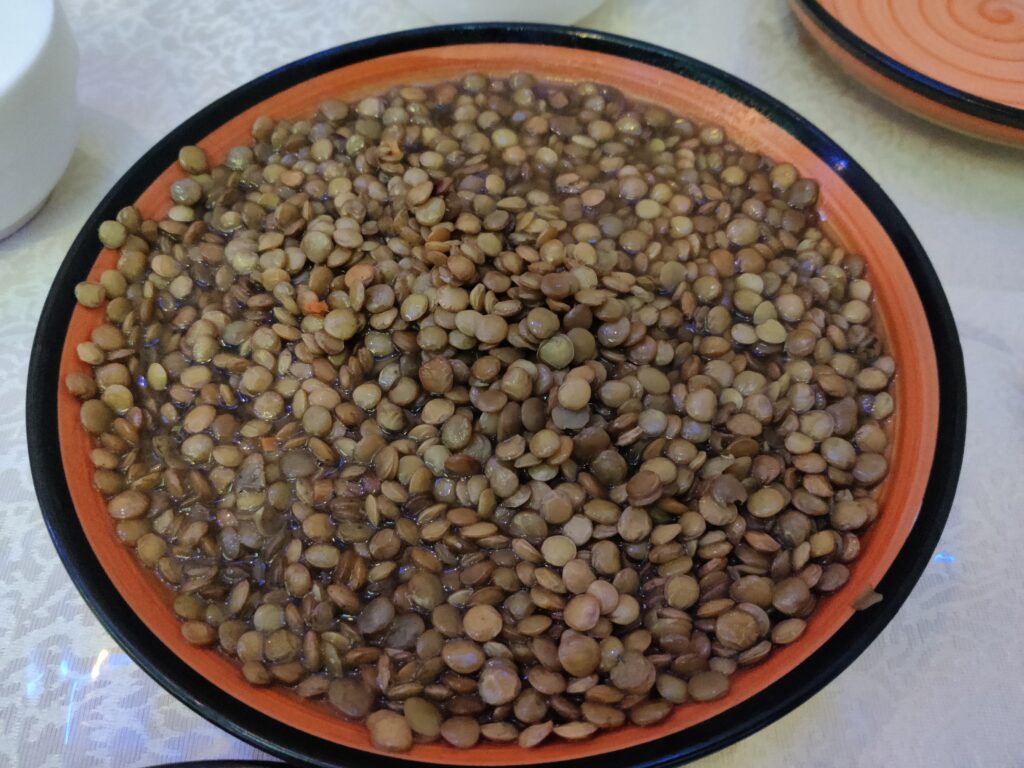
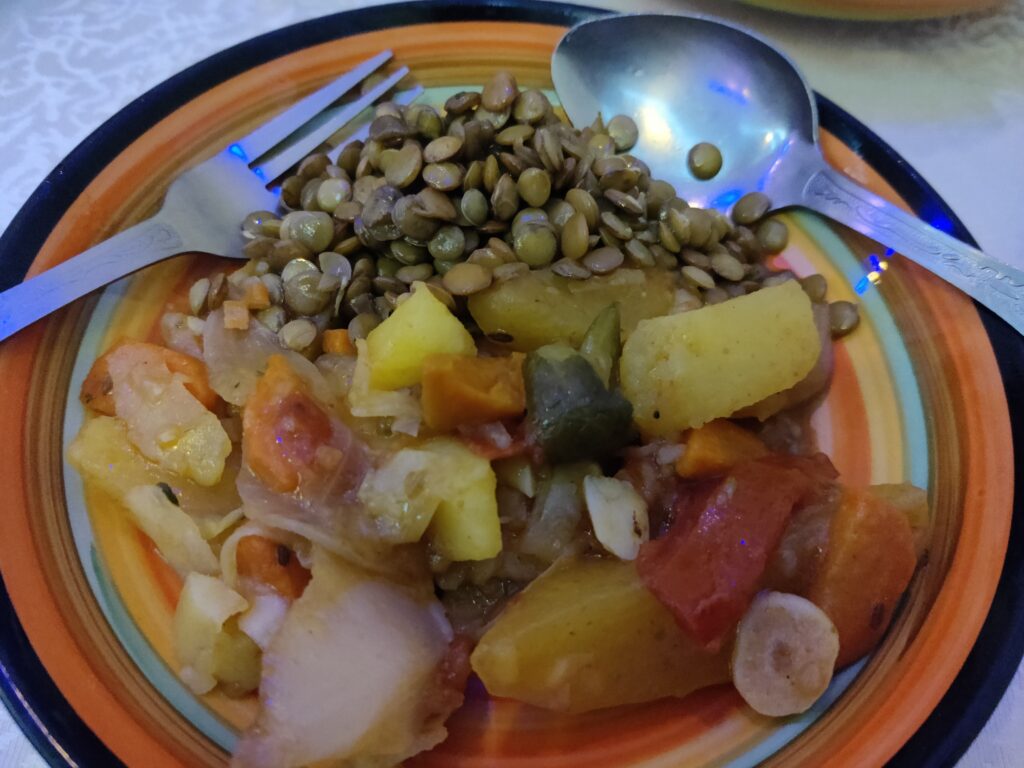
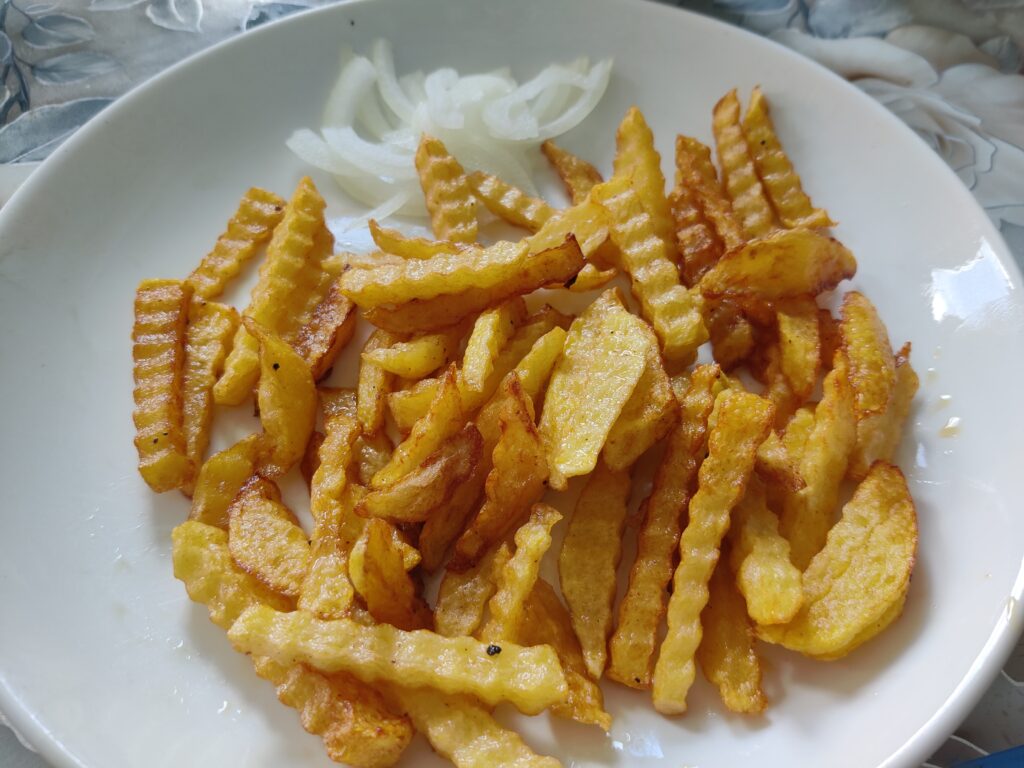
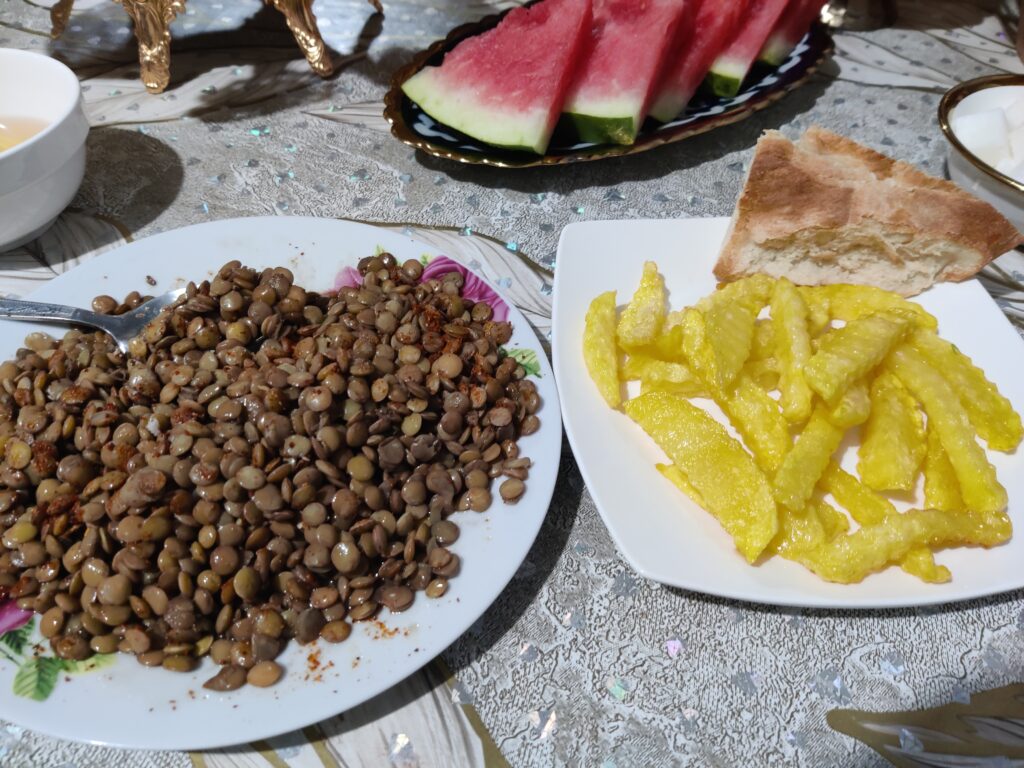
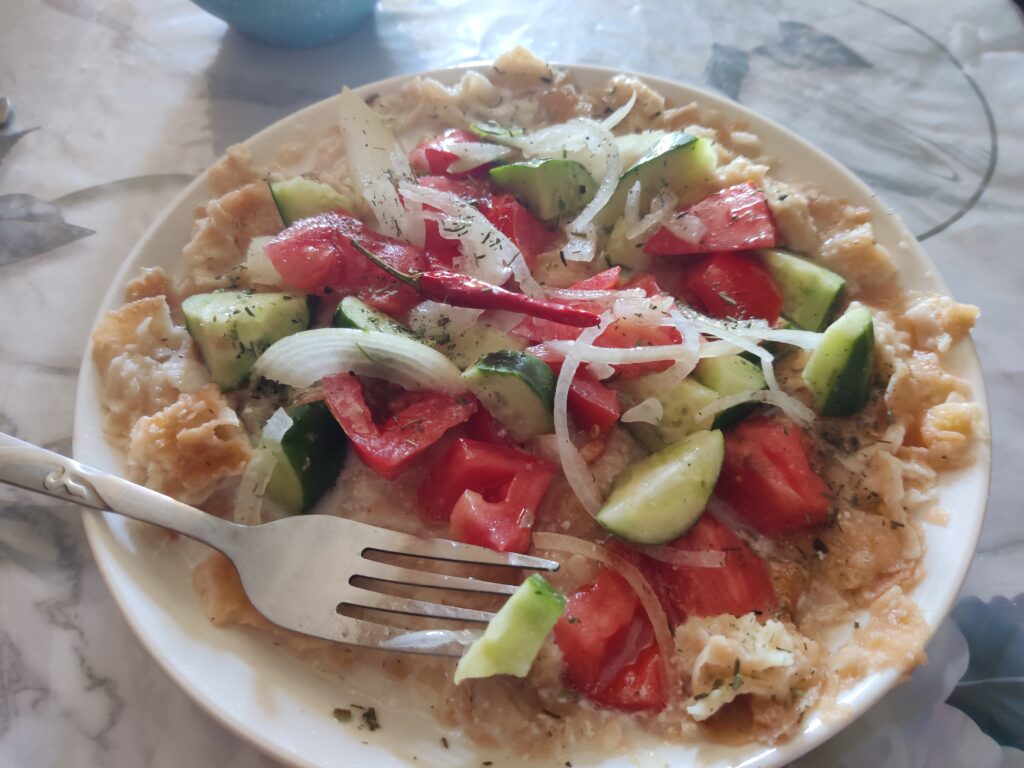
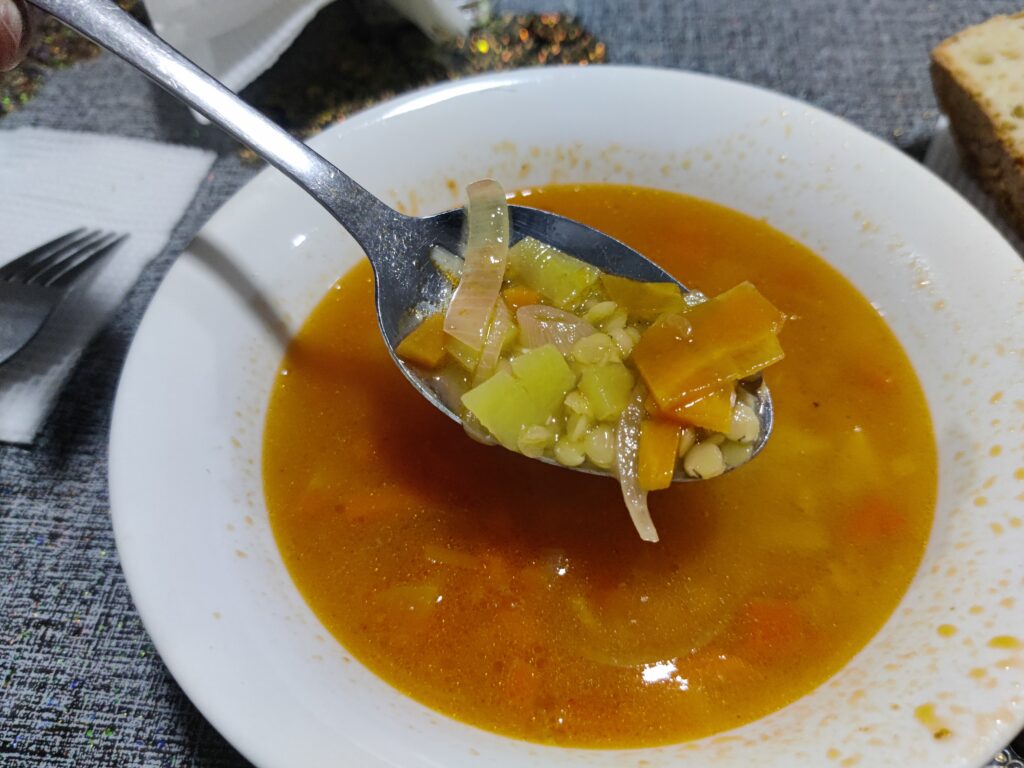
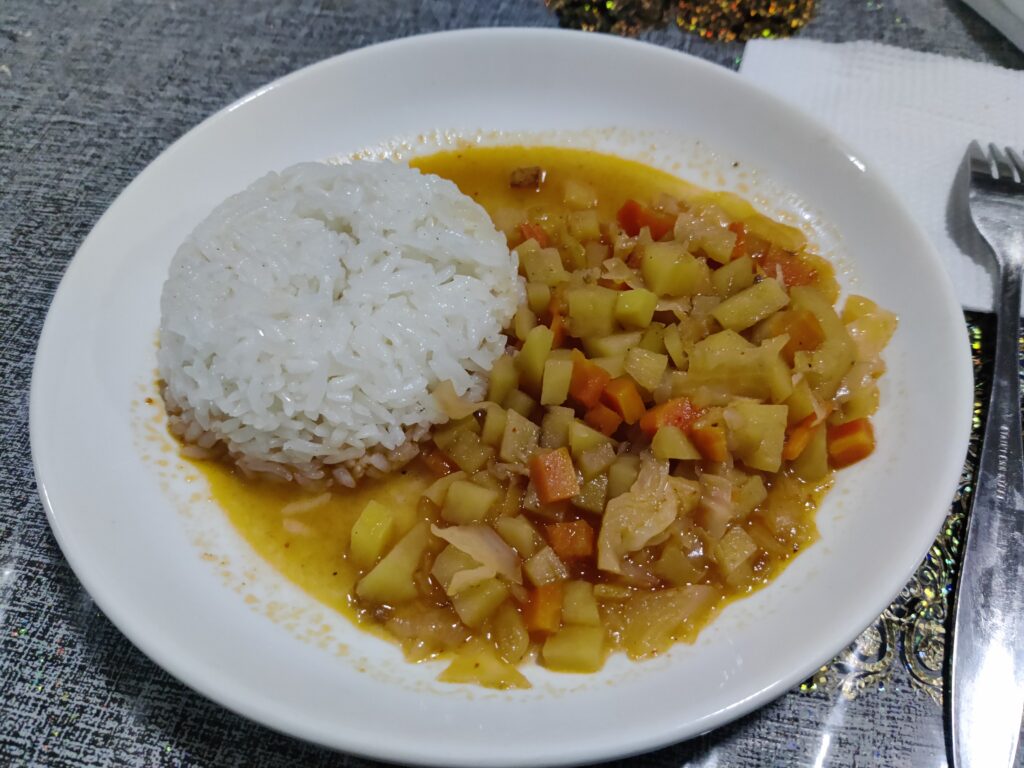
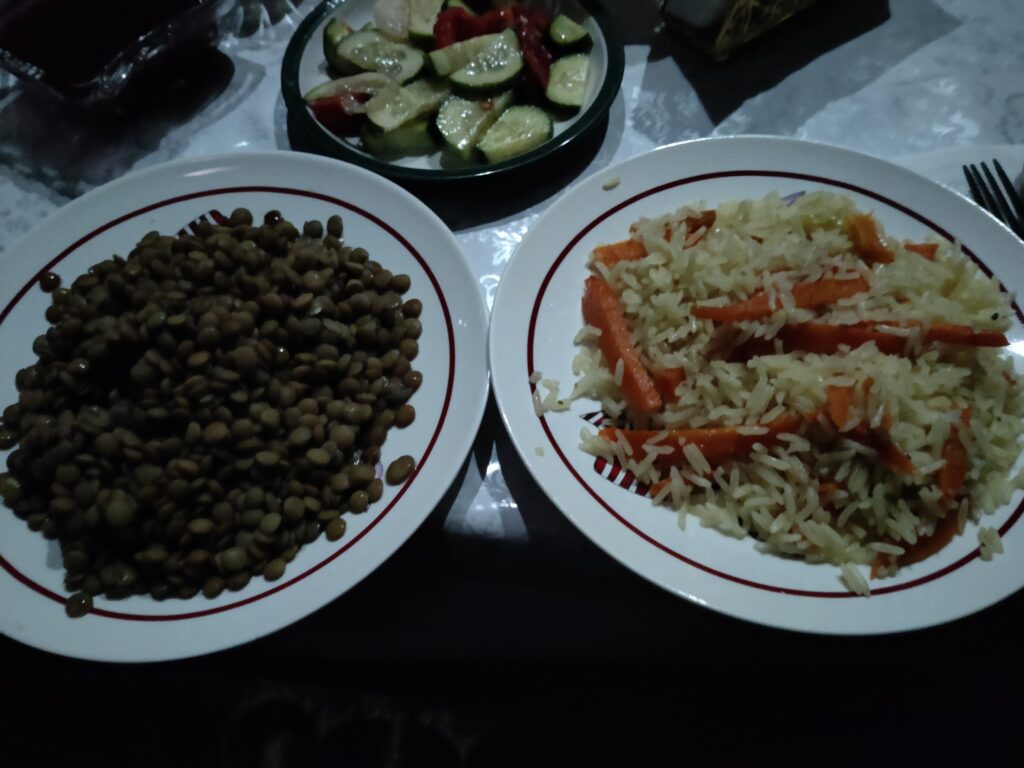
Being vegetarian in Central Asia sucks ass. I knew this going in, of course, as I’ve been to the region many times before, but Tajikistan is even more challenging than elsewhere. Dushanbe lacks a single plant-based eatery (the best option in the city is the Arab restaurant, Al-Sham, in the university district). Once you’re out in the Pamirs, the environment becomes so desolate that vegetables are rendered scarce commodities. Expect potatoes, tomatoes, cucumbers, and onions. And load up on bread that’s commonplace. There were numerous points where the only thing available for me to eat was either fries or a tomato and onion/cucumber ‘salad’ (I suspect our driver could’ve picked better places to stop at, but he didn’t seem to register my vegetarianism until day six as he was too fixated on blaring crap on his phone at full volume while sat at the dining table, no I’m not annoyed…). Eggs are normally provided for breakfast which reminded me why I still cling to vegetarianism rather than going full vegan. The strange thing is that there IS plant protein readily available in the region. Every supermarket has dried lentils/beans/split peas – I even saw bags of them out in the godforsaken environs of Murghab! – so it’s bewildering that people don’t actually cook with them. (To their credit: the guesthouses in Zong and Karakul did provide plant-based dinners, which I was incredibly appreciative of.) I cottoned on to how bleak the food situation was by the second day of the trip, so I bought myself a bag of green lentils in Khorog which I carried around with me for the rest of the trip, begging the guesthouse/camp staff at every stop to boil them in water so that I could have a decent dinner to make up for the insufficient meals elsewhere.
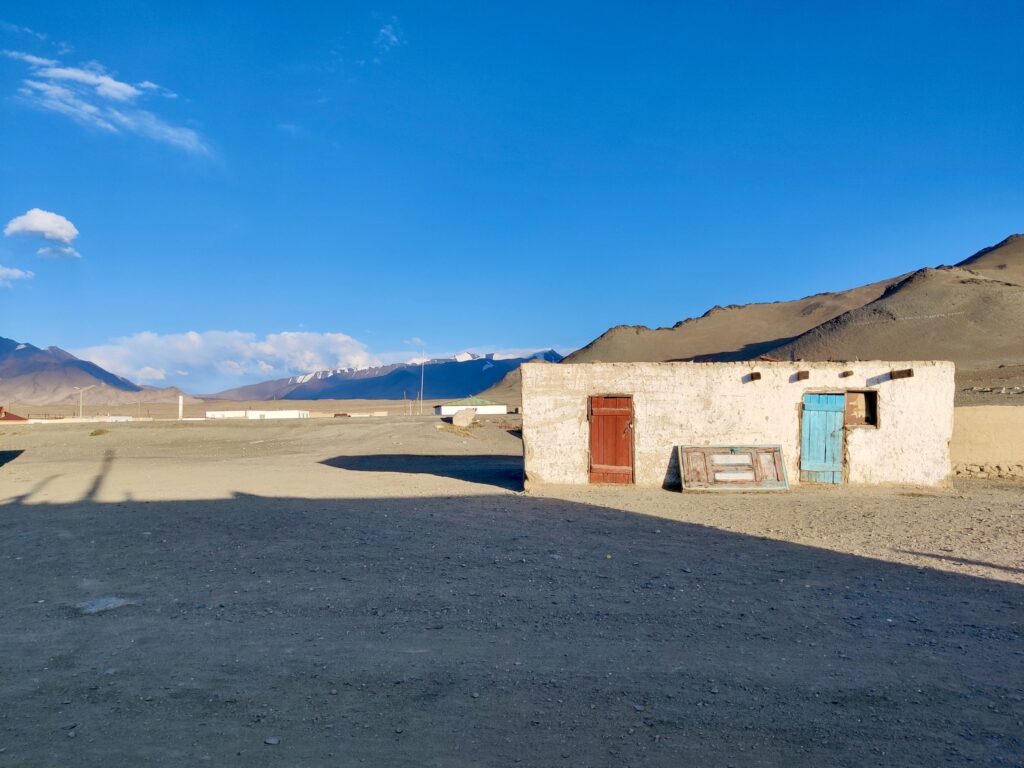
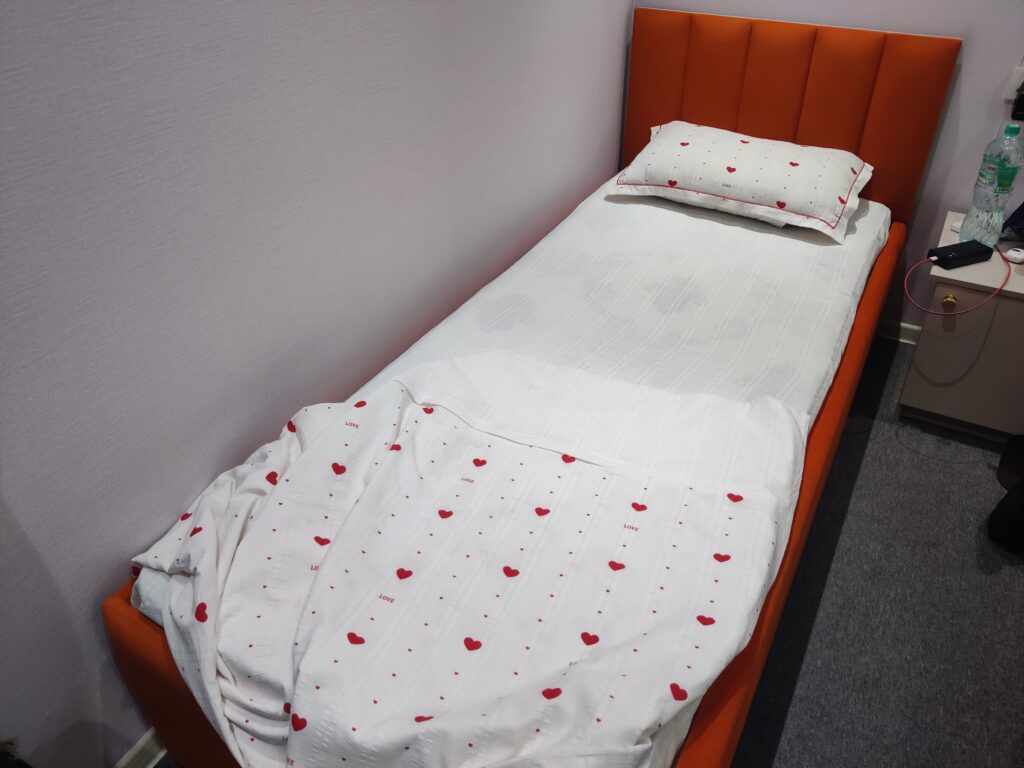
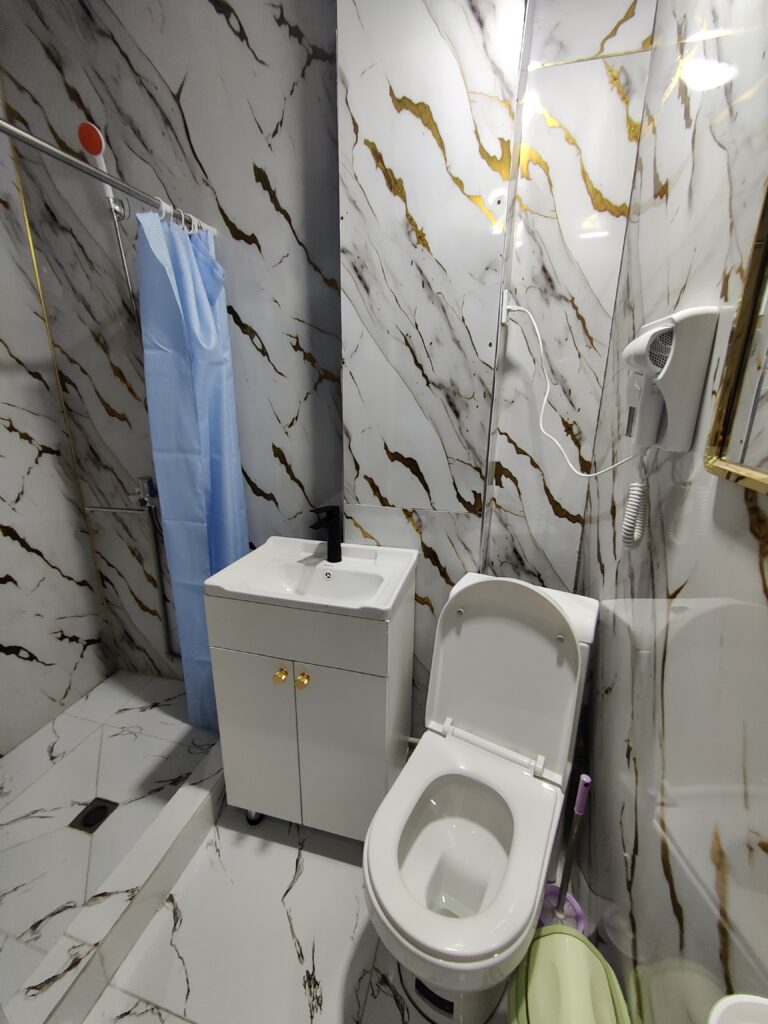
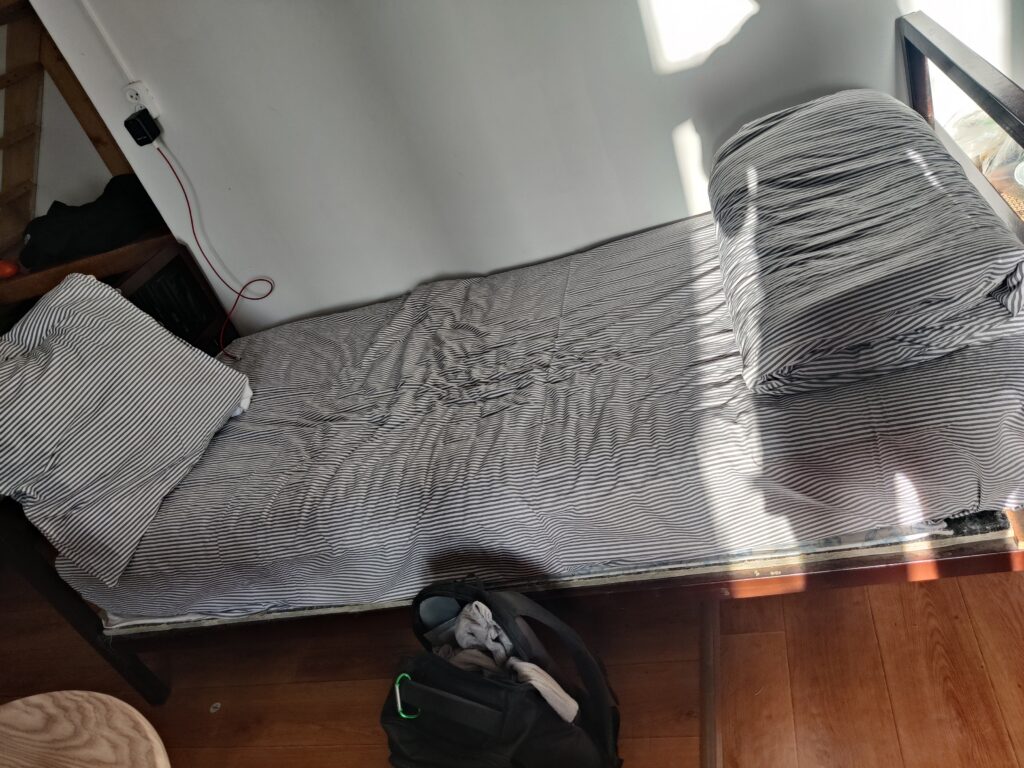
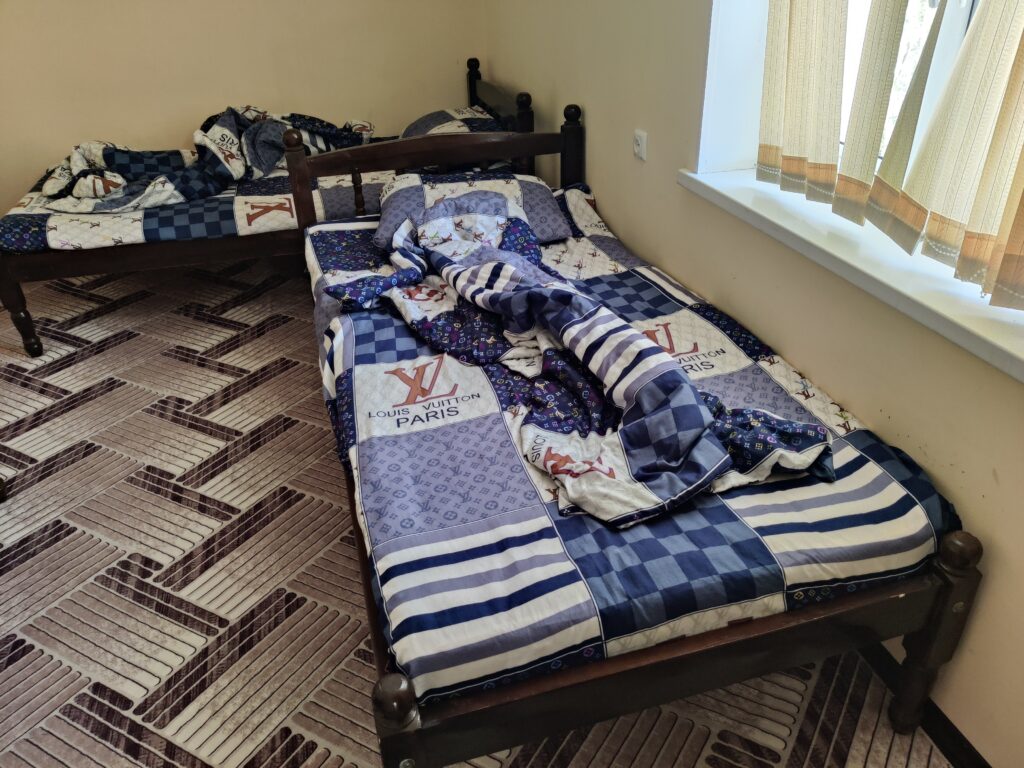
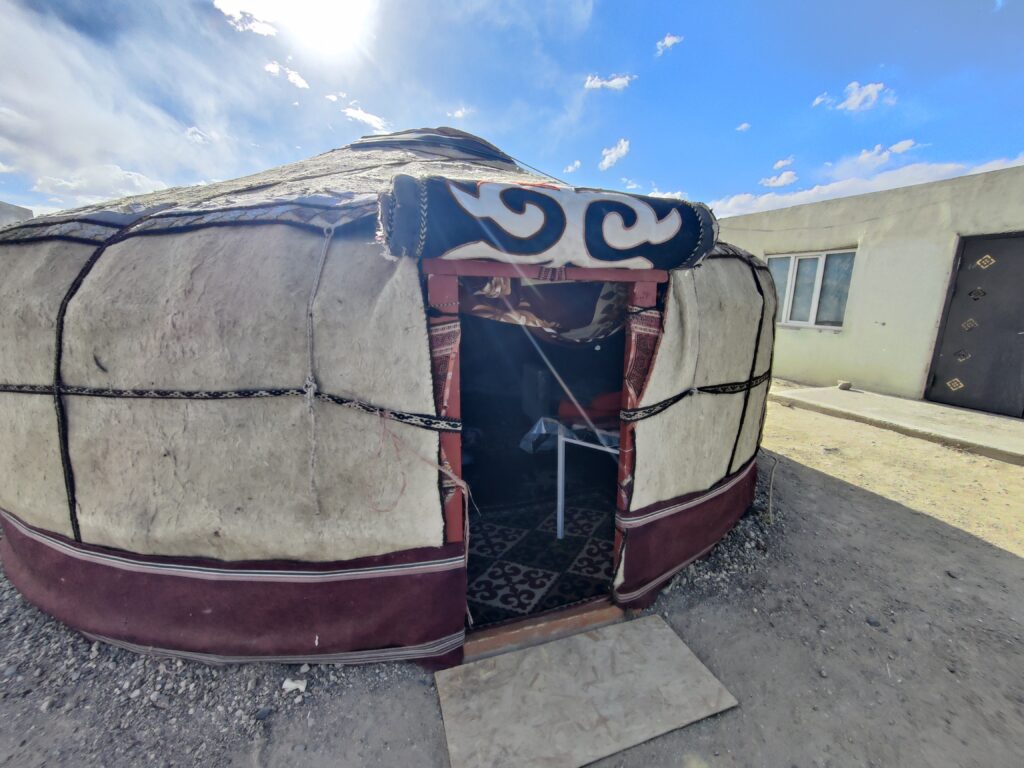
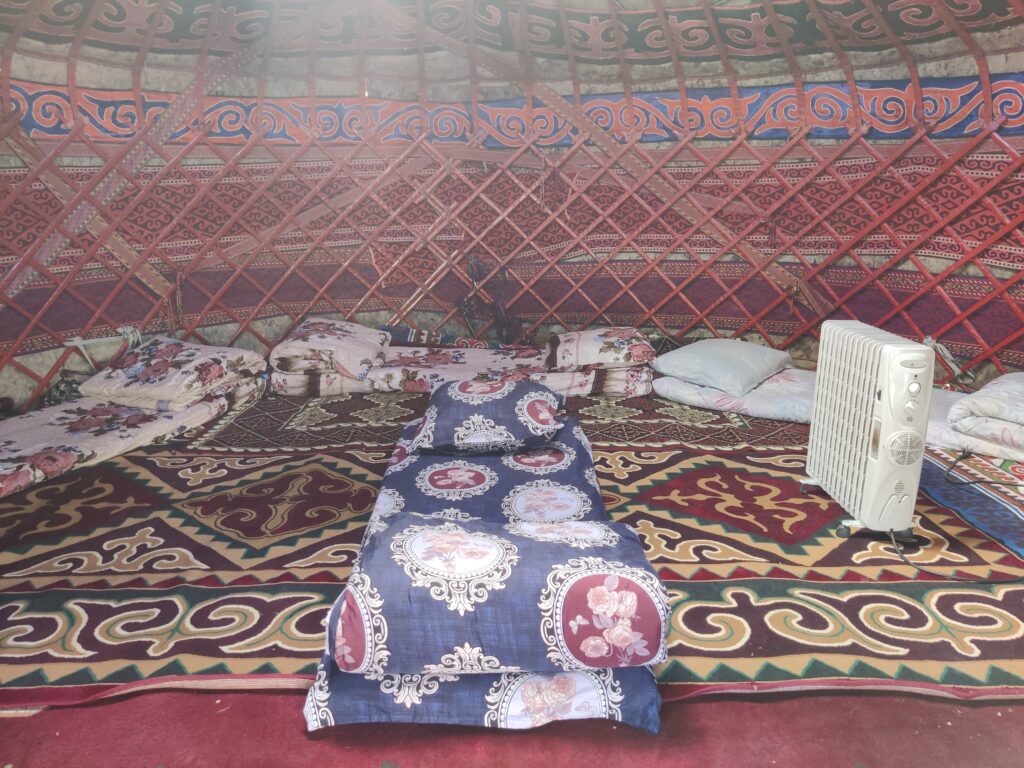
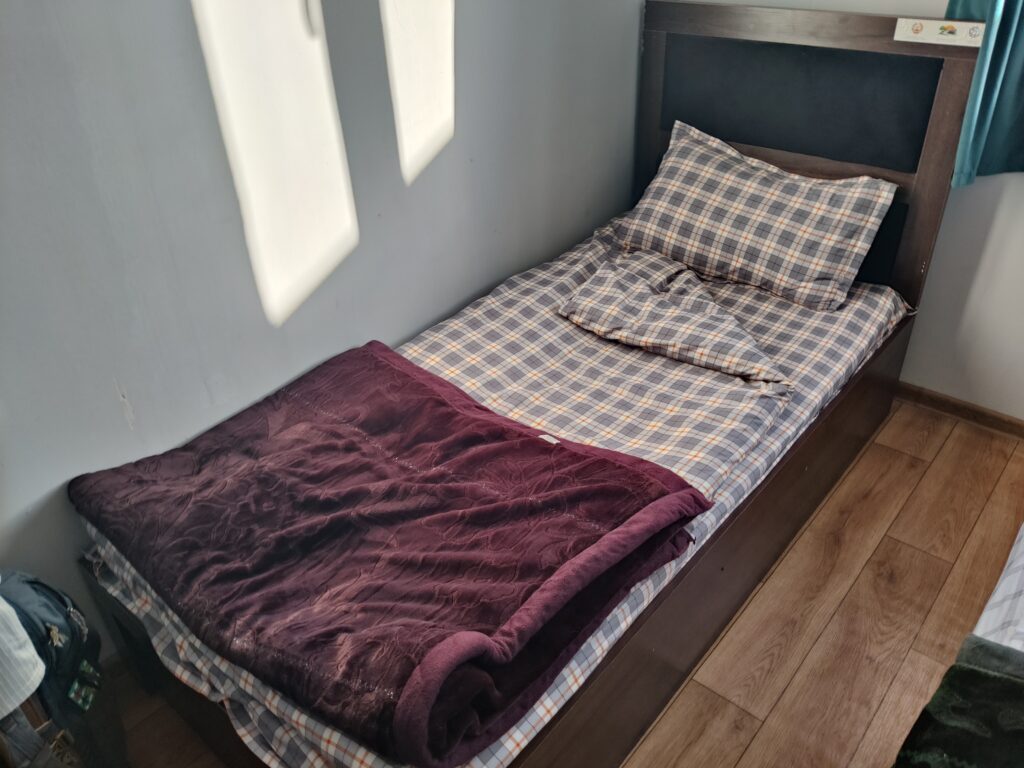
Accommodation varies wildly in quality but not in price. The standard fee is 250 Tajik somoni (or 2500 Kyrgyz som), about $25, for a shared room/yurt with dinner and breakfast included. We had WiFi on days 1, 2, and 5 and hot showers on days 2-5. The yurt camp on day six had clearly given up on life (there was mouldy, rotting fruit at the dinner table, and we couldn’t even get the yurts heated for the full night). By contrast, we managed to get an entire dormitory to ourselves in Khorog in a hotel that was of genuinely decent standard. Khorog and Karakul (where we had a vegetarian dinner, WiFi, and a whole damn sauna – I don’t even like saunas but embraced the novelty) were the best spots IMO. Embrace the fluctuations and the unexpected. Further info in the pic captions below.
survival on the road
REFLECTIONS
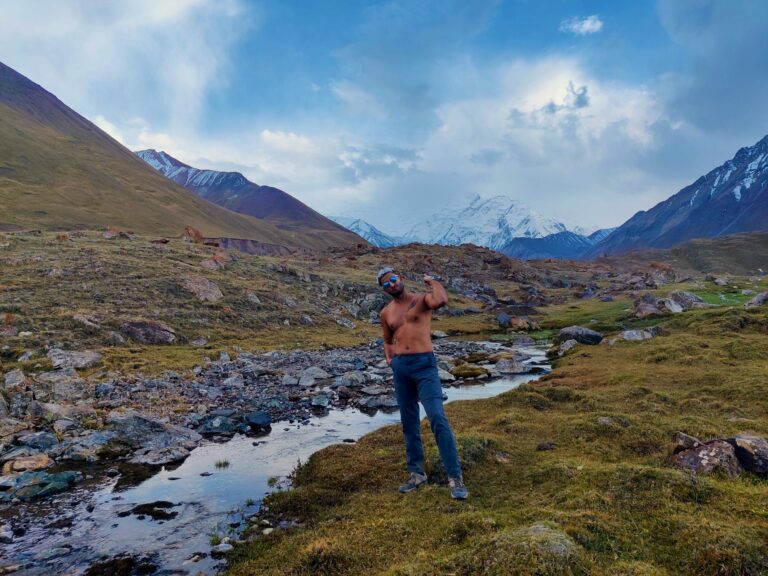
Journeying across the Pamir Highway is a trip that every genuine traveller should strive to make in their lifetimes. The main draw is justifiably the magnificent, seemingly extraterrestrial environment that you drive through, flanked at all times by mountains that loom ominously in the distance. Jawdropping doesn’t even begin to capture how stunning some of the landscapes here are and my images fail to do the nature justice. I found myself particularly enamoured by Lake Sasikul, something that I don’t think was even on our planned itinerary but whose remoteness and alienness imbued it with a mystique that’s still under my skin two weeks later. Driving alongside Afghanistan for so many days was another unexpected thrill – I remain totally against all travel there given the current regime, but there was so much fascination that came with merely setting eyes upon it. Day 3 on our itinerary – unexpected nudity in conservative old Tajikistan, ravishing vistas from crumbling old fortresses, and beers in a tiny mountain village to round things off – was the obvious highlight, though every day brought something enjoyable.
It was refreshing to be so far removed from mainstream civilisation (though one struggles without WiFI/data, alas!), but it was also humbling to realise that what was no more than an exciting escapade for us is a sobering reality for the many thousands of people who somehow survive in this unforgiving terrain. Alichur, Murghab, and Karakul are settlements whose existence leaves me utterly perplexed, and also in awe of how its residents choose to carve out lives in climates so merciless. Talking of merciless, the delulu hippie in me suffered a little knowing that all the animals we encountered in these places are condemned to grisly fates, but I suppose I didn’t join a Pamir Highway tour to avoid the bleakness of the everyday.
Fortunately, there’s beauty aplenty to sit alongside the bleakness. There’s the aforementioned natural beauty, of course, but we were also pleasantly surprised by how kind people were throughout the journey. Tajikistan seems the most traditionally-minded and least secular of the Central Asian countries I’ve visited (all except Turkmenistan), but people had no qualms about saying I was ‘beautiful’ or touching my hair (I think the bleached hair flummoxed a lot of folk around here…). One interaction that particularly stands out: crossing into the GBAO and needing to pull out our passports and permits at the designated border post. I was expecting the military personnel manning the post to be either corrupt or callous, but my expectations got upended when they turned out to be the most amiable army lads ever – they were so taken with our group that they even gifted us fruit and bread for our onward journey! Reaching the Pamir Highway after all these years of trying was expensive, stressful, and often maddening. But interactions like that mean that it was worth every penny spent and every brain cell lost. For anyone that’s capable of roughing it for a few days: I couldn’t recommend it more!
Discover more from Reehan Miah
Subscribe to get the latest posts sent to your email.