kazakhstan

Almaty (2018)

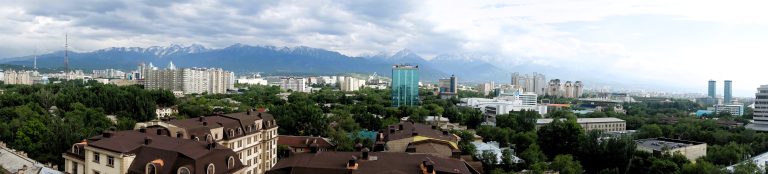
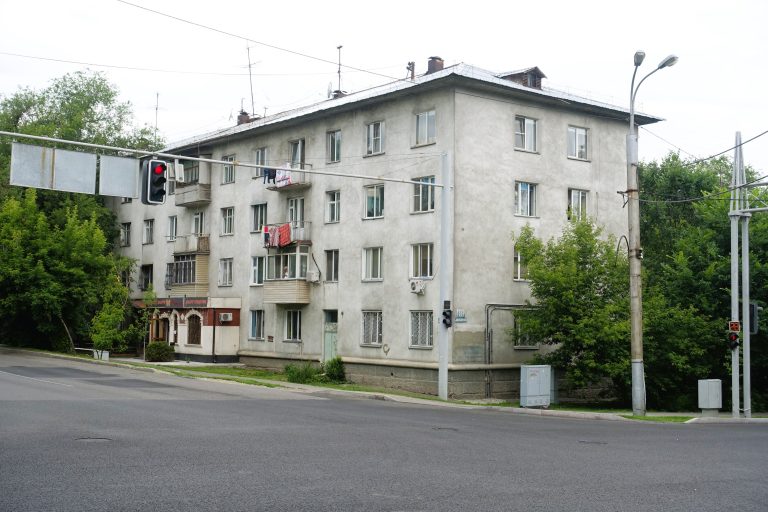
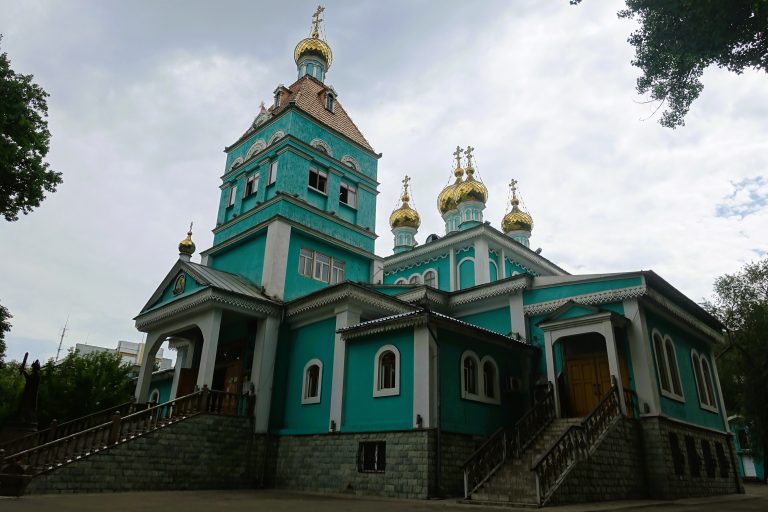
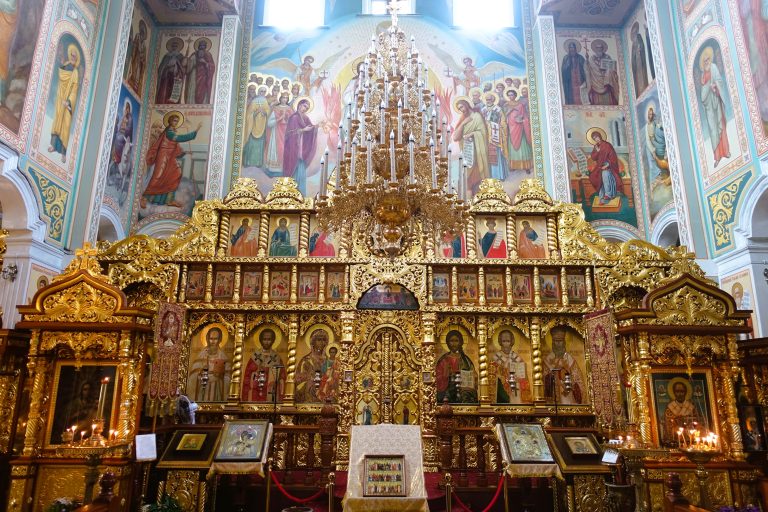
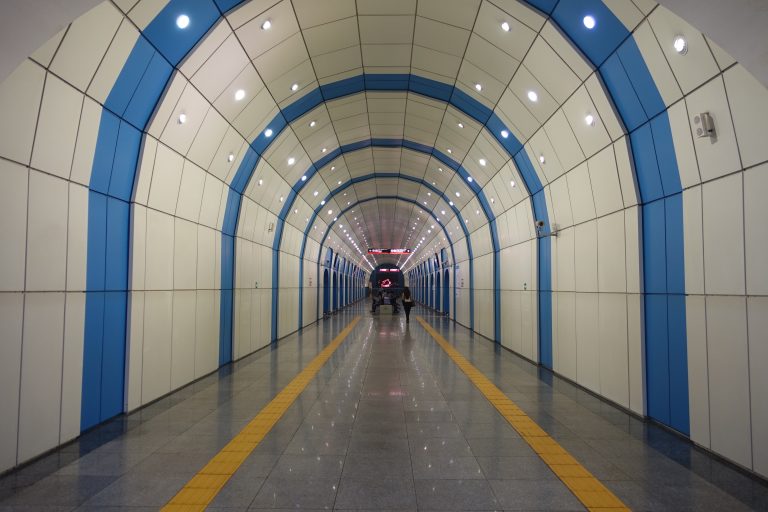
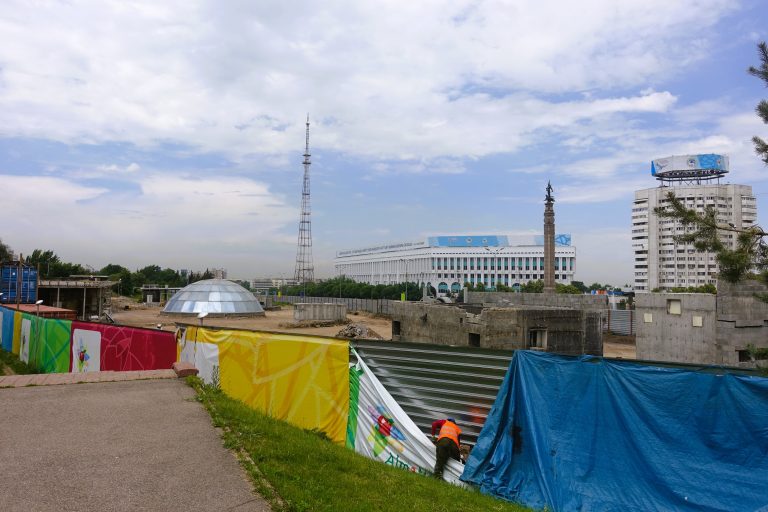
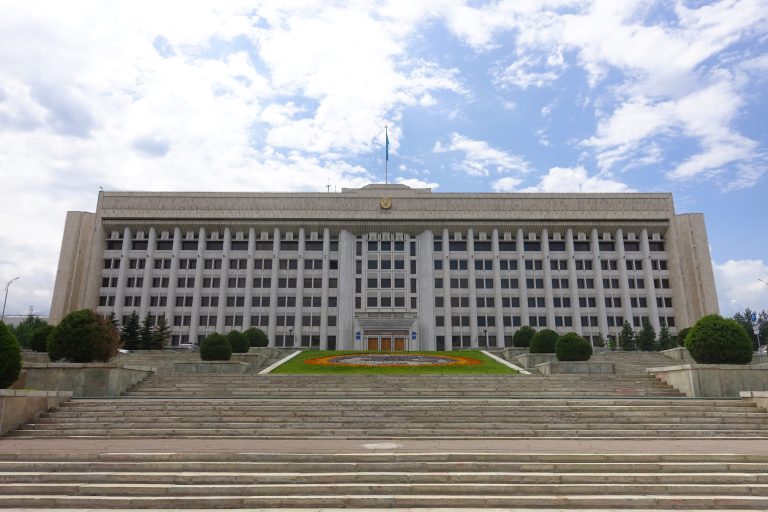
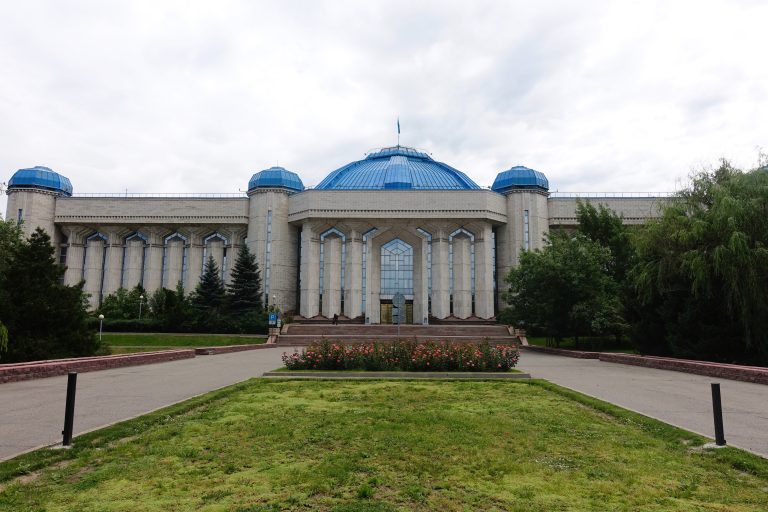
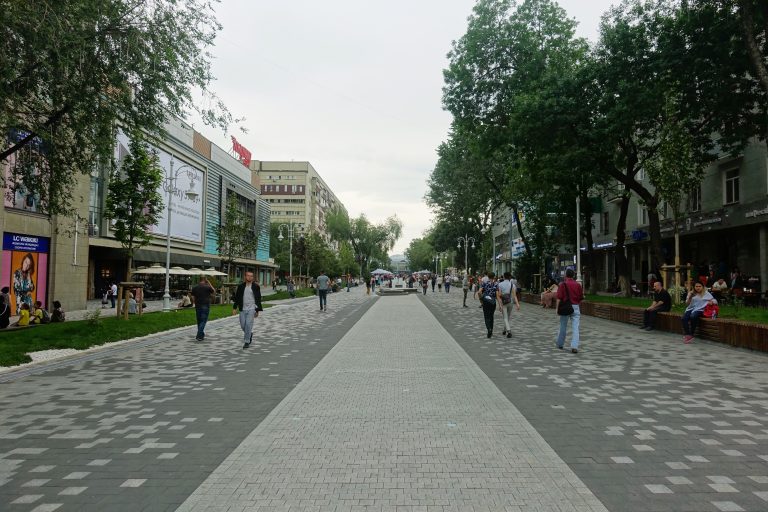
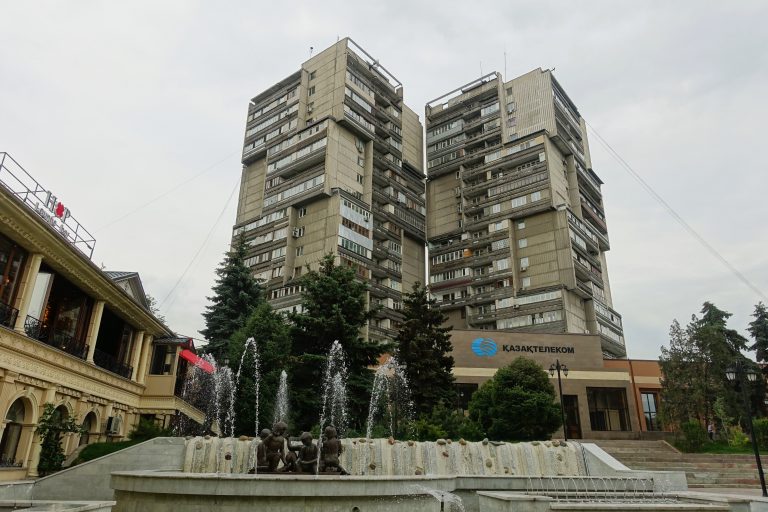
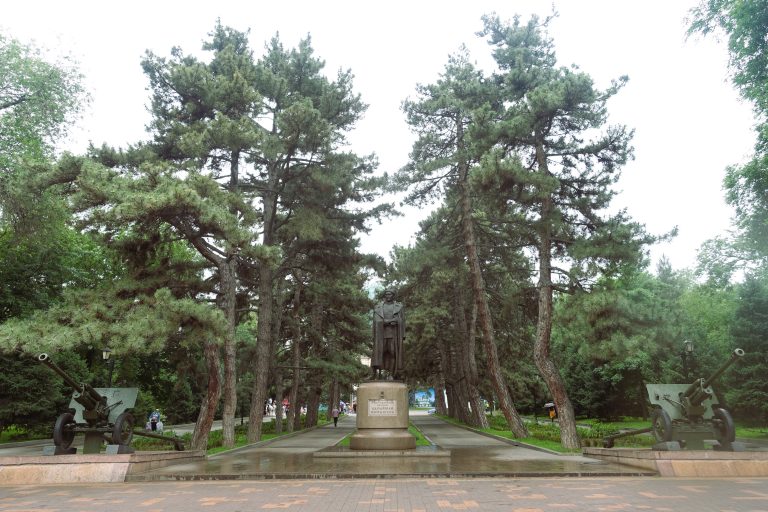
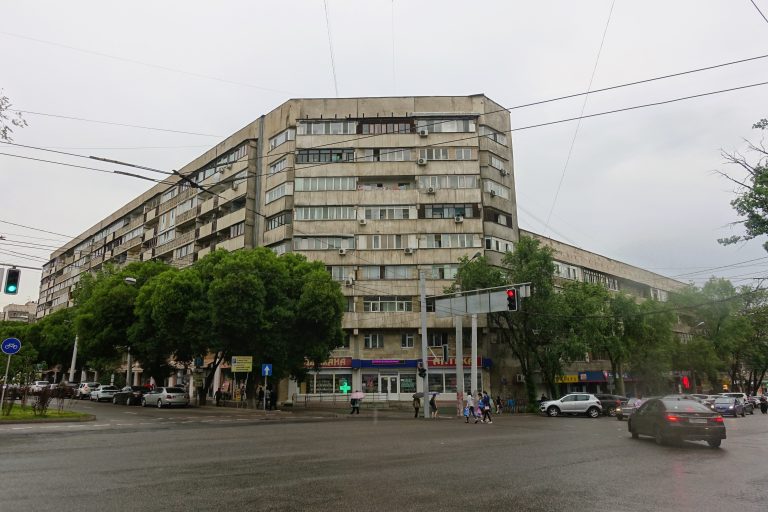
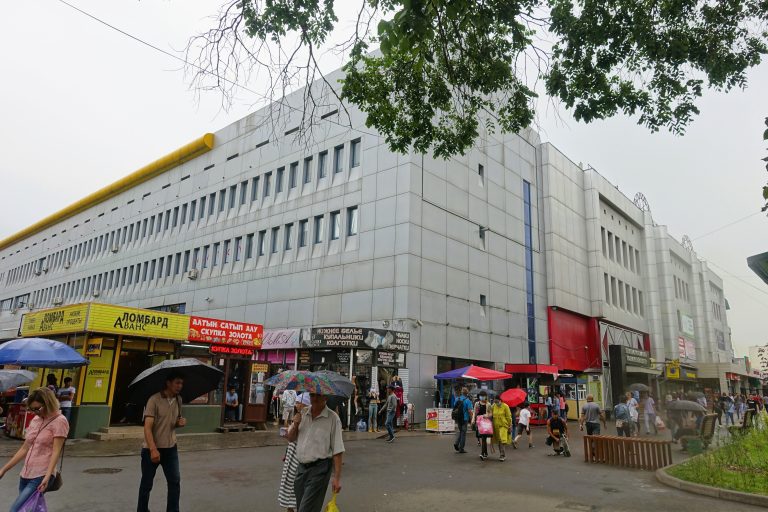
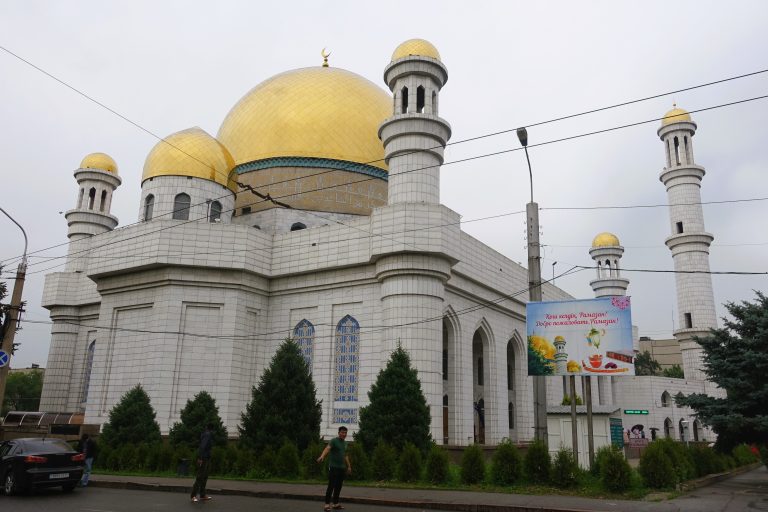
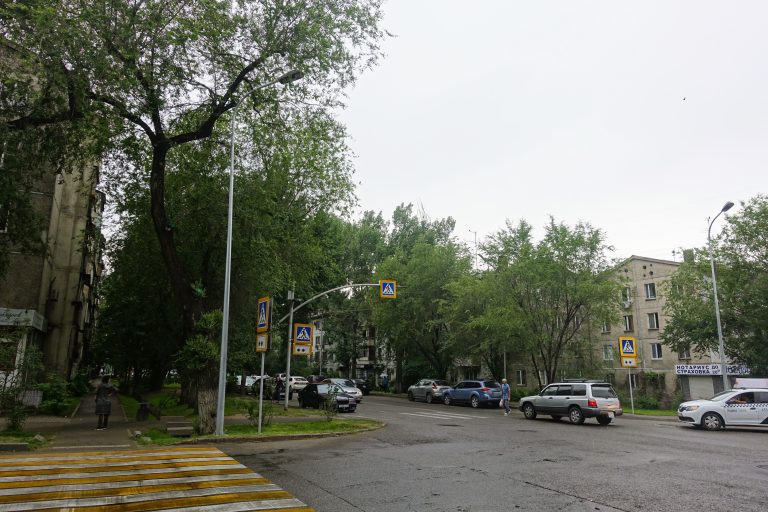
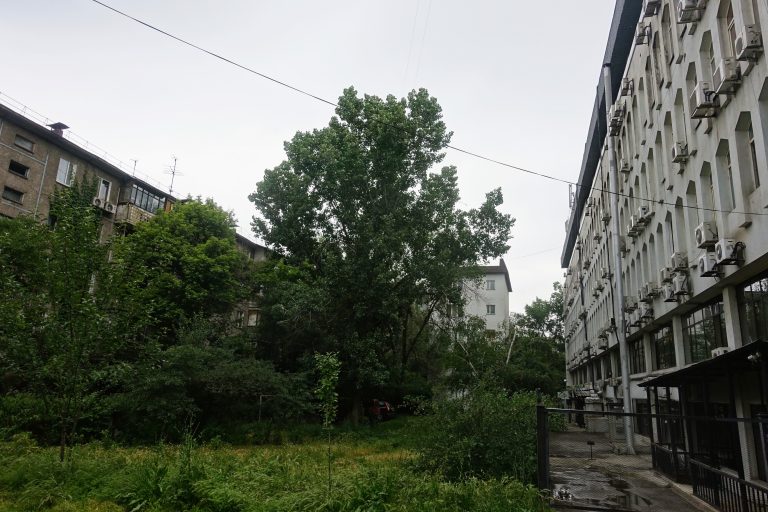
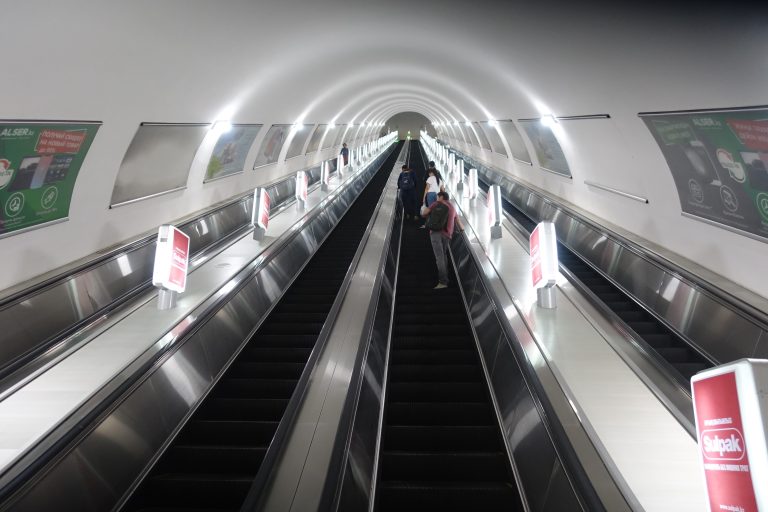
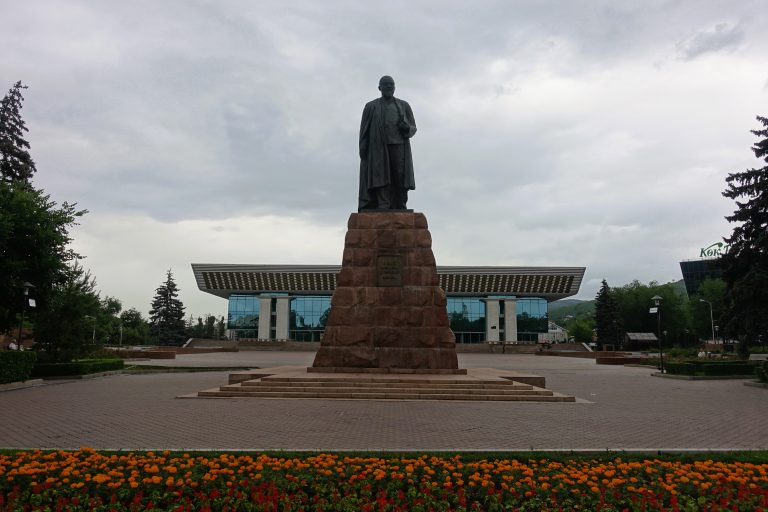
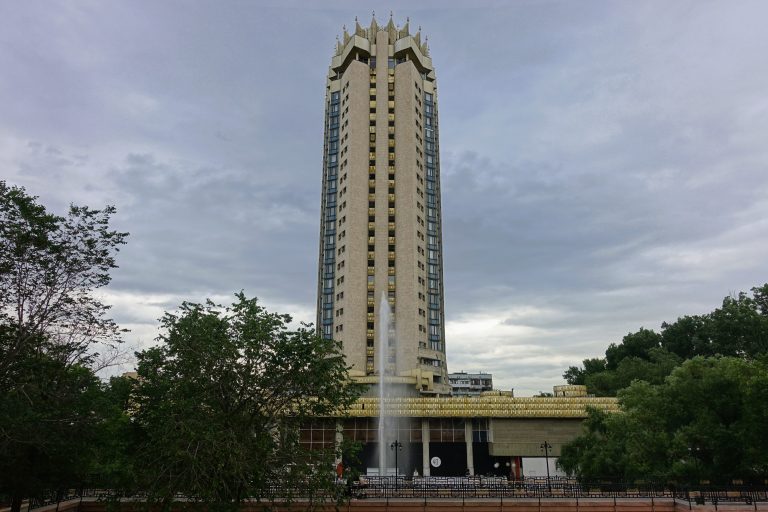
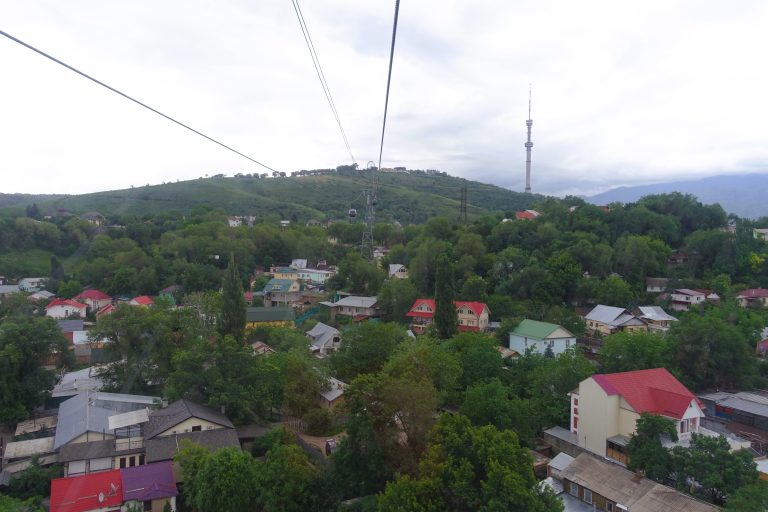
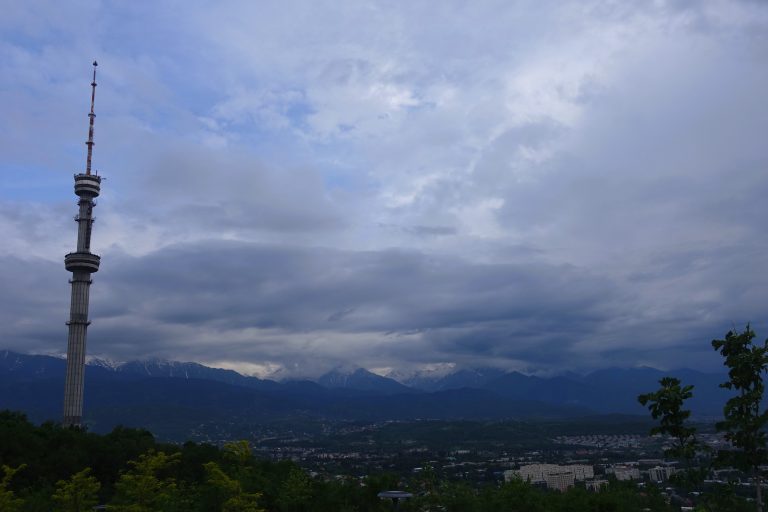
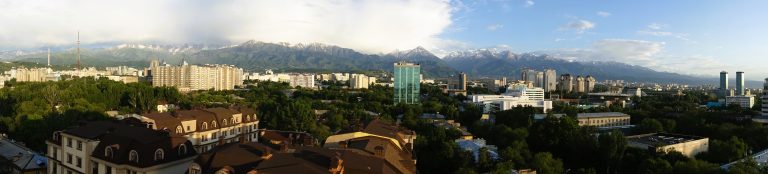
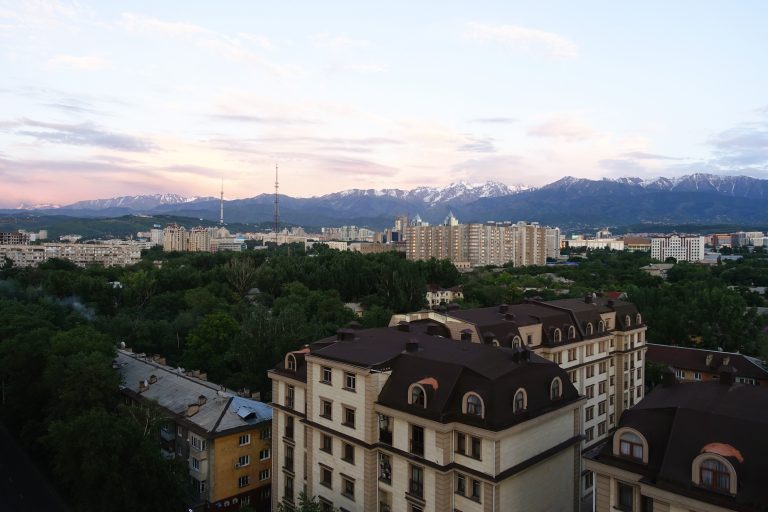
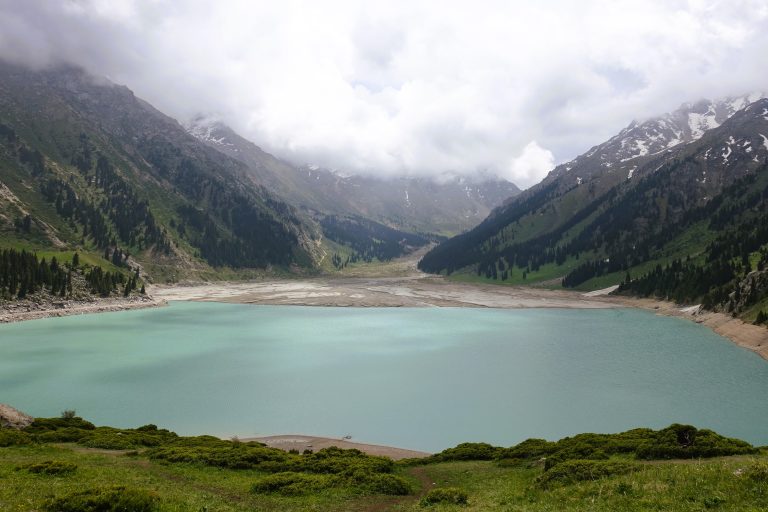
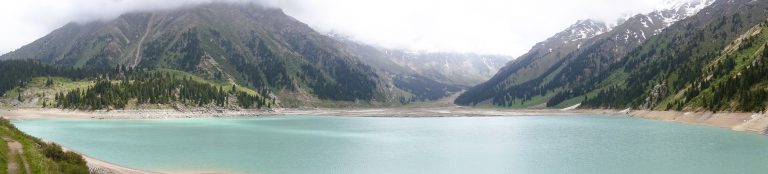
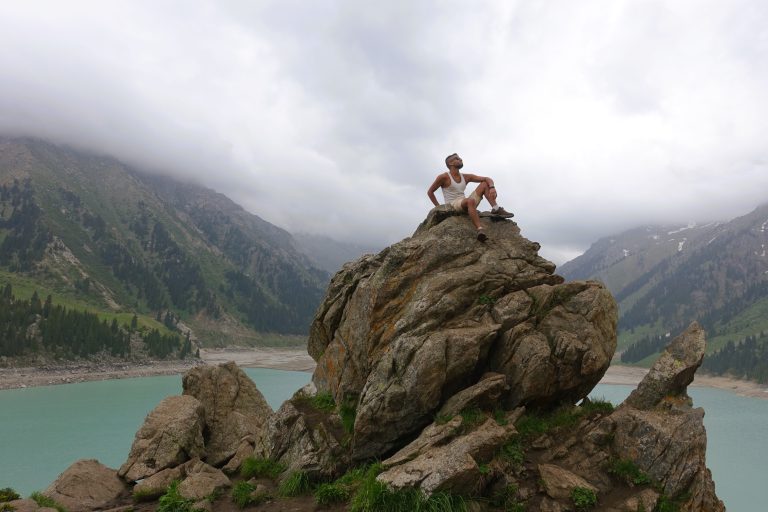
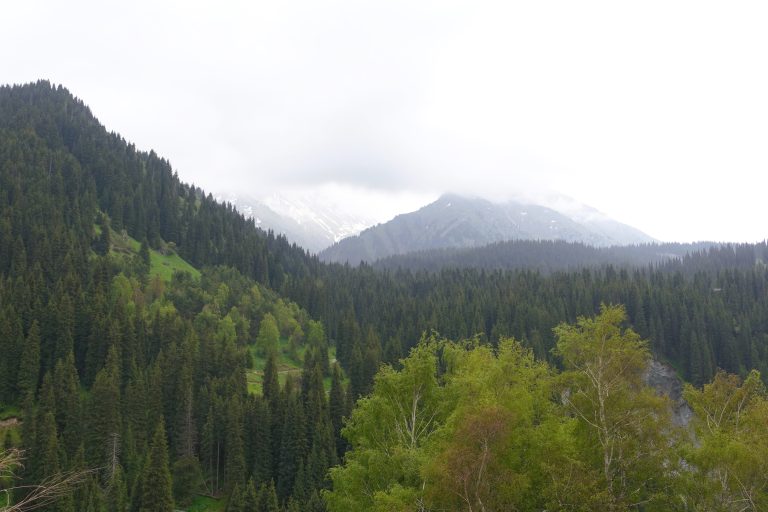
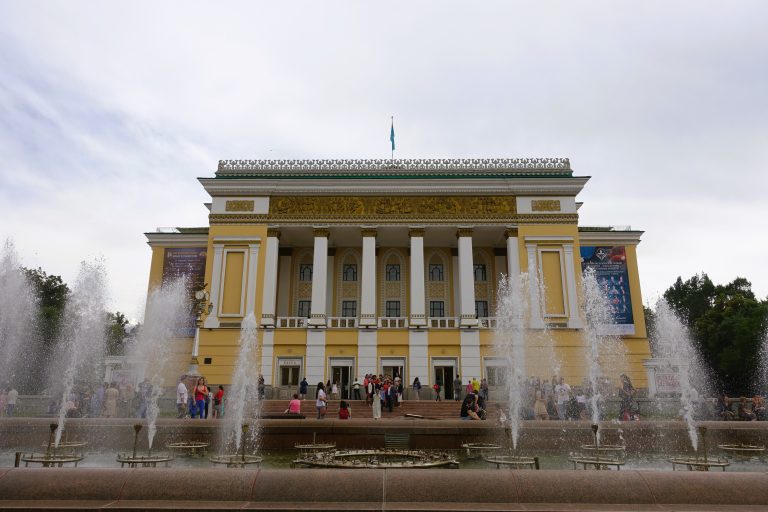
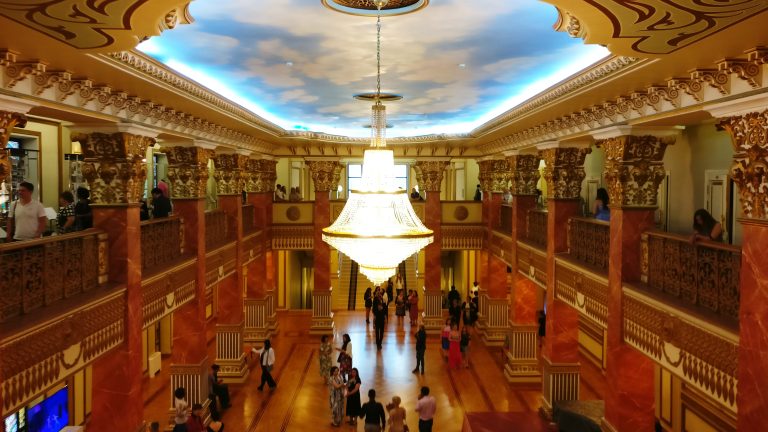
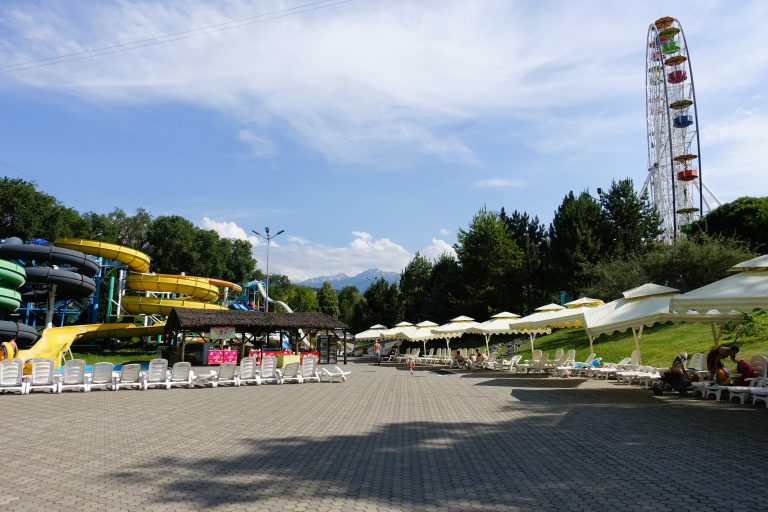
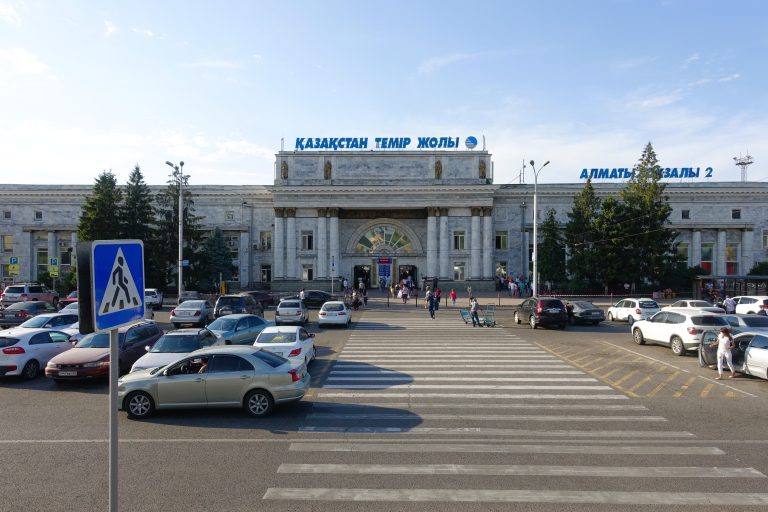
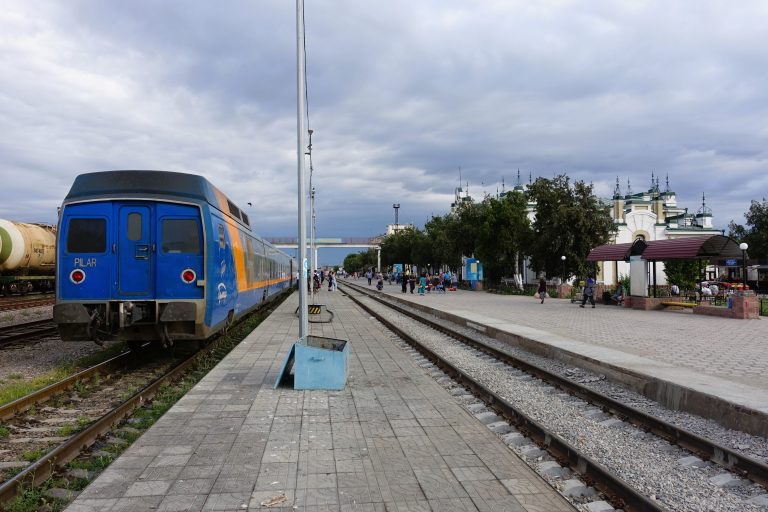
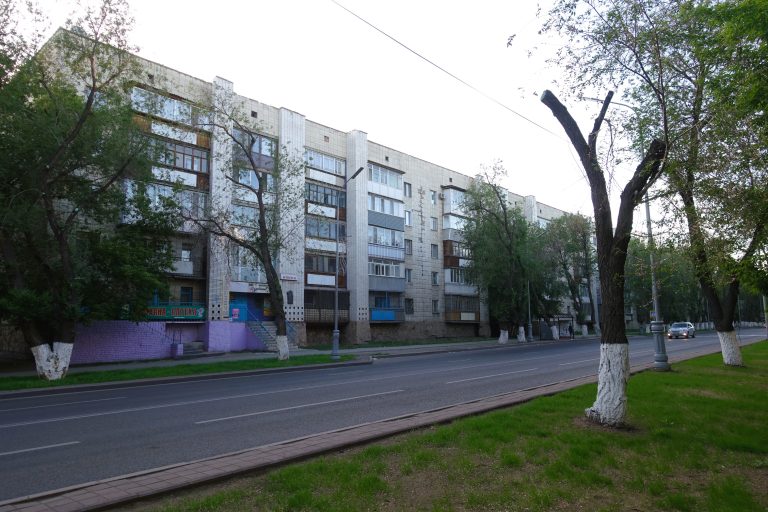
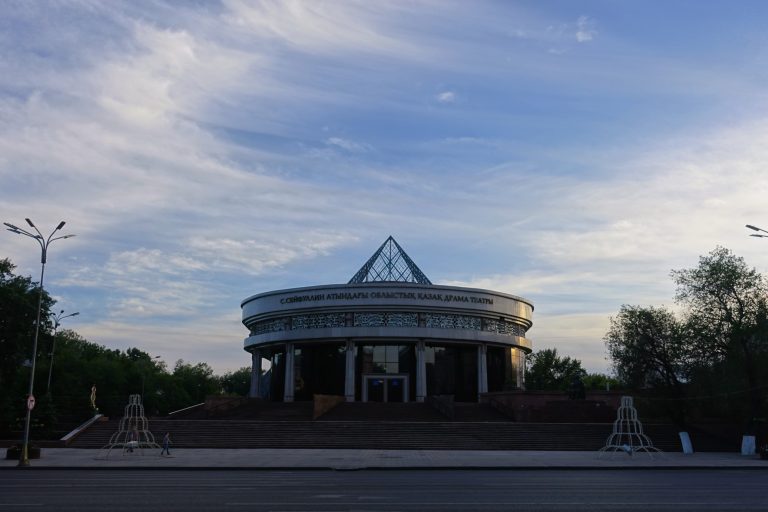
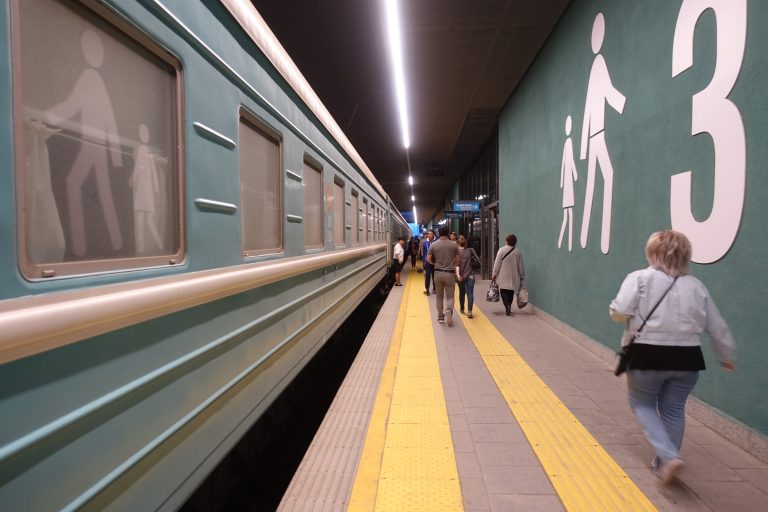
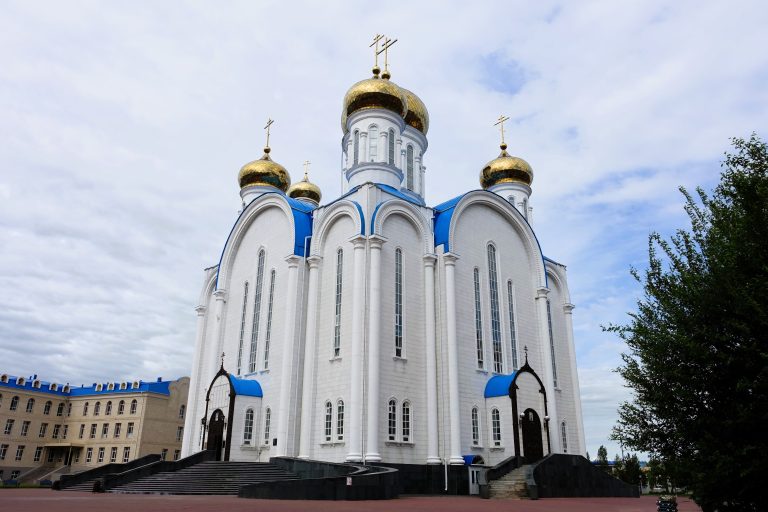
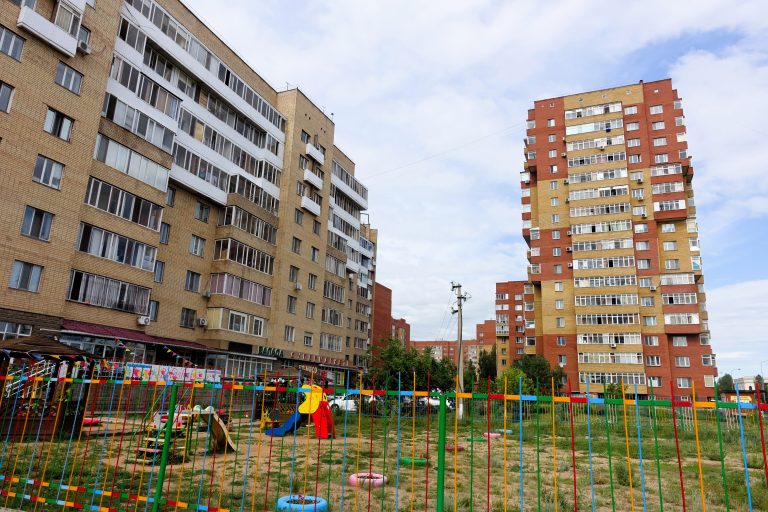
A pano from the rooftop of my excellent (and now sadly defunct?) hostel! Typical scene: grey or brown concrete blocks, with a random shop/restaurant/bar nestled on ground level. St Nicholas' Cathedral Iconostasis (? - religious terminology not my strong point) inside the cathedral Almaty Metro. Clean, safe, efficient, though not that busy (in terms of subway trains or passengers). Republic Square... a work in progress... City Mayor's Office, one of many intimidating Soviet relics Central State Museum of Kazakhstan (I didn't go inside due to lack of English info + general disappointment at museums outside the West). Arbat - the closest thing to a 'city centre' here Soviet brutalism vs. classical-yet-modern opulence at Arbat Park Panfilov, commemorating a Kazakh infantry unit that defended Almaty from Nazi invaders Typical street scene (ignore the gloomy facades and weather it was actually lots of fun being here) Green Bazar, the enormous fake market of Almaty Central Mosque - couldn't figure out how to get inside (a running theme in Kazakhstan's mosques) Residential blocks and greenery abound, even right in the 'city centre' Residential compound, right next to Arbat As in Russia, the metro is way *way* underground here... Republic Palace + a statue of Abay Kunanbayev Hotel Kazakhstan, Soviet chic at its peak Funicular ride up to Kok-Tobe Hill Almaty Tower + Tian Shan Mountains Almaty skyline (evening) Sunset, which takes place around 8:30/9pm! Big Almaty Lake - a stunning natural reservoir 1hr's drive outside the city It was here where two policemen showed up out of nowhere and announced that they were going to arrest us for approaching the shoreline (apparently illegal). After much wrangling and some phonecalls to the central police hotline, we got the imminent arrests commuted to $100 fines which then became $20 fines and finally $10 fines! The prospect of being thrown into jail did little to curtail my enthusiasm for clambering giant rocks and striking embarrassing poses. Hills in the vicinity of Big Almaty Lake Abay Opera House We went inside the opera house to watch the ballet which was a great novelty when kitted out like broke backpackers. A random, Soviet-era water park in the city centre, where we spent one last day together before parting ways (post-Canyon and Lakes). Almaty-2 Railway Station. To begin the rest of my journey. A typical Kazakh train. Sat on this one for 13hrs to get to Turkistan.

Charyn Canyon + Kolsai Lakes (2018)

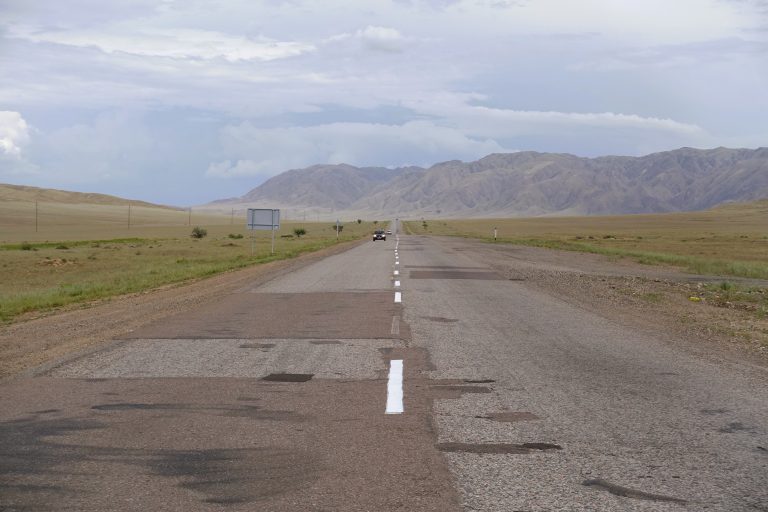
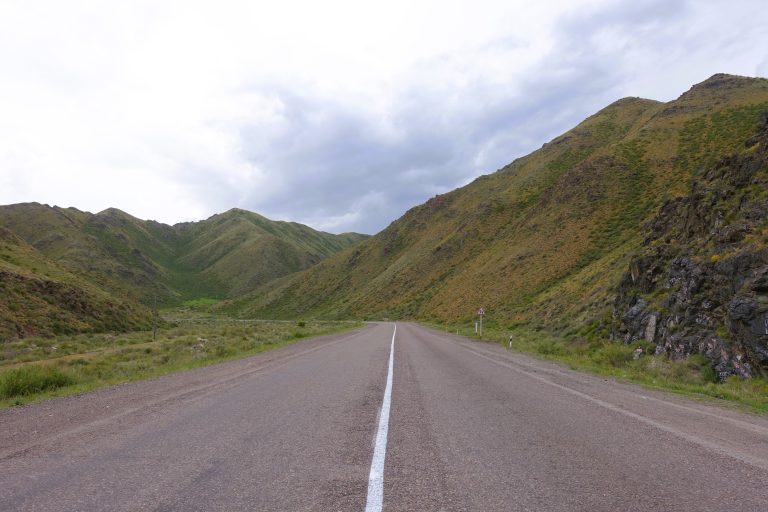
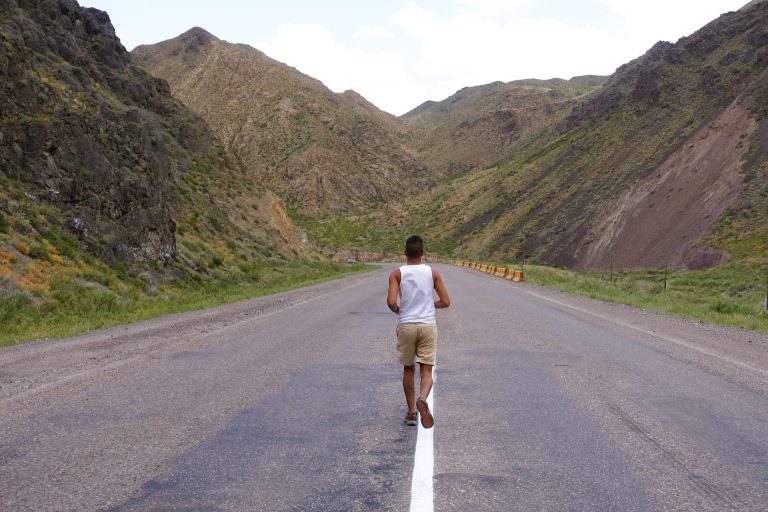
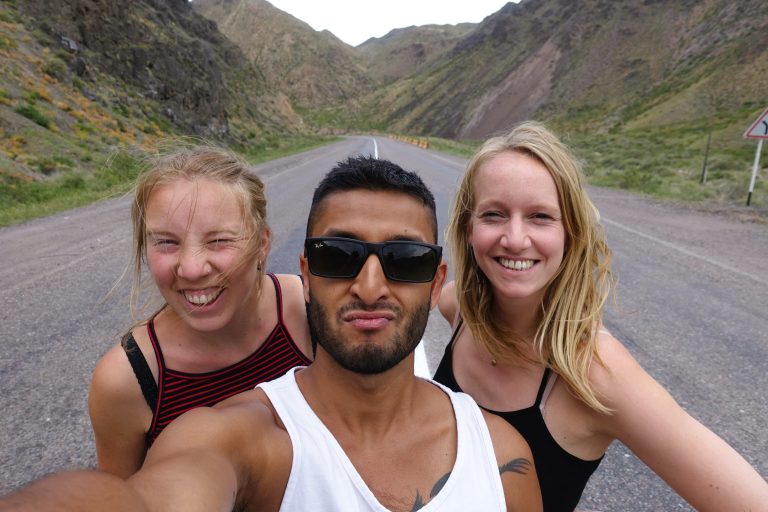
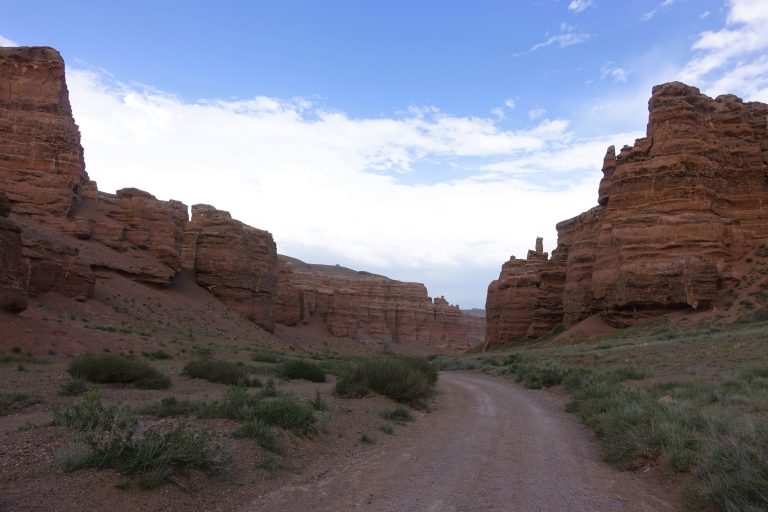
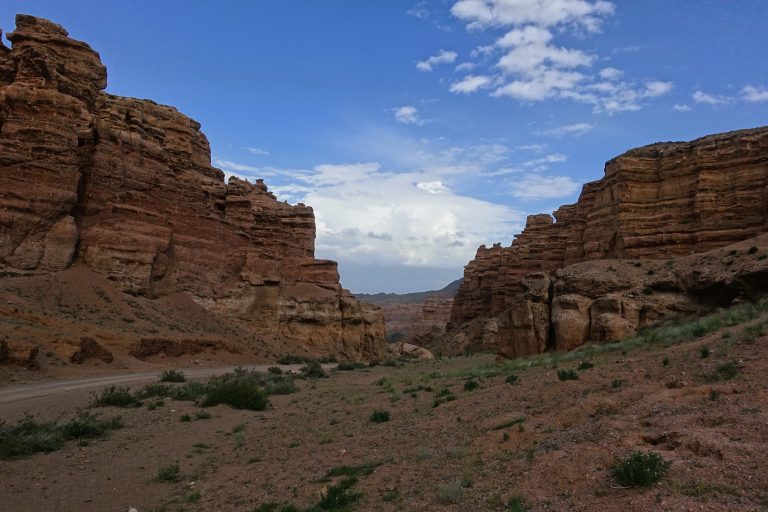
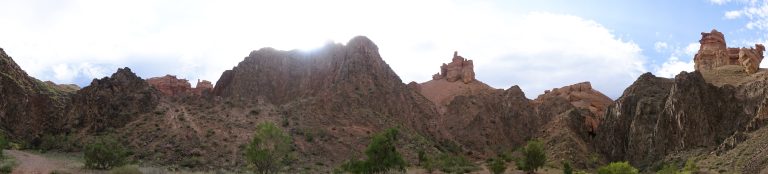
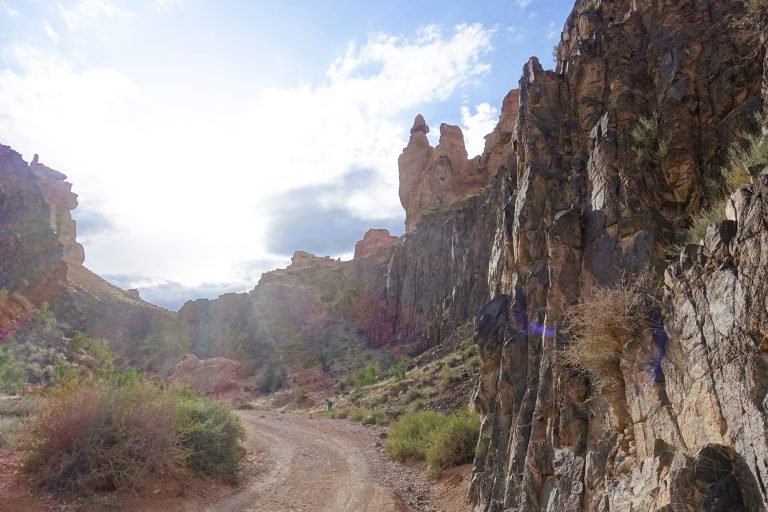
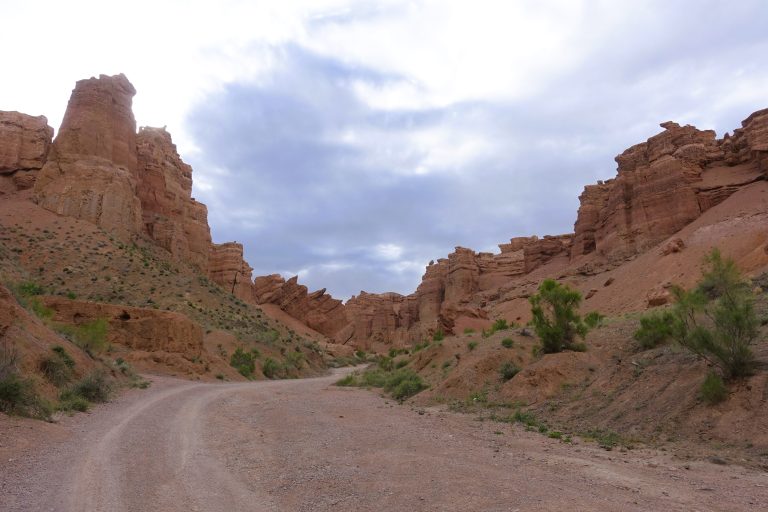
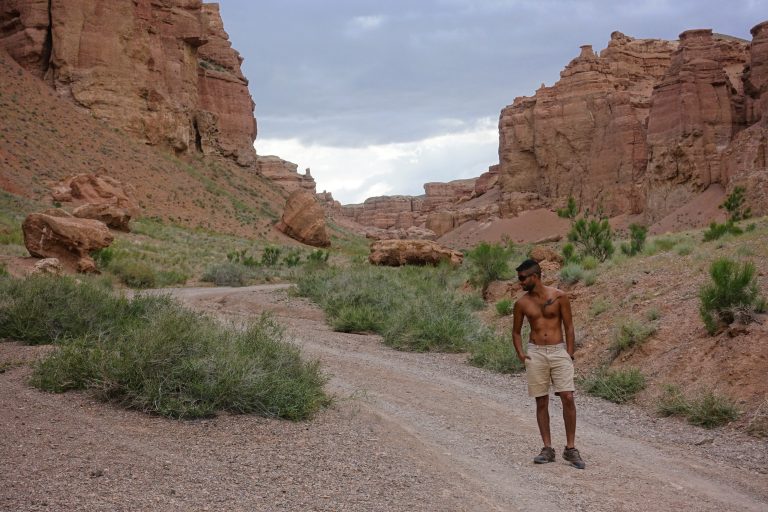
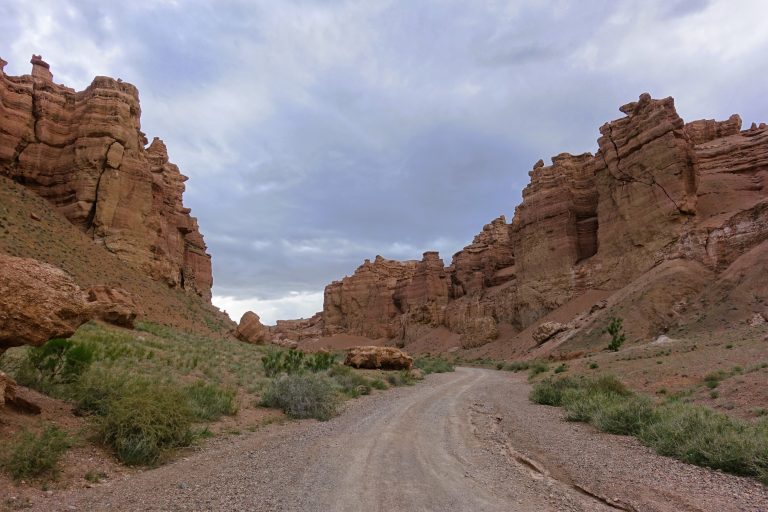
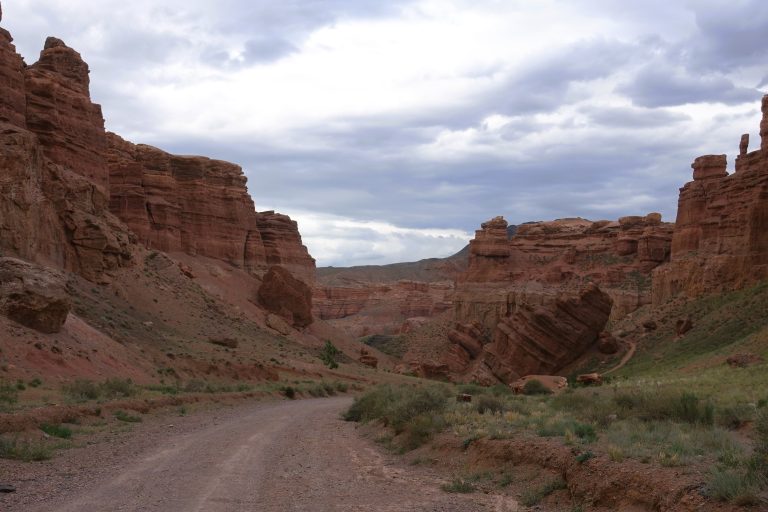
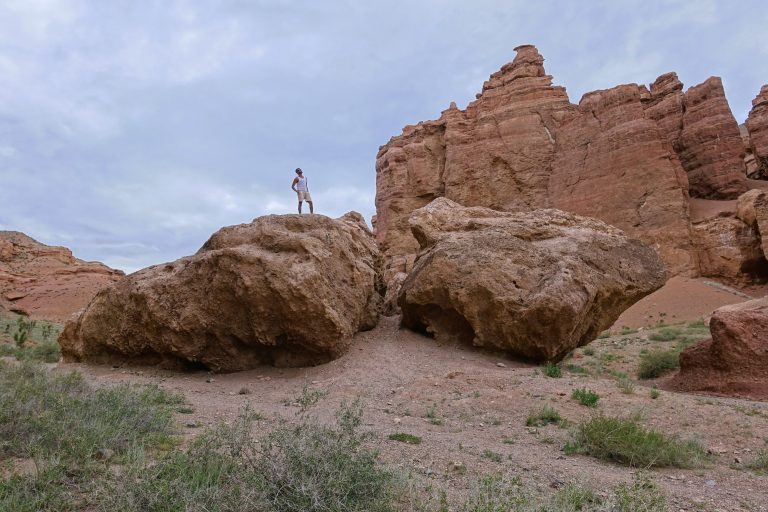
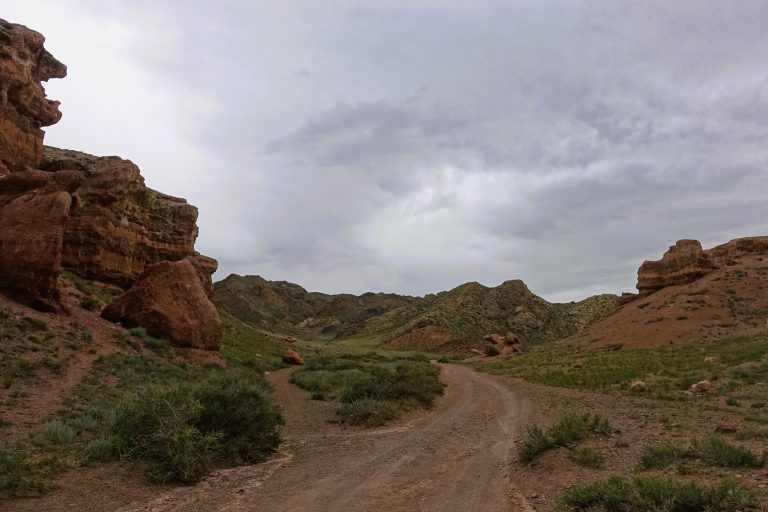
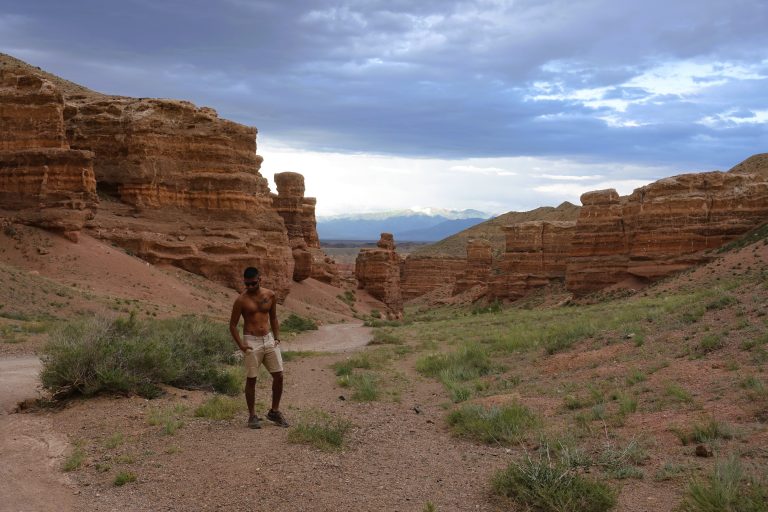
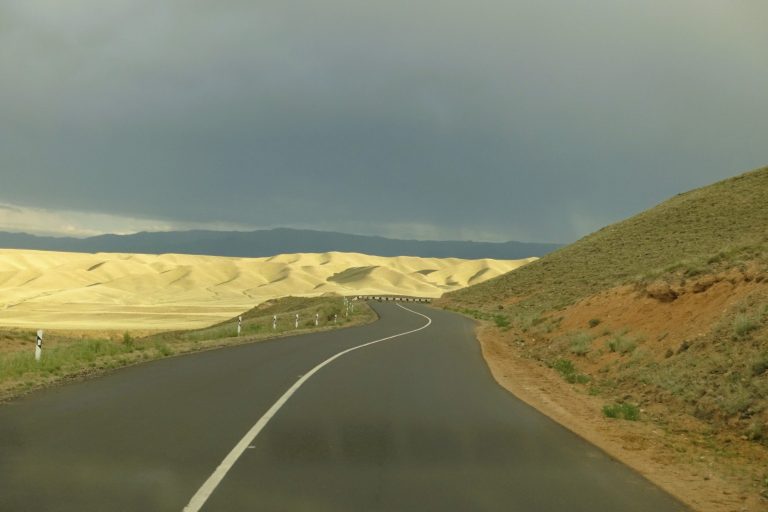
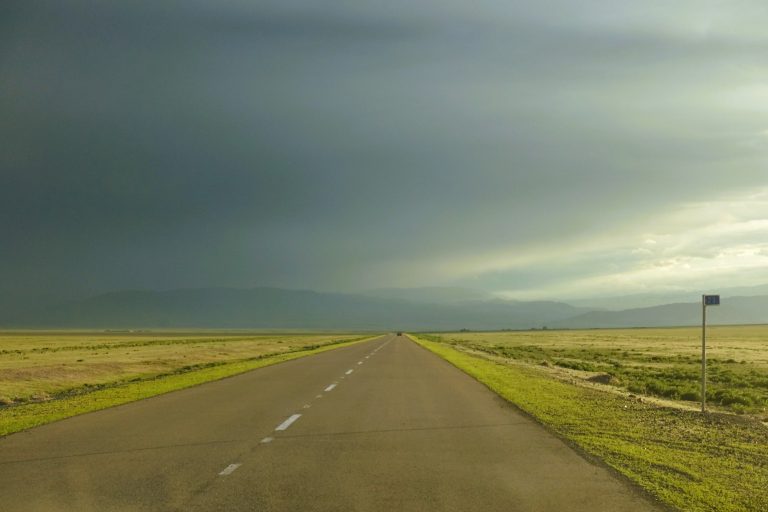
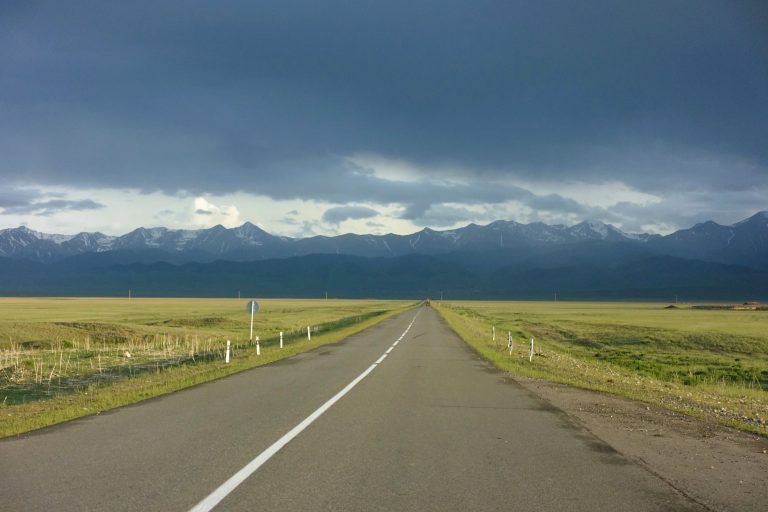
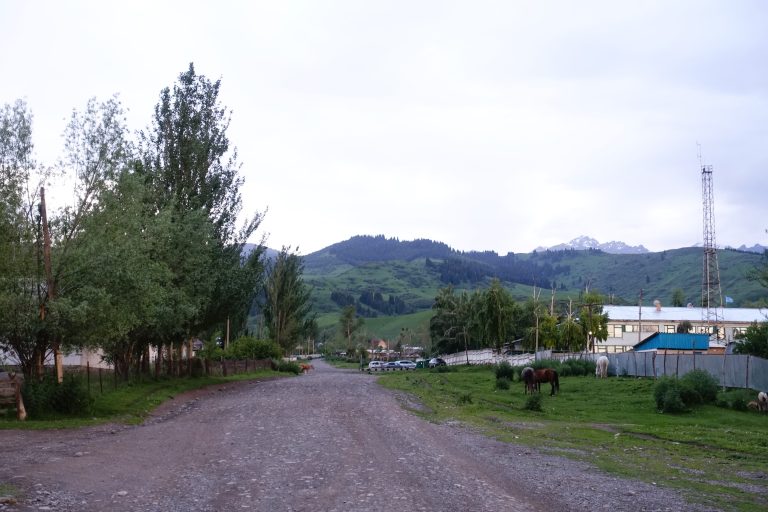
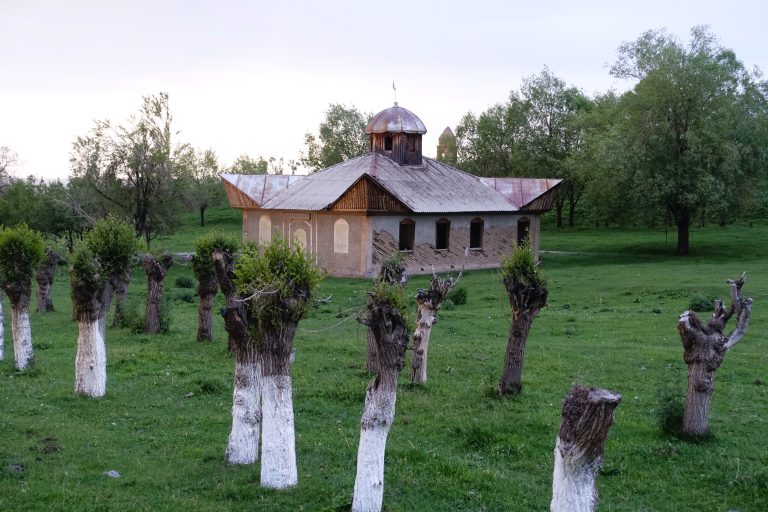
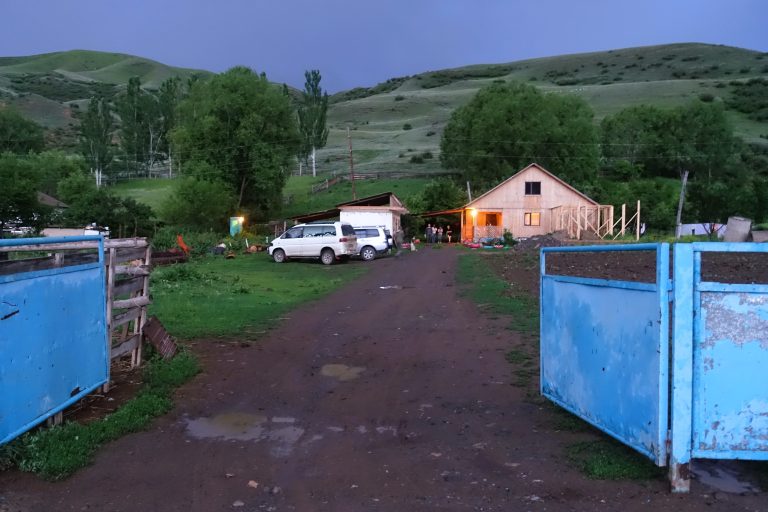
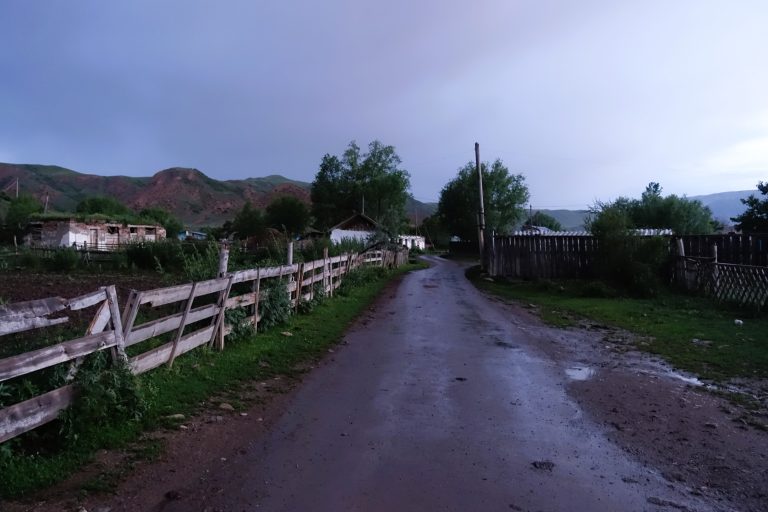
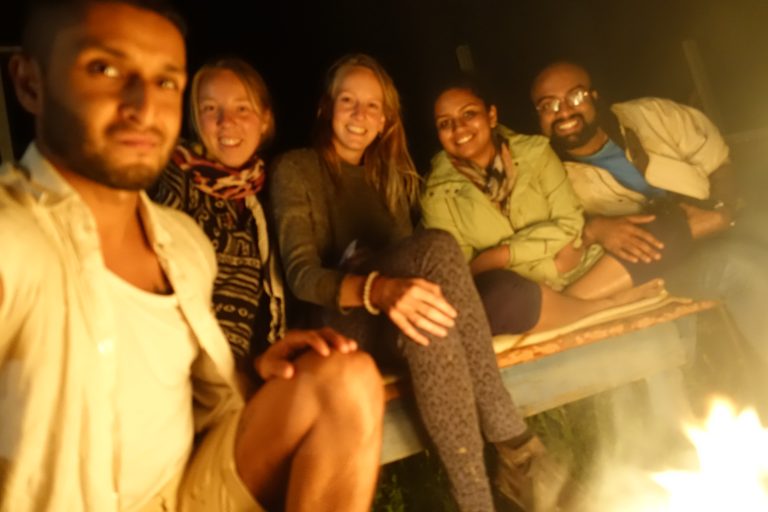
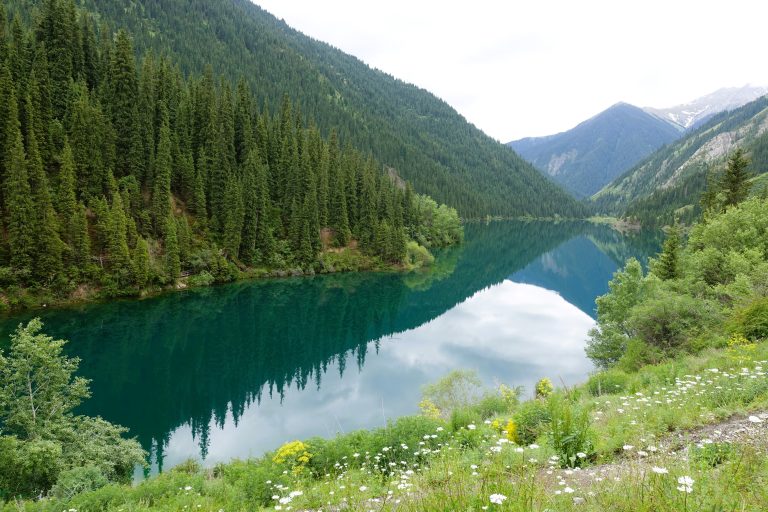
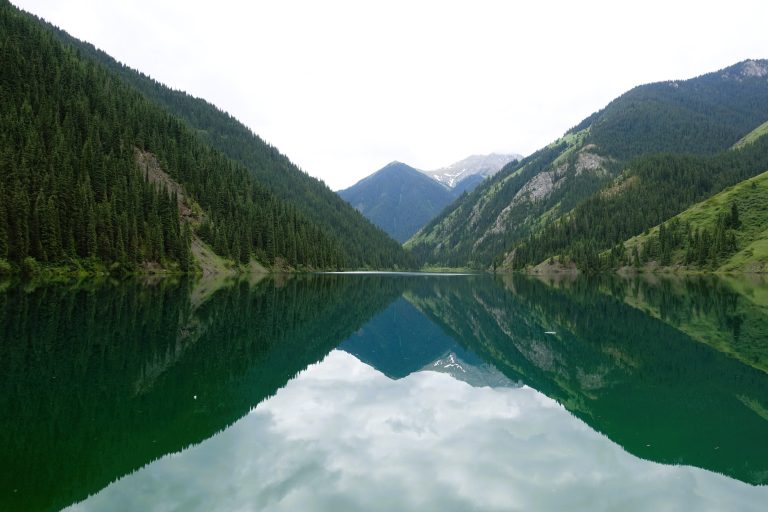
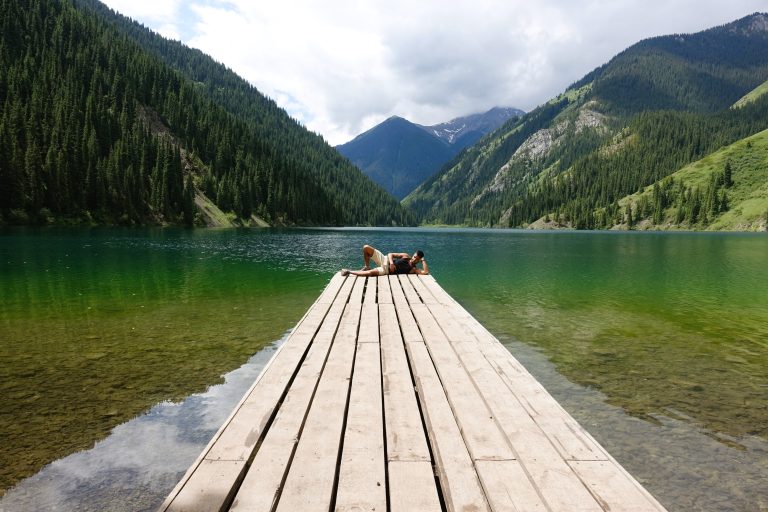
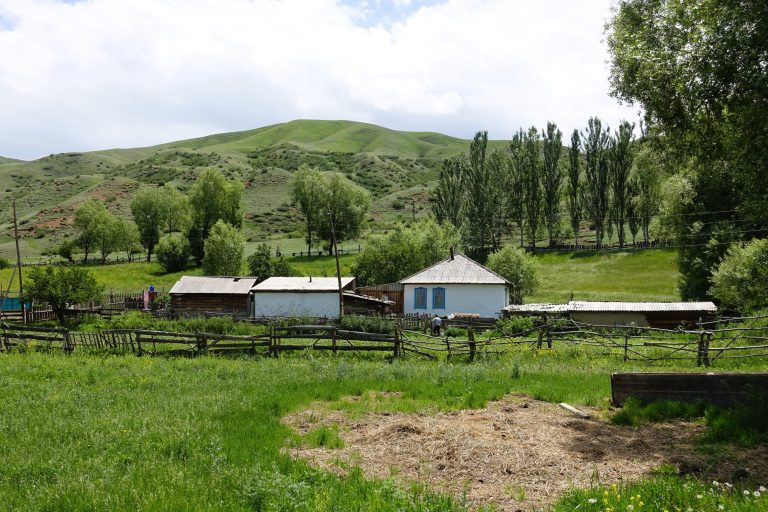
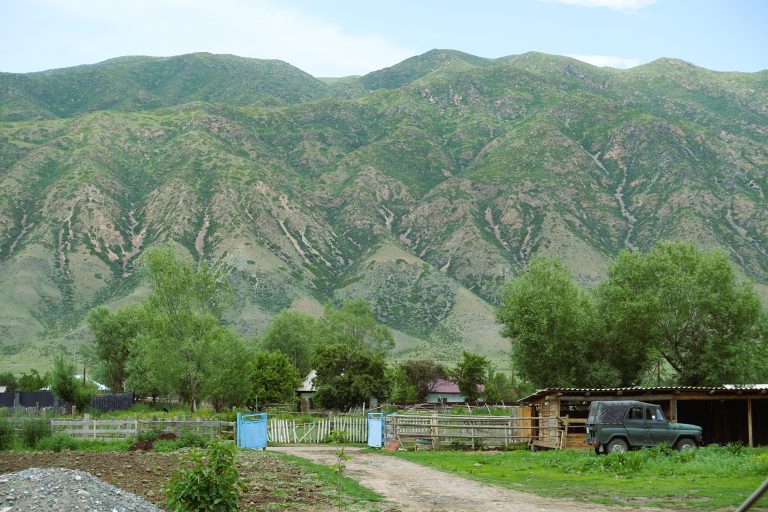
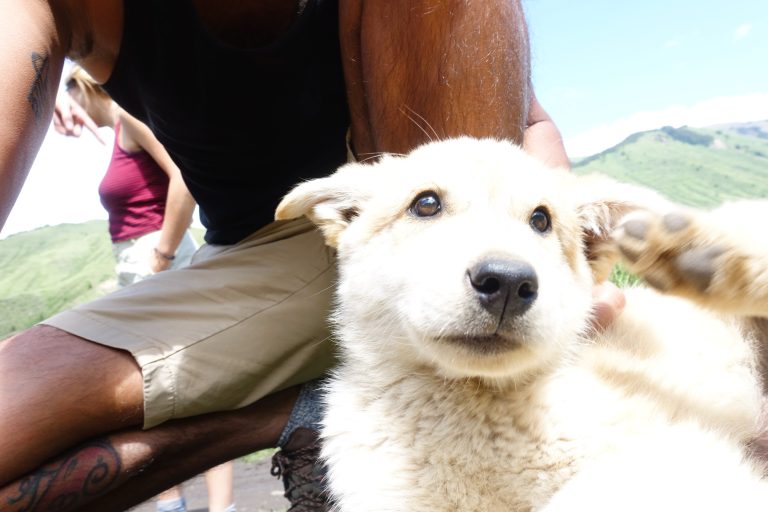
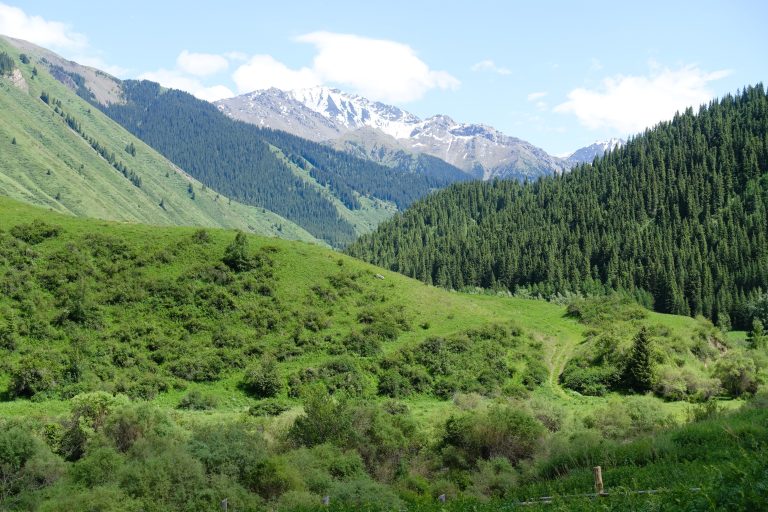
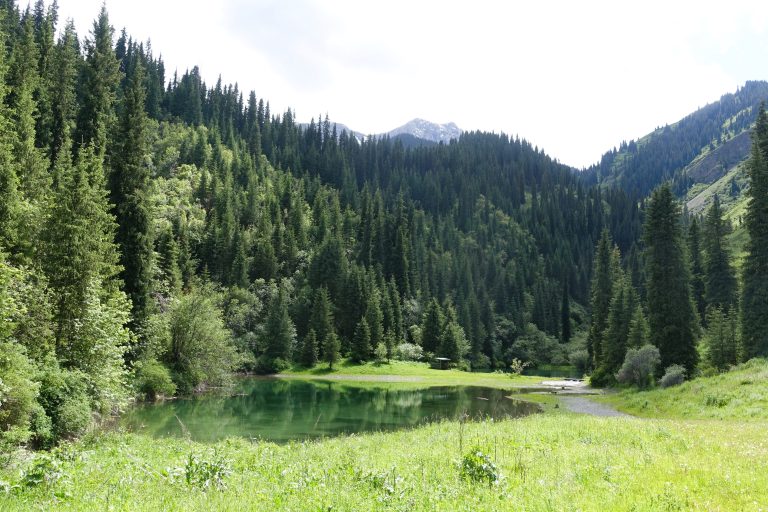
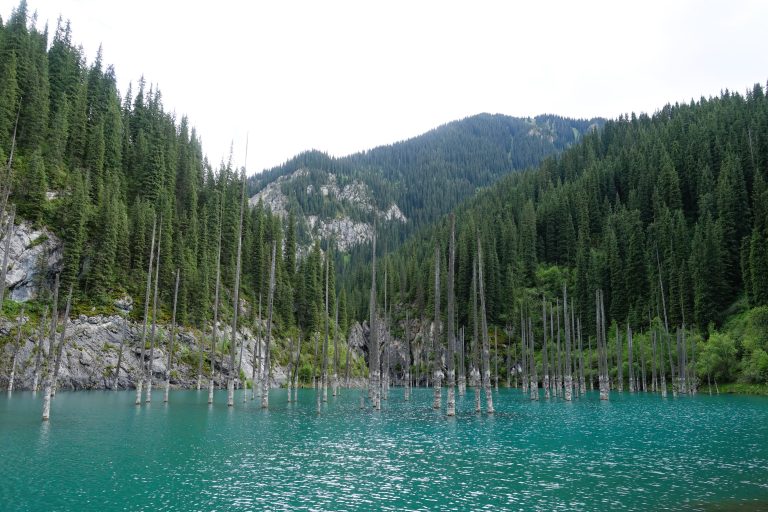
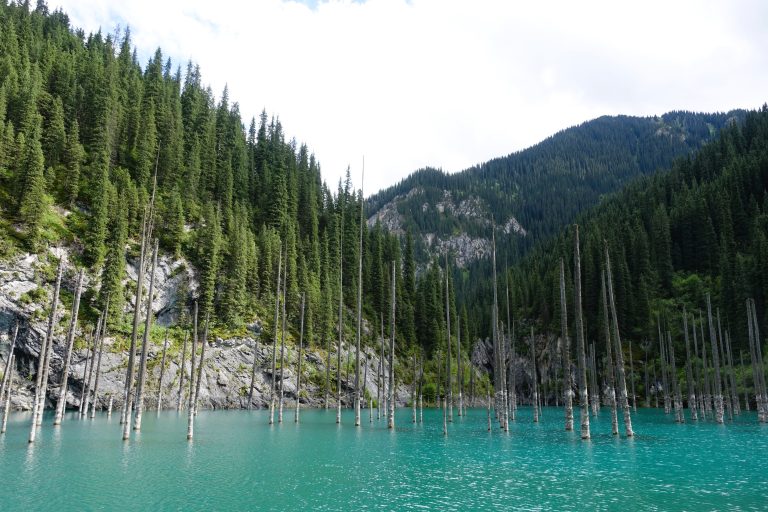
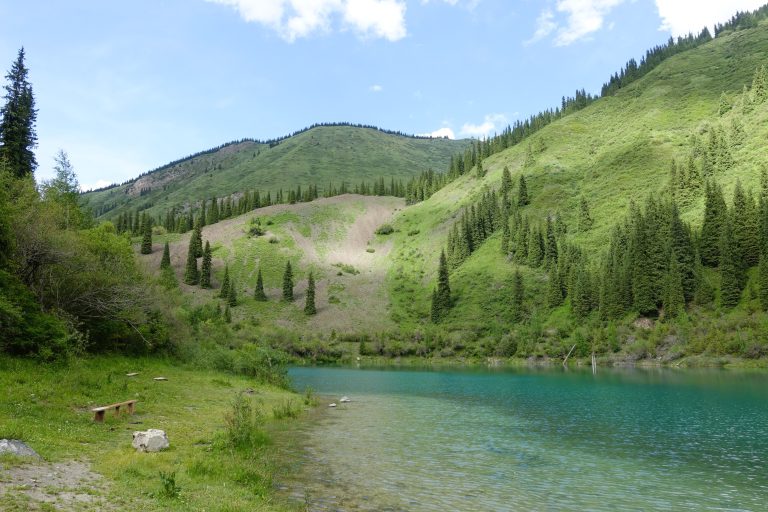
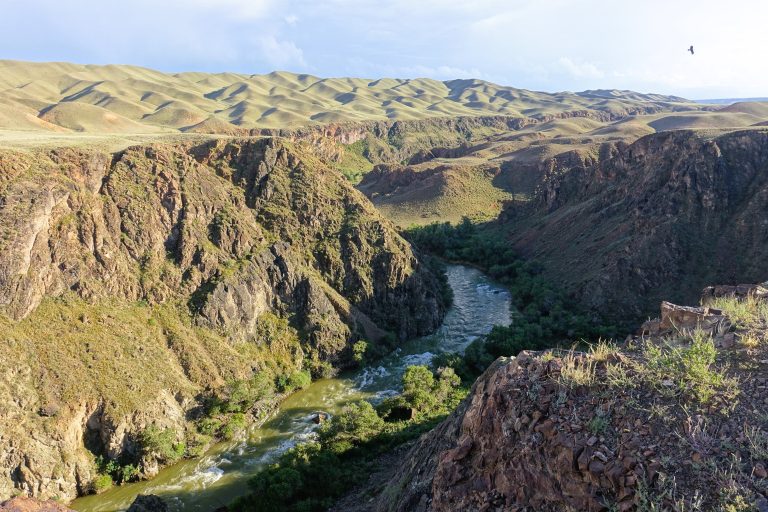
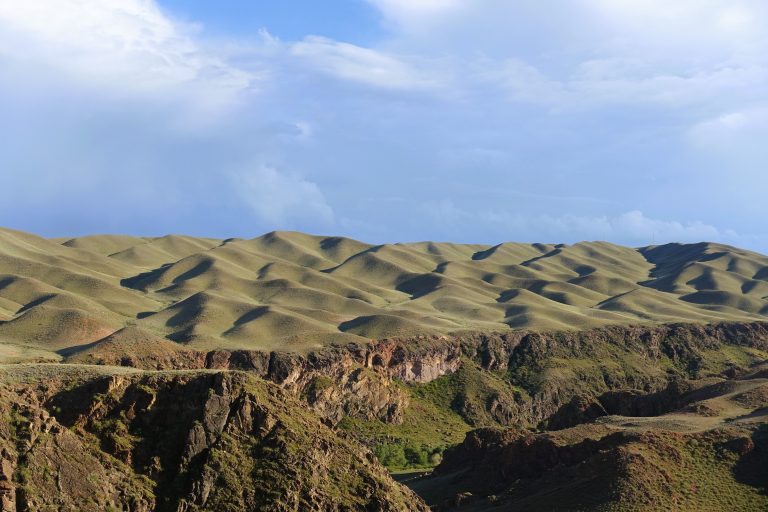
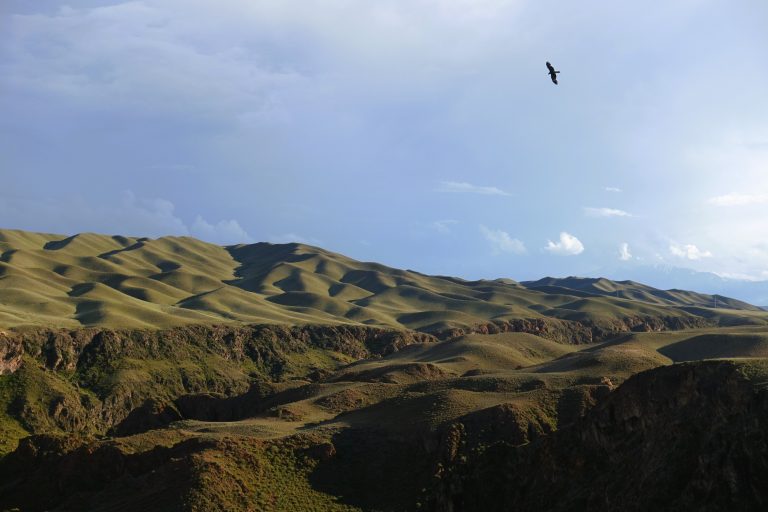
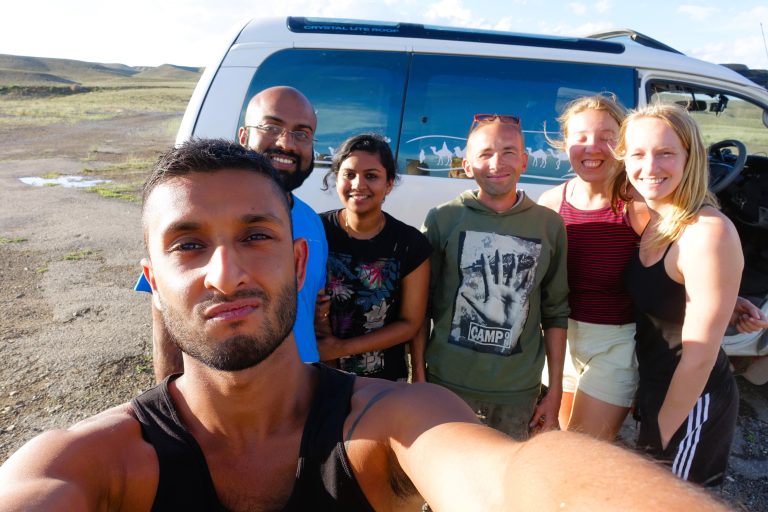
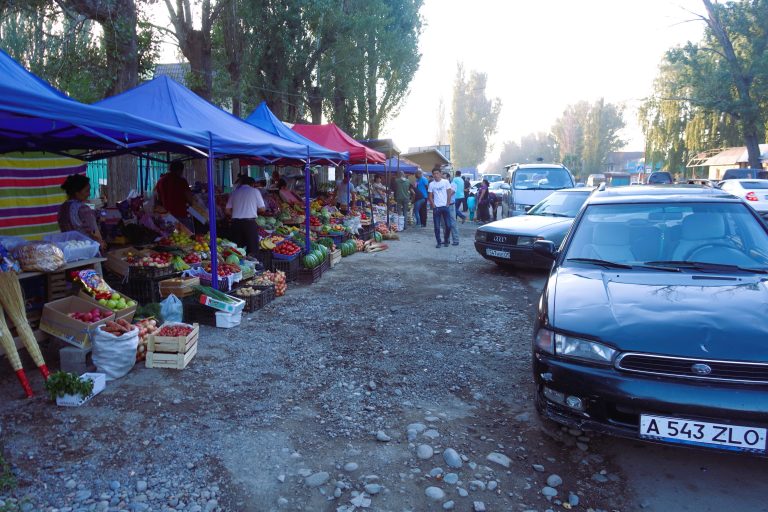
After the ballet outing from the previous gallery, we went for drinks and late night karaoke - which resulted in collective hangovers for the next day's road trip. But what a trip it was! I fell in love with Kazakhstan's empty roads, so you'll see a few of these... Our car broke down for a little while, which gave us a chance to take stupid pics. LOVED how every car that passed by would honk their horns and wave at us too! Brown Brit and two Dutch girls stranded on a Kazakh road and loving it. Not a sentence you hear too often. Alright, first destination: Charyn Canyon. I think they tried to claim that this was the second largest canyon in the world, which Google told me was not the case. Spectacular nonetheless. Pano of the canyon We pretty much had this entire place to ourselves, which was an incredible feeling. Fun formations at Charyn Canyon Shirtless pic attempt #1 Charyn Canyon Charyn Canyon I mean, you can't expect me to walk past a giant rock and NOT mount it. Charyn Canyon Shirtless pic attempt #2 More country roads. Like an oil painting. Never has endless barrenness been so enchanting. By this point, I'd fallen head over feels for Kazakhstan. Being constantly flanked by the Tian Shan mountains helped. A typical Kazakh village around these parts. One such village had this very rustic-looking mosque which caught my eye. Saty village. Home for the night. A village that felt incredibly remote, but this homestay had a couple of Singaporean ladies and a gang of vodka-swigging Russians (inc. a city mayor!) for fun. Who'da thunk. Later learned that Saty is the base for many trips into this region. A beguiling village, had a lovely time here. Had an even lovelier time with these wonderful people, who asked for the fire to be lit at night after the Russians knocked themselves out. After a good night's kip, it was off to the spellbinding Kolsai Lakes the next morning. A perfect reflection at the Kolsai Lakes. A less than perfect man at the Kolsai Lakes (could've found a better pose, surely). If you're wondering why we didn't get in the water it's because it was absolutely freezing. Back to Saty for lunch and a wander during daylight. How imposing is this background? Met the cutest puppy ever on our way back into the national park; the most playful and loving little soul who very nearly ended up pup-napped by me after he showered me with kisses and following me around everywhere. I still miss him. :( The scenery around Lake Kaindy somewhat made up for the trauma of not stealing the puppy. Somewhat. Absolutely lush. Only later did I find out that we did a mini-hike through bear territory to get here. The extraordinary Lake Kaindy. Known as the 'sunken forest', Lake Kaindy's famed for its colour (far more vibrant in person) and the tree trunks that have been preserved by its icy cold waters. We brought swimsuits out here in the hopes of dipping in the water, but no joke: it's bone-chillingly cold here. I couldn't even dip my hand in for more than a few seconds. A long drive back to Almaty brought us to those painted landscapes from earlier. Note the eagle on the right. Spellbinding scenery around Sharyn River. Note that there were actually THREE Golden Eagles circling overhead as we surveyed this area. They kept circling and swooping - as if they'd sighted prey, but none of us could figure out what. As they circled closer and closer, however, I figured it'd be best to head back into the car! Group selfie before heading back to the city, featuring Boris, our wonderful driver! Stopped at this typical market town for dinner, where restaurant staff looked at me like I had leprosy after I divulged my vegetarianism. This, despite the adjacent market stalls heaving with fresh vegetables!

Turkistan (2018)

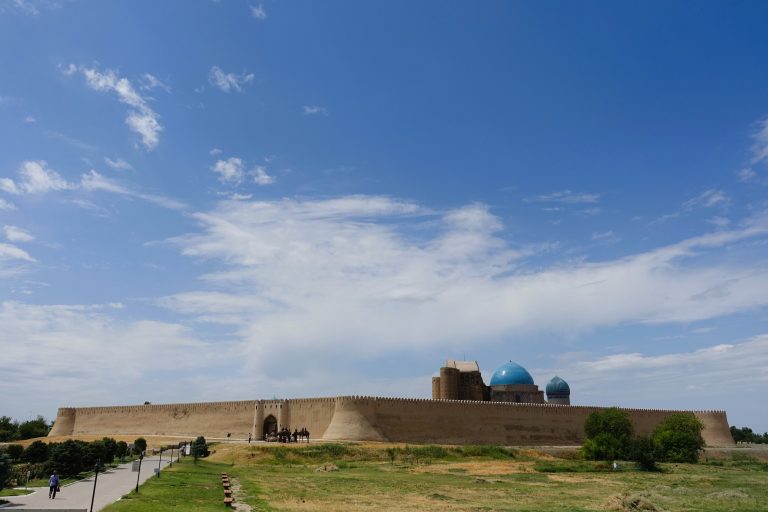
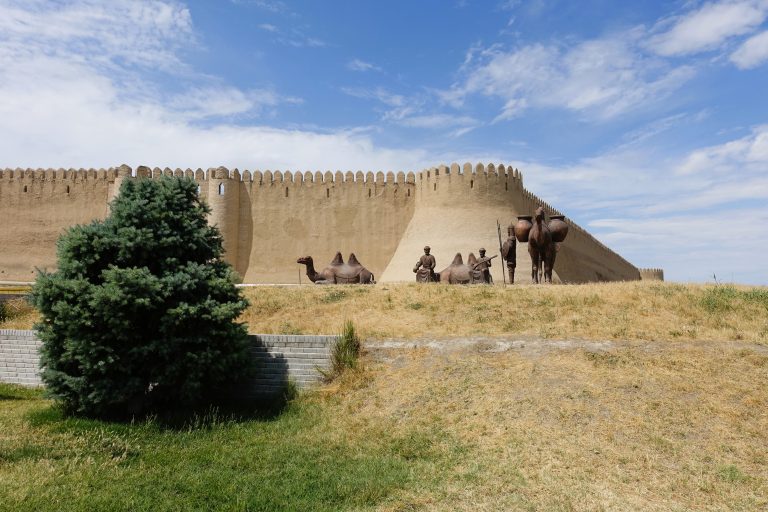
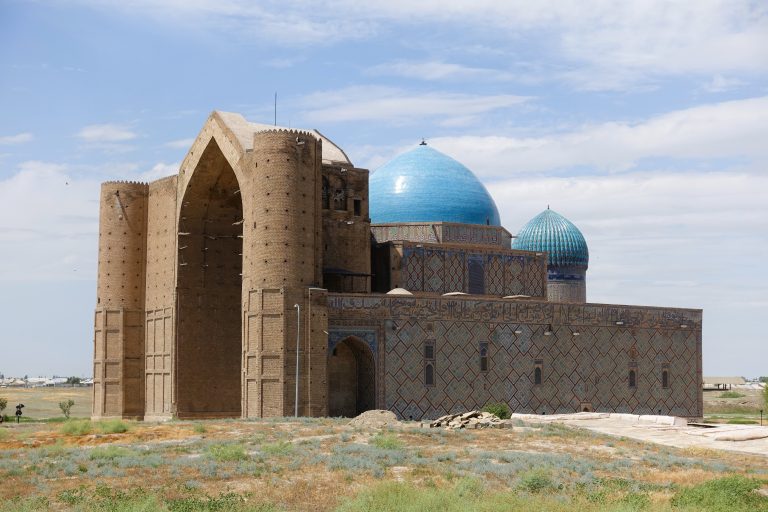
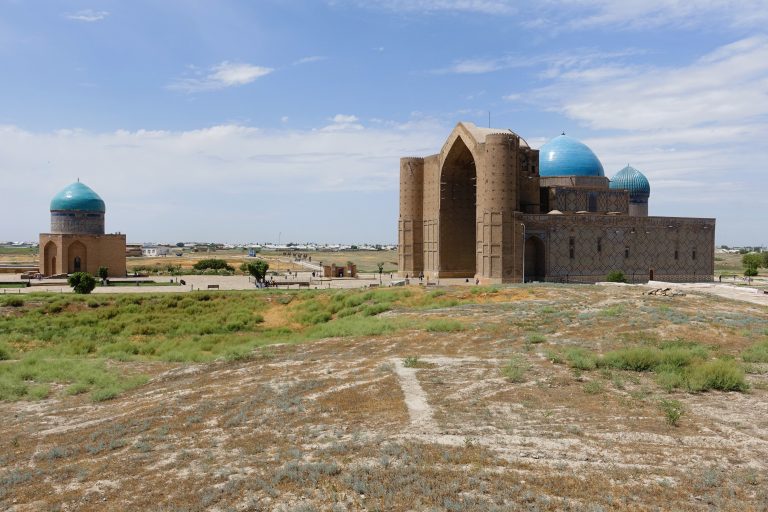
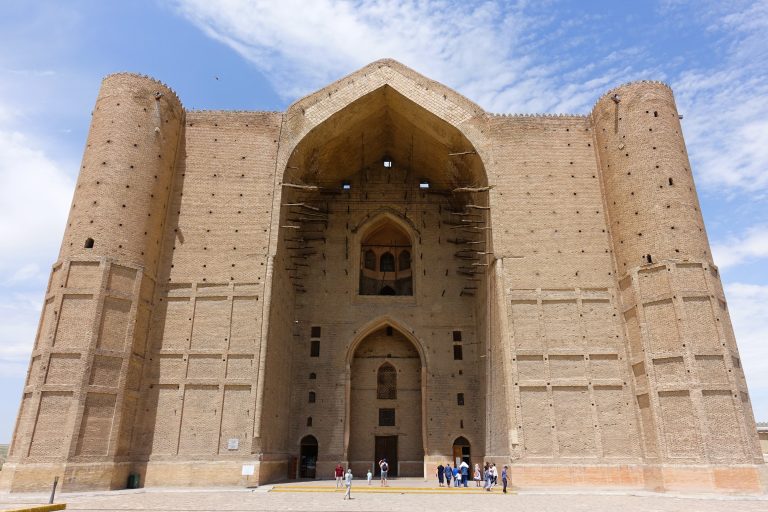
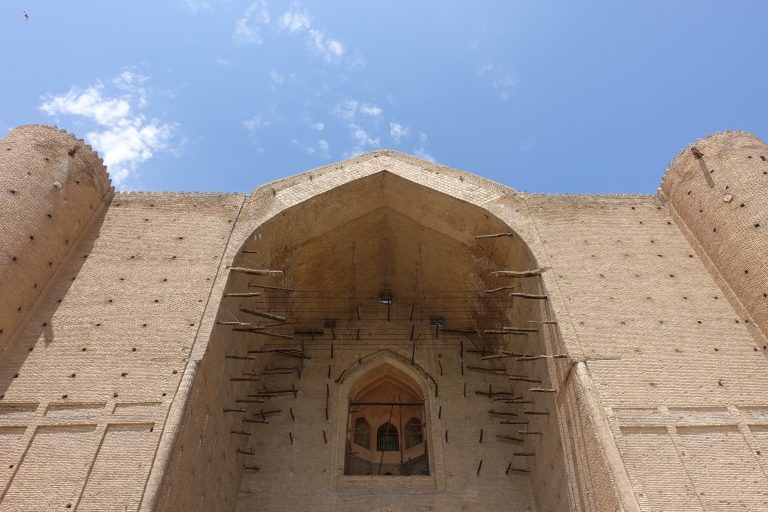
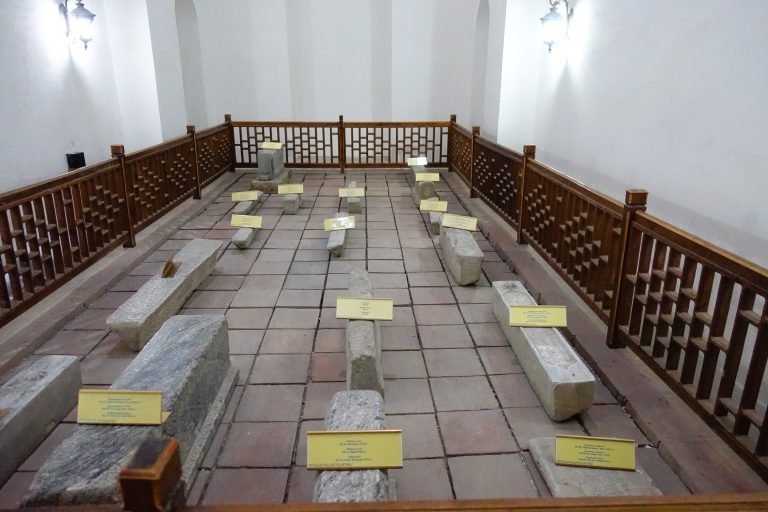
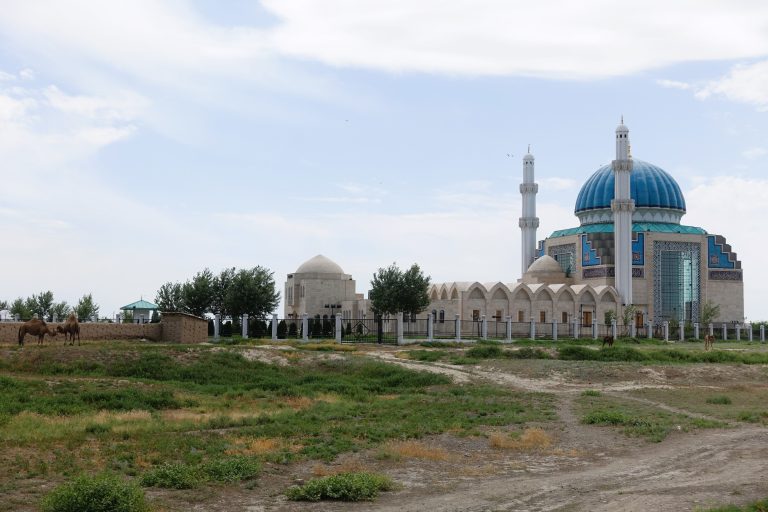
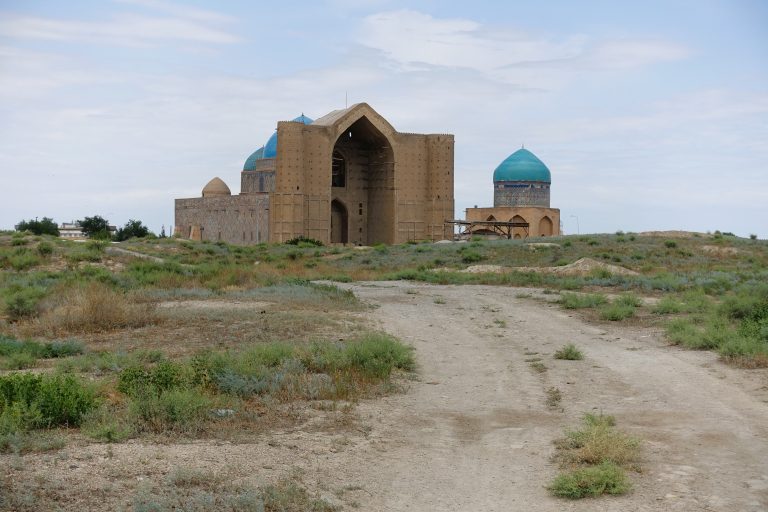
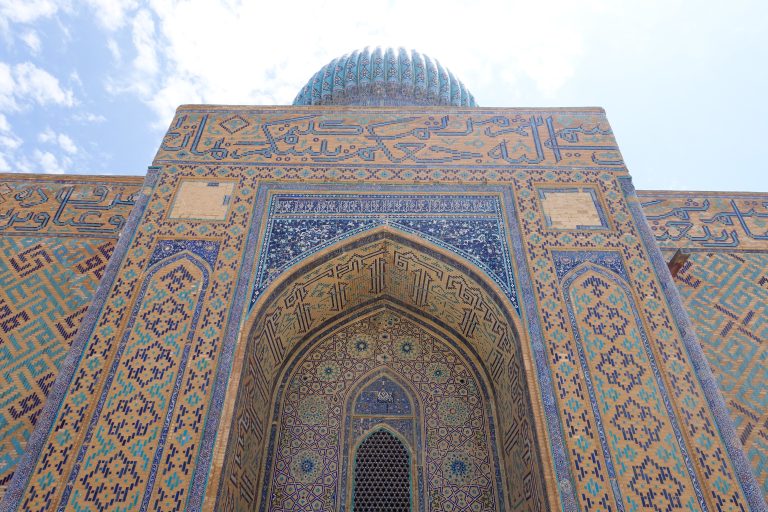
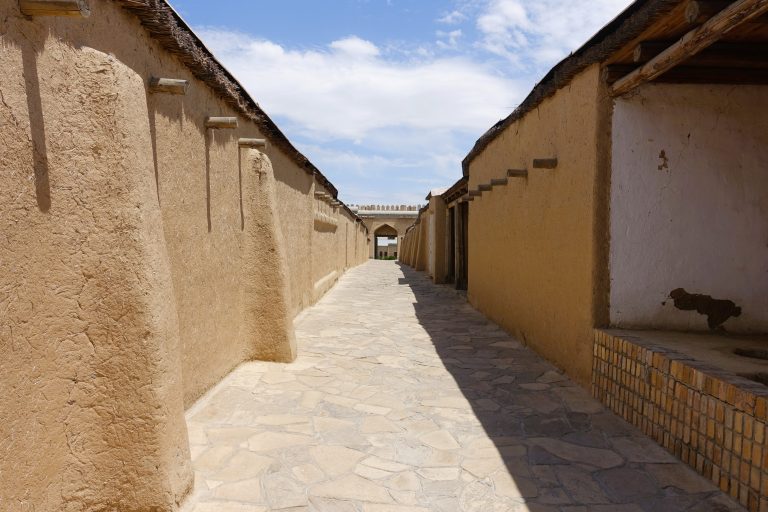
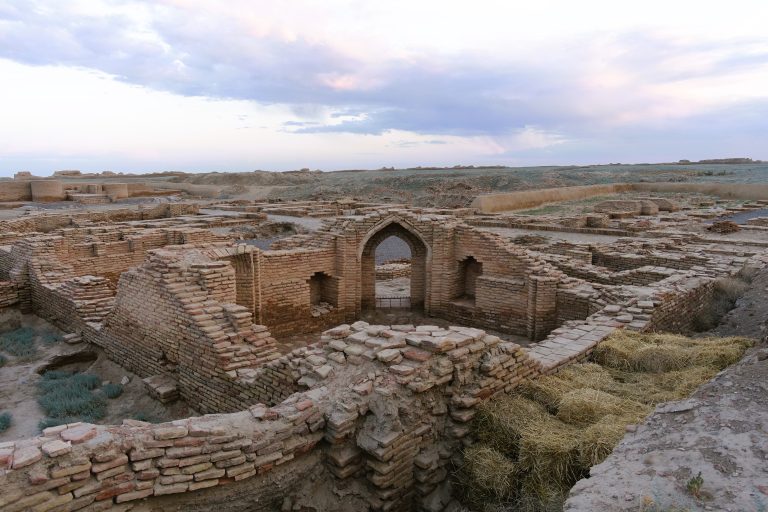
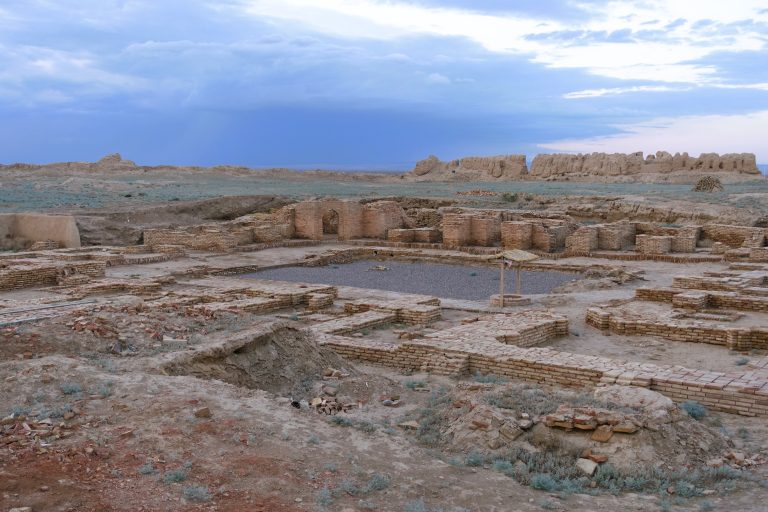
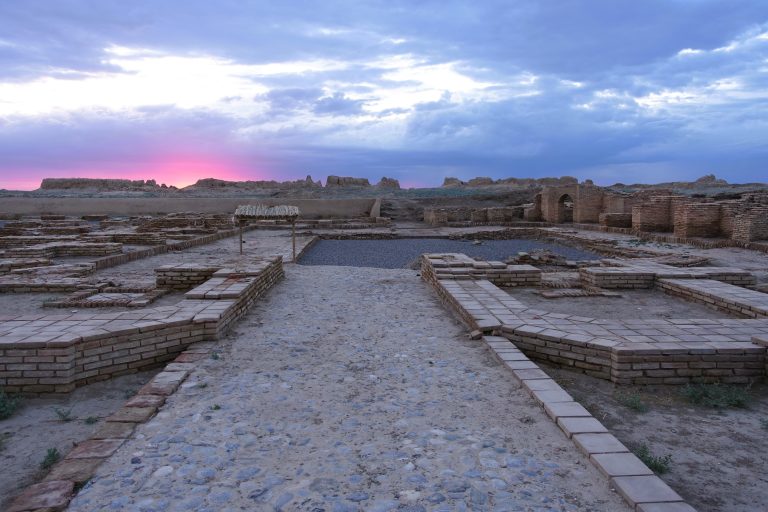
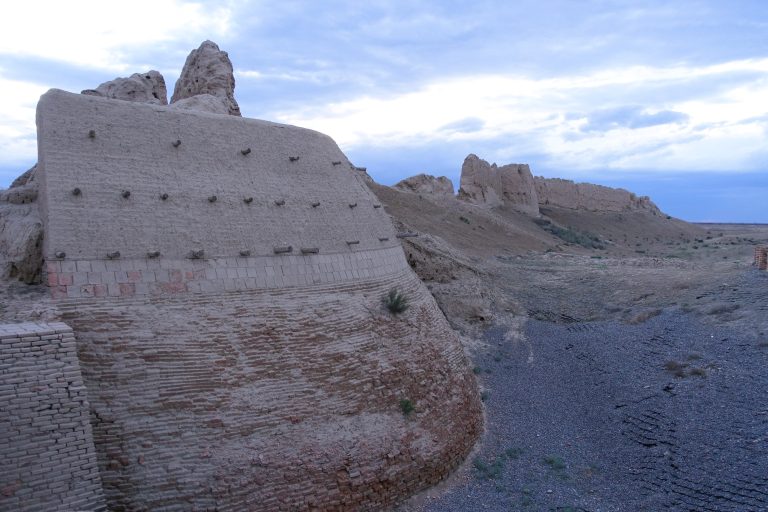
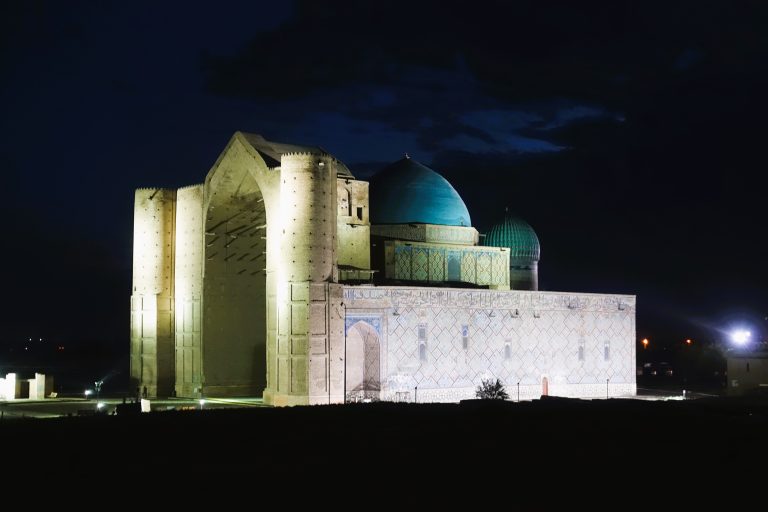
One of the reasons why I suspect Kazakhstan isn't on the tourist map is that, unlike neighbouring Uzbekistan, there's a dearth of historical attractions to lure in visitors. Turkistan is the exception. Another reason could be the penchant for kitsch, like these tacky statues outside this otherwise-jawdropping historical monument. Here it is. The Mausoleum of Khoja Ahmed Yasawi. Commissioned in the late 14th century by the legendary, bloodthirsty Timur, in honour of a Sufi poet and mystic. The building was never completed, but has somehow endured the centuries with aplomb, and continues to look pretty darned stunning over 600 (!!) years later. The mausoleum is a UNESCO World Heritage Site, and yet the reaction of the staff suggested that they don't see many foreign travellers at all. Which is a darn shame, cos look at it! Frontal view of the mausoleum. Let's take an even closer look. If you're wondering what's inside, here's the answer: not much. As with much Islamic architecture, the exteriors have the interiors way beat. In theory, the mausoleum sits in quite an expansive complex, with other ancient buildings and even underground mosques and things. I spent about an hour walking around in the baking early afternoon heat trying to find these structures and saw approximately nada. Random people barked things at me in Russian/Kazakh, but I could make neither heads nor tails of any of these possible directions. Maybe they'll stick up some signs for dumbasses like me if they get more tourism in the future! Another view of the mausoleum within its grounds. And one last glimpse of that gorgeous Timurid architecture up close. Strolling these grounds made me feel like both an A-list celebrity (due to the neverending stream of local tourists who wanted selfies with my sweaty, smelly self) and Aladdin (cos look!). There's little happening in sleepy lil' Turkistan besides the mausoleum, so after another afternoon of trying to procure vegetarian grub, I decided to go on an excursion out here: to Sauran! Many, many centuries ago, this was the largest city within the present borders of Kazakhstan, and the capital of the Mongol White Horde. At some stage during the 16th century, it ceased to be of importance, and gradually fell into disuse. Now, all that's left is a vast expanse of ruins, about 40km from Turkestan (the city that it helped flourish - and which precipitated its own decline - by providing the materials used to construct the mausoleum). Centuries ago, thousands would've witnessed the well-documented beauty of this commercial centre. Centuries later, it's a different kind of beauty that remains - and the only one here to witness it was this dumb Brit, gobsmacked to have these decaying, bewitching vestiges of the past all to himself. The ruins are vast, and I had the ENTIRE place to myself. Unbelievable. I'm so grateful to have discovered this, to have experienced this, to have relished this. Time can erode the physical structures, but it can only heighten the profundity of being here, of treading the same paths and walking the same ground that thousands of others would have done so under very different circumstances a millennium ago, of feeling that strange and moving sense of kinship with those you never knew, who could never even have foreseen you, but whose existence, whose hopes and dreams and acts of being echo through the ages, quietly but resiliently making themselves felt in a gentle evening breeze in 2018. History will never cease to be wondrous. One last glimpse of the mausoleum by night. My (empty) hotel was right next to the site, so I got one last glimpse before getting some much-needed downtime, as I was to continue my journey on a 2am train the next morning...

Karaganda [Dolinka + Temirtau](2018)

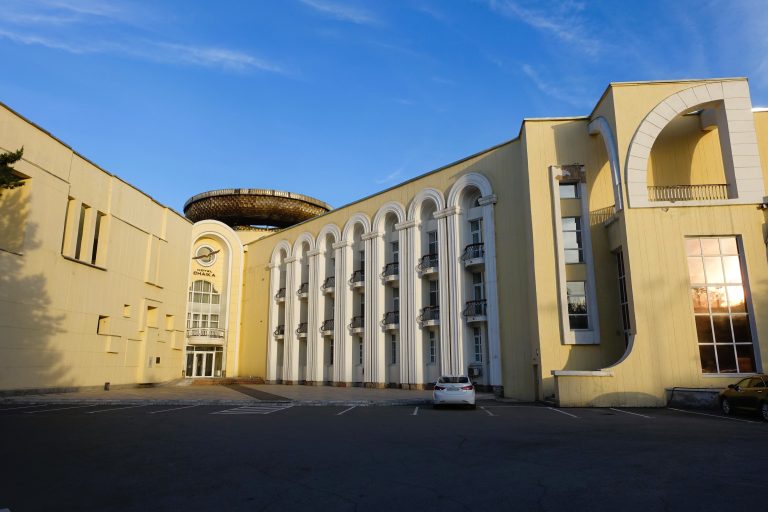
17hrs + 1200km later, and I arrived in Karaganda, the country's fourth largest. The only accomm I could find was this Soviet-chic throwback, seemingly illustrious in the past (photos of cosmonauts plastered everywhere), but now forced to open its doors to the likes of me... I didn't do any exploring in this city - it was already evening by this point, and I was more concerned with finding some sort of sustenance. I mainly just encountered lots of buildings like these. Probably the most interesting structure I saw in Karaganda itself. A theatre? Slept in a decent bed, woke up the next morning, and threw myself onto a 45-min bus straight outta the city. To here. The middle of nowhere.

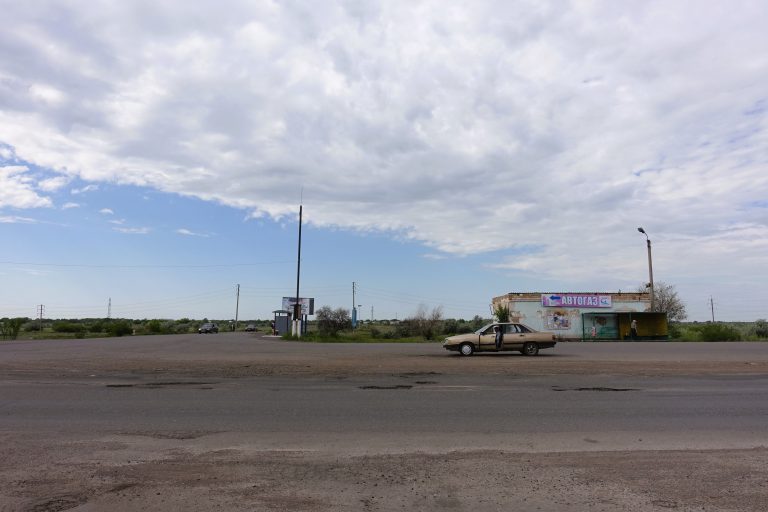
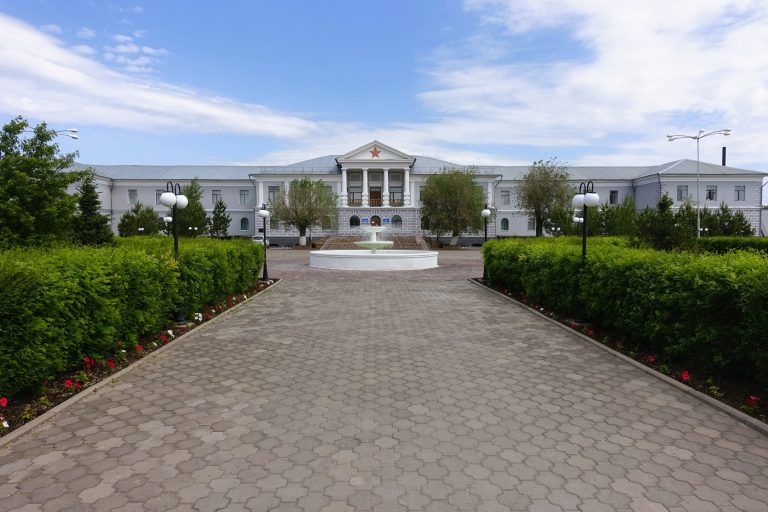
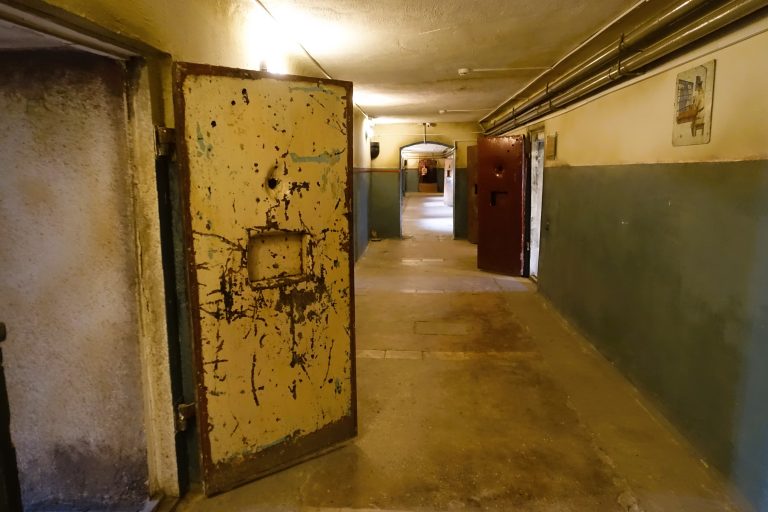
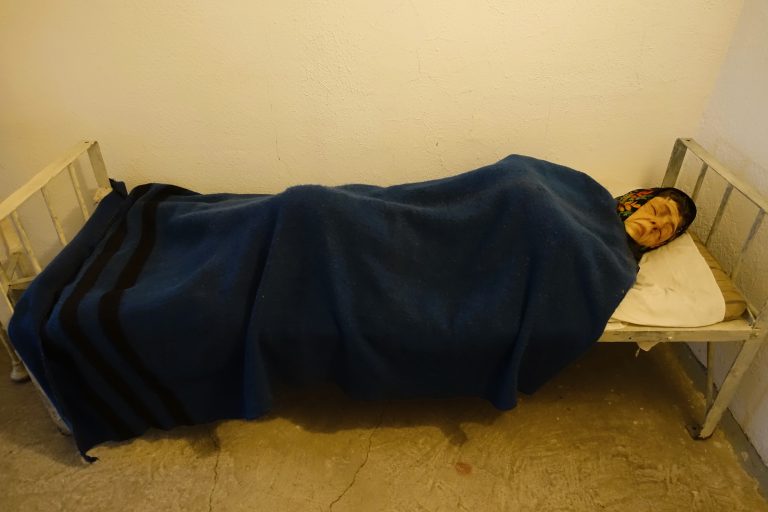
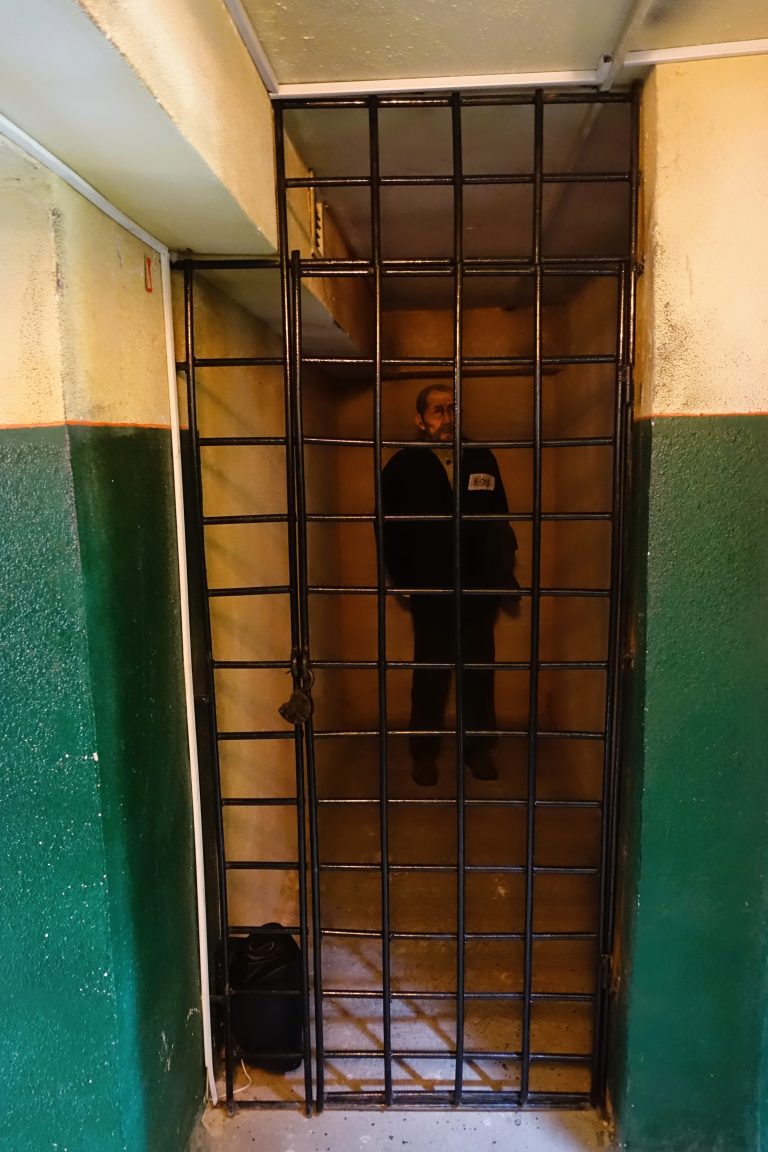
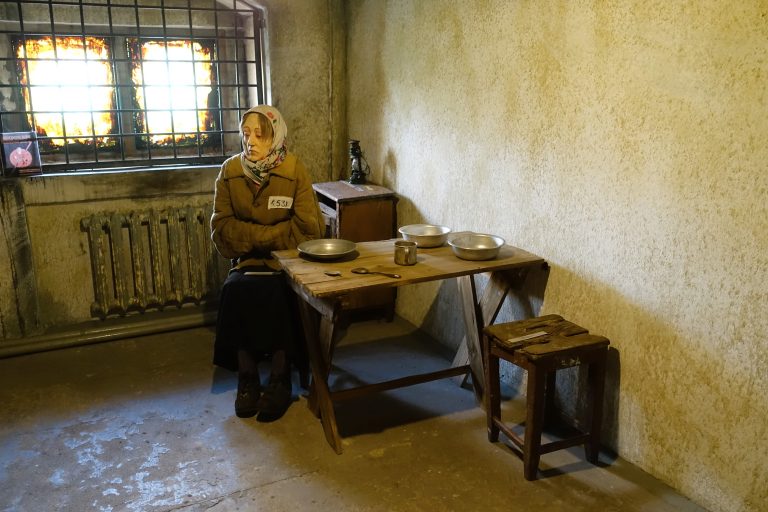
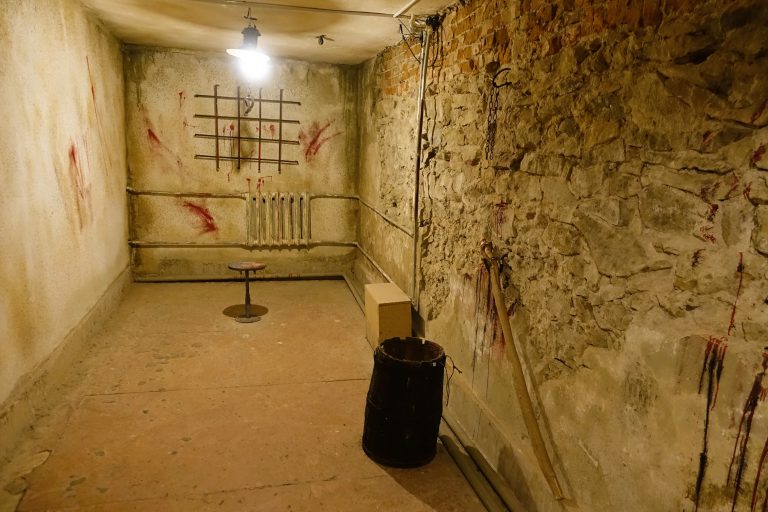
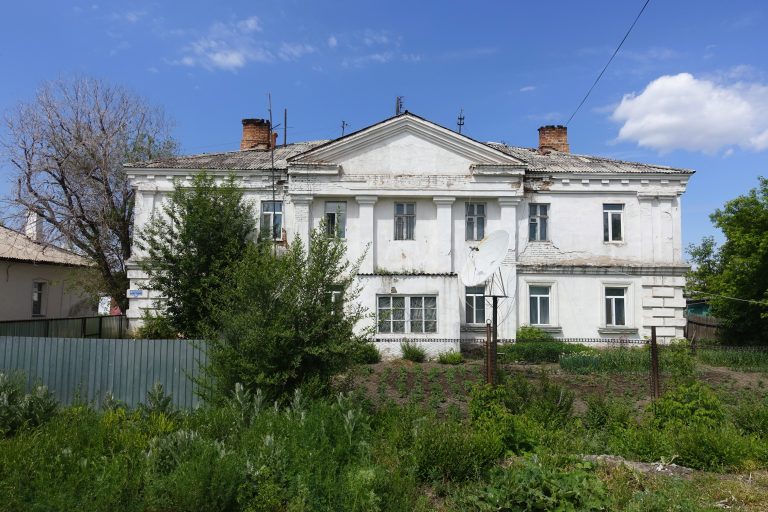
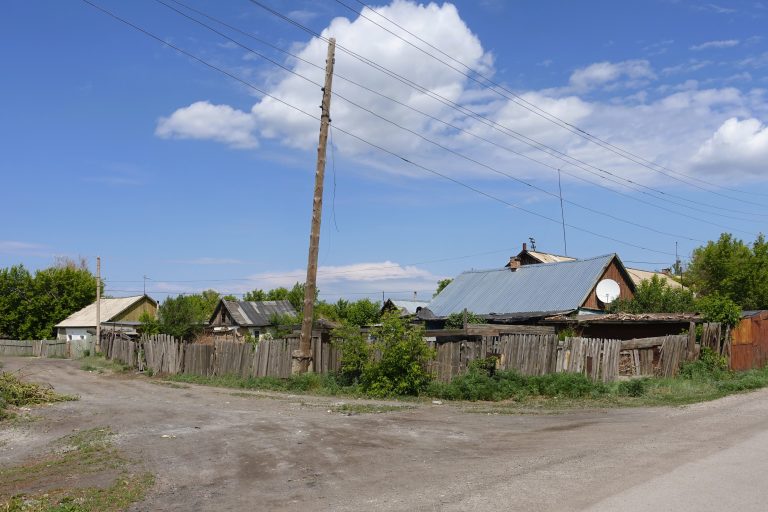
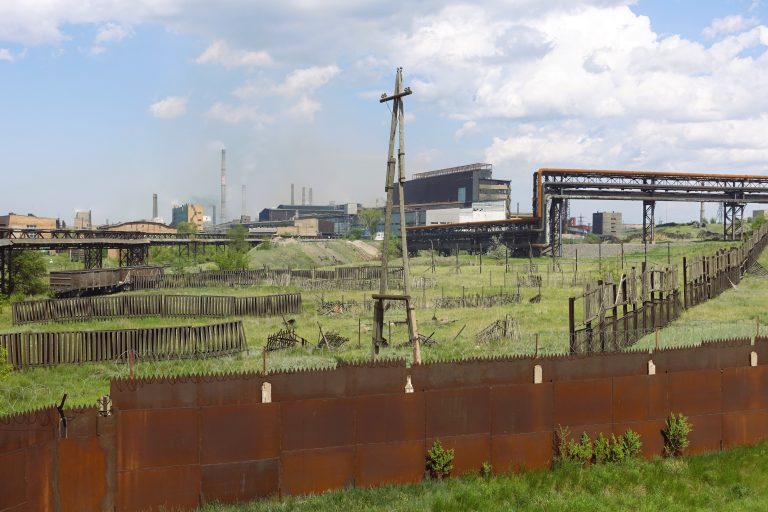
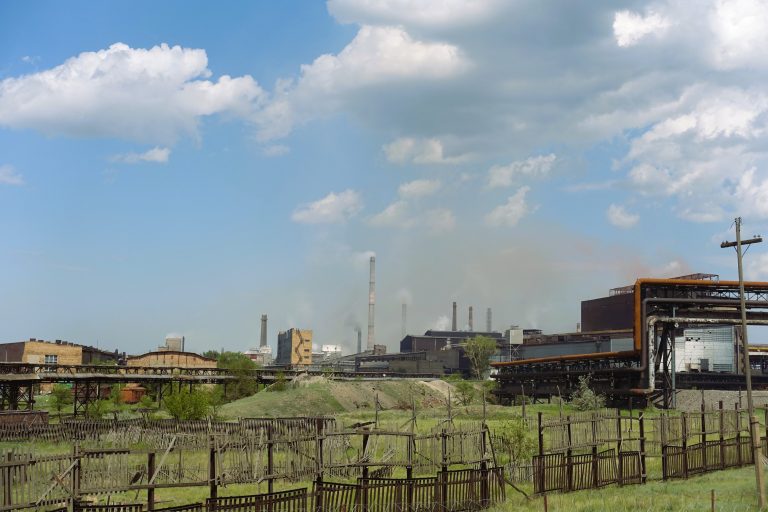
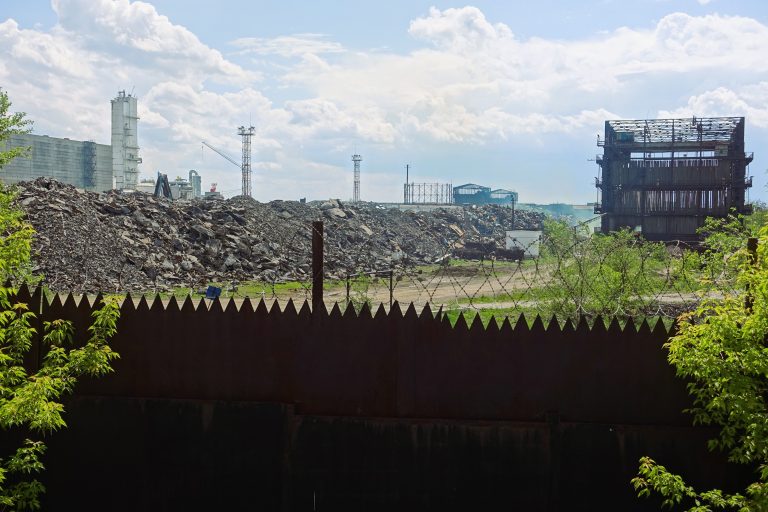
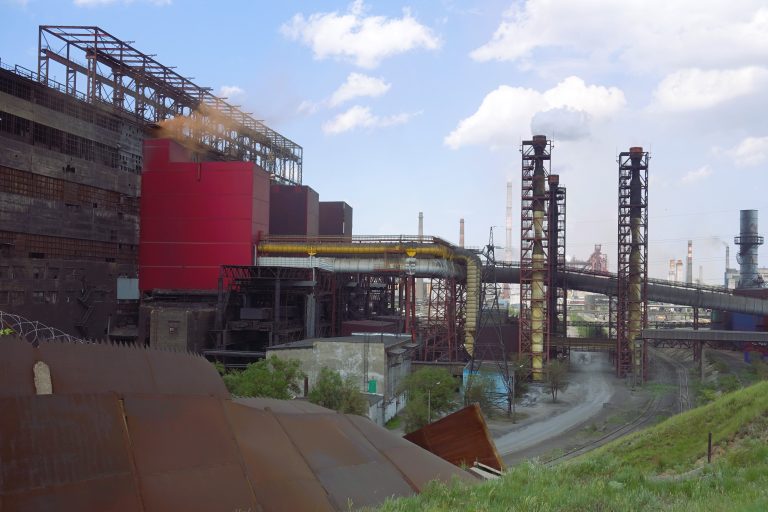
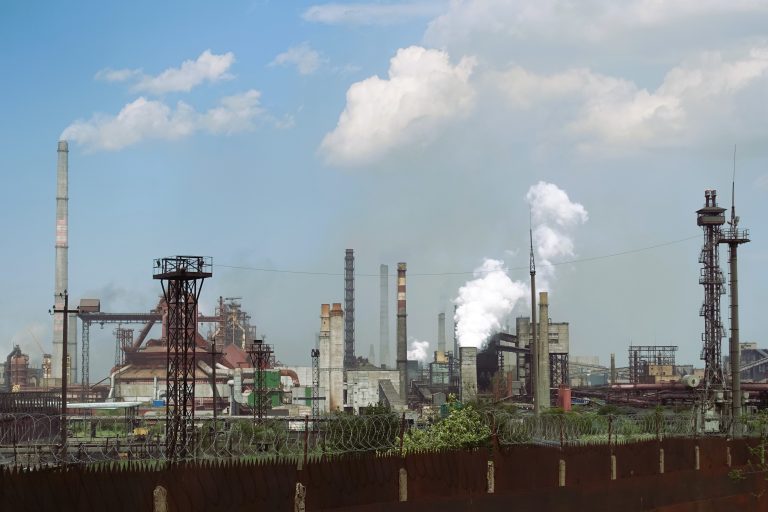
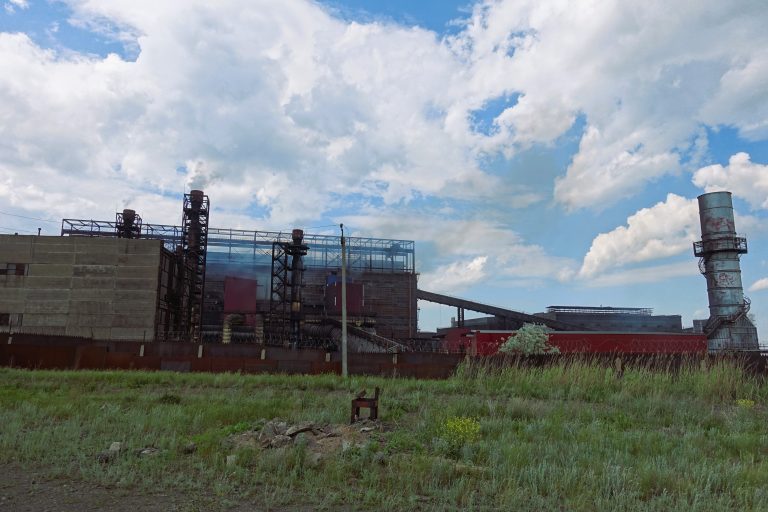
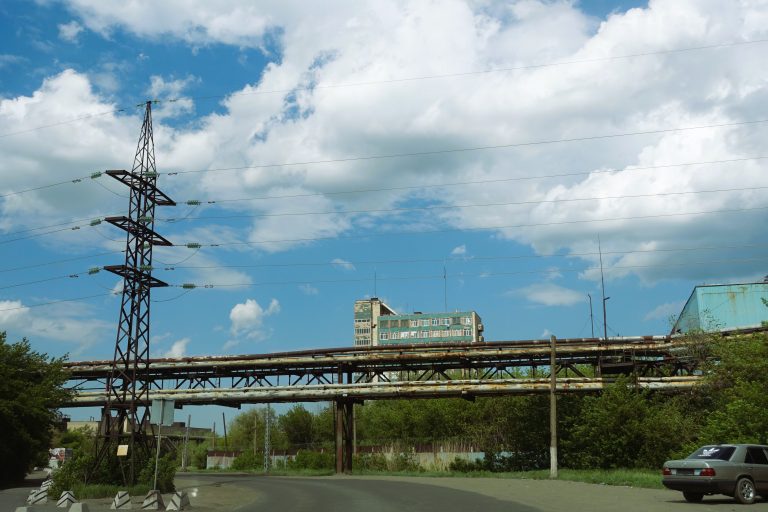
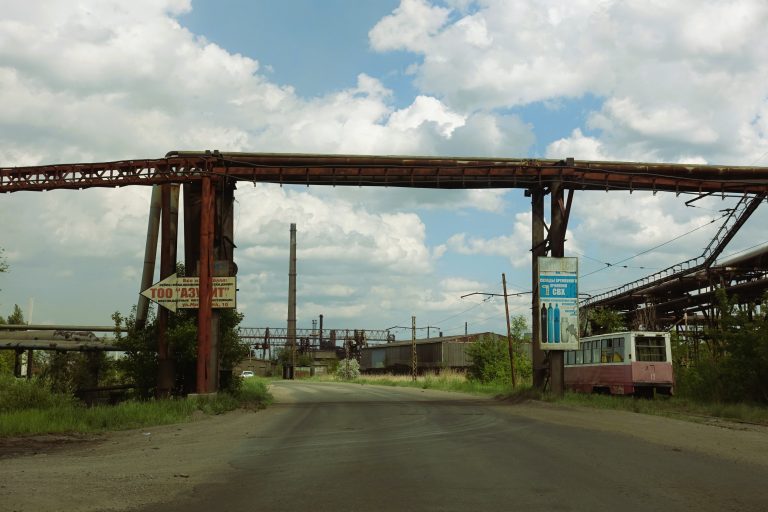
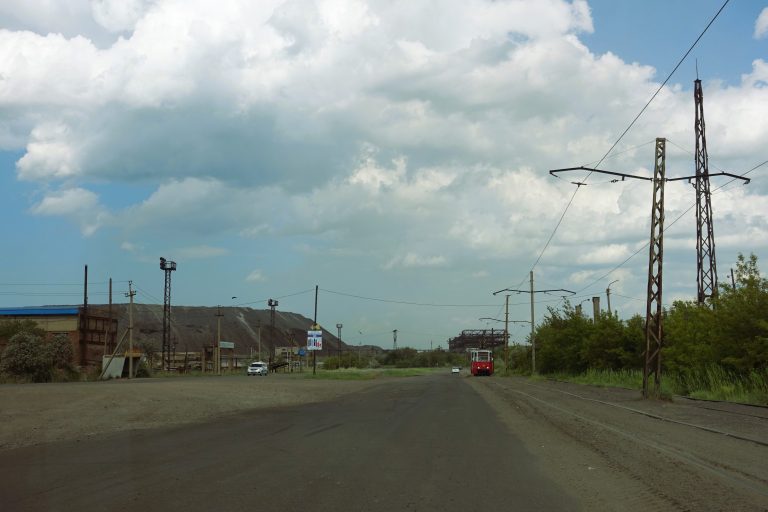
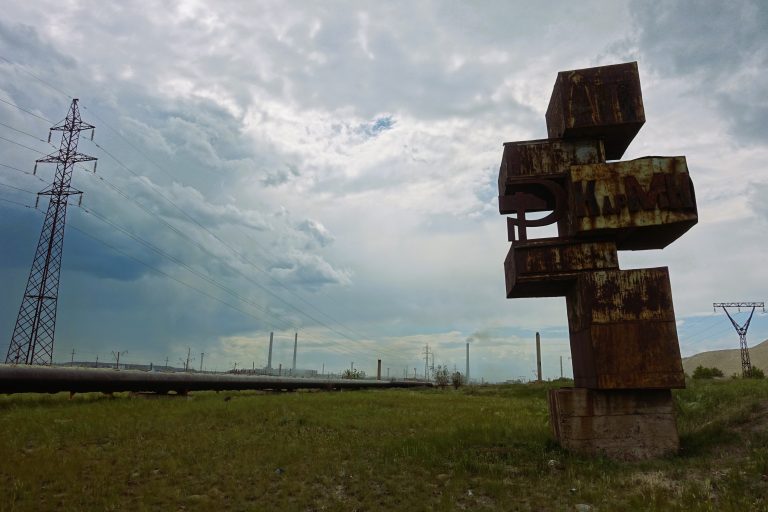
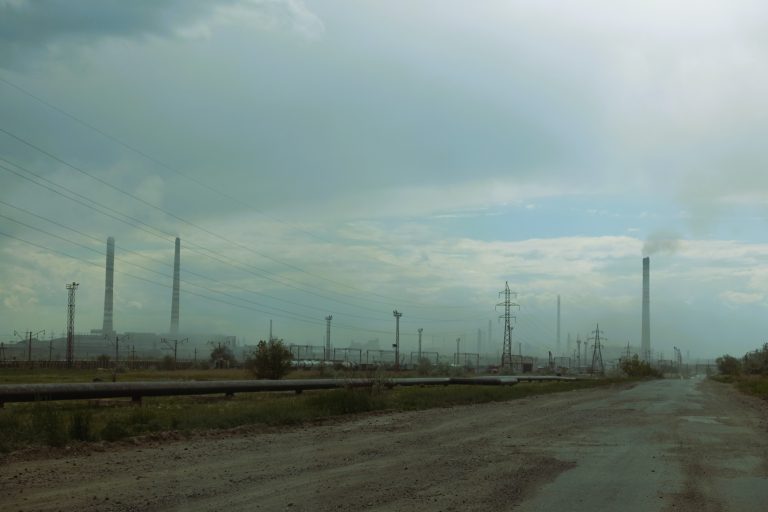
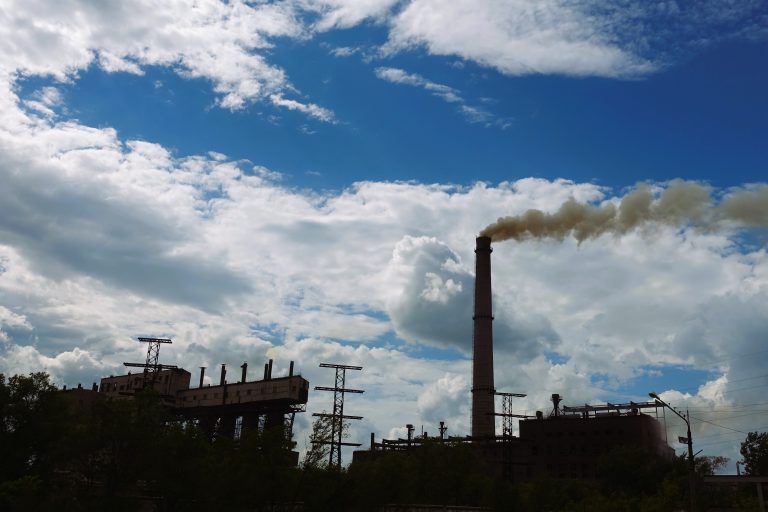
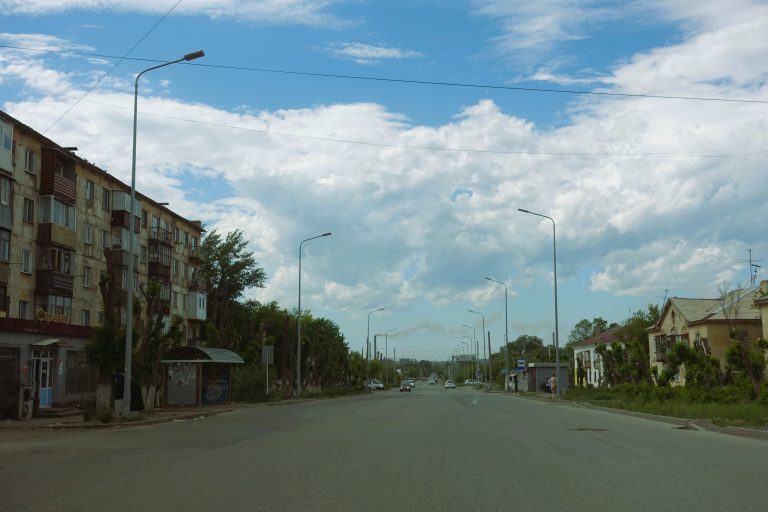
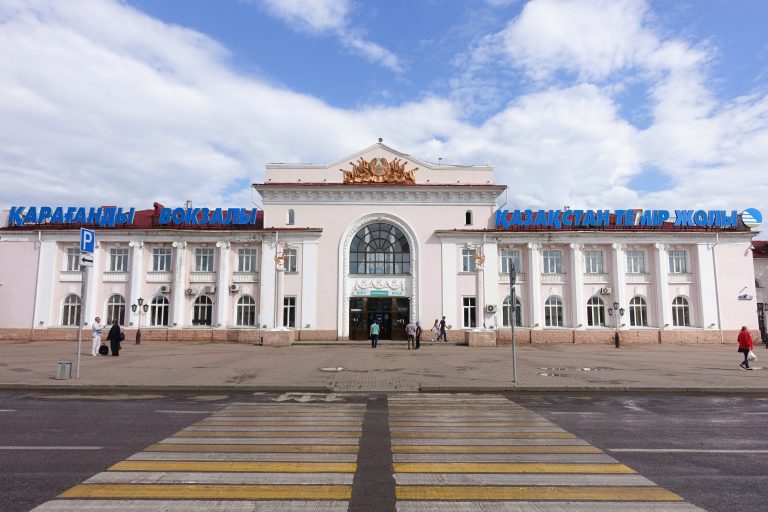
Actually, if you walk down that road on the left for half an hour or so, you'll reach a small village called Dolinka, which was my intended destination. I got accosted by the driver of the car you can see in this pic, who eventually convinced me to let him drive us over. And this was what I wanted to get to. The Karlag Museum.During Stalin's era, this building that you can see here was the headquarters of an enormous gulag (in Karaganda it's called 'karlag', taking the 'kar' from the province name). A million people passed through here during its years of operation (1931-59) as they were banished into forced labour. I didn't see a figure for the number that perished whilst enduring the harsh conditions here, and I probably don't need to tbh.Today, the main administrative building has been converted into a museum in order to remind people of what happened here. This is what I'd come over to see, to learn from. Honestly, I'm not sure if I learned much that I didn't already know here in terms of how the gulags functioned and the atrocities that were committed. But it was, of course, affecting to see this all applied in context. As with Sauran earlier, there's something to be said for just being in these places - that proximity in space helps traverse the gulf in time, helps to understand *better* and to open one's eyes more fully. There's value in that. I've always felt it important to visit places like this in order to pay my respects to those that suffered so cruelly, so needlessly.  The museum loves to drive home that suffering with these rather unsettling wax dummies that are like, everywhere. This place was informative, and internationally-friendly (details in Kazakh, Russian, and English for the most part, although the paid staff didn't seem to speak any English but that was ok cos they were super friendly and excited to see me). I didn't want a guide, but a few mins after I started walking around, a young lady crept up behind me, introduced herself as a student volunteer from a nearby university, and said (no joke): "Can I watch you?"  I do not particularly enjoy being watched, unless I feel like I'm in control of what people are seeing. Being watched when trying to walk around a museum is a big no-no, but me being a stupid Brit and therefore incapacitated by a sense of politeness that's ludicrously out of control, I was like "ok, sure! 🙂 "  After about five minutes of this, she gave up 'watching' and decided to come over and start trying to explain things to me. So in a sense, I ended up getting a guide anyway. I think it was a very slow day at the museum - I was their first visitor upon arrival (I timed it so that I'd get there for opening time) and still their only visitor upon departure. Anyway, the girl was really very sweet, so no harm done. Unlike this dummy, which scared me aplenty. :( The museum tries very much to evoke the horrors of what happened here. Except that a lot of the stuff didn't actually happen in *this* particular building (the admin HQ). But I mean, it's evocative nonetheless. Strangely (to me), many of the buildings that were used as part of the gulag remain in the village today. I think this was the gulag 'hospital', which has now been converted into housing. Doing the 30-min walk back through the village of Dolinka after the museum. After getting a bus back into the city, I ate lunch (tomatoes, potatoes, cucumbers) and spoke to reception about getting a driver for another excursion. Unfortunately, things got lost in translation and I ended up in a metered taxi. Luckily, fares for a 70km round trip here are not the same as in the UK. Anyway, here is Temirtau. Temirtau is a giant industrial centre, home to countless factories and plants, and chimney stacks that billow out toxic clouds of smoke all over the place. It feels like a post-apocalyptic wasteland. I was unable to really capture the rather monstrous scale of these plants and their impact upon the landscape when driving into the city, but I managed to get close to a few once inside. This is effectively what powers Kazakhstan, I believe. Their authoritarian president even worked here in his youth, way back in the day. The scale is mindblowing. Common scene in Temirtau I'm a pretty resilient guy. There are only three cities in the world where I've felt like the pollution is so bad that I can actually *feel* it shaving years off my life: Kathmandu, Delhi, and Temirtau. It boggles my mind that people work here, live here, raise their kids here. Industrial chic? Minus the toxic fumes, preferably. We drove round the outskirts of the city, and it really did feel like a wasteland. This isn't fair, though - we later drove through the centre, where it felt just like any other city in Kazakhstan. But certainly on the outer fringes, it felt freakishly devoid of life, slowly decaying, visibly fraying at the seams. On multiple occasions, one of these rickety old trams would go past. And there'd be no one inside the tram except a forlorn-looking driver. My own driver (we were communicating via Google Translate) was completely bewildered by my desire to see all this. He couldn't really understand the concept. Mainly because I couldn't really understand it myself. Why was I so transfixed by what looks like a man-made disaster? It was astonishing to see the impact that we have upon our planet so self-evidently, I guess. Anyway, conveying this to the poor taxi driver was impossible, so I eventually claimed that I had an interest in urban development and industrial architecture. Which he still didn't really buy. Later on, he asked me if I was a journalist! I think he didn't wanna get in trouble for driving me around. I assured him that I was just a dumb traveller with a penchant for doing stupid shit. This didn't really reassure him, but he said that I looked too young to be a journalist anyway which was nice of him. I think we liked each other by the end of our journey. This feels like the perfect setting for a contemporary Cormac McCarthy novel, no? RIP, GOAT. The air. The chimneys. The emptiness. A field of pylons!! Temirtau, how can you possibly be? Fumes for days. Weeks. Heck, months and years. My mind still can't really fathom Temirtau, and how it's possible for it to exist, and for people to exist inside it. Therefore, I'm not really sure what I've learned or gained by coming here. But I know I felt something. Some combination of awe and disgust and sadness. Again, it was a privilege to see a side of Kazakhstan that most travellers probably don't see. My journey through this country was becoming that much more complex. And from there it was back to Karaganda. Here's the railway station - the stations in Kazakhstan really do look much better from the outside than they are inside, where there's generally fuck all going on, even in Almaty.

Astana(2018)

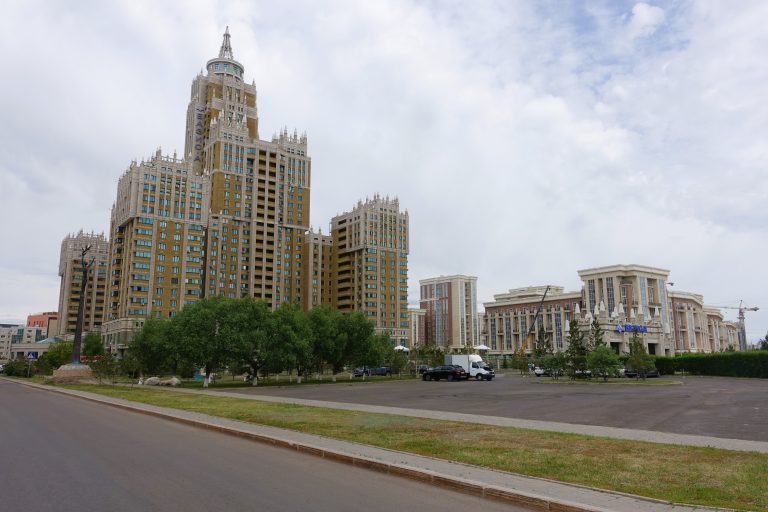
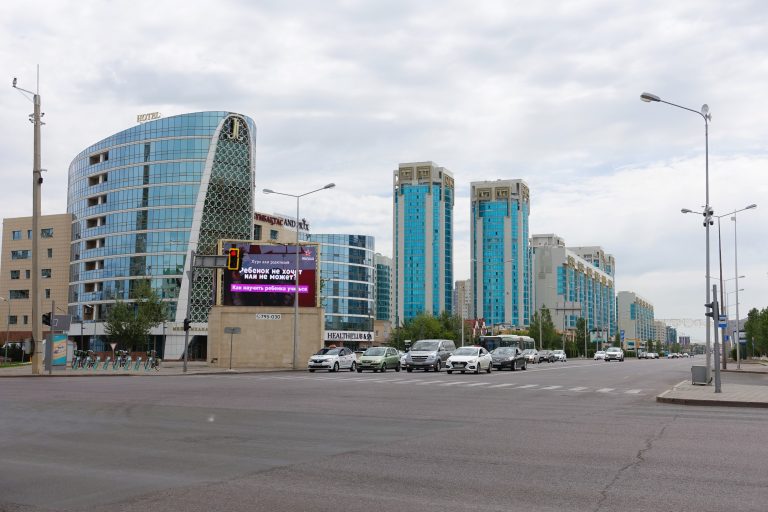
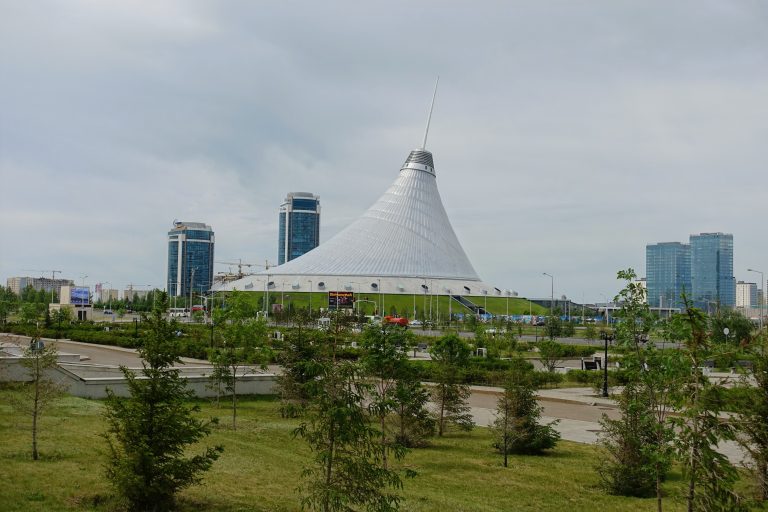
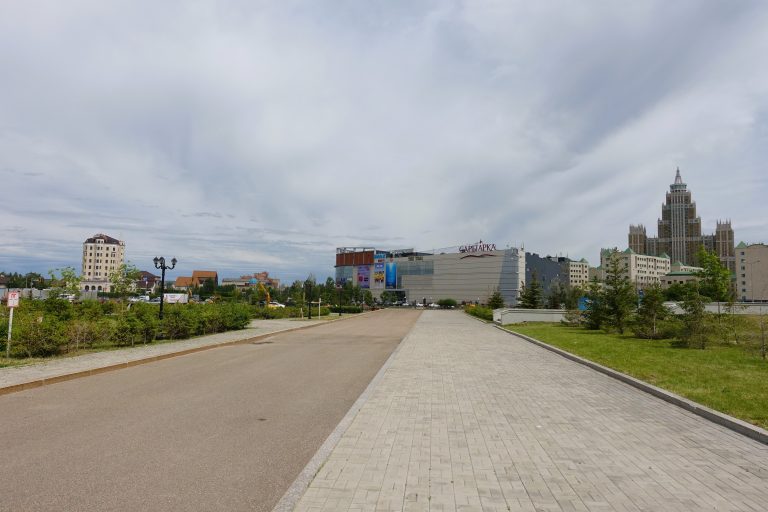
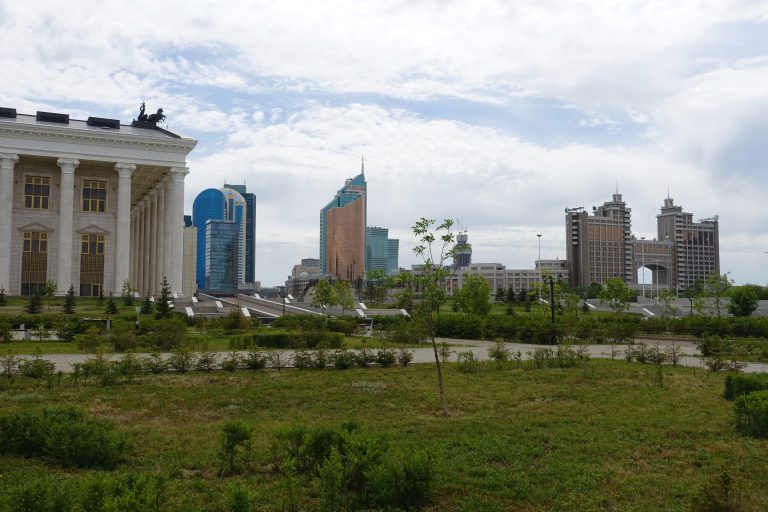
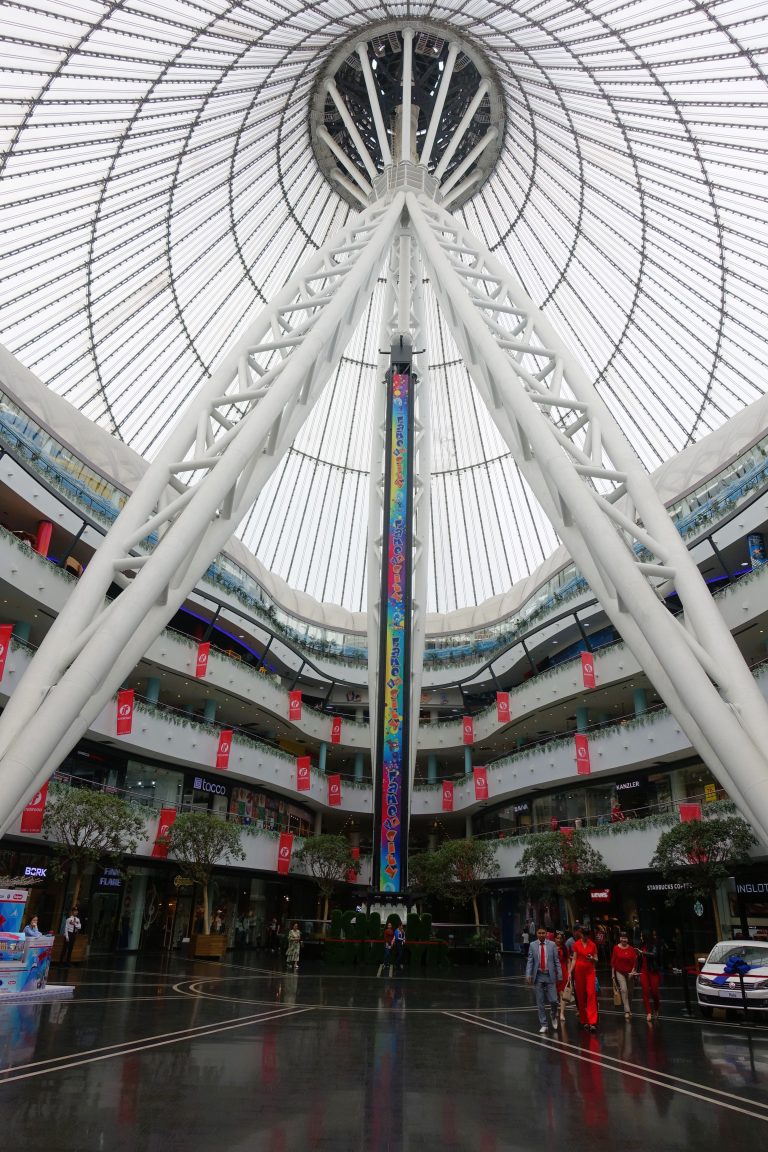
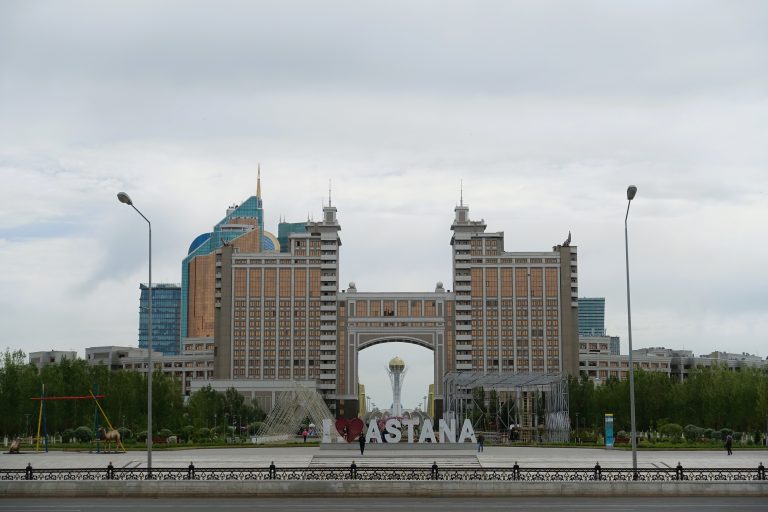
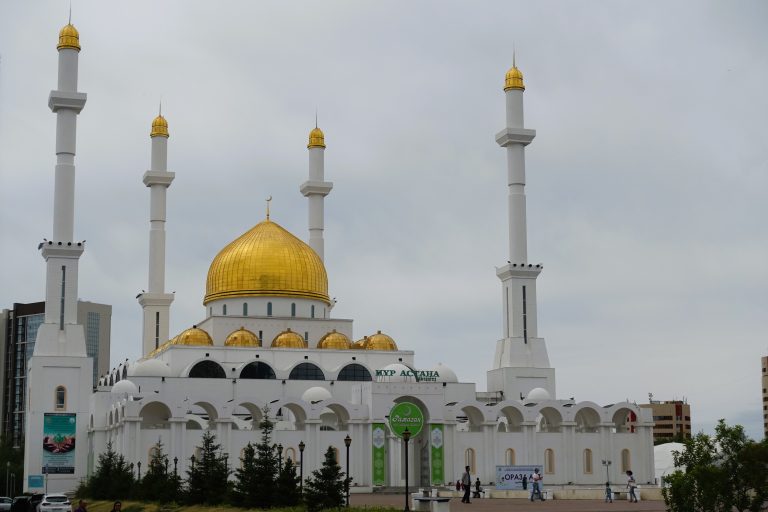
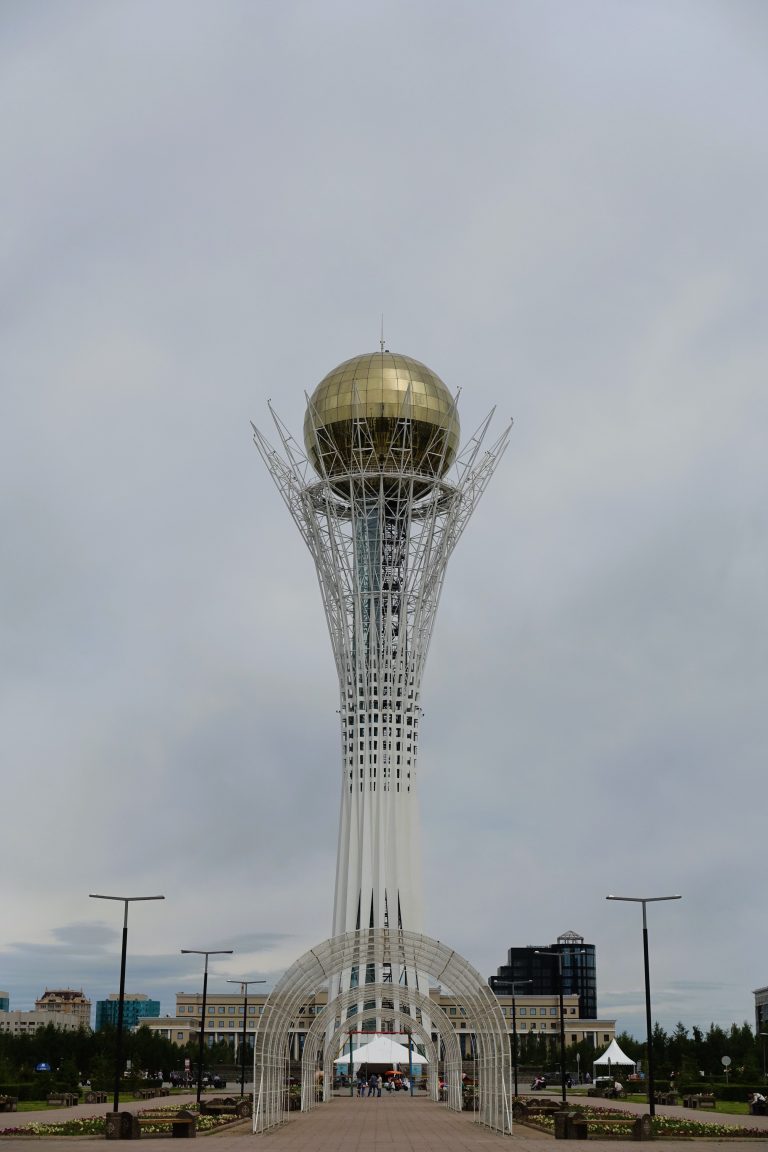
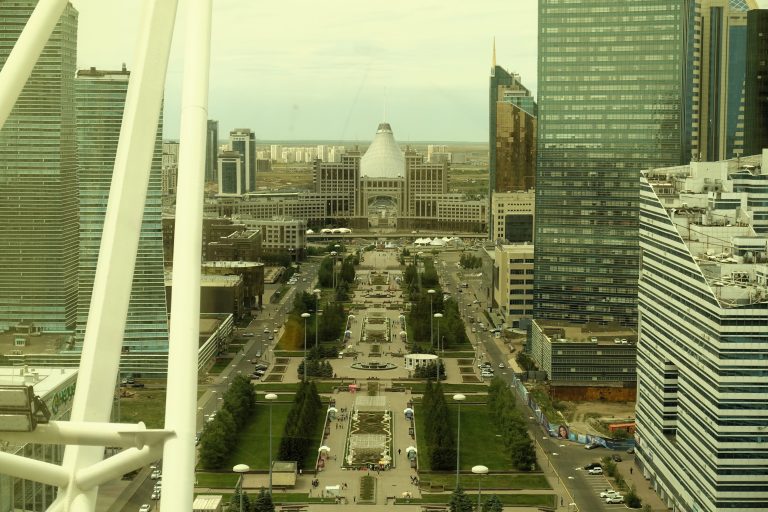
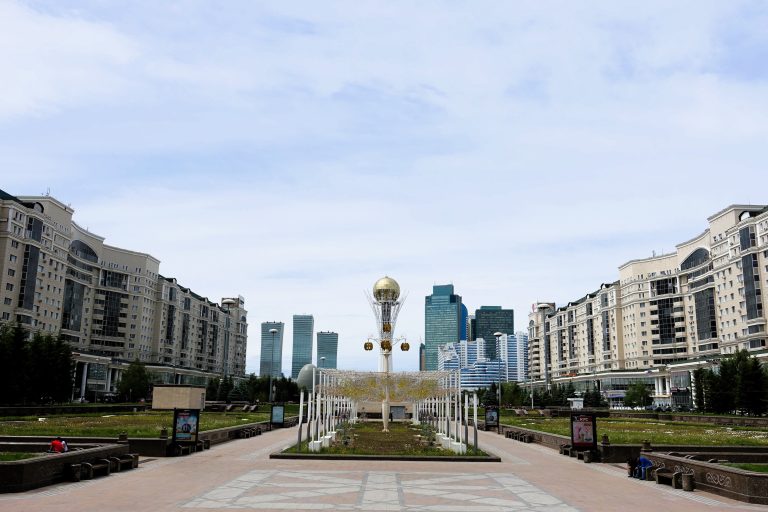
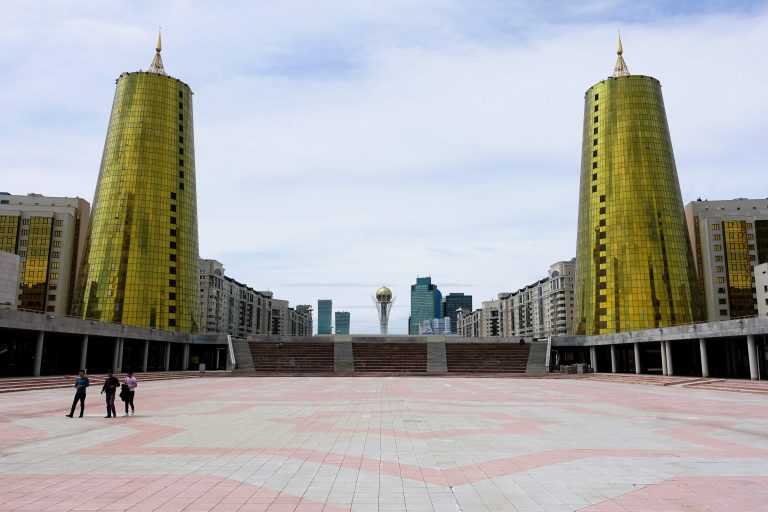
One last train ride, and I found myself deposited at the most modern, efficient, and functional railway station that I'd seen in the entire country. Clearly, the capital Astana was going to be a different beast. Architecture here is done on a grand scale. Giant and/or crazy buildings (alongside lots and lots of construction). Big, wide avenues too. For those not in the know, Astana is very much a planned capital city. Almaty (where I began this journey) has always been - and continues to be - the country's main urban centre, but it's located deep in the southeast of this enormous nation, close to its border with Kyrgyzstan. It's therefore isolated from the rest of the country. Astana's location makes more sense - it's far closer to the geographical centre, albeit further north. My understanding is that the move occurred to encourage more ethnic diversity in the Russian-dominated northern regions of Kazakhstan. And that's what's taken place, so fair enough. It feels kinda strange, though. Despite seeing its population increase drastically since becoming capital (it's now the second largest city behind Almaty, with around a million inhabitants), it doesn't really feel very 'lived in' ... all these large buildings and wide boulevards compound the sense of emptiness. A strange city. But a fascinating one. The Khan Shatyr Entertainment Center. A Norman Foster-designed shopping mall, that looks fucking nuts. Hope this captures the sense of absurdity that you can't help but feel when walking the streets of Kazakhstan's capital. A delirious mish-mash of architectural styles, all at some distance from one another, many still under construction... And repeat. Just in case you were wondering what the Khan Shatyr looks like when inside. If you want a city with unique urban views, Astana might be the place for you. Nur-Astana Mosque; the third largest in Central Asia. Took me ages to figure out where the entrance was - at one point I thought it was closed (a mosque!!!), and only walked past the main entrance when I decided to abandon ship and head elsewhere. People were very friendly. I was in my usual vest + shorts combo, but they let me go inside anyway (although I had to wear the full-body cloaks that had been set aside for the women, which caused much sniggering). The space-age, trippy af Bayterek Tower is like, the symbol of Astana. Wiki: "The monument is meant to embody a folktale about a mythical tree of life and a magic bird of happiness: the bird, named Samruk, had laid its egg in the crevice between two branches of a poplar tree."

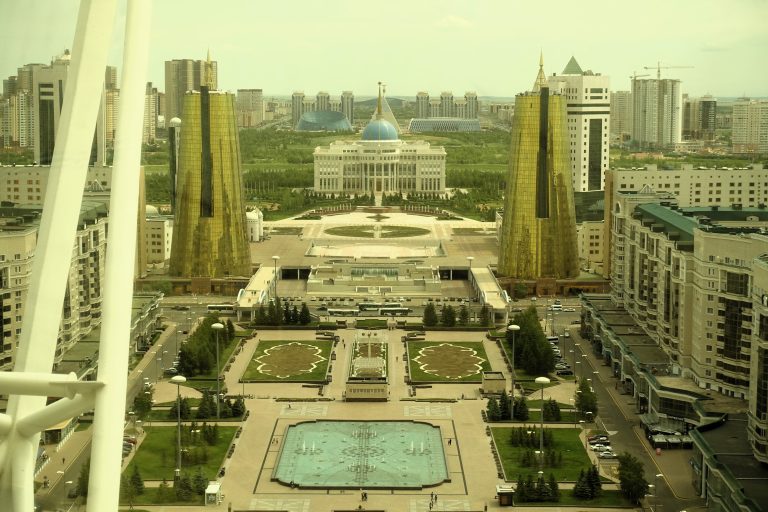
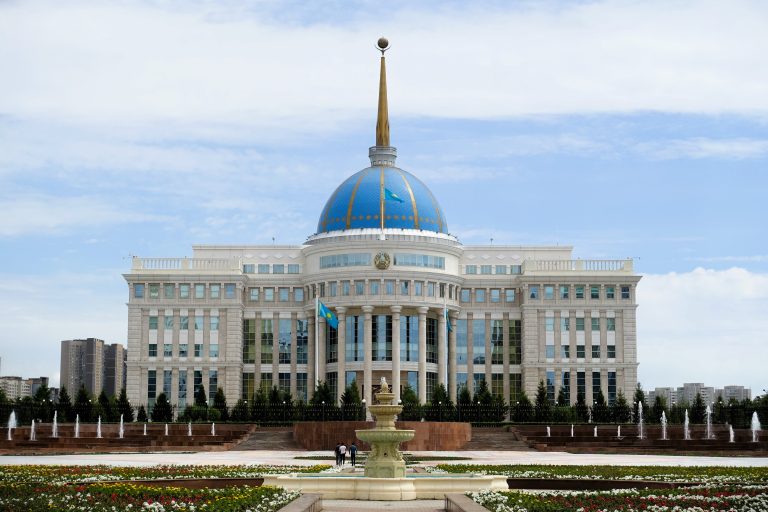
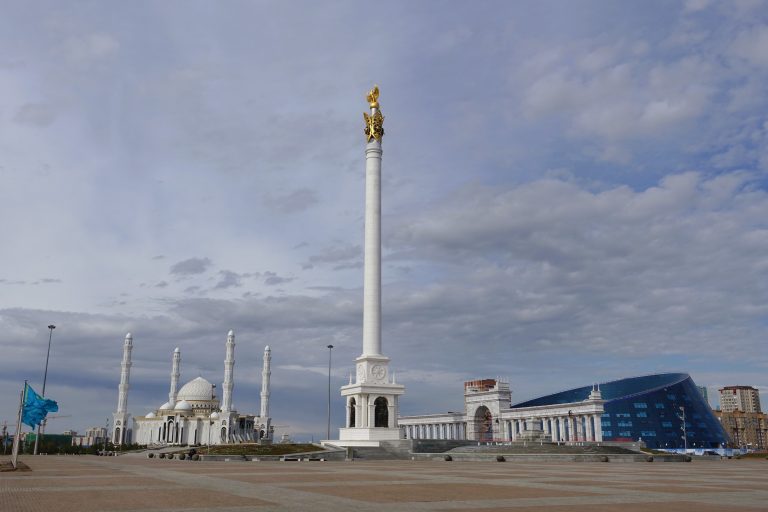
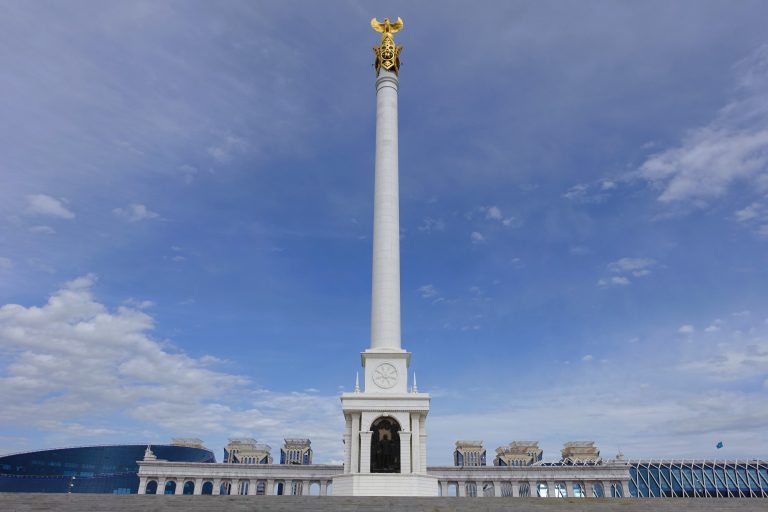
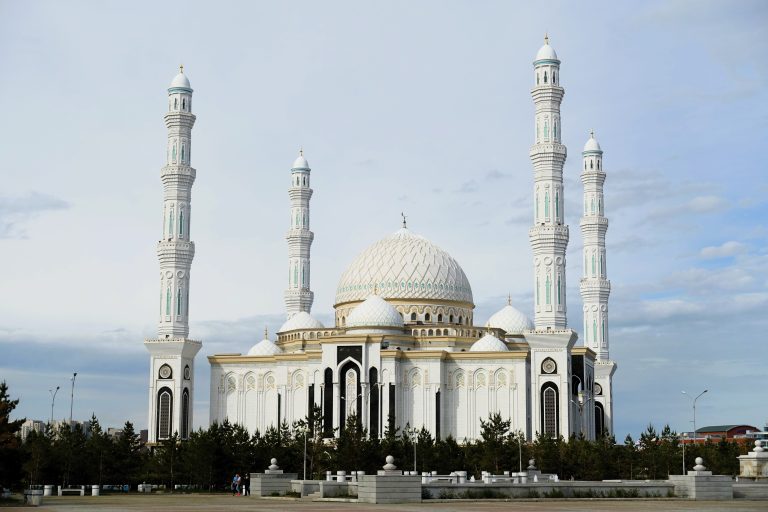
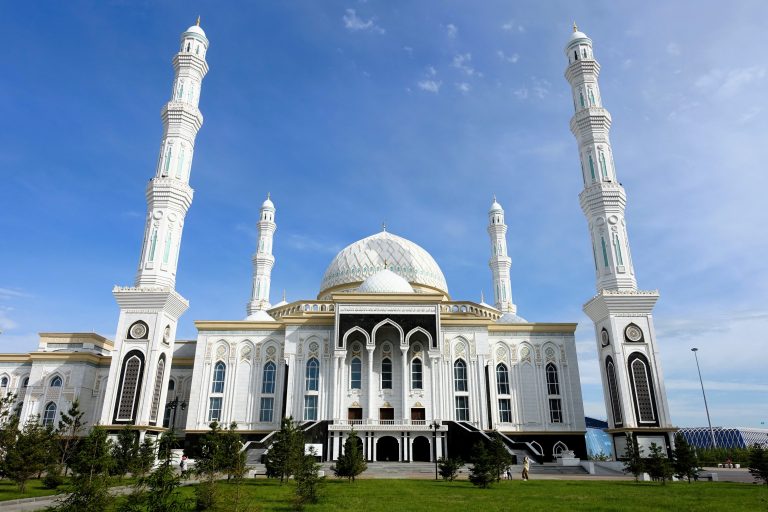
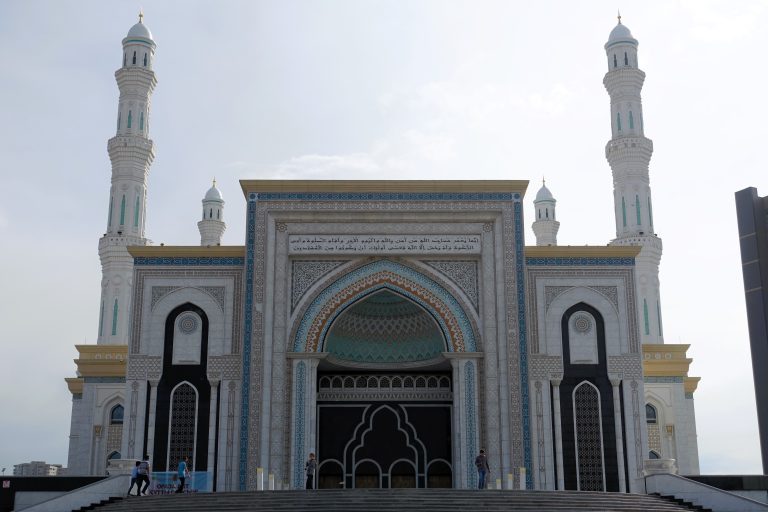
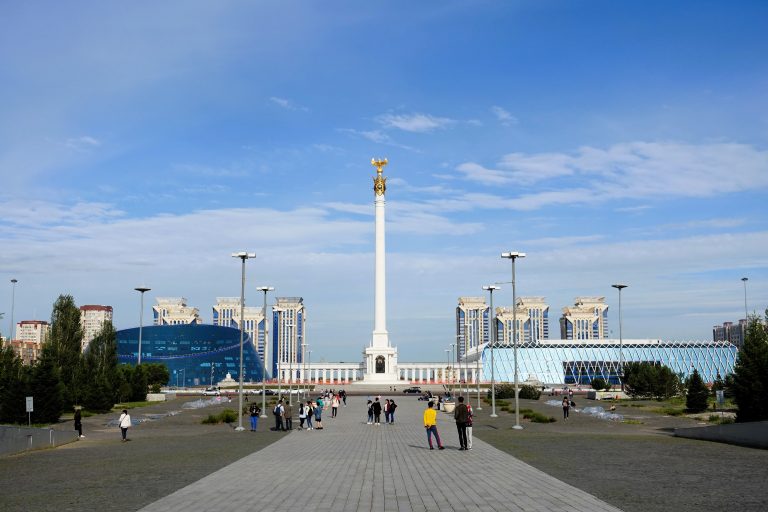
I personally feel that there's a bit of a gulf between intent and execution there, but again, wtf do I know. It still looks remarkable! You can go up inside this tower and admire the views of the city. But you're inside that giant golden egg thing, and so all your views are tinted with gold. The Bayterek Tower was my second 'international celebrity' moment, following my experiences at the mausoleum in Turkistan. People LOVED me here - which is kinda weird, cos Astana is the capital city, and it's not as if people haven't seen foreigners before. I can only assume that my elevated status here was because they hadn't seen so much bare brown skin on display, and lost their shit accordingly. Looking back towards the Bayterek Tower. Astana is such a compelling city for the eyes. What can you even say about this architecture? Anyway, it was at this point that one of my flip-flops broke, necessitating an hour-long break as I hopped around trying to find a replacement. You'd think a city overflowing with giant malls would have cheap flip-flops in close proximity, but it took a heck of a long time to track them down. Thanks to the kindly locals who took pity and assisted with the process! Back to the touristing, here's Ak Orda Presidential Palace. And here's the Assumption Cathedral. I have a thing for Orthodox cathedrals, so did a detour over to the other side of the river to see this. Astana's divided by the Ishim River. The newer, more modern developments are on what's referred to locally as the 'Left Bank.' The older part of the city is on the 'Right Bank', which is where I was here. A very different world from the wealth and opulence on display where I was staying at the Left Bank. Good to see this more human side of Astana, actually. Eventually managed to get a bus heading to the 'centre' of the Right Bank, which is where all this crazy shit's goin' down. Visible here: the Independence Monument, the Palace of Independence, the Hazrat Sultan Mosque, the National University of the Arts, and lots of Kazakh flags blowing in the wind. Took SO. MUCH. EFFORT. to get the entirety of the Independence Monument in this shot. I was basically hugging the ground. Think it was worth it, tho. THIS is the largest mosque in Central Asia: the Hazret Sultan! Once again, I had issues trying to find the entrance at this joint. I spent ages photographing every side of it *except* the main entrance, convinced that I was getting the right shot, perplexed by my inability to get inside. This, fyi, is not the entrance. But it looks cool nonetheless. The ACTUAL front of the mosque; so enormous that its (also enormous) dome is hidden! To enter, I once again had to don one of those cloaks that had been designated for women. My cloak wouldn't tie up properly round the front though, and kept flying open and exposing my legs which I felt terrible about (but was also too embarrassed to go back to the entrance and get another one when I was already this far inside). I didn't really know what I was doing, and started following people around, only to then find that I'd wandered into the section of the mosque that had been fenced off for female worshippers. It took me a while to pick up on the amused glances of everyone else, and after realising how gravely I'd erred, I stupidly decided to *leap* over the 'fence' delineating the two sections, which caused my poorly-tied cloak to fall off, thereby exposing both my legs, arms, and far more chest than is appropriate in these surroundings. Not to mention the tattoos.

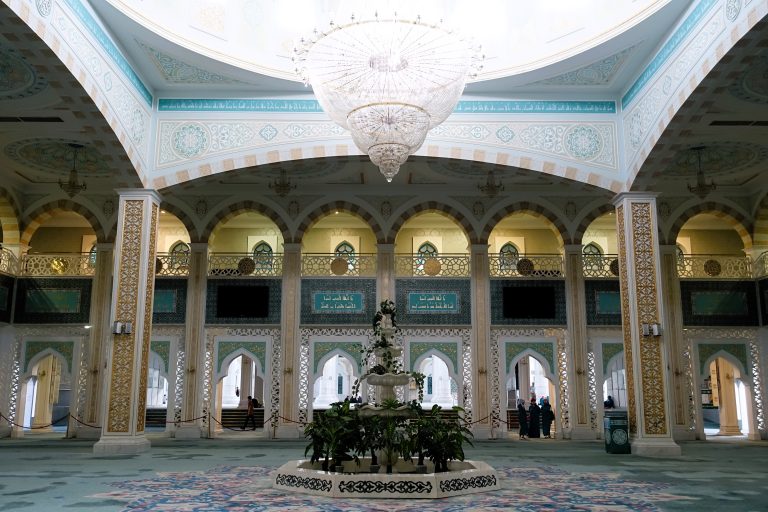
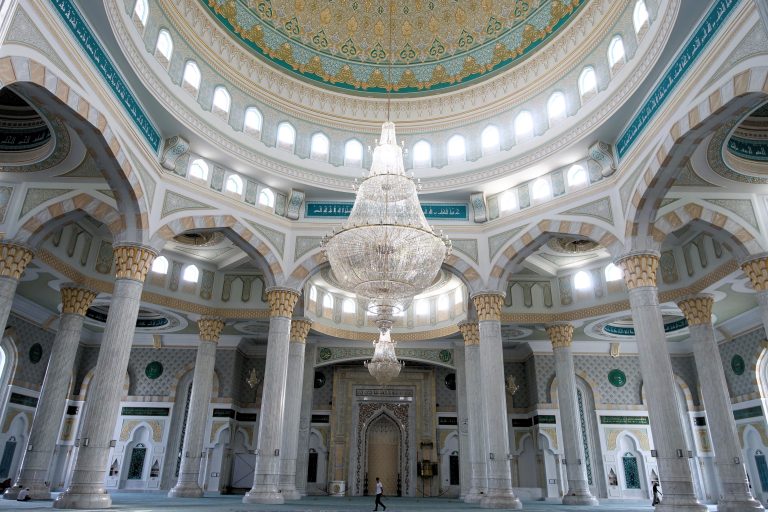
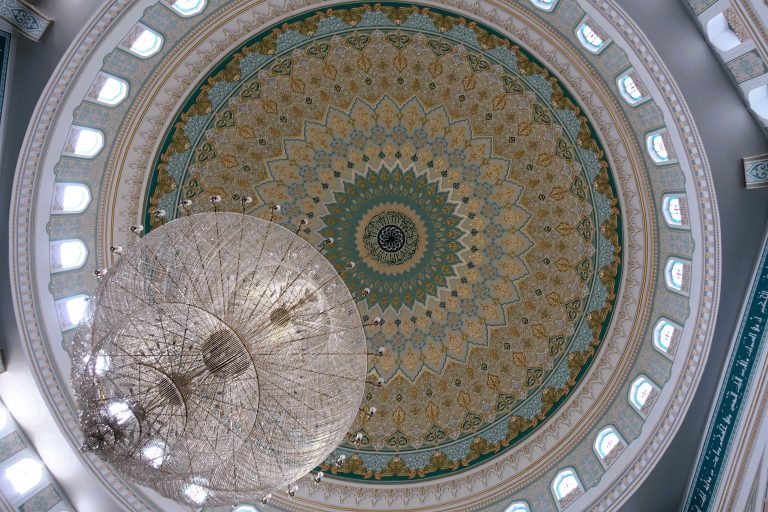
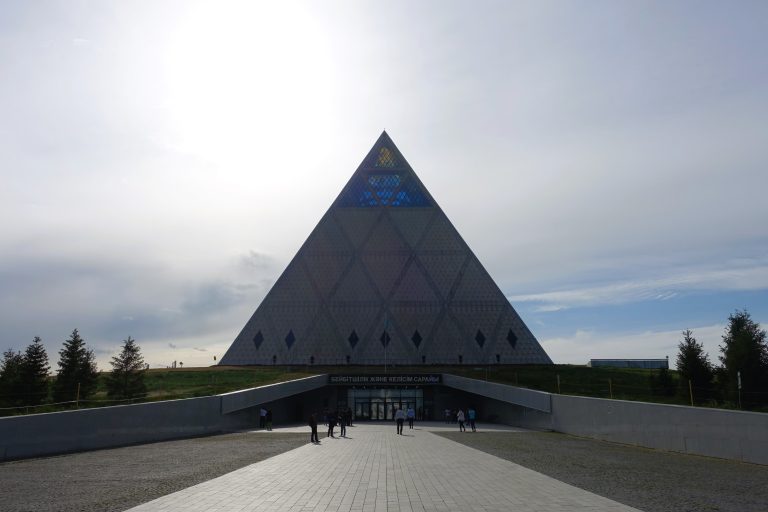
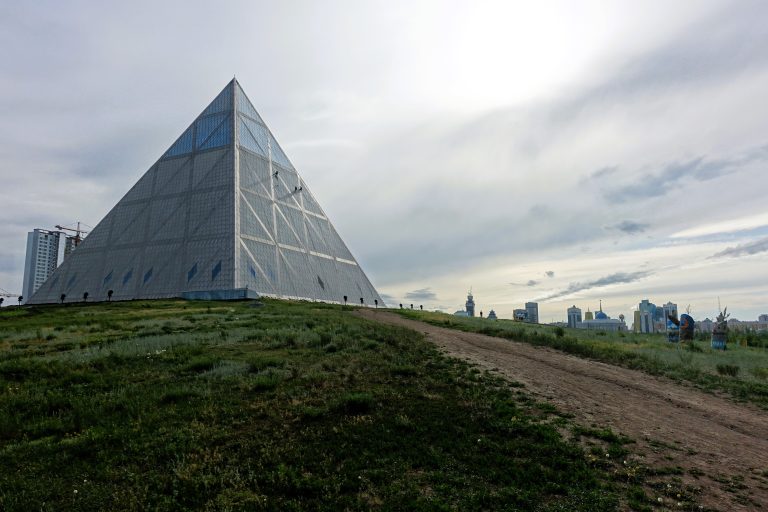
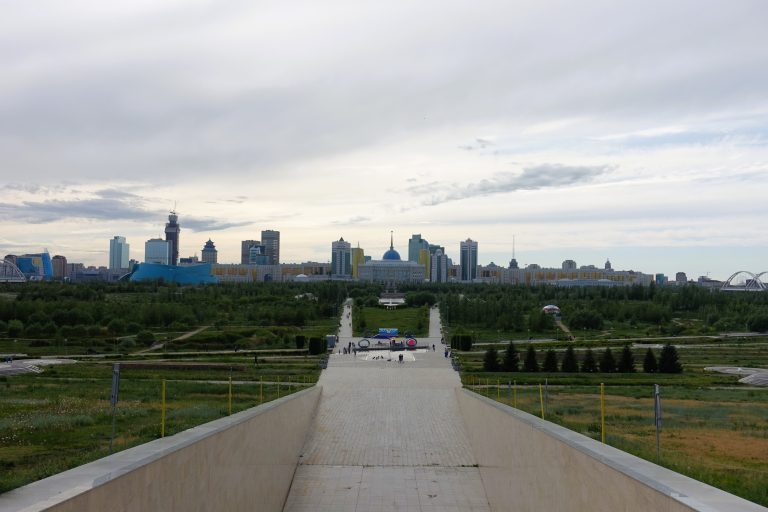
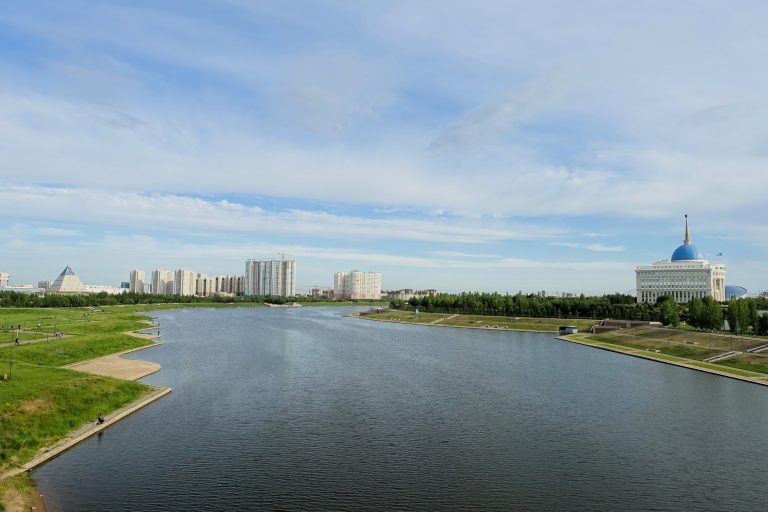
If ever we needed further proof that mosques and I simply don't mix... As I've stated elsewhere, my experience with Islamic architecture is that the exteriors > the interiors. The Hazret Sultan Mosque is definitely an exception to that rule, tho. The decor here was gorgeous! Really well-conceived. So glad I came inside, despite having behaved like a freak once indoors. Gorgeous ceiling + chandelier in the mosque. So there are two Norman Foster-designed buildings in Astana. One was the Khan Shatyr shopping mall that we've already seen. The other is this, the Palace of Peace and Reconciliation, over the road from the mosque and the independence monuments. I wasn't lying - this is the scene that's over the road. A rather impressive little square of architectural wonders around these parts. Astana killin' it! The Palace of Peace and Reconciliation is designed to celebrate ethnic and religious diversity, as well as to promote equality and peace. Can't argue with any of that. Sadly it wasn't possible to enter during my visit, but it was worthwhile coming here anyway. The Presidential Park that surrounds the Palace; a little overgrown, shabby, and without much happening. A work in progress, like a lot else in Astana. I bow out with this. The Left and Right Banks. The Palace of Peace and Reconciliation vs. the Presidential Palace. I feel like this captures sth real about Kazakhstan - the desire to celebrate its diversity, to be truly 'modern' and progressive, vs. the authoritarian, repressive regime that's quietly maintained its stranglehold on the nation since it's very birth. It's a conflict that I hope is ultimately won by what the building on the left represents. Fingers crossed.

Leave a Reply

Your email address will not be published. Required fields are marked *