WHY?
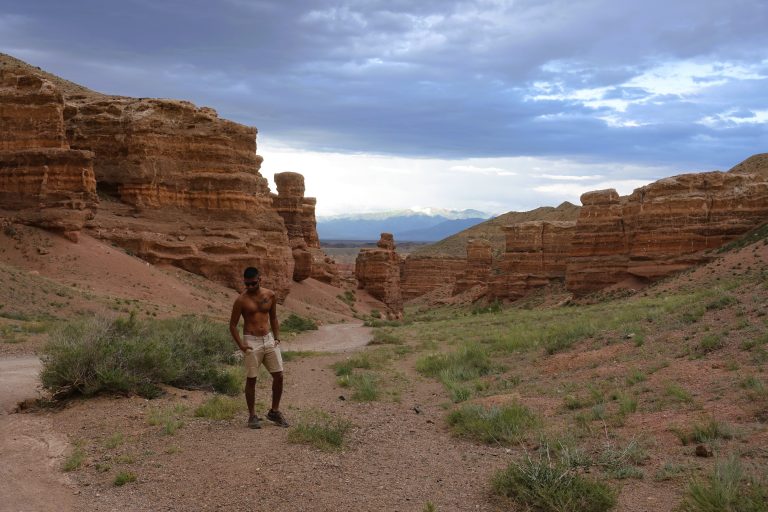
‘Why Kazakhstan?’ was a constant question from friends as well as locals in the country itself when I rolled up in 2018. Tourism was still a nascent industry, so bemused (but very friendly!) Kazakhs would always ask me what the hell I was doing there and, upon finding out that I was a mere traveller, would subsequently ask me what the hell I’d wanna see there! While it’s refreshing to travel in countries where toxic nationalism isn’t a thing, Kazakhstan goes too far in the other direction imo. But more on that in a sec.
I’d actually almost moved to Kazakhstan in mid-2013, during a low point in my Siem Reap years. I’d secured a job offer thanks to an old colleague but got caught in bureaucratic limbo with the visa application. It took three months for the paperwork to finally go through, but by then life in Cambodia had swung right back in the opposite direction and I ended up staying put. Quite aside from that close encounter-that-never-was, I’d always been intrigued by a country that’s the ninth largest in the world but which very few know much about. I wanted to see whatever there was to see, learn whatever there was to learn. And finally, after eight years of living in Asia by this point (I’d intended to be here only for two!), I was running out of countries on the continent that I wanted to visit. Thus, the giant Kazakhstan-shaped space on my map began calling my name.
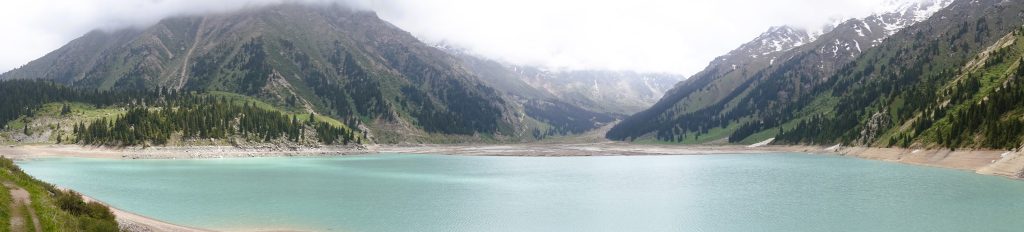
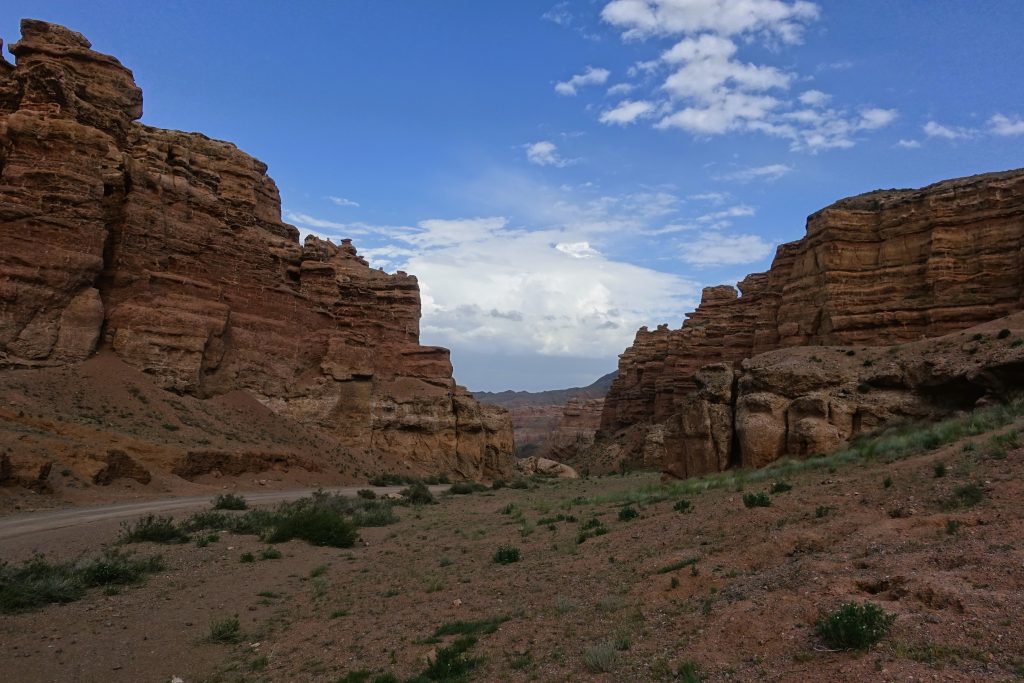
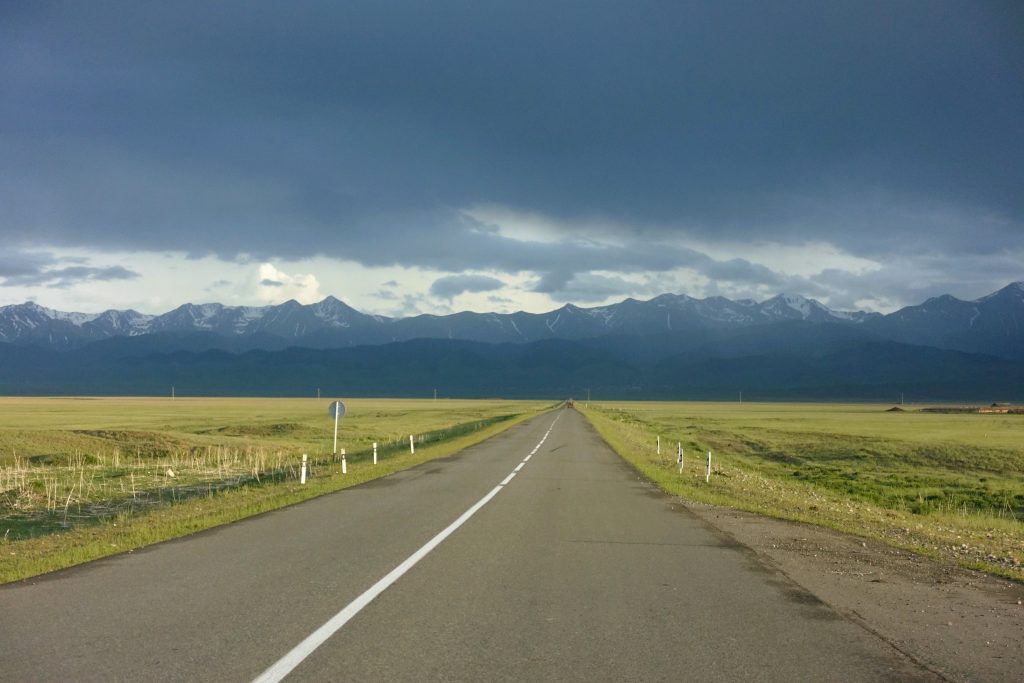
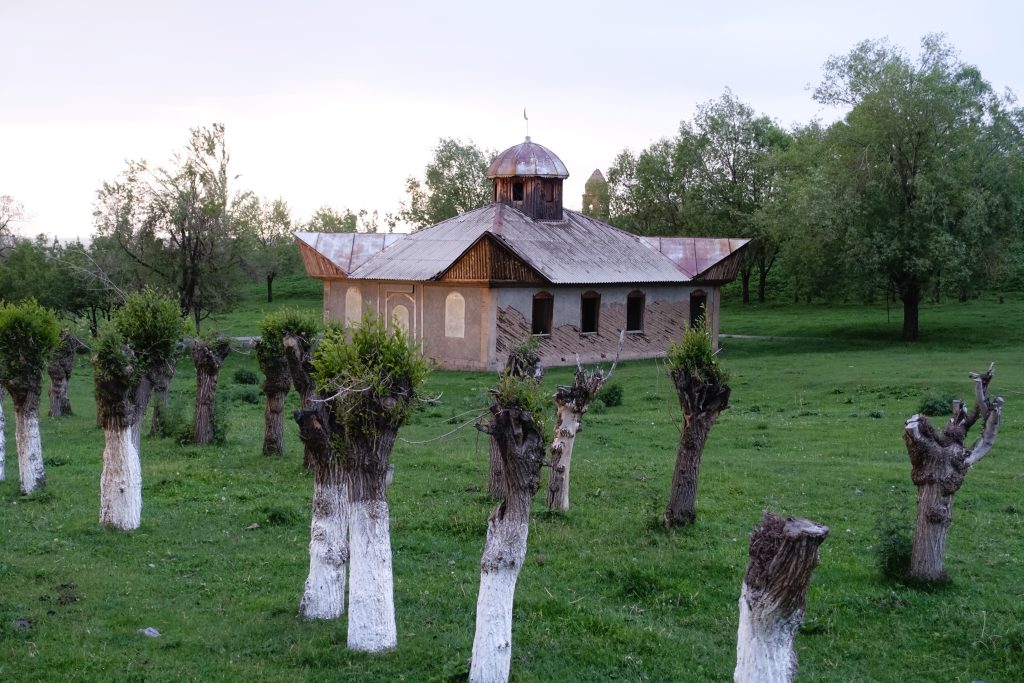
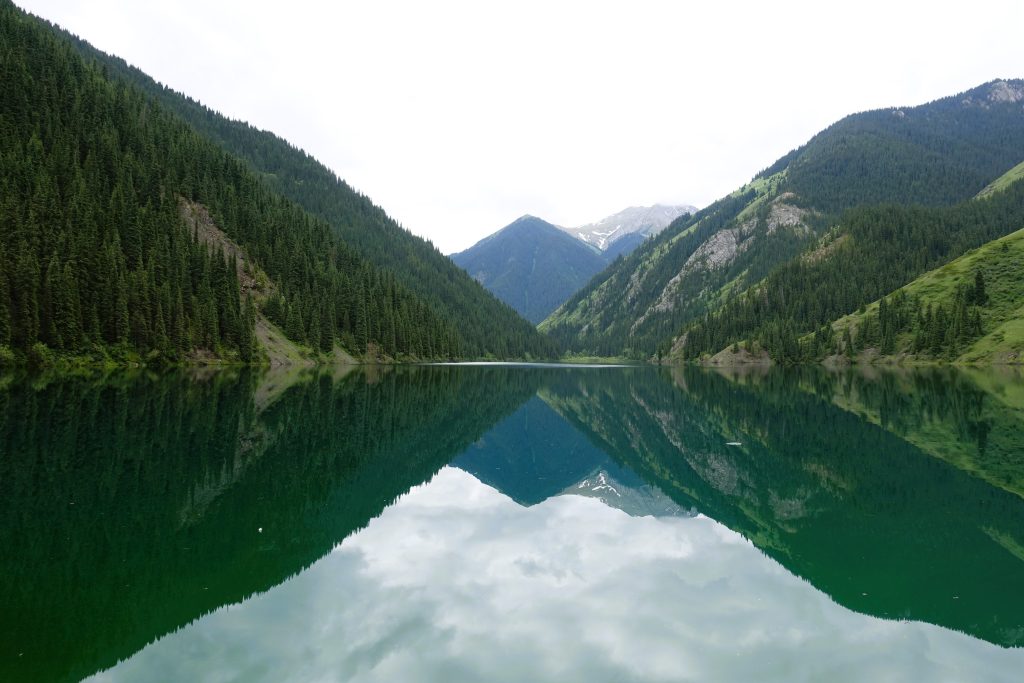
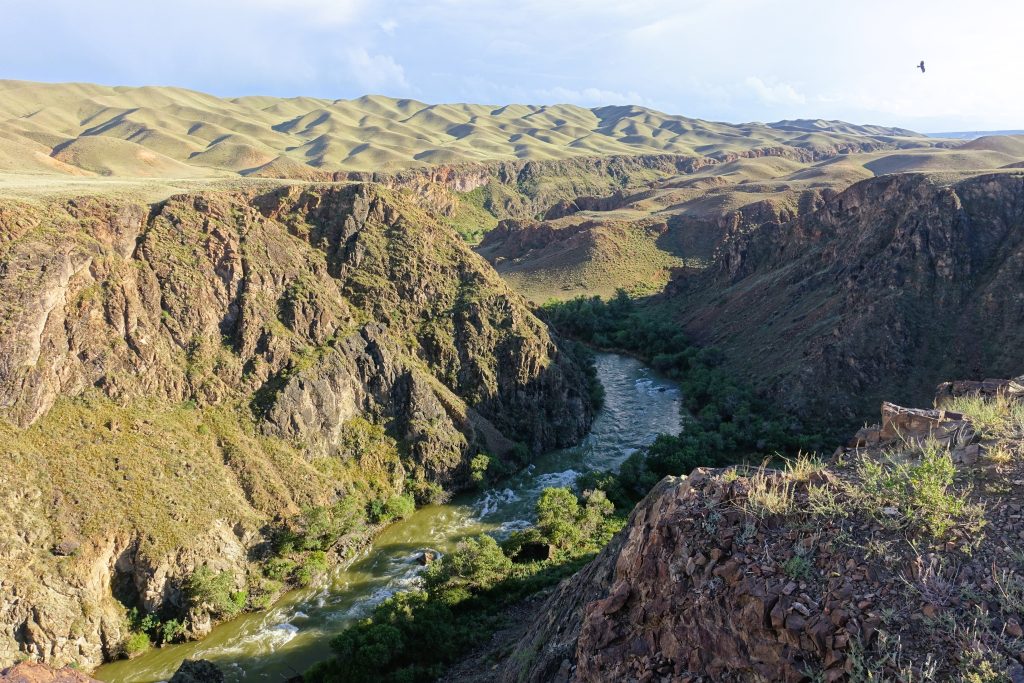
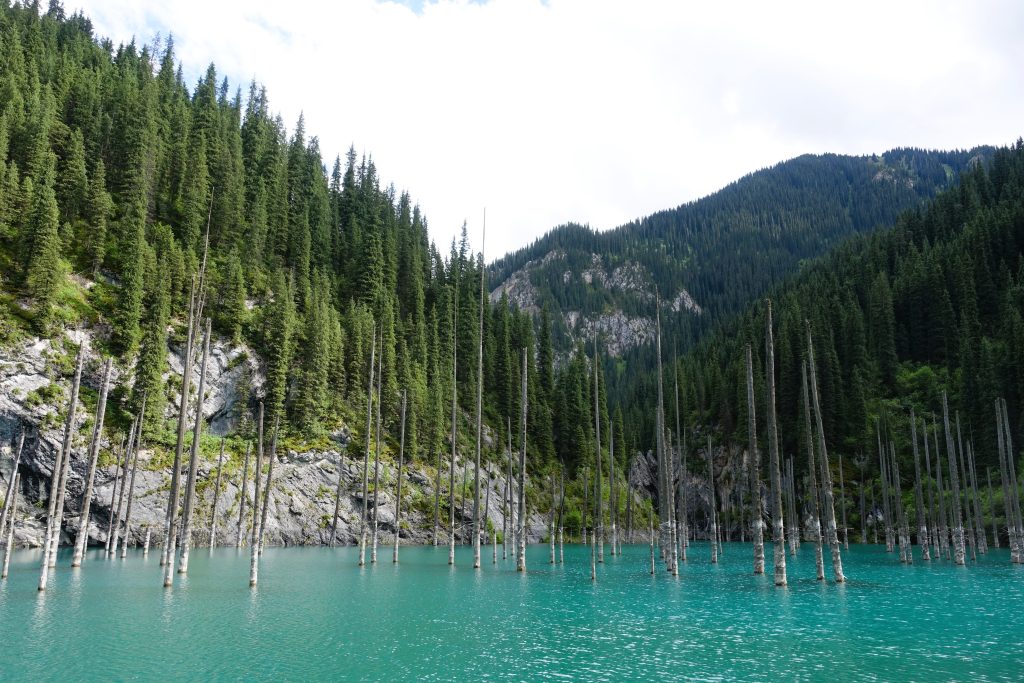
highlights from Almaty and surrounds
WHERE?
There was only one place that I really wanted to see in Kazakhstan prior to getting in: the ecological disaster that is the Aral Sea. I’d hoped to visit when in Uzbekistan the year prior, but I had to abandon that plan due to time constraints. The same constraints did me over here. I couldn’t make any contact with agencies in Aralsk before leaving China and vainly prayed that I’d be able to figure something out once inside the country. But everyone I approached about the topic was like: ‘Why would you go? There’s nothing there!’ and/or ‘It’s miles away from anywhere. Are you mad?’ And they weren’t wrong – it would have taken several days of detouring in slow-ass trains to reach a soon-to-be ghost town that’s ravaged by toxic pollutants. I eventually gave up, recalibrated, and came up with a more feasible itinerary that provided greater rewards.
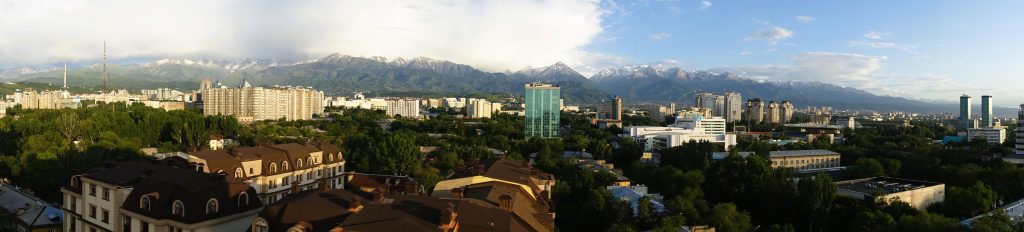
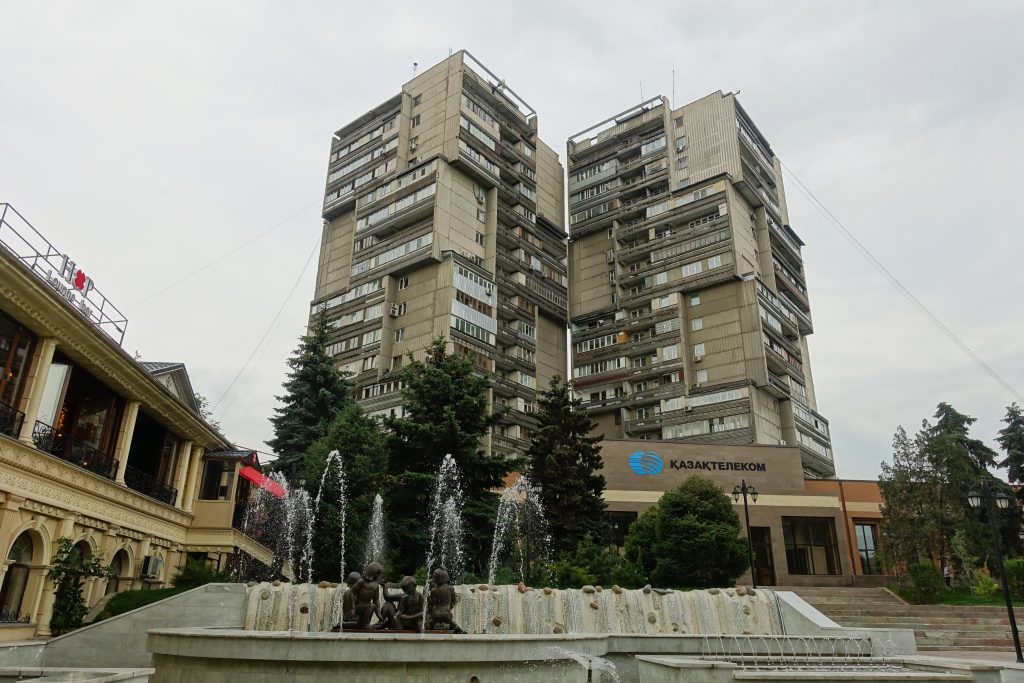
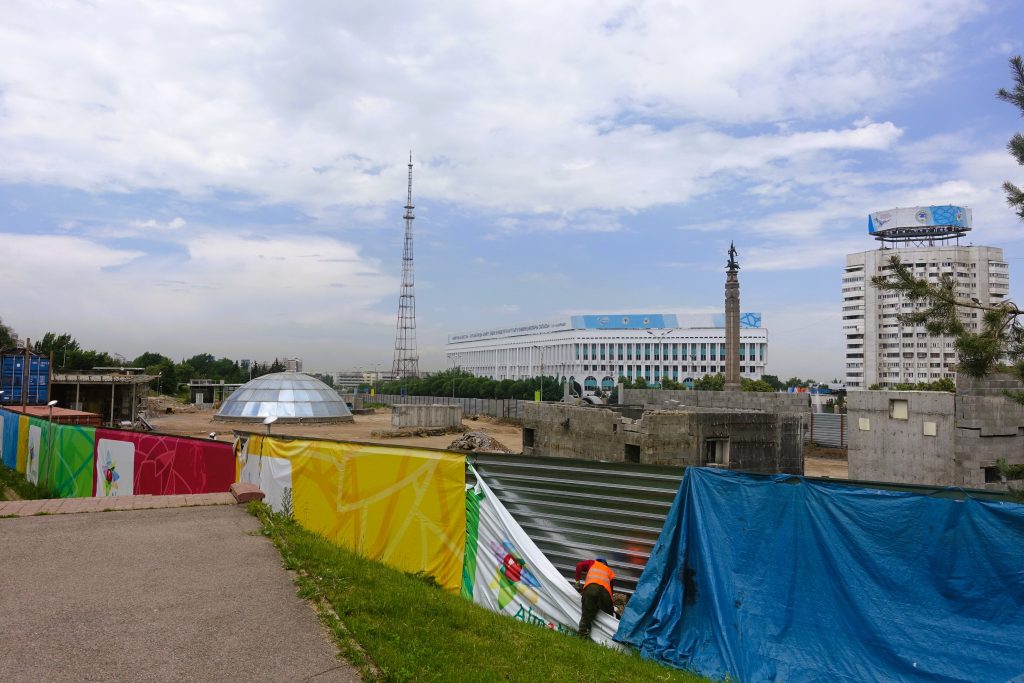
First up: Almaty. The country’s largest urban centre, former capital, and at one point my potential new home. A strange city: there’s no ‘downtown’ of which to speak, restaurants and bars are randomly dotted around all over the place. ‘Sights’ here are limited, and amenities can be elusive – hidden away in the nooks and crannies of the many Soviet apartment blocks that dominate its cityscape – but there’s a throwback charm to it all that makes it an intriguing place to visit. And the mountains that flank the city’s perimeters hint at surprising treasures. It was in my hostel here where I made some awesome new friends and spent a couple of days touring to the gorgeous lakes and canyons in the neighbouring region with them. There were also fun encounters with karaoke bars, the National Ballet, a dilapidated water park, vodka-swigging Russian mayors, and the local police – the last of which resulted in our nearly being arrested at Big Almaty Lake (for accidentally approaching its shoreline!). Much fun.
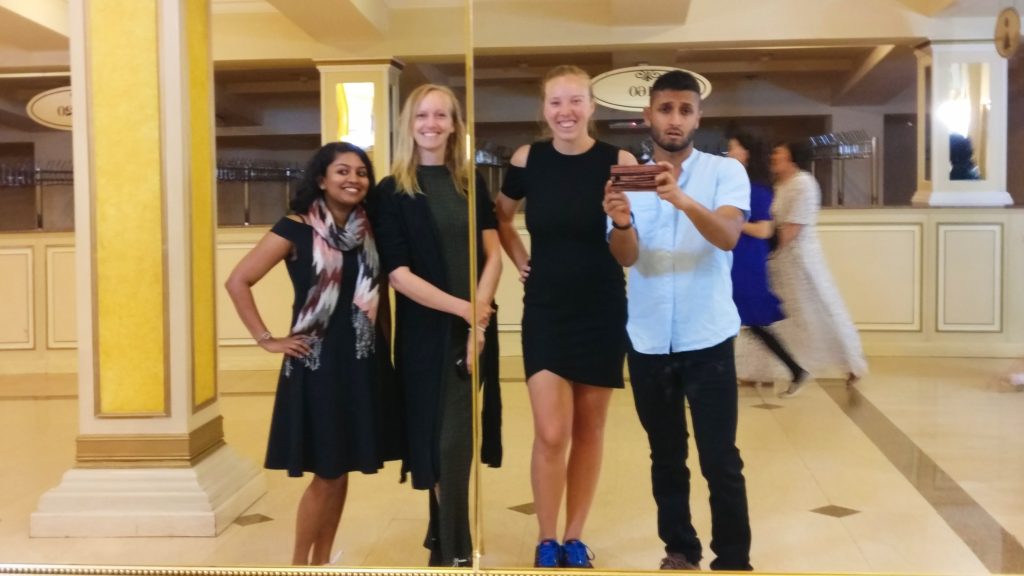
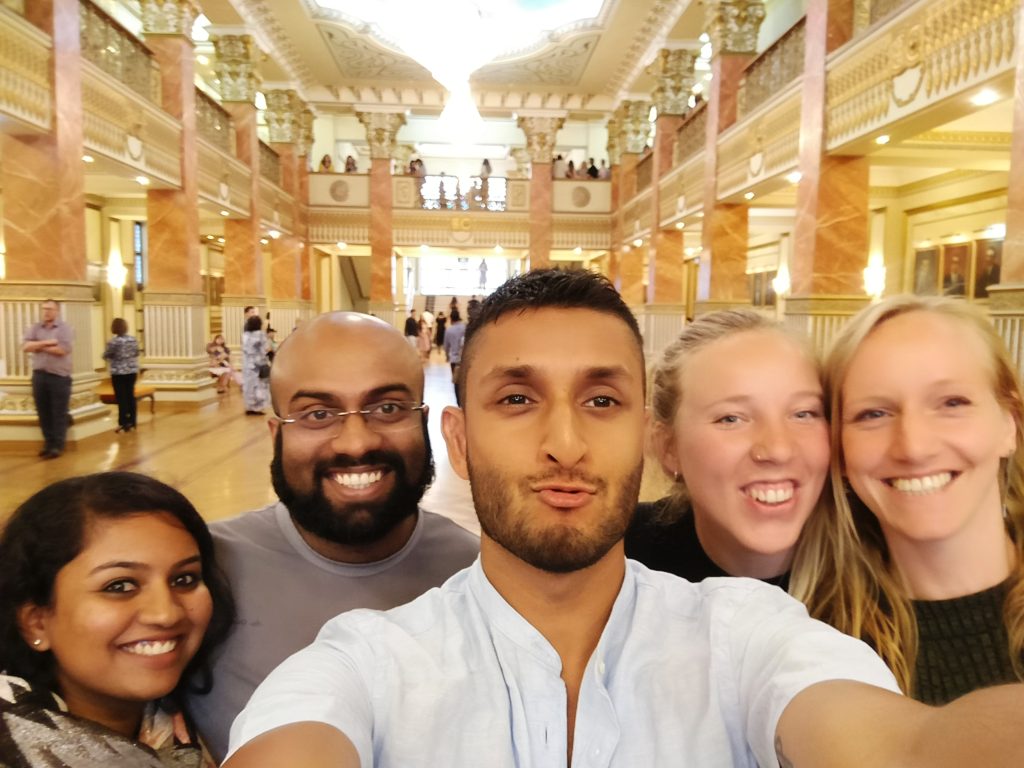
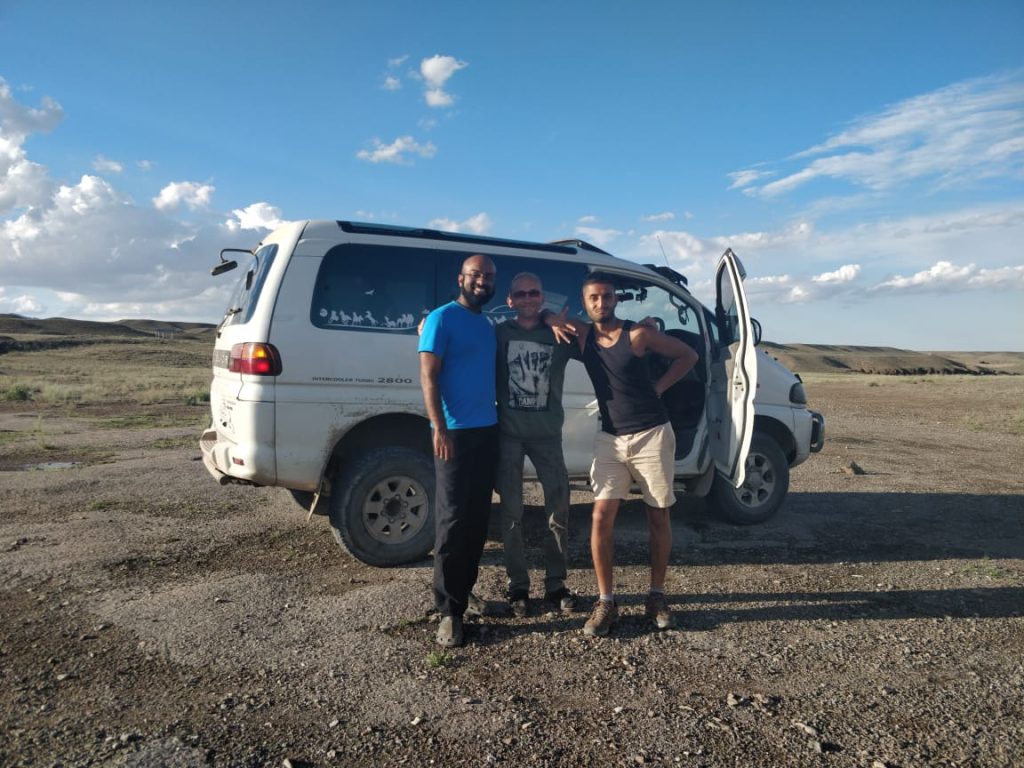
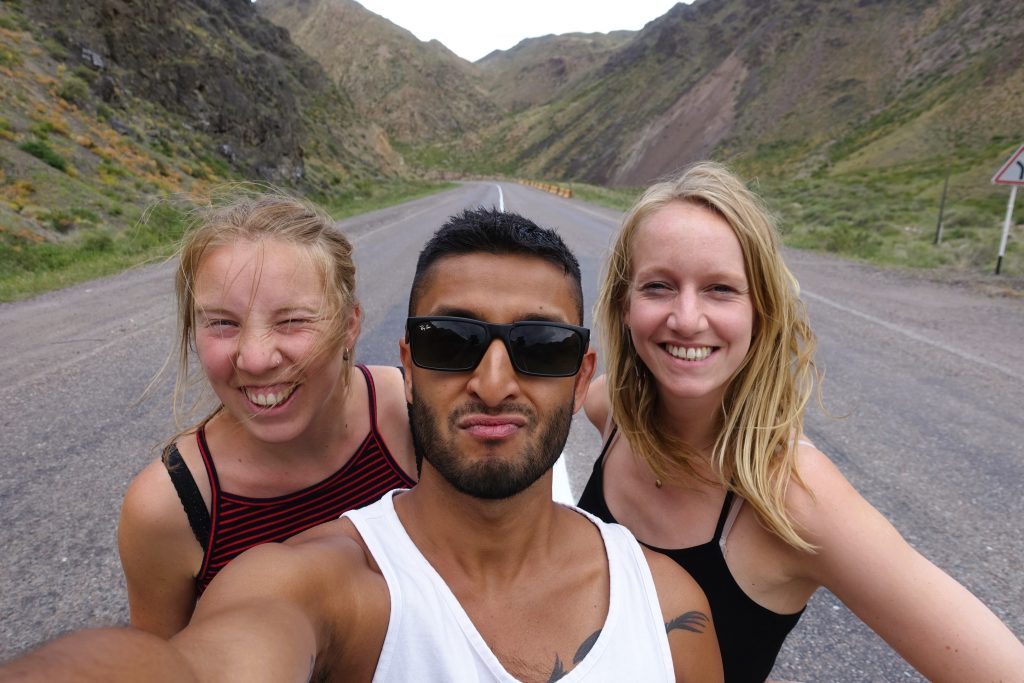
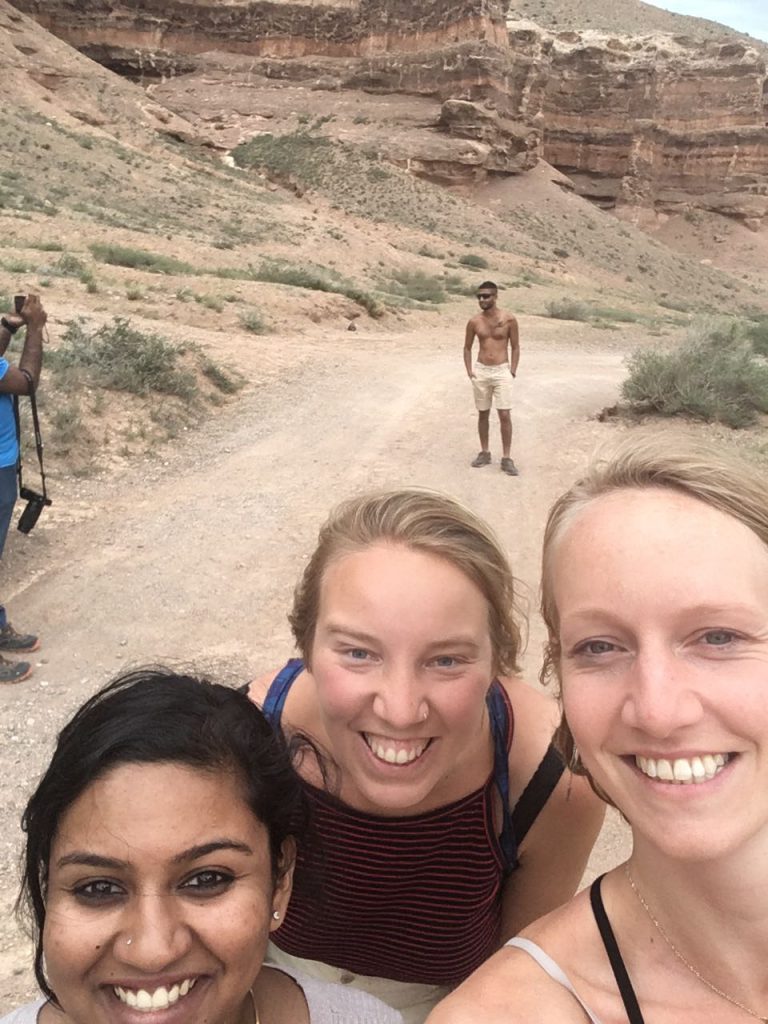
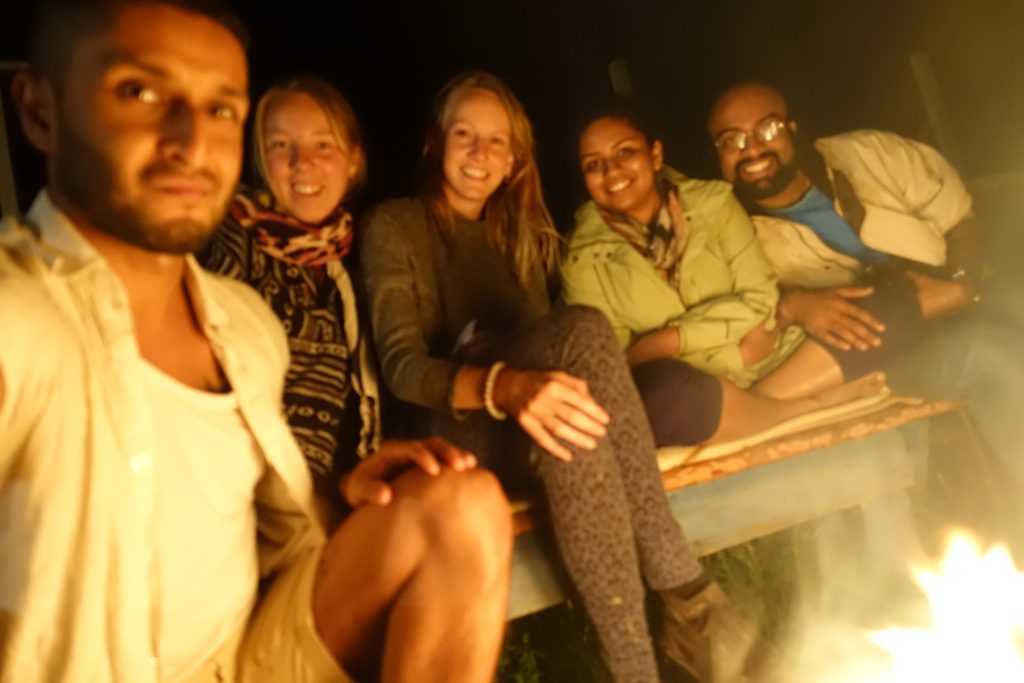
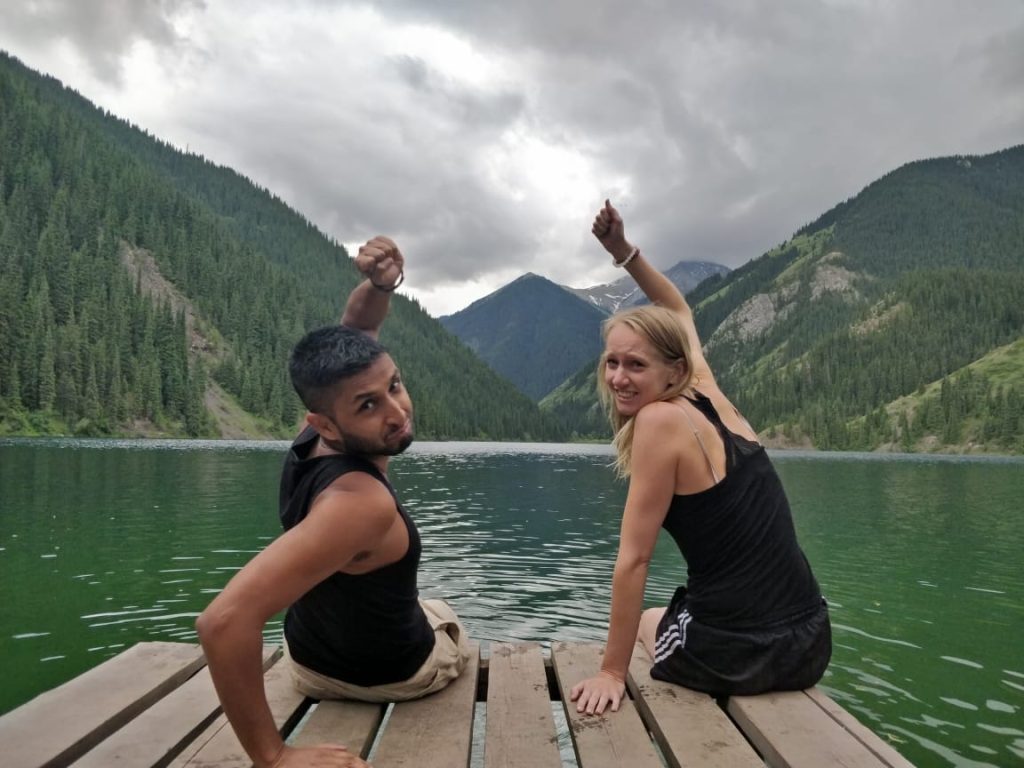
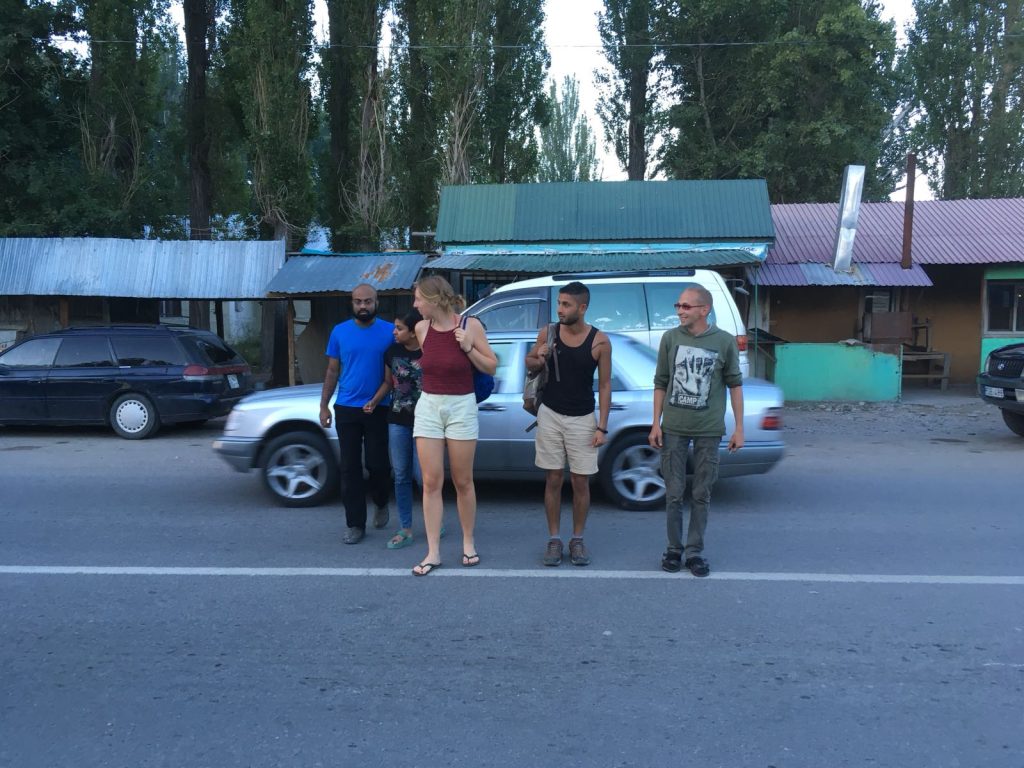
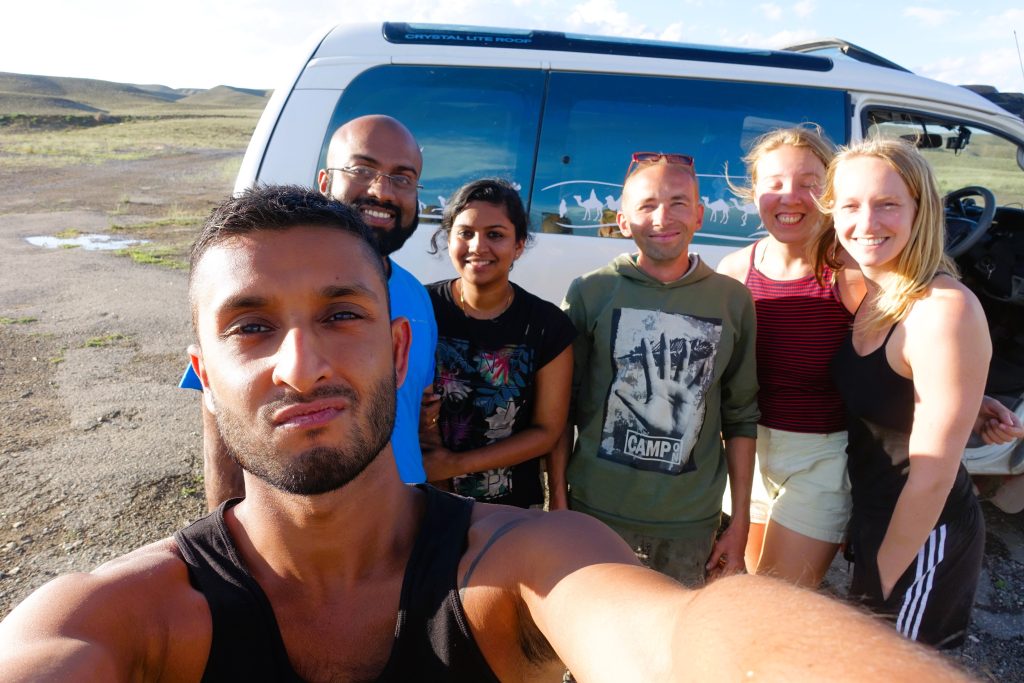
the awesome group who helped me fall in love with KZ
After parting ways with the gang, I travelled alone to Turkistan in order to lay eyes upon the nation’s most significant surviving Silk Road landmark and the ruins of Sauran, the old capital of the Mongol White Horde that’s lain abandoned since the 16th century. I felt like a genuine celebrity when in Turkistan – a dusty, sleepy city whose commercial potential remained thoroughly untapped at that time. And having the decaying, bewitching vestiges of the past entirely to myself in Sauran was an experience I’ll never forget.
Historical escapade checked, I then engaged in a little dark tourism by heading to Karaganda, capital of the nation’s industrial heartland. From there, a 45-minute local bus and 30-minute walk gets you to Dolinka’s Karlag Museum. In Stalinist times, this was the headquarters of an enormous gulag, and the museum soberingly documents the many atrocities that occurred back then. Next, I hired a driver to take me to Temirtau, a city of countless factories; its chimney stacks billowing out toxic clouds of smoke as if in some post-apocalyptic wasteland. Only three cities in the world have been so polluted that I felt them shaving years off my life: Delhi, Kathmandu, and Temirtau. The driver who was indulging me was first perplexed, later alarmed (‘Are you a journalist?!’), and finally amused by fixation with this man-made catastrophe.
At last, I made it to Kazakhstan’s gleaming, ornate capital: the planned city of Astana. Though intended to be the modern, cosmopolitan face of the nation, it felt bizarrely deserted; its eccentric architecture and oversized avenues compounding the sense of emptiness. Still, this was the second location (after Turkistan) where I was made to feel like a genuine celebrity by my sheer presence so my ego can’t help but look back warmly on its manifold quirks. A worthy stop before heading home.
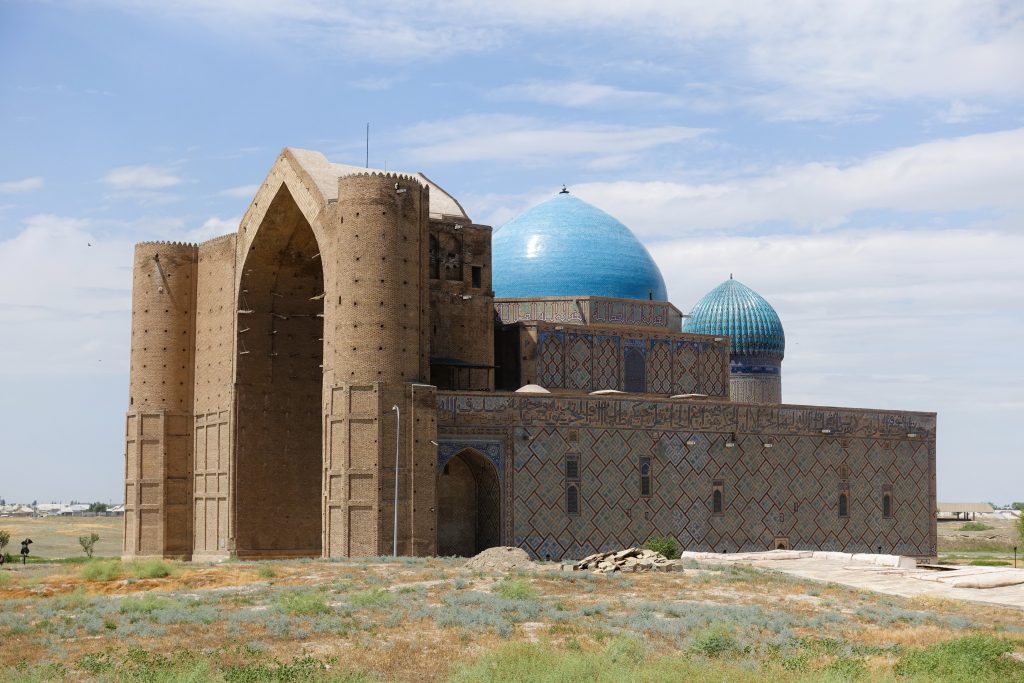
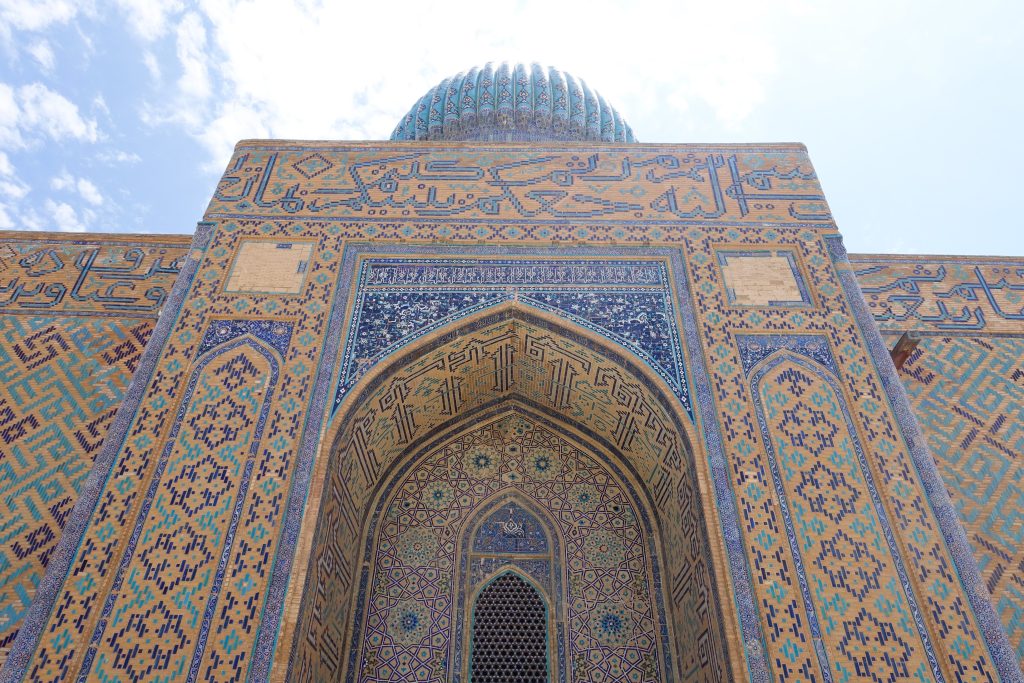
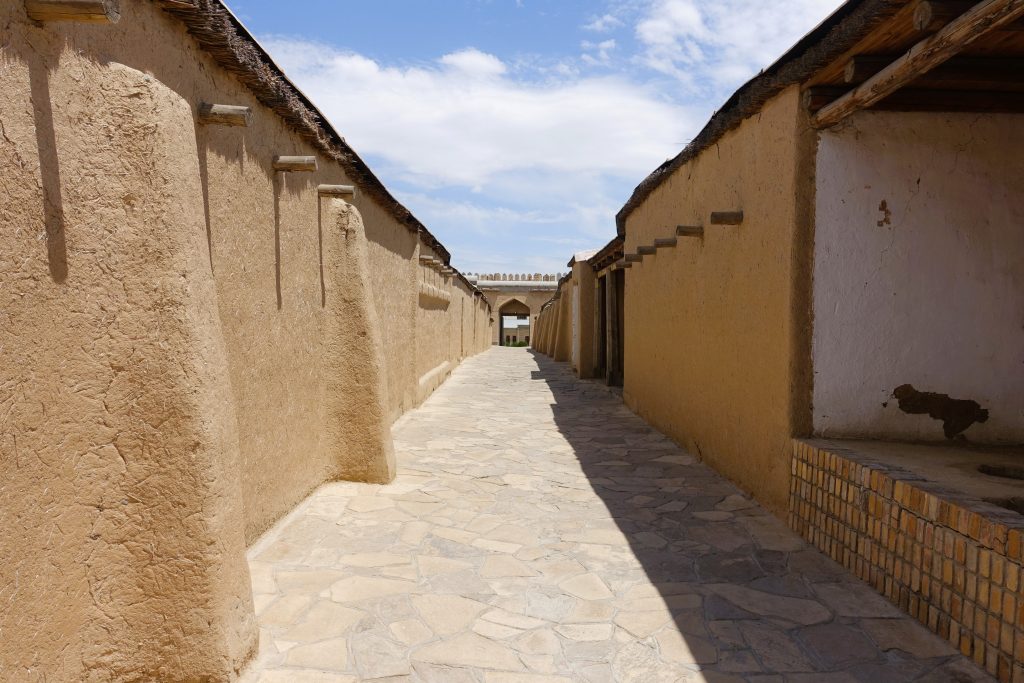
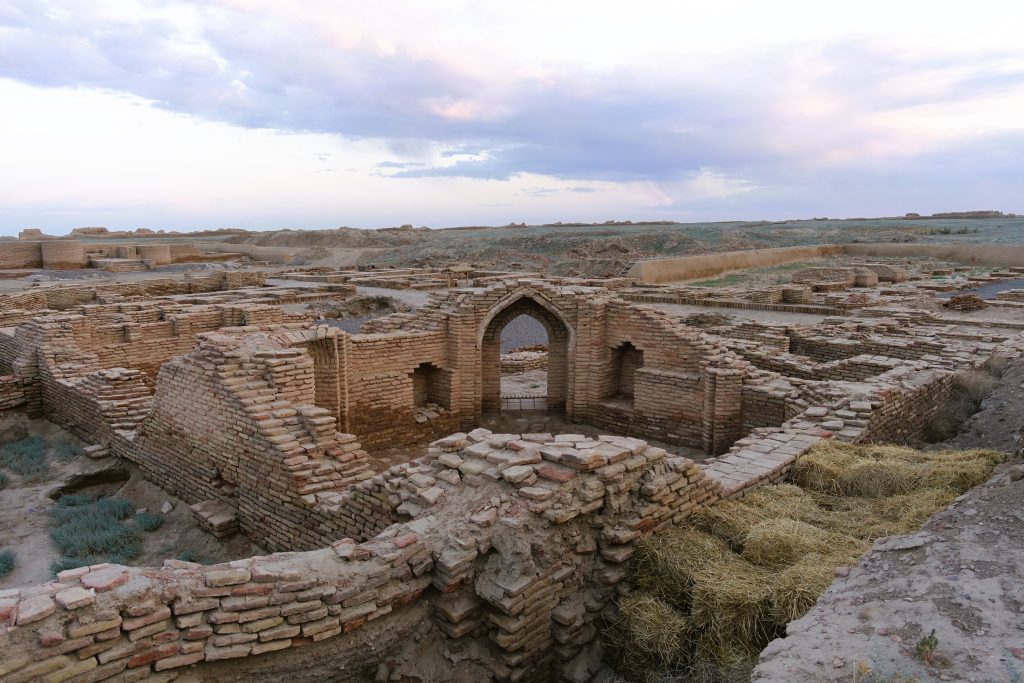
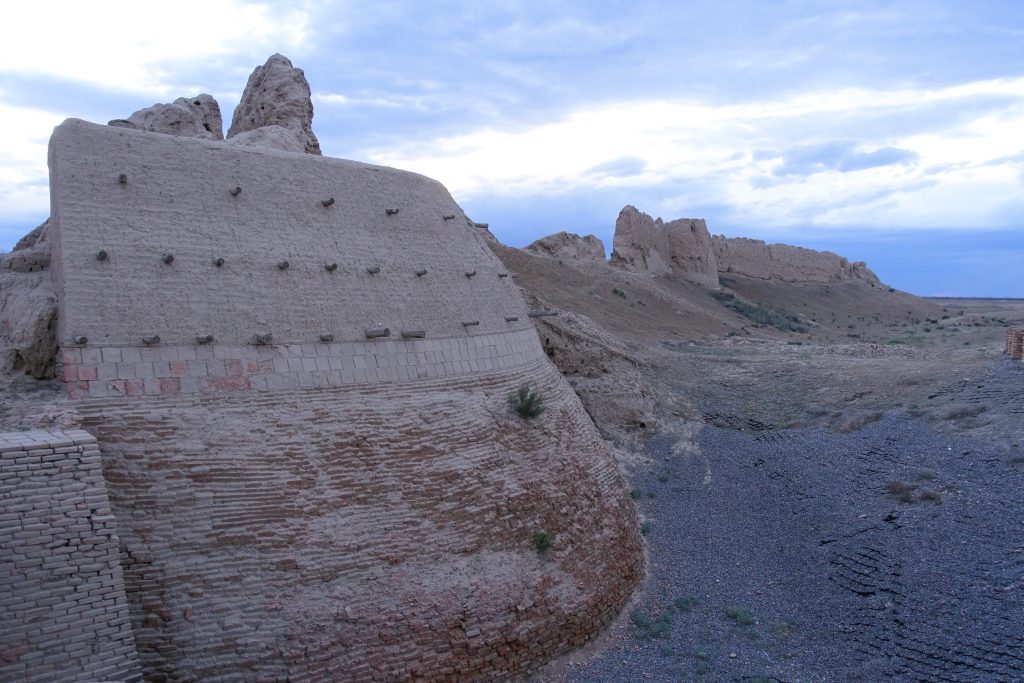
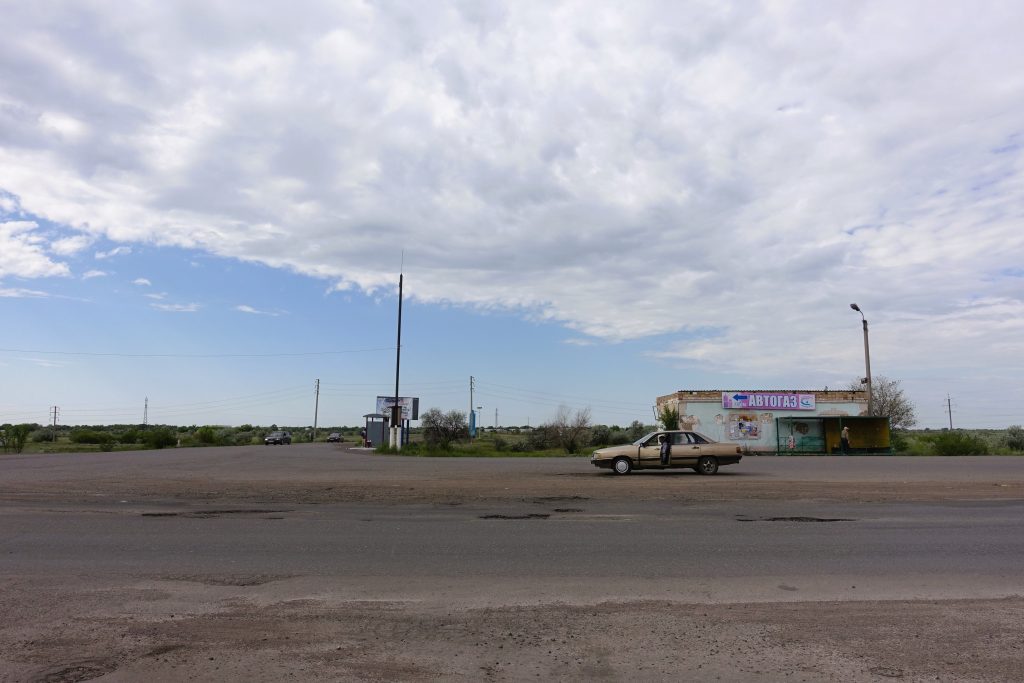
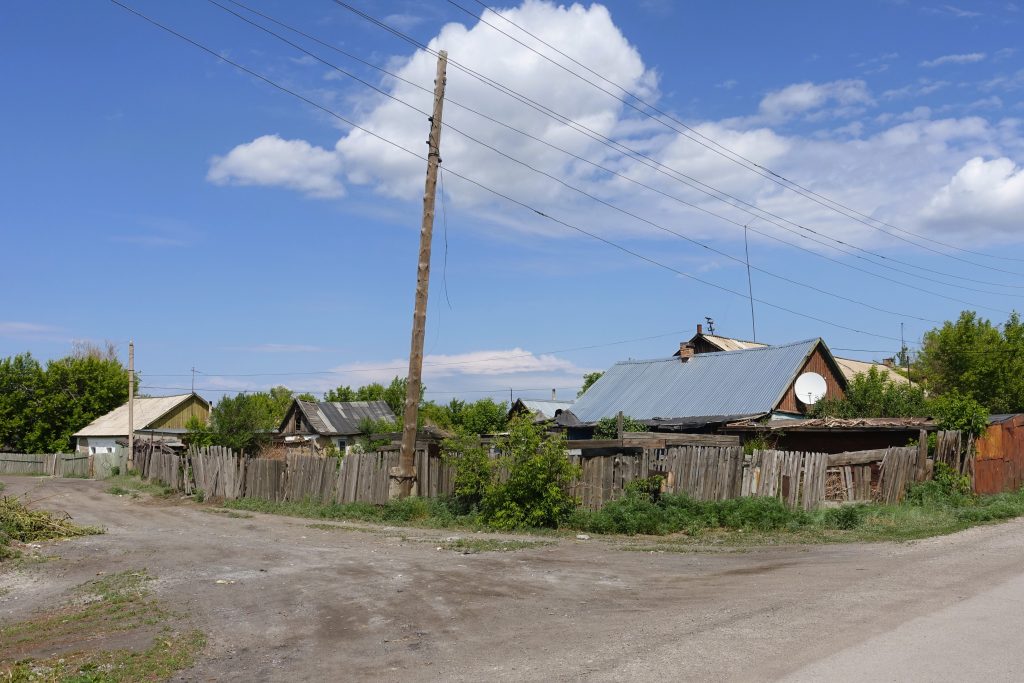
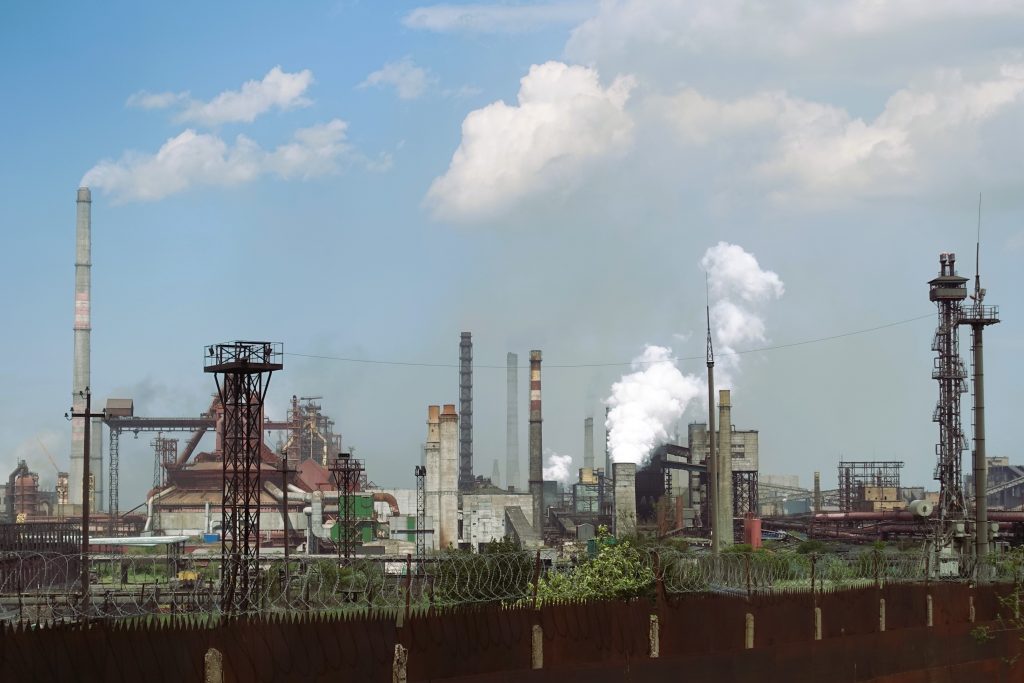
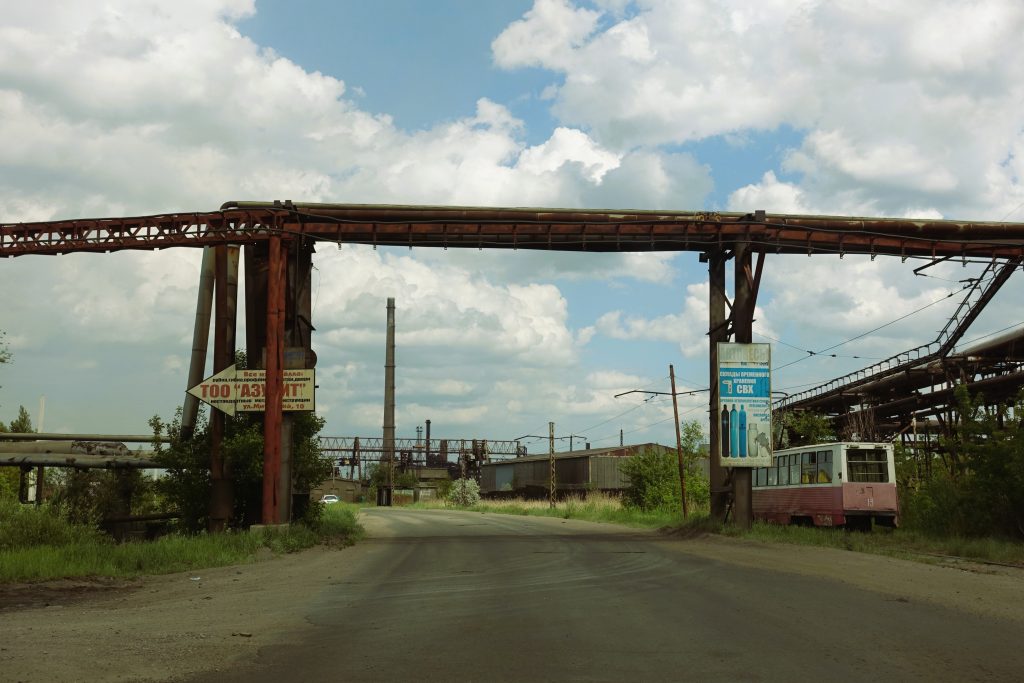
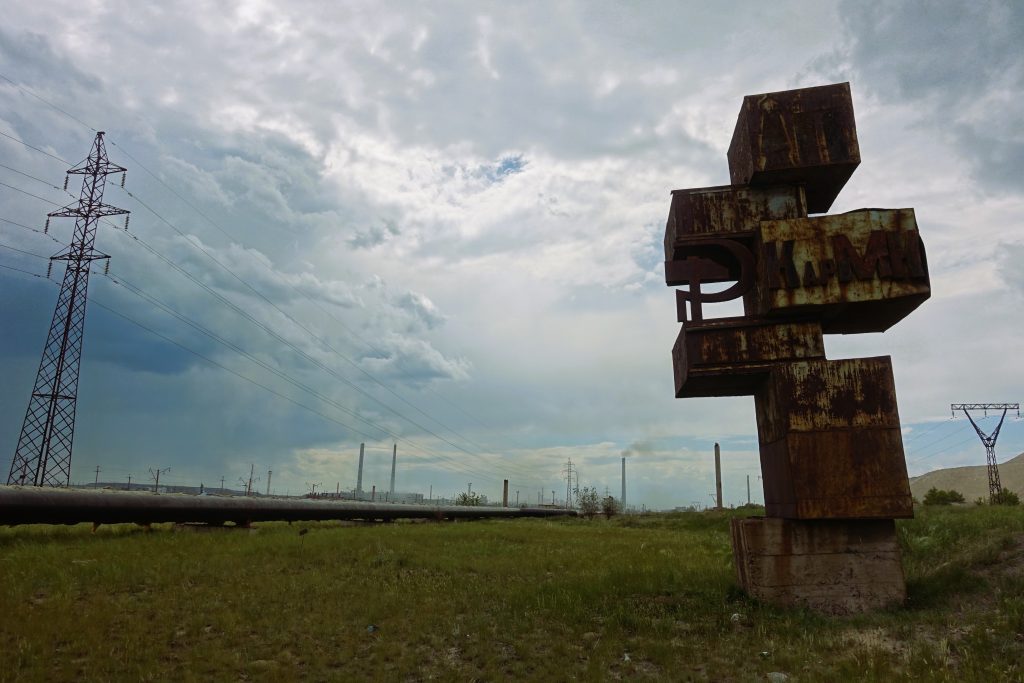
excursions around Turkistan and Karaganda
HOW?
All journeys between cities were done by train. The very obliging reception at my hostel (which sadly now appears to be defunct?) helped book all the tickets. Rail travel requires some forward planning: they don’t run as frequently as you’d hope, and things sell out fast. Dining cars exist on the longer services (vegheads: embrace potatoes), but I’d nonetheless take snacks for all journeys. And don’t expect much action in the grand-but-relatively empty stations. Carriages were generally very comfortable and passengers were consistently excited to have a foreigner on board. One particularly inebriated guy bear-hugged me in excitement, manhandled me into his compartment, and then demanded my World Cup predictions upon finding out I was a Brit. I later discovered that he was one of the conductors on the train!
I tried to use Uber upon arrival in Almaty and it was an unmitigated disaster. Drivers were friendly enough, but had no idea where they were going (they obstinately disregard the in-app navigation for some reason), and often pick up stray passengers en route to make some extra $, which isn’t helpful if you’re in a hurry. Avoid ride-hailing apps unless you’re fluent in Kazakh/Russian imo. Instead, I’d recommend the very affordable and extensive public transport (buses everywhere, metro in Almaty) for urban travel. Arranging drivers for excursions via hostels/hotels seemed fairly straightforward as well. As in other parts of Central Asia, it’s also possible to flag down cars from roadsides for a small fee. Have all destinations saved in Cyrillic to spare yourself unnecessary drama.
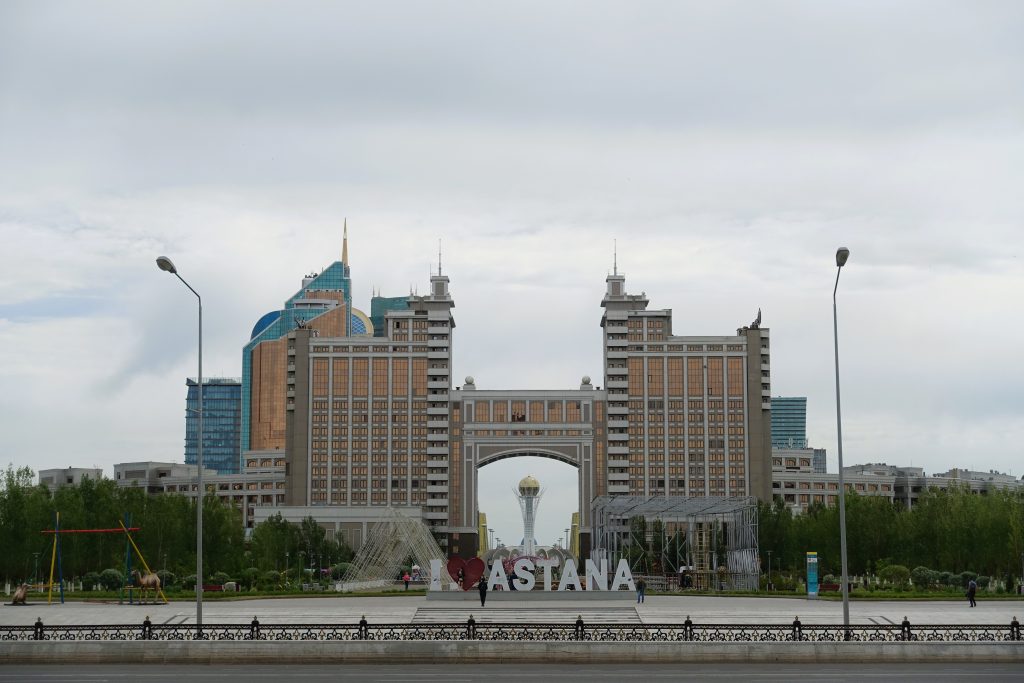
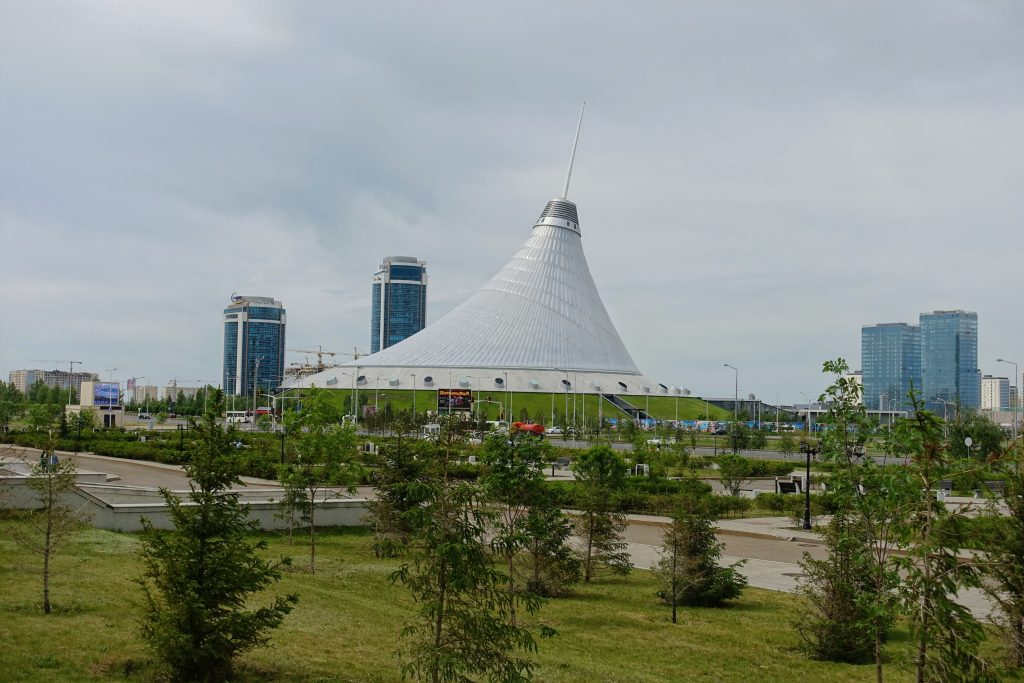
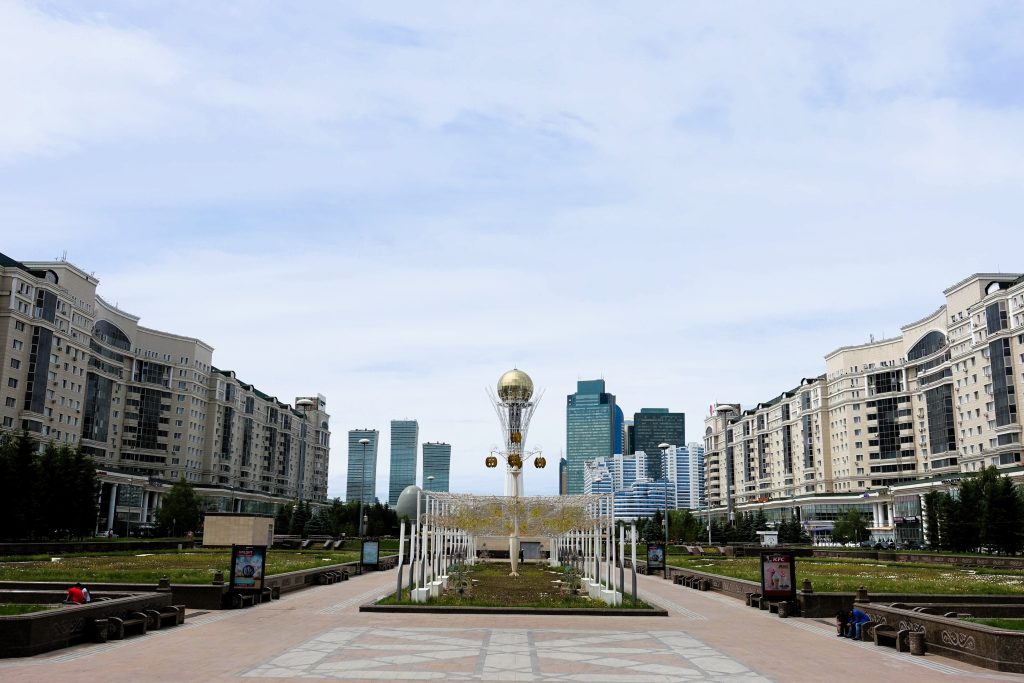
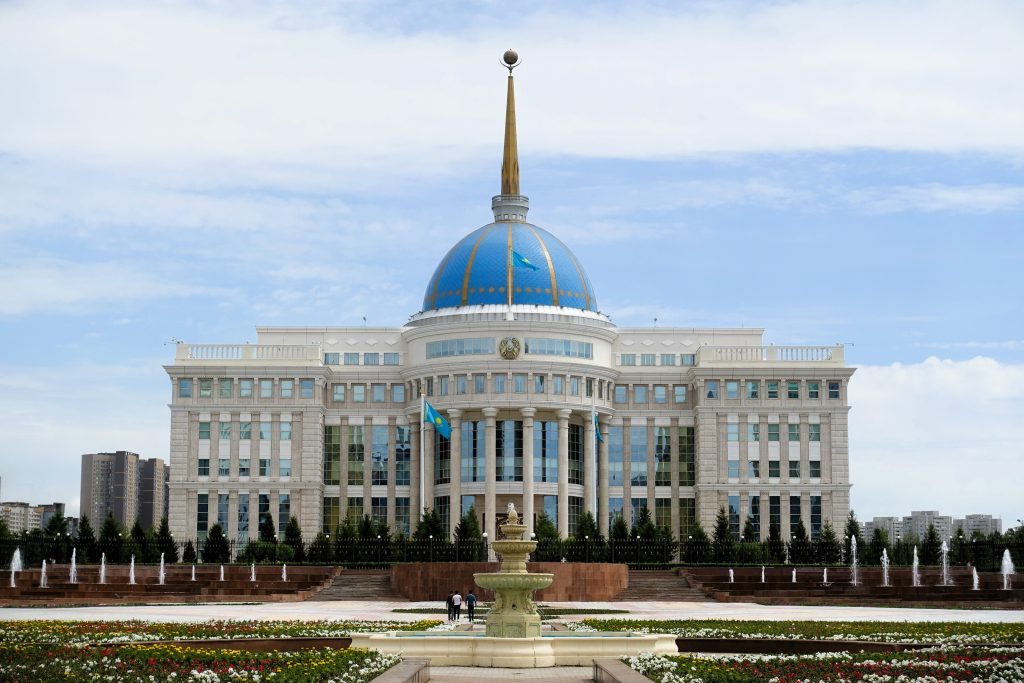
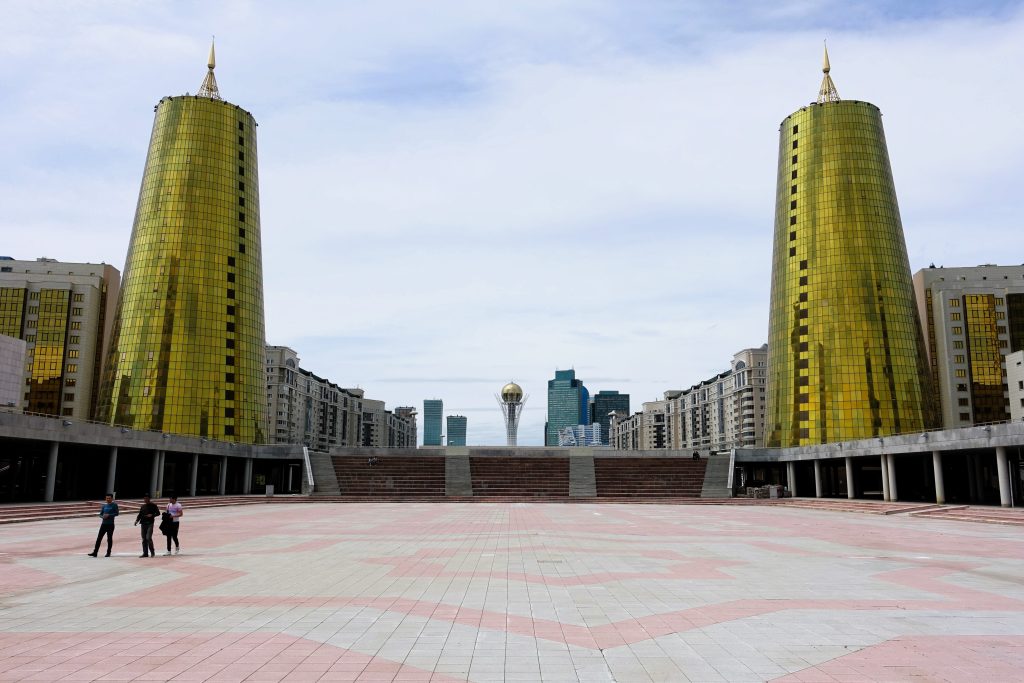
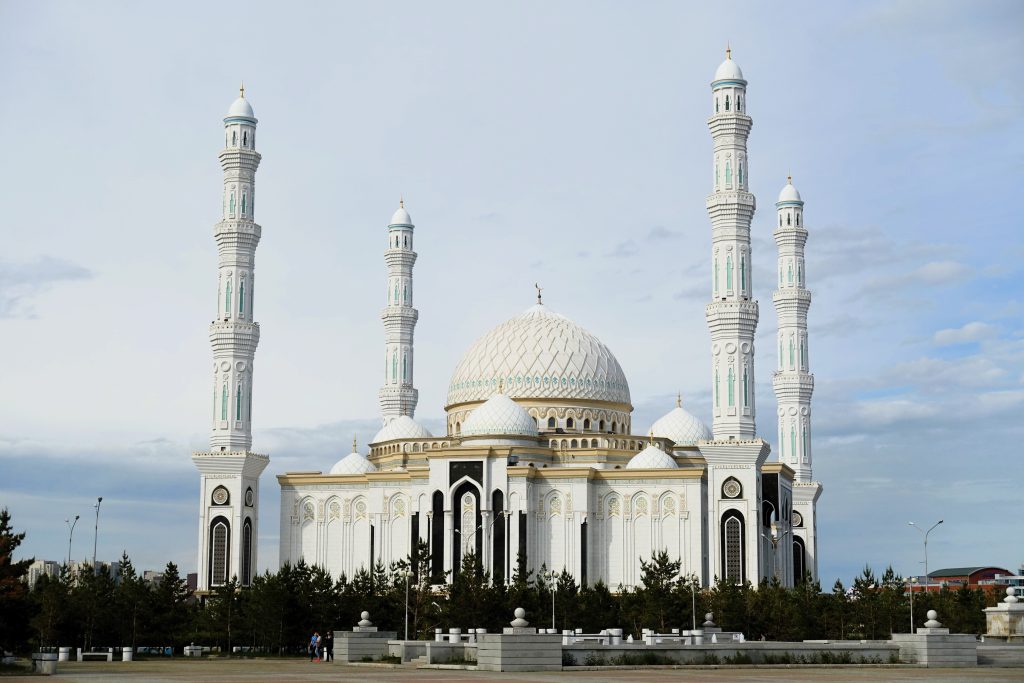
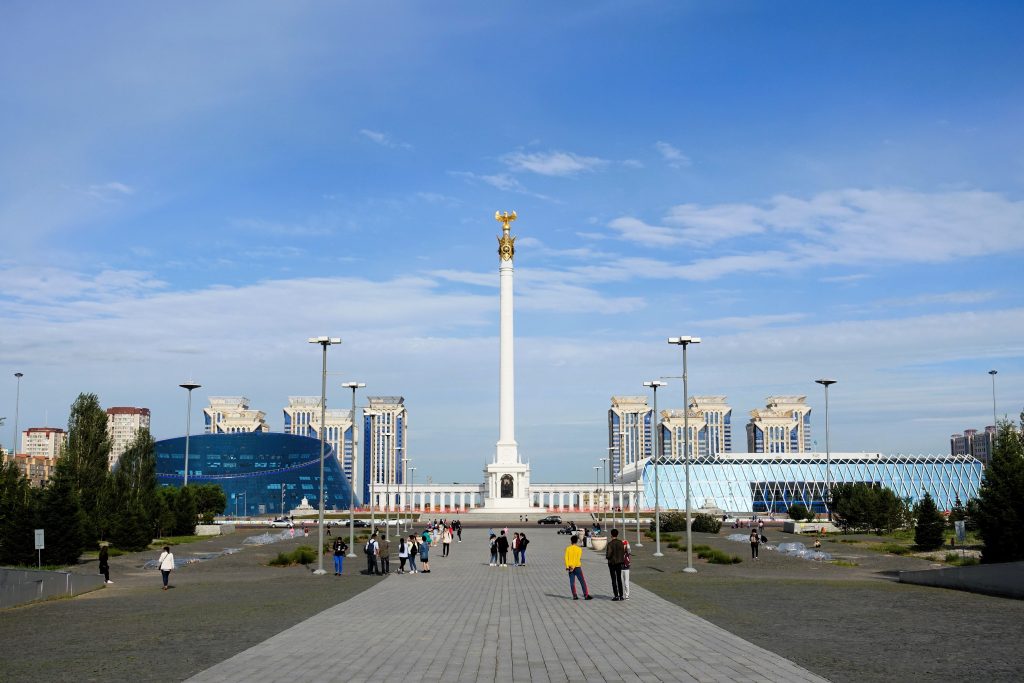
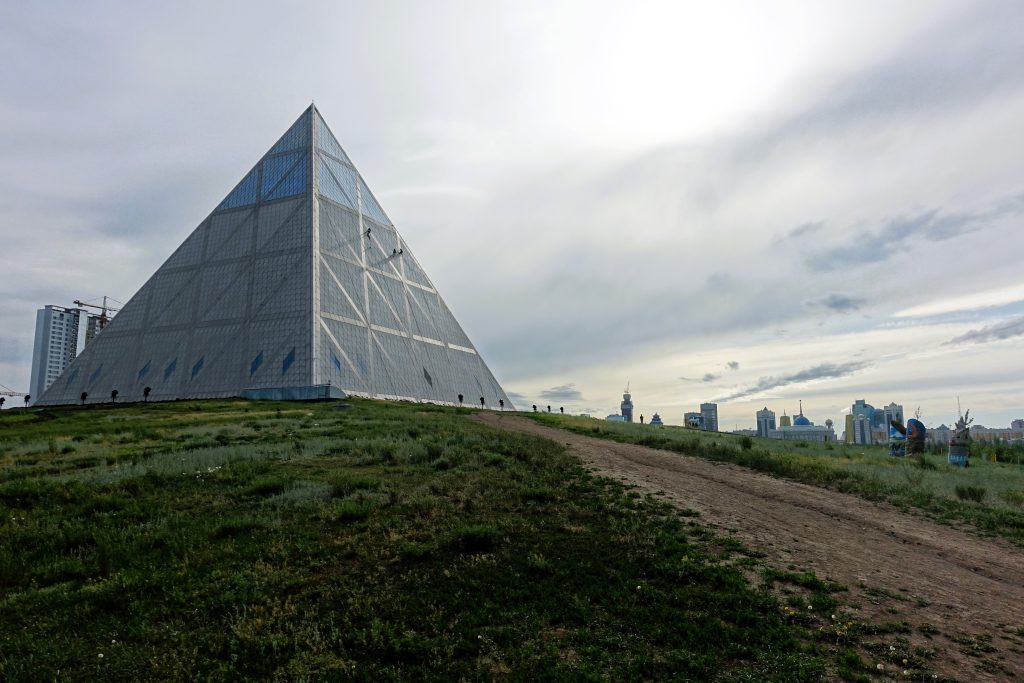
as insane a capital as you’ll ever see
FINAL THOUGHTS
After turning up in Kazakhstan with nothing more than my pipe dream of seeing the Aral Sea, my actual trip unfolded in directions entirely unexpected. I’d had a decent amount of firsthand experience with landlocked, sparsely-populated Asian nations labouring under repressive regimes, and had therefore assumed two things: A) as a vegetarian, I would be fending off starvation for much of my time here; B) on surface level (and surface level alone), the masses would be a little distant, and seemingly suspicious towards foreigners.
While the first assumption proved typically accurate – I subsisted on a diet of potatoes, tomatoes, and cucumbers outside Almaty and Astana – the second couldn’t have been further from reality. People in Kazakhstan were the best. Uniformly wonderful: kind, open, and so very curious. In a beautiful, humbling way. The lack of tourism here does the opposite of causing suspicion and hostility, it merely serves to fuel people’s interest in you and what you’re doing. I loved the endless selfie requests, the total fascination with my backstory, and the genuine concern for my welfare. As with so many countries that have questionable governments, there’s a striking discord between the corruption of the establishment (remember we nearly got arrested for standing by a lake) and the warmth of its citizens. A valuable reminder of a lesson that I all too often forget.
On another level, I love how, despite knowing so little going in, my journey organically morphed from astounding natural scenery to ancient relics to 20th-century trauma to the glistening modernity of today. It’s a journey that made total sense in hindsight, and yet it was barely-cobbled together at the last minute, contingent entirely upon train schedules and availability. And it’s a journey that encompassed confusion and contradictions as much as it offered insight and awareness. In other words, everything that travel should be.
I never pick ‘favourites’ when others ask me about my adventures, as I’ve found something to love in every single country I’ve been privileged enough to visit. But, in the years since 2018, I’ve consistently stated the following: Kazakhstan is one of the most underrated destinations on the planet. I’d recommend it in a heartbeat.
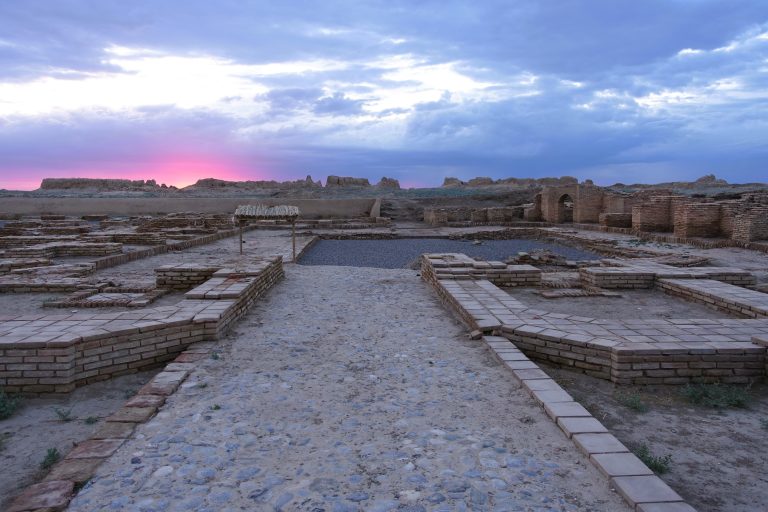
Click here for a comprehensive gallery of my time in Kazakhstan.
Discover more from Reehan Miah
Subscribe to get the latest posts sent to your email.