Mount Kilimanjaro

I’ve been fortunate enough to have suffered a whole array of near-death experiences at this stage in life. And of all those, summiting Kilimanjaro is the one that featured the most prolonged physical agony – but it’s also the one that I cherish most, and perhaps the only one that I look back upon with genuine affection.

032
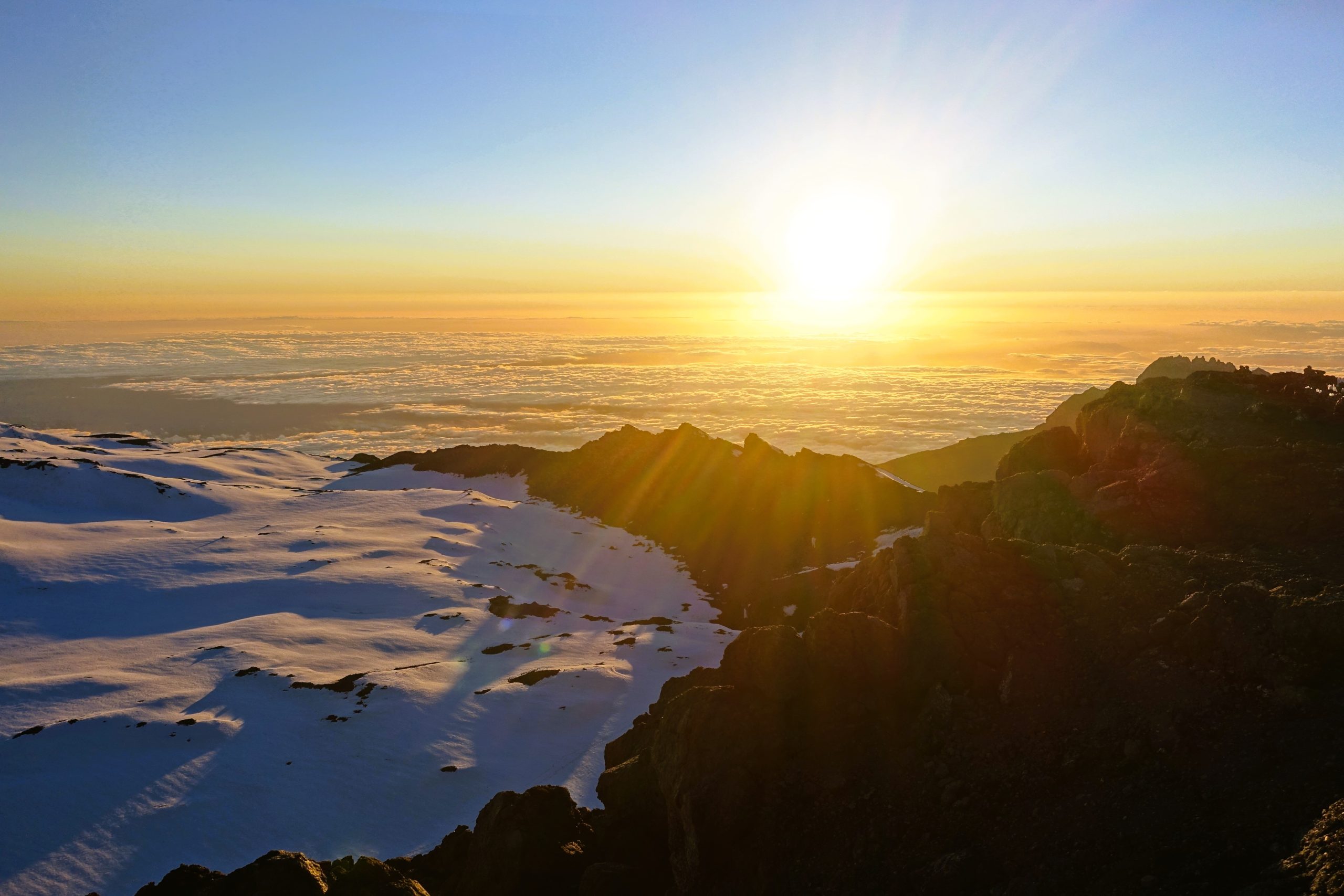
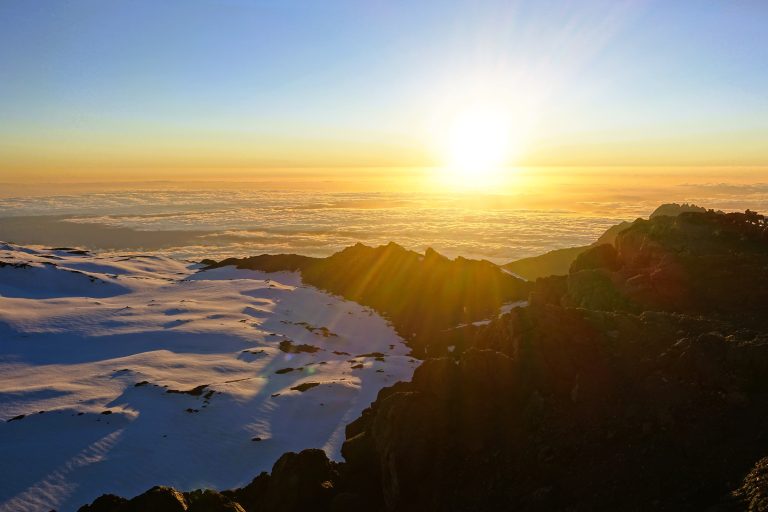
Sunrise from Uhuru Peak, 5895m high in the sky. Still don't understand how I made it tbh.

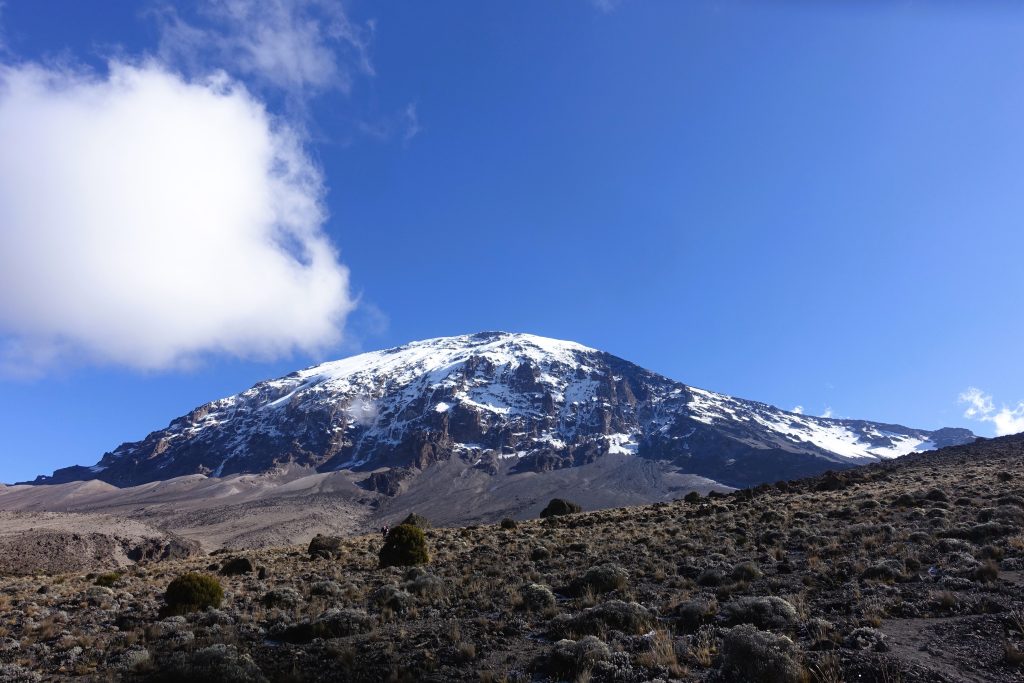
­Kilimanjaro was an early stop in 2018’s outlandish African adventure, one which saw me gallivant around eight sub-Saharan nations in the space of some six weeks (this climb took an entire week out of that schedule, so you can well imagine how manic the rest of my trip was). Attempting Kili may have been somewhat overambitious given how much ground I was trying to cover elsewhere, but it had become a non-negotiable goal of mine by this point in life. I’d fallen for mountains and the outdoors later than the most – it wasn’t until a rash decision to summit Mount Kinabalu (Southeast Asia’s highest peak) in 2014 that I realised just how naturally I took to these topographical wonders: these vistas so vast that they wrap you in an illusion of solitude whilst fostering connections with something greater; imperious, unimpeachable formations that have witnessed the comings and goings of eternities. Nothing can provide better perspective than one of these prehistoric leviathans, ready to cut you down to size as you tenuously navigate their inhospitable landscapes in which you most certainly do not belong. To summit a mountain is to temporarily tussle against the best that Mother Earth has to offer, to experience a transitory yet transfiguring sensation of being literally on top of the world, despite being rendered wholly inconsequential by the very thing that you’re standing atop.

So addictive was this sensation that I repeatedly found myself heading skywards after that ice-breaking encounter with Kinabalu. Trekking the Annapurna circuit in Nepal and visiting Everest Base Camp on the Tibetan side were notable highlights in ensuing years, but there was one thing that I was quietly working towards: Kilimanjaro. Contrary to popular belief at this stage of life, I was far from a daredevil with a longstanding deathwish, and at a lowly 5895m, Africa’s grandest peak seemed the pinnacle of what I considered within my physical wheelhouse. Other friends who were in worse shape than myself had climbed and survived to tell the tale, and it was seen as by far the easiest of all the Seven Summits to scale. And I’d done my homework, having trekked aplenty and tested myself at altitude multiple times with zero issue. It was settled, then – this was the highest point on the planet that I believed myself capable of reaching. What could possibly go wrong?

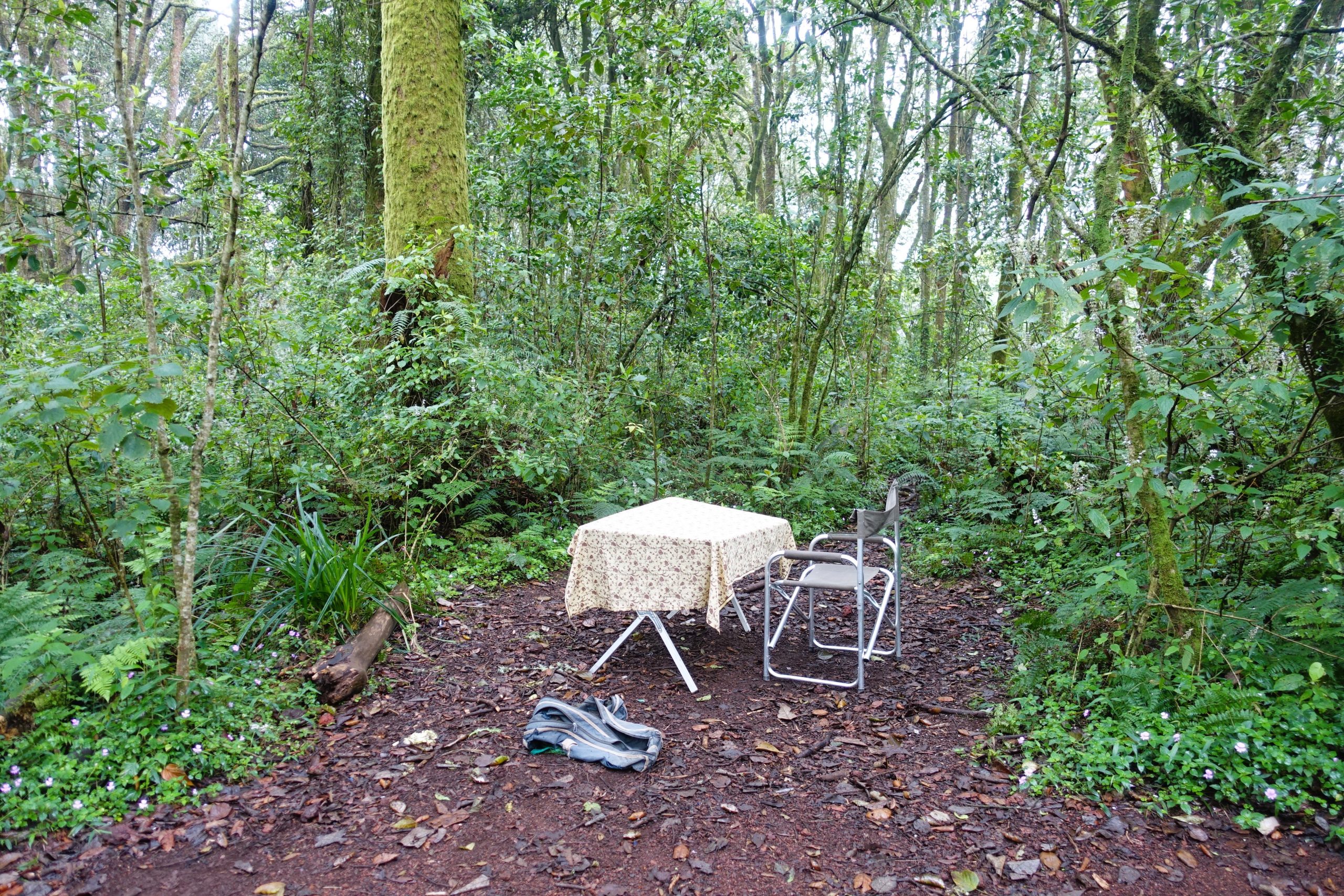
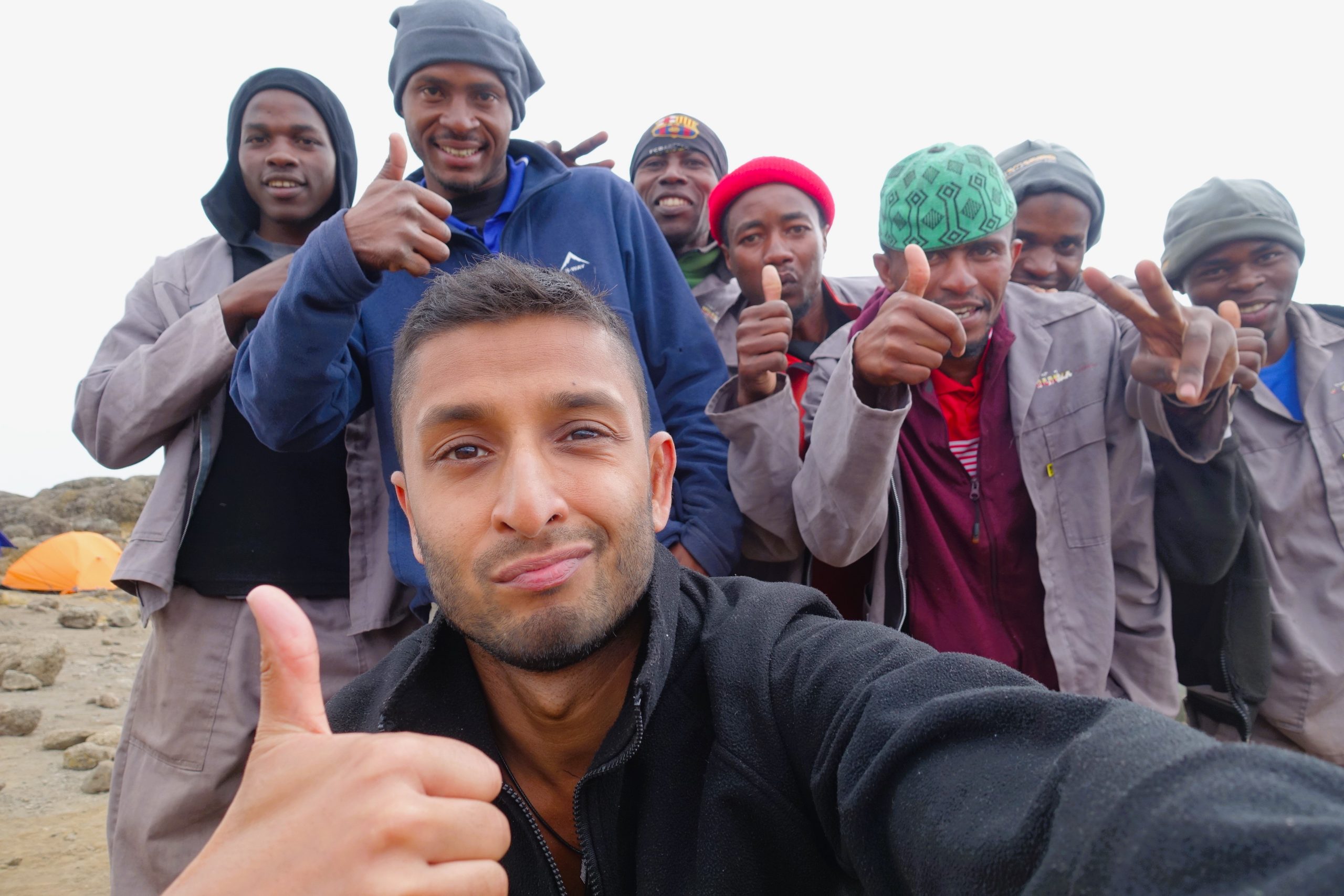
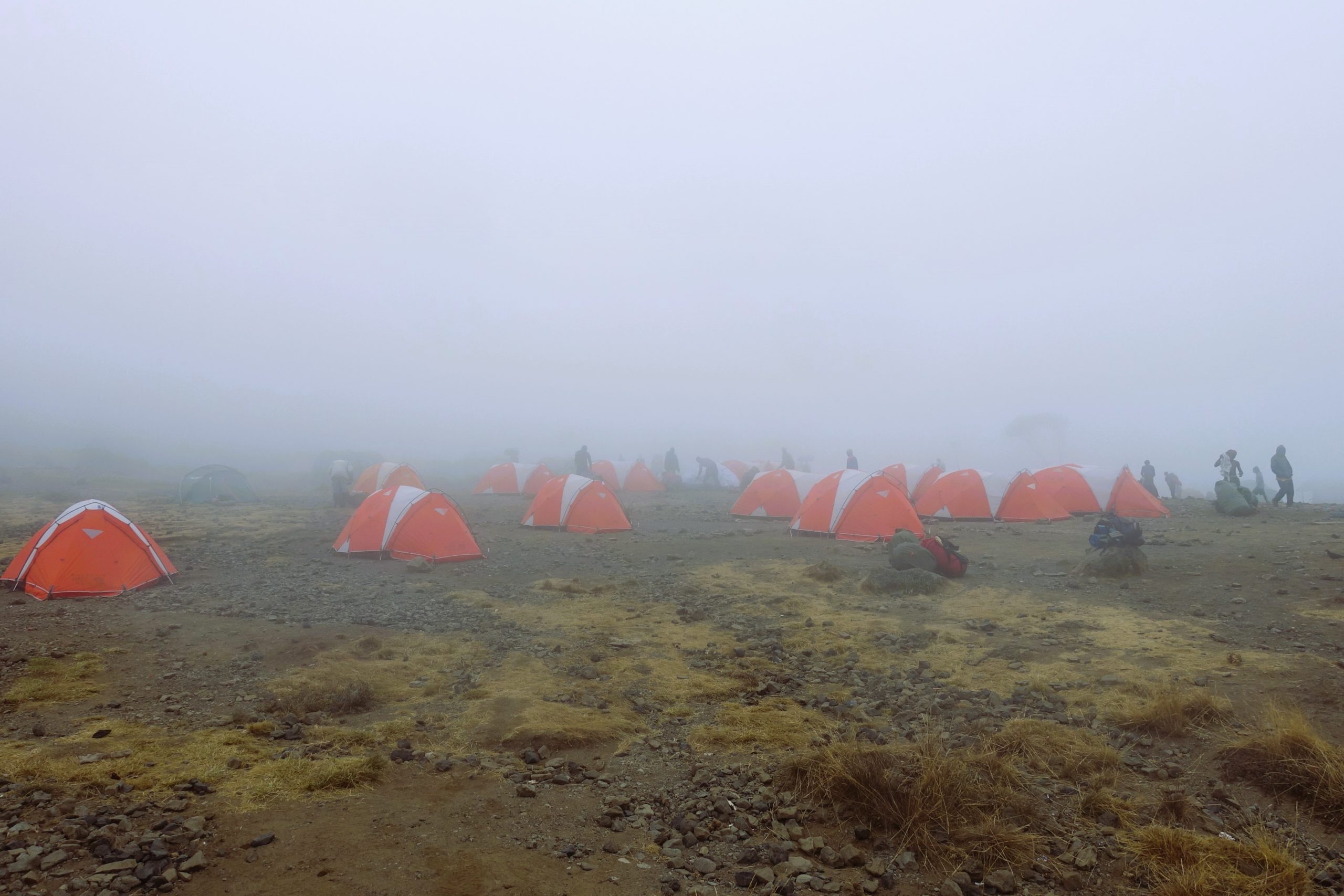
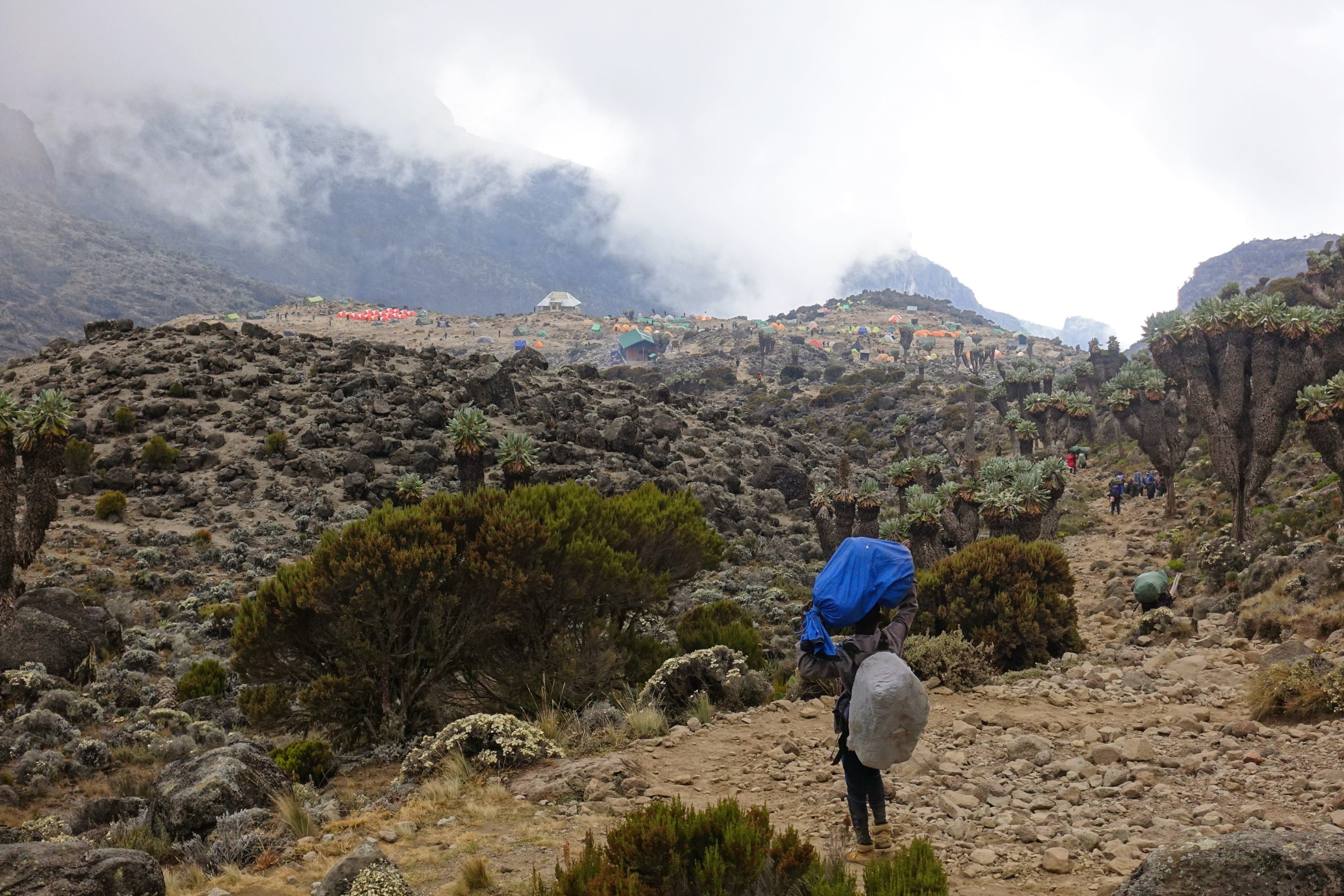
The answer was nothing at all, at least for the first few days of the ascent. I’d booked myself in with a reputable climbing operator and was delivered to a team of eight (!!) support workers who were tasked with ensuring that this pompous, eccentric foreigner would complete his climb successfully. The socialist in me nearly died at this – particularly when one of them laid out a table, chair, and decorative cloth for my first lunch on the mountain – but I soon adjusted to the special treatment (others completing the trek experienced much the same) and focused on what lay ahead. We made speedy progress and I was surprising even myself with my physical conditioning. We’d consistently set out on the trails after everyone else, easily overtake all other climbers, and end up first to arrive at the next camp with several hours of the day left to spare. It was almost a little frustrating as all the unexpected downtime meant that I ploughed through the two novels I’d taken with me far too briskly. Come day five – with the summit attempt scheduled for later that night – and I was feeling rested, capable, and very, very confident.


Summit night began much like all others. We set off later than most and swiftly surpassed everyone else that had left from the main base camp. At around 1:45am, I had a discussion with the two guides assigned to accompany me for this final stretch in order to assess the situation. I was feeling great, had made the initial gains very quickly and efficiently, and was certain that there was plenty more left in the tank.

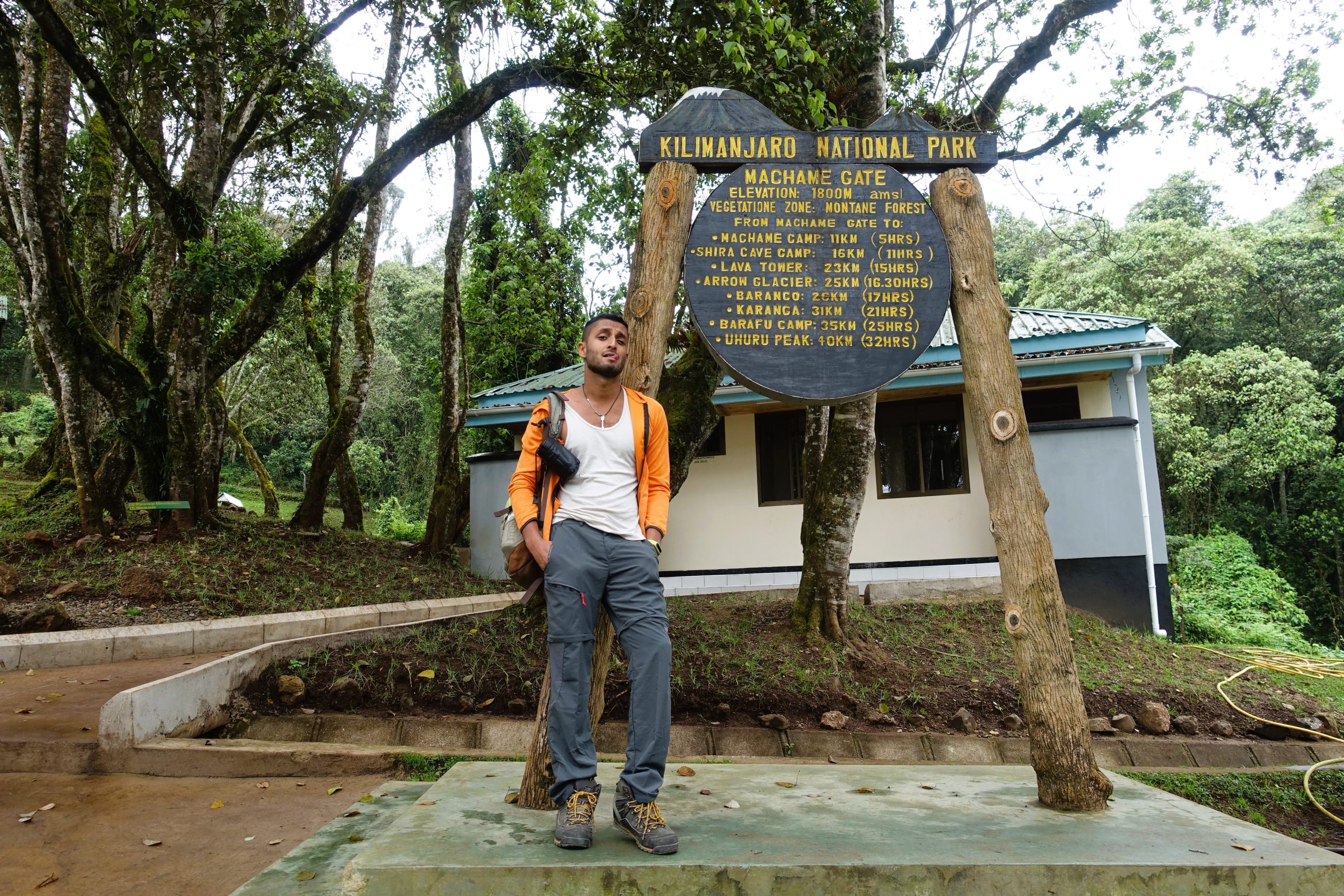
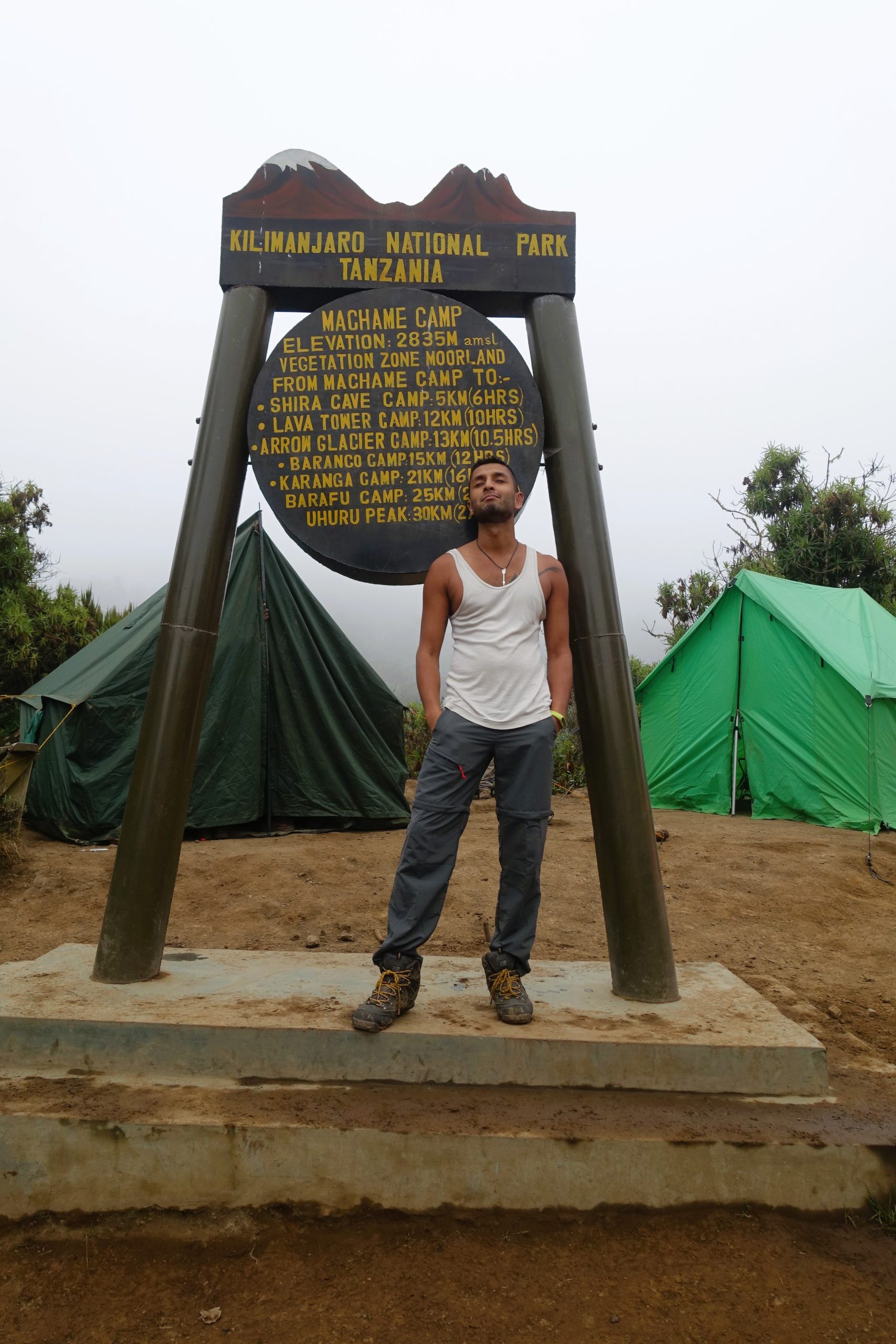
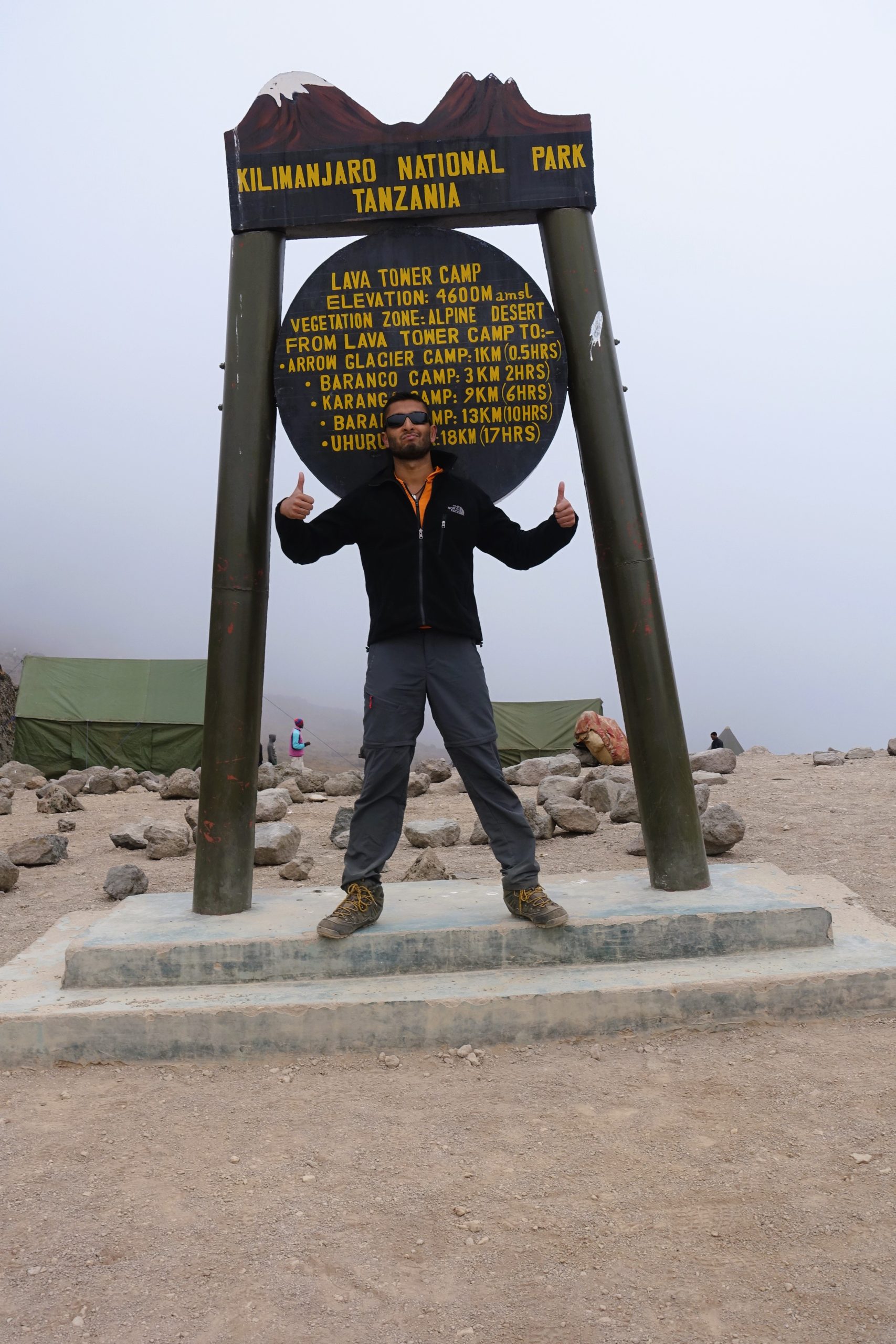
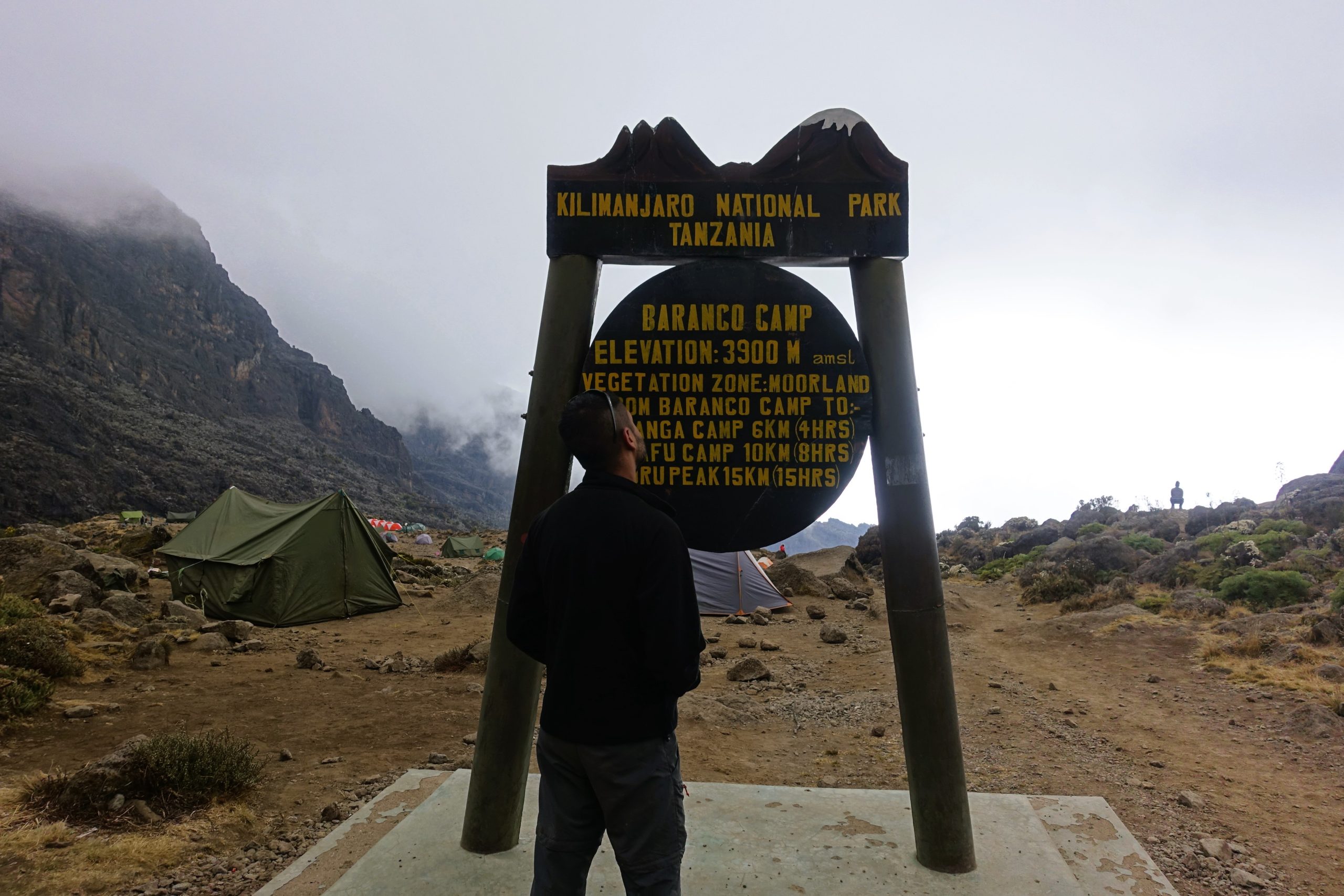
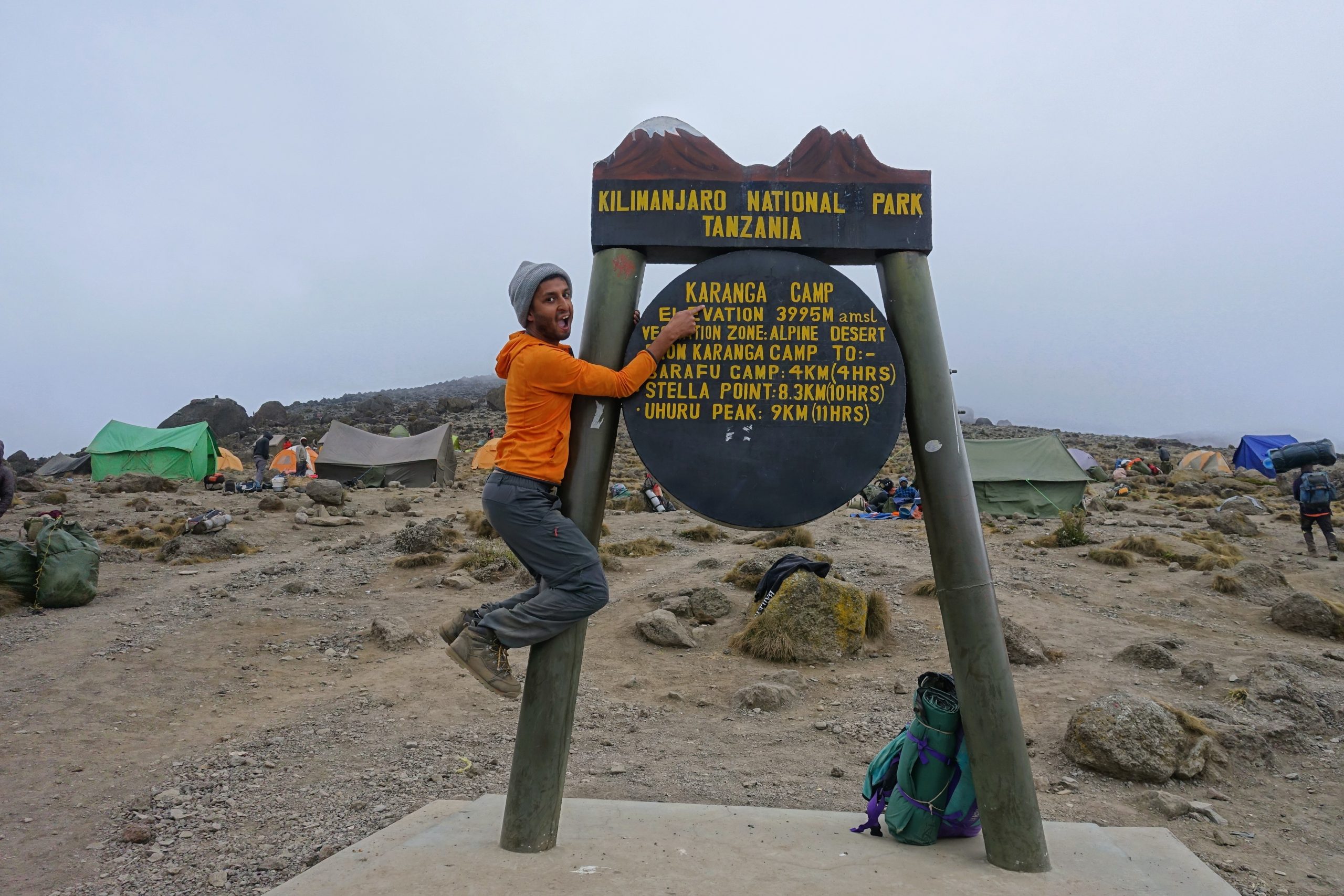
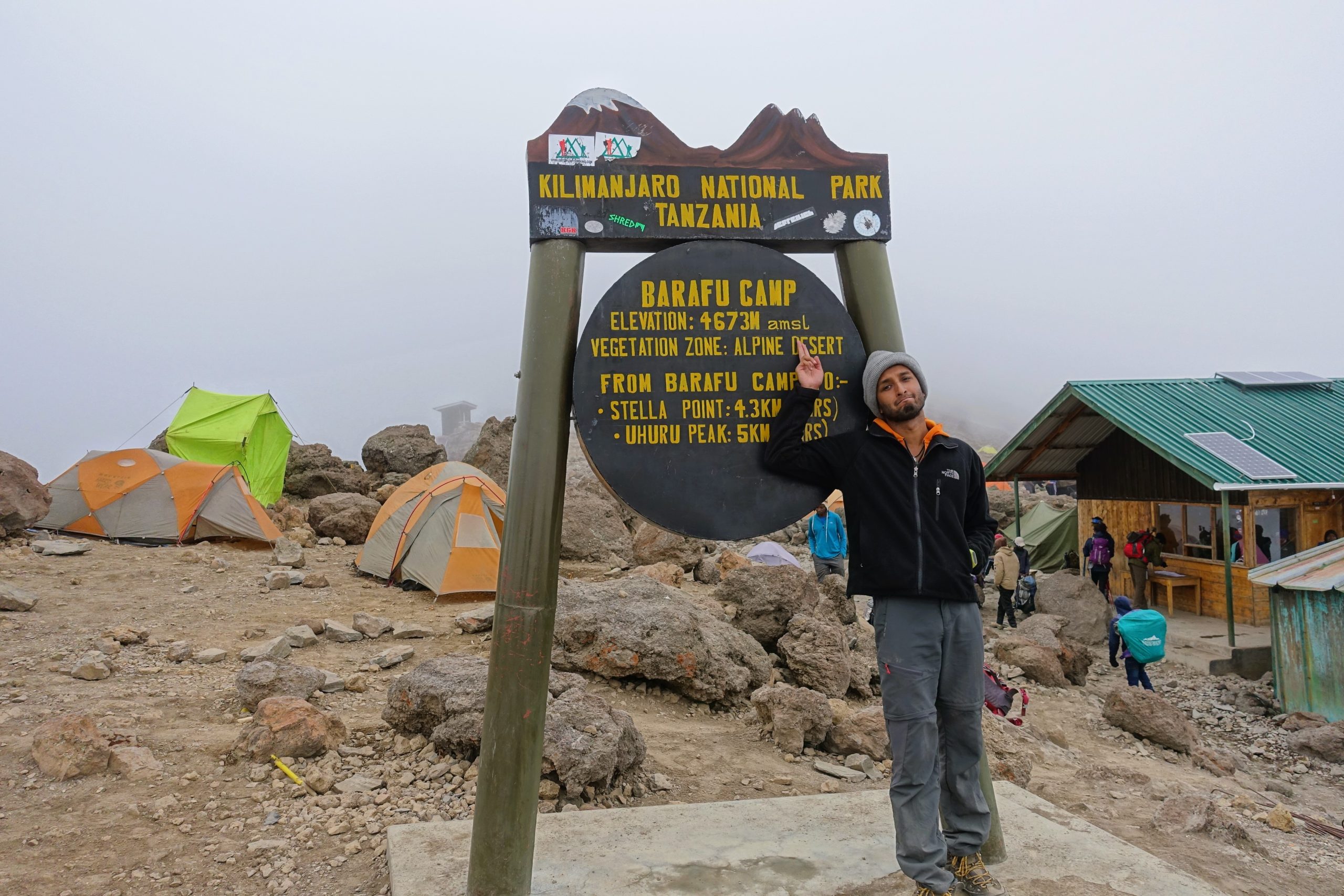
casually nailing the stops on the way up; the last two should have taken a total of ten hours to complete, so after completing them in 4h45m an easy summit attempt seemed very much on the cards…

At some point after 2am, however, things deteriorated rapidly. The weather on Kili – unpredictable and schizophrenic at the best of times – suddenly became torturously, treacherously violent. While the first two hours of my climb had been relatively calm, from hereon out the wind speeds picked up considerably. These weren’t just winds – they’d materialised out of seemingly nothing, and had indiscriminately started lashing away, pummelling and battering us so mercilessly that the outside cold (the temperature of which, with the onset of this unexpected gale, felt like it had plummeted at least twenty degrees) scythed its way through all protective gear, even under the skin so as to flay its chill directly into the bone.


For once, I was attired appropriately. Four layers of clothing, two pairs of thick socks in my outdoor boots, a neck warmer, a beanie, and then a hoodie on top of that. These mini-tornadoes managed to penetrate through everything regardless, causing all feeling to dissipate from my hands and feet. Just minutes prior, I’d been an exemplar of strength and focus, but I now began to feel light-headed and faint. The winds were beating the life, the soul, the consciousness out of me. And they weren’t letting up.

At some point after 2am, however, things deteriorated rapidly. The weather on Kili – unpredictable and schizophrenic at the best of times – suddenly became torturously, treacherously violent. While the first two hours of my climb had been relatively calm, from hereon out the wind speeds picked up considerably. These weren’t just winds – they’d materialised out of seemingly nothing, and had indiscriminately started lashing away, pummelling and battering us so mercilessly that the outside cold (the temperature of which, with the onset of this unexpected gale, felt like it had plummeted at least twenty degrees) scythed its way through all protective gear, even under the skin so as to flay its chill directly into the bone.


For once, I was attired appropriately. Four layers of clothing, two pairs of thick socks in my outdoor boots, a neck warmer, a beanie, and then a hoodie on top of that. These mini-tornadoes managed to penetrate through everything regardless, causing all feeling to dissipate from my hands and feet. Just minutes prior, I’d been an exemplar of strength and focus, but I now began to feel light-headed and faint. The winds were beating the life, the soul, the consciousness out of me. And they weren’t letting up.

Eventually (I’d guess half an hour into this climatic insurrection, although it felt like forever), I decided that I couldn’t take it anymore. I asked my guides for a break, and we sat down for a minute while still getting pulverised by the elements. I could barely lift my hands up to put water in my mouth and was feeling dispiritingly exhausted. Existence was being whipped out of my person and I didn’t know how much longer I could endure. I remember seeking advice about whether to proceed and was told that we were already well past the halfway mark thanks to our initial gains.


Turning back no longer made sense, but going forward could only set me up for further torment (higher altitude, colder temperatures, more exposure to the gale), and the whole summit attempt now turned into an arduous psychological struggle. I knew that continuing our ascent was the rational move, but my body was giving out and rational thought was disintegrating alongside it, my soul draining away with each additional step. All I wanted was to sit down and close my eyes. I recall how all the preparatory literature had advised against specifically that, and that wasn’t even when referring to conditions as hazardous as these (I was later told that, on a trail with a 98% success rate, only two-thirds of climbers reached the top that night; some even required helicopter evacuations to get them off the mountain as I witnessed the next morning).

027

a fun interaction with my lead guide, Wilfred, as we discussed the summit attempt at the final camp (Uhuru Peak pictured)…


WILFRED: Make sure you wear warm clothes, tonight!

ME: I will!

WILFRED: You have a down jacket, right?

ME: No… part of my vegetarianism involves avoiding products which cause harm to animals wherever possible…

WILFRED: *facepalm*

027

a fun interaction with my lead guide, Wilfred, as we discussed the summit attempt at the final camp (Uhuru Peak pictured)…

WILFRED: Make sure you wear warm clothes, tonight!

ME: I will!

WILFRED: You have a down jacket, right?

ME: No… part of my vegetarianism involves avoiding products which cause harm to animals wherever possible…

WILFRED: *facepalm*

Eventually (I’d guess half an hour into this climatic insurrection, although it felt like forever), I decided that I couldn’t take it anymore. I asked my guides for a break, and we sat down for a minute while still getting pulverised by the elements. I could barely lift my hands up to put water in my mouth and was feeling dispiritingly exhausted. Existence was being whipped out of my person and I didn’t know how much longer I could endure. I remember seeking advice about whether to proceed and was told that we were already well past the halfway mark thanks to our initial gains. 


Turning back no longer made sense, but going forward could only set me up for further torment (higher altitude, colder temperatures, more exposure to the gale), and the whole summit attempt now turned into an arduous psychological struggle. I knew that continuing our ascent was the rational move, but my body was giving out and rational thought was disintegrating alongside it, my soul draining away with each additional step. All I wanted was to sit down and close my eyes. I recalled how all the preparatory literature had advised against specifically that, and that wasn’t even when referring to conditions as hazardous as these (I was later told that, on a trail with a 98% success rate, only two-thirds of climbers reached the top that night; some even required helicopter evacuations to get them off the mountain as I witnessed the next morning).

027

a fun interaction with my lead guide, Wilfred, as we discussed the summit attempt at the final camp (Uhuru Peak pictured)…

WILFRED: Make sure you wear warm clothes, tonight!

ME: I will!

WILFRED: You have a down jacket, right?

ME: No… part of my vegetarianism involves avoiding products which cause harm to animals wherever possible…

WILFRED: *facepalm*

It was probably around 3am. Sunrise – which is when the first trekkers aim to reach the summit – wasn’t until after 6am. The winds were not letting up. The cold was not letting up.

I instructed myself to move. And I did so. Slowly. Much, much slower than before. My footspeed, which I’d once been so cocky about, was fading, wanting to grind to a halt, despite being aware that doing so could only result in a greater catastrophe than that which I was already suffering.

No one else was within eyeshot. We’d gotten too far ahead of everybody. There were only the faintest glimpses of headlights, visible way off into the distance. It was impossible to determine how others were affected by the appearance of this capricious tempest. I had my guides, two kind warriors whom I had complete trust in, but I nonetheless felt alone. Horribly alone.

I started losing all sensation in my face. During a later break, I realised that I was now unable to even speak properly. I was slurring words because my jaw couldn’t make the right motions, and my tongue felt frozen solid. And then there was my head. It was as if someone were detaching my brain from the rest of me, nerve-ending by nerve-ending. I wanted so desperately to hold onto it, knowing full well that I’d need it to pull me through, but somewhere inside I wondered if letting those neurons go might not be such a bad thing. Anything would be better than this.


Later, impossible to say exactly when because time had long since ceased, I remember that everything inside of me had effectively stopped operating, bar the following mantras that were still whirring in what remained of my mind: 1. Do not fall asleep; 2. Keep moving forward.

I nonetheless managed to fall asleep a couple of times whilst standing up. The guide behind me had to push me onwards, snap me back into something that could vaguely resemble a conscious, able-bodied human. But conscious and able-bodied I most certainly was not. I’d become a phantom, disengaged from reality, severed from my senses, not really alive and not really dead. Some weird shell of a human-like frame mechanically shuffling (if that) on the ground, its only function to stay shuffling vertically long enough to reach whatever it was that it was trying to reach. But I didn’t know what that was anymore.

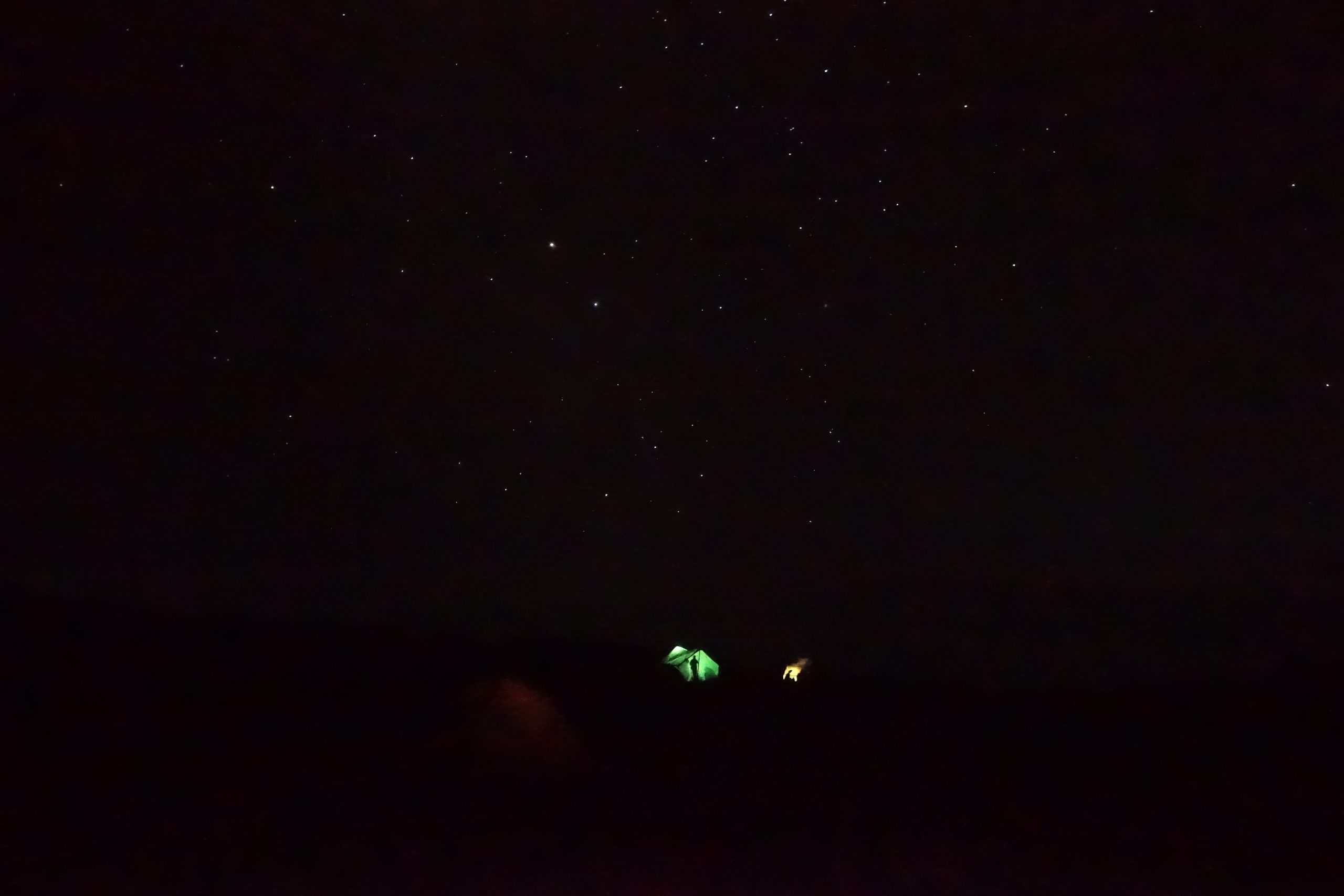
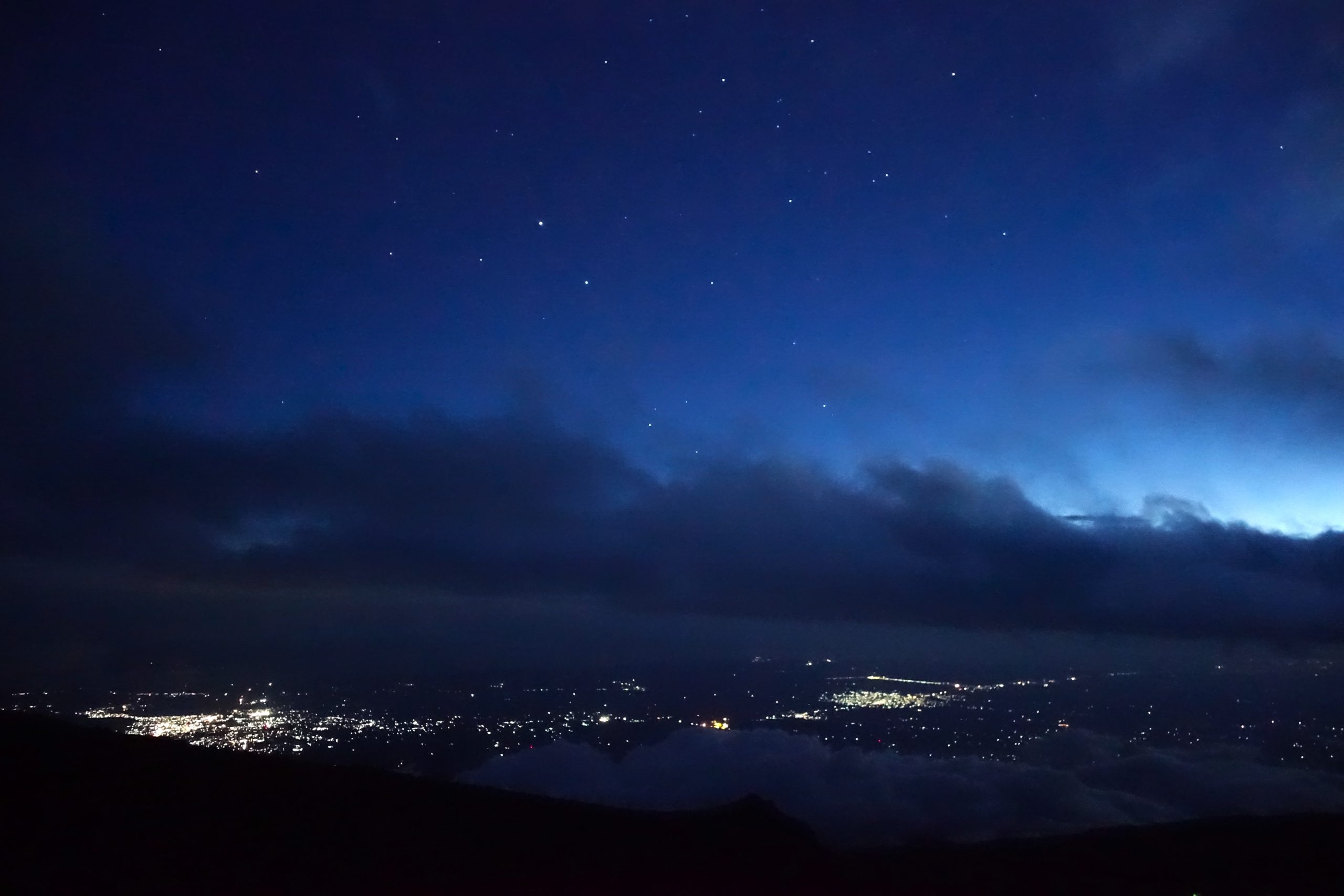
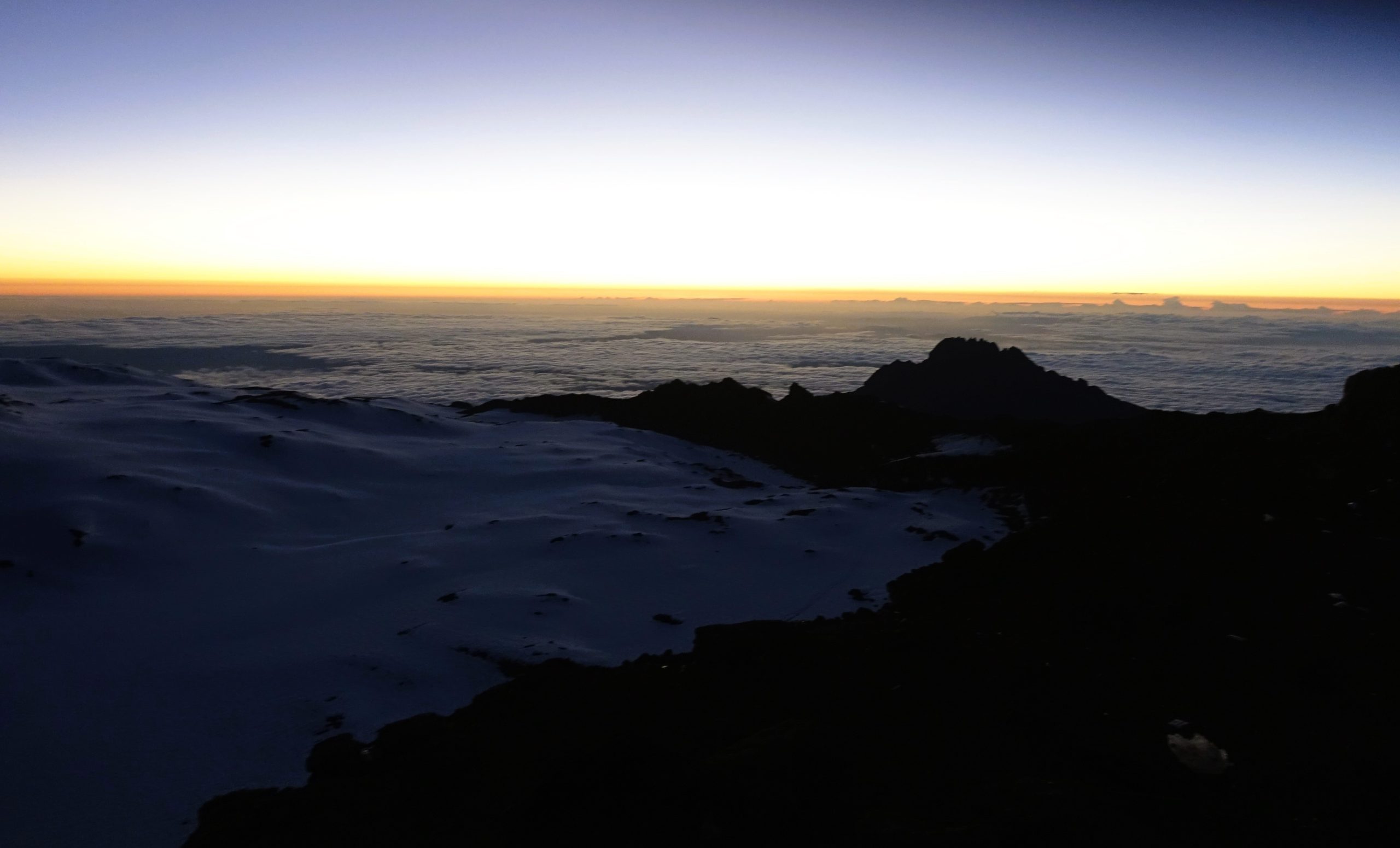
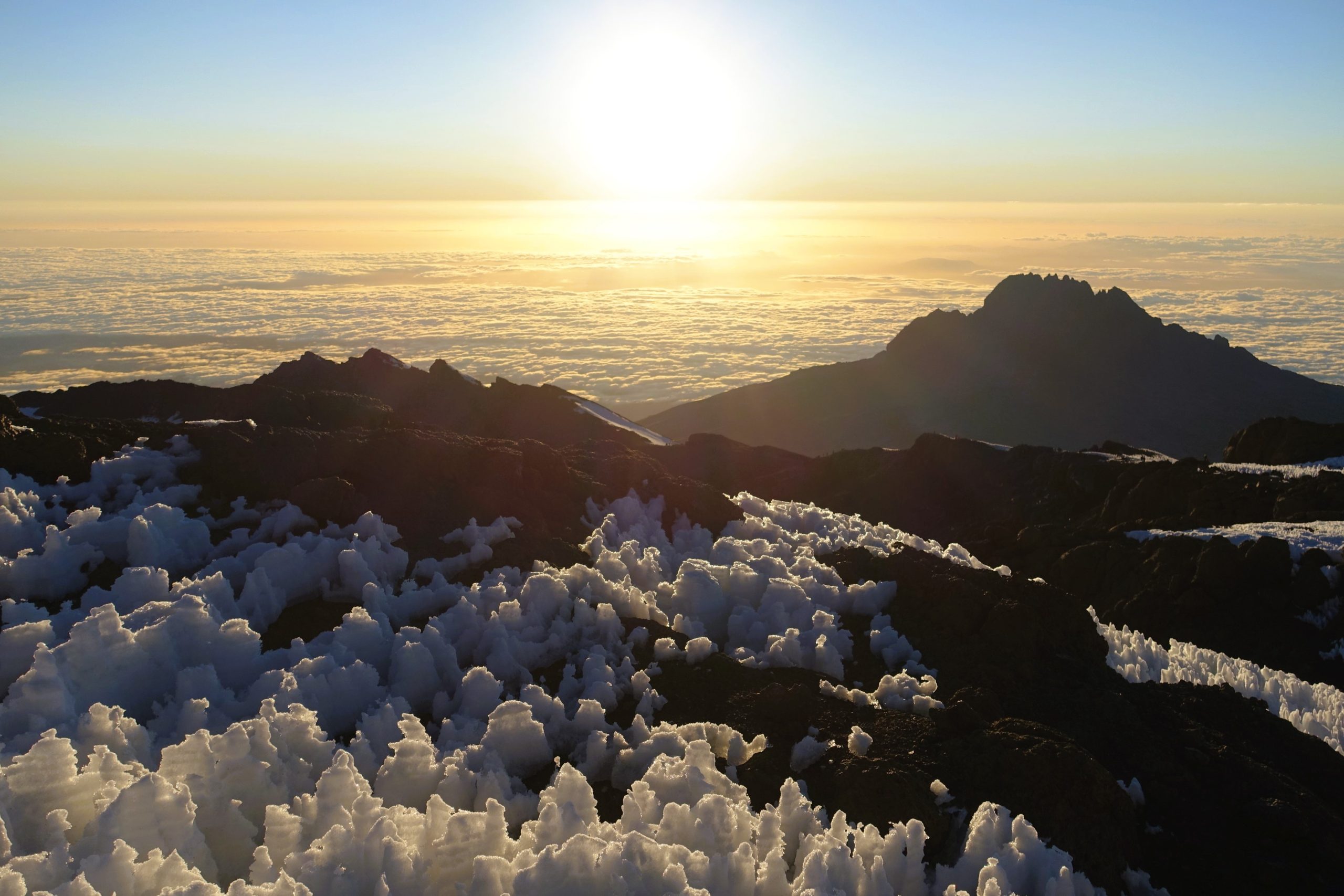
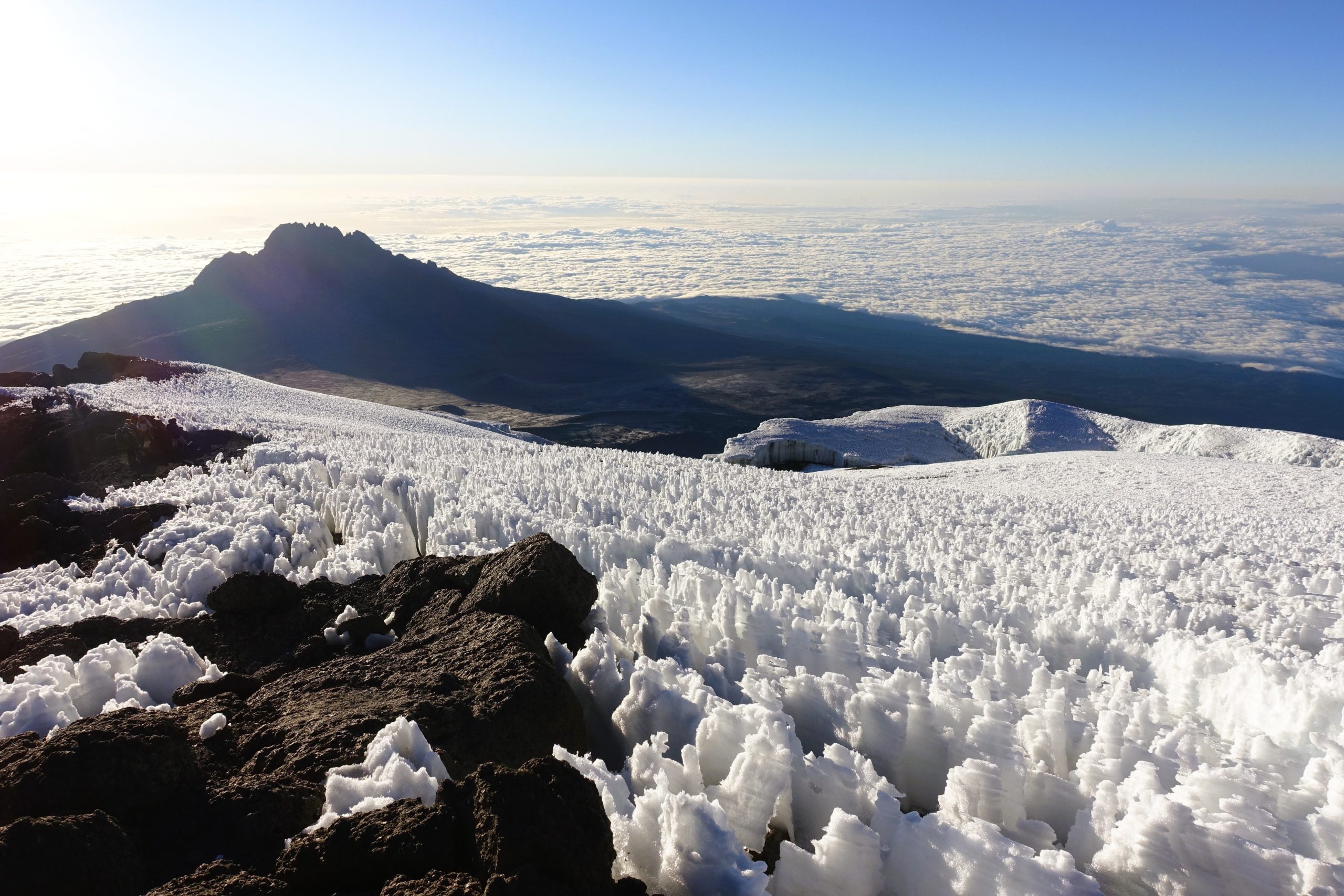
i didn’t take many shots during the summit attempt for obvious reasons, but pics one and two give you an idea of what nightfall on the mountain can look like; pic three is pre-sunrise at the peak!

The sudden change in the weather had thrown everything that my physical self had become accustomed to completely out of whack. I could feel my inner operating system malfunctioning, organs successively flatlining, and I felt utterly powerless to prevent any of this from happening, despite the knowledge that if I left my mind and body to their own devices then I’d end up collapsing in this horrific storm and put myself at even graver risk. There was a tiny, constantly shrinking iota somewhere inside that insisted it was necessary to cling on, to maintain these two simple functions even when everything else was going or gone: eyes open, legs moving. Simple, yet Herculean.

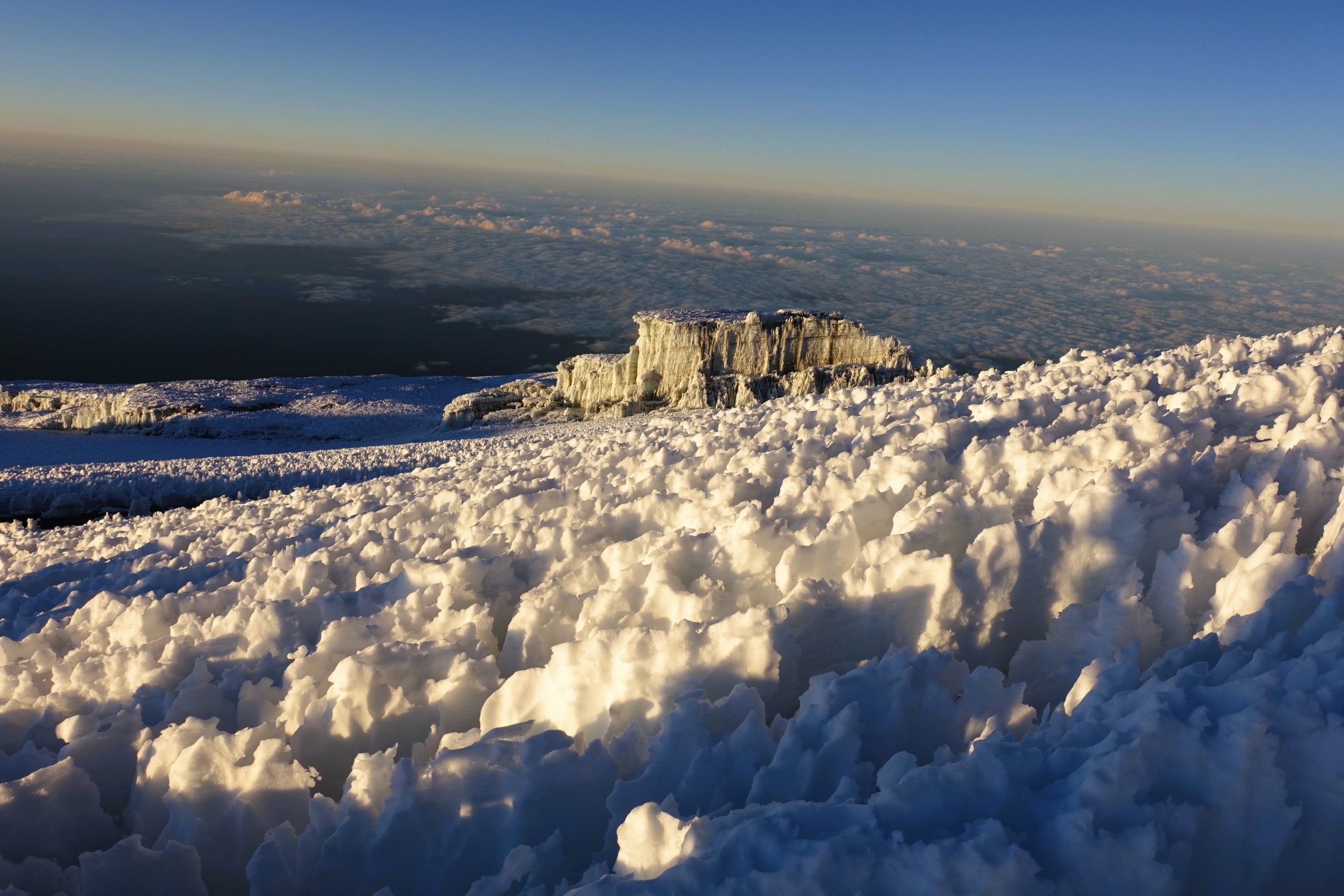
That ounce of resilience, that determination to endure, to survive – it somehow pulled me through to the point where I found myself at the final marker before the summit. I recall asking how much longer it’d take from there. I was informed that it’d be an hour. My mind, already a wreck, wanted to give way at that instant. The enormous, jagged ice sheets that lay ahead did nothing to reassure me. But I knew I had to keep sleepwalking. Keep on moving up. Up, up, up.

My guides that night were absolute heroes. I wouldn’t have come anywhere close to summiting were it not for their patience, the extra reserves of strength that they so compassionately shared with me. They kept trying to talk sense back into my person, to prevent me from drifting off or letting go. They poured hot tea into my mouth from a mug because I was incapable of lifting it up myself or opening my jaws properly. They ensured that I stayed upright, that I kept going forward, slowly but surely.

As the skies got lighter and we found ourselves surrounded by ice and snow, I was told that we were getting close. Most of my consciousness had long since evaporated, but that ounce of resilience that I’d so implacably clung to knew something that the rest of me didn’t. And it began to grow. Began morphing into strength. Physical strength. At 1% of my normal level, but still far, far greater than the prior few hours. And somehow, that 1% carried me all the way to the very apex, the famed Kilimanjaro sign that congratulates you on having reached the pinnacle. Against all odds, against everything that my being wanted to do, I’d made it. The first to summit that morning.

zero recollection of taking these sunrise pics; it’s pretty telling that even when i’m somnambulating my way along the precipice to death, i instinctively know to take my camera out and snap away…

In a way, the cataclysm of the night had been inevitable. There I was, having spent five days on the world’s highest free-standing mountain, as arrogant as anything, thinking how easy this whole shebang was. I’m fit, I thought, I’m great at going uphill, never have any problems at altitude, and my body has historically been very proficient at dealing with extreme weather conditions, extreme cold included.

But that’s no reason to assume. You can be as healthy and as prepared as you like for something like Kilimanjaro, but at the end of the day, when you’re attempting to summit a near-6,000m mountain that generates its own climate as it plaeses, there’s one crucial variable whose impact is far more significant than anything you can control: nature. Man is not designed to triumph over the earth. And no man, no matter how inappropriately-dressed or cocksure, should bounce around such surrounds assuming that he’s capable of doing so. Talk about asking for trouble.

Fact is though, that trouble happened and so therefore trouble had to be vanquished. And the fact that it was vanquished won’t ever be forgotten. We’re not here to emerge victorious over nature in the long haul, I fully believe that. But there are minor, ephemeral coups that we can delude ourselves with – things like reaching the top of Kilimanjaro for instance, that mean nothing to Gaia but everything to the summitteer. The reservoirs of fortitude, of determination, of nerve required for me to reach the top were reservoirs that I didn’t even know existed within me. Perhaps I needed that final test – I had to endure, to show just how strong my survival instinct was, because had the entire climb been as easy as the first 95% of the ascent, I would’ve walked away from this age-old mountain bigging myself up, convinced of my own abilities to conquer all things great in the world. Instead, I left humbled. With a rebalanced understanding of my meagre little place on this planet, a renewed feeling of awe and respect for Mother Nature, and an unremitting appreciation for her decision to let me stand at the world’s very zenith for a brief moment and go on to survive another day. 

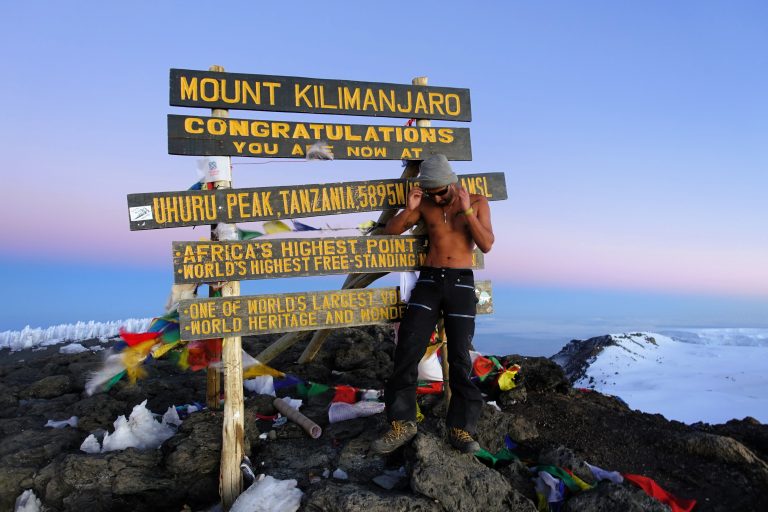
031
An image that does nothing to capture the gravity of the ordeal. And an even more damning indictment than the previous images: I somehow took all my top layers off despite all that I'd just endured. Proof that he's certifiably insane.

FYI: I booked my trek via a website via a website called climbing-kilimanjaro.com which appears to have been wiped from the Internet entirely in the years since (their Facebook page which had live updates also appears to have disappeared). I believe they outsourced their bookings to a company called Hidden Valley on the ground, but I can’t personally vouch for them as there’s little that’s familiar to me on their website. It’s a shame that I can’t offer more concrete recommendations as the service I received (guide, porters, hotel, pickup, meals, etc.) was outstanding.


For a full gallery of Kili images click here.

Facebook
X
WhatsApp

Discover more from Reehan Miah

Subscribe to get the latest posts sent to your email.
Leave a Comment

Your email address will not be published. Required fields are marked *